Best Dress Colorsfor Pale Skin
Pale skin needs deliberate color choices to look luminous rather than washed out. Discover which shades flatter you most — and which to skip.
Pale skin is one of the most rewarding complexions to dress — when you understand its logic. Fair skin is high-reflectivity: it picks up color temperature from nearby fabric more readily than medium or deep skin. That means the wrong dress makes you look washed out while the right one makes you look luminous and porcelain-bright. The difference isn't subtle. This guide covers exactly which dress colors create that luminous contrast and which ones flatten fair skin into something forgettable.


3,000+
happy clients
Why Color Choice Matters So Much for Fair Skin
Pale skin is one of the most rewarding complexions to dress — when you understand its logic. Fair skin is high-reflectivity: it picks up color temperature from nearby fabric more readily than medium or deep skin. That means the wrong dress makes you look washed out while the right one makes you look luminous and porcelain-bright. The difference isn't subtle. This guide covers exactly which dress colors create that luminous contrast and which ones flatten fair skin into something forgettable.
Pale skin has less melanin to absorb or neutralize color from adjacent fabric. This means it picks up more of the color signal from your dress than a deeper complexion would. A cool-toned dress makes pale skin look pink or cool. A warm-toned dress warms it. A mid-tone, desaturated dress makes pale skin look flat and nondescript. This high sensitivity is exactly why color choice matters so disproportionately — and why getting it right pays off so dramatically.
The most common mistake is choosing dresses in the same value range as pale skin: light neutrals, pale pastels, soft nudes. These create a low-contrast look where skin and fabric blend together, eliminating visual structure. The second common mistake is reaching for cool, harsh colors that create contrast but also make fair skin look pink or washed. The solution is depth with the right undertone: rich, saturated, or deep colors that create genuine contrast without the wrong color cast.
Fair skin's undertone varies significantly — pink-cool, neutral, peachy-warm, or yellow-warm — and that undertone determines which colors are most flattering within the broad 'pale skin' category. What works beautifully on a pink-cool fair skin may look slightly off on a warm-peachy fair skin. Understanding your specific undertone refines the advice from this guide into a precise personal color map.
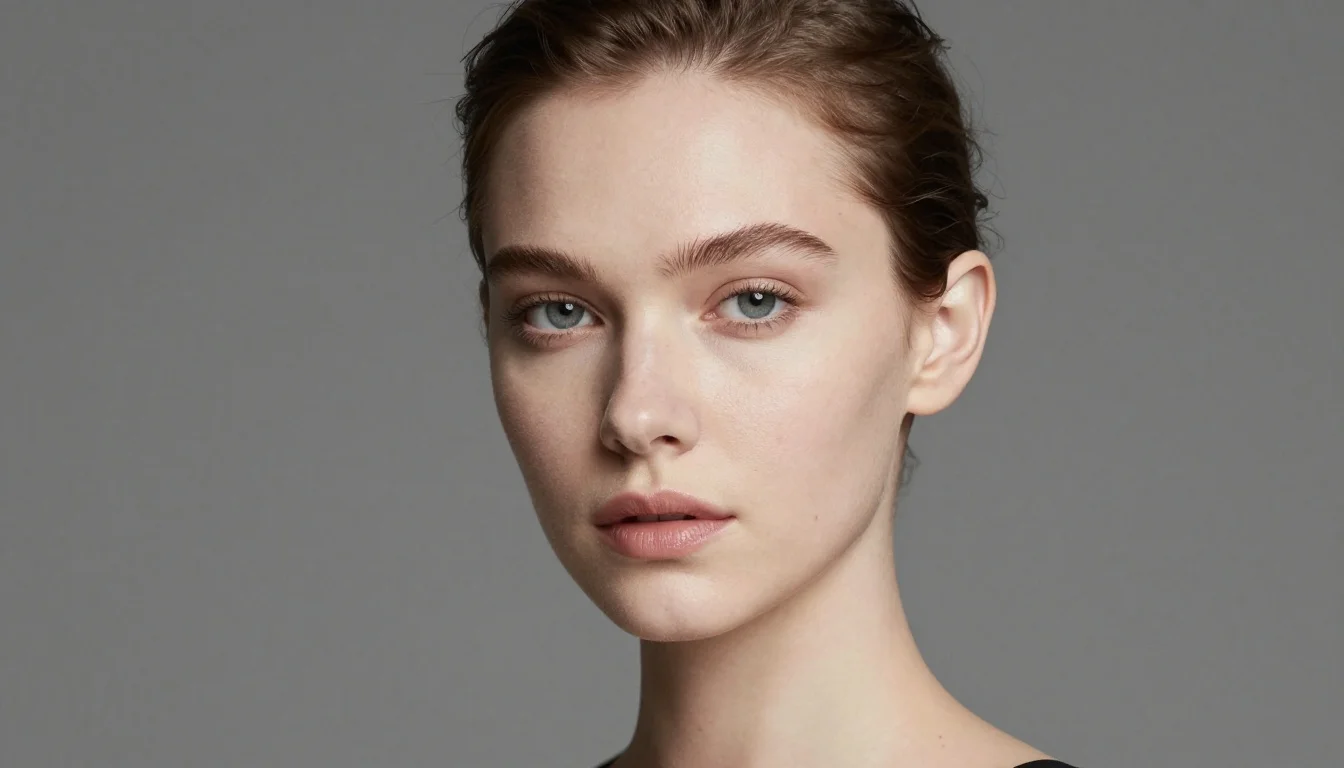
What dress colors look best on pale skin?
Deep jewel tones (sapphire, emerald, ruby, amethyst), deep neutrals (navy, black), rich warm tones (burgundy, deep coral), and clear saturated brights (true red, vivid cobalt, fuchsia) are the most flattering dress colors for pale skin. The common thread is contrast — colors with enough depth or saturation to create visual separation from fair skin.
Your Most Flattering Dress Color Families
Rich Jewel Tones
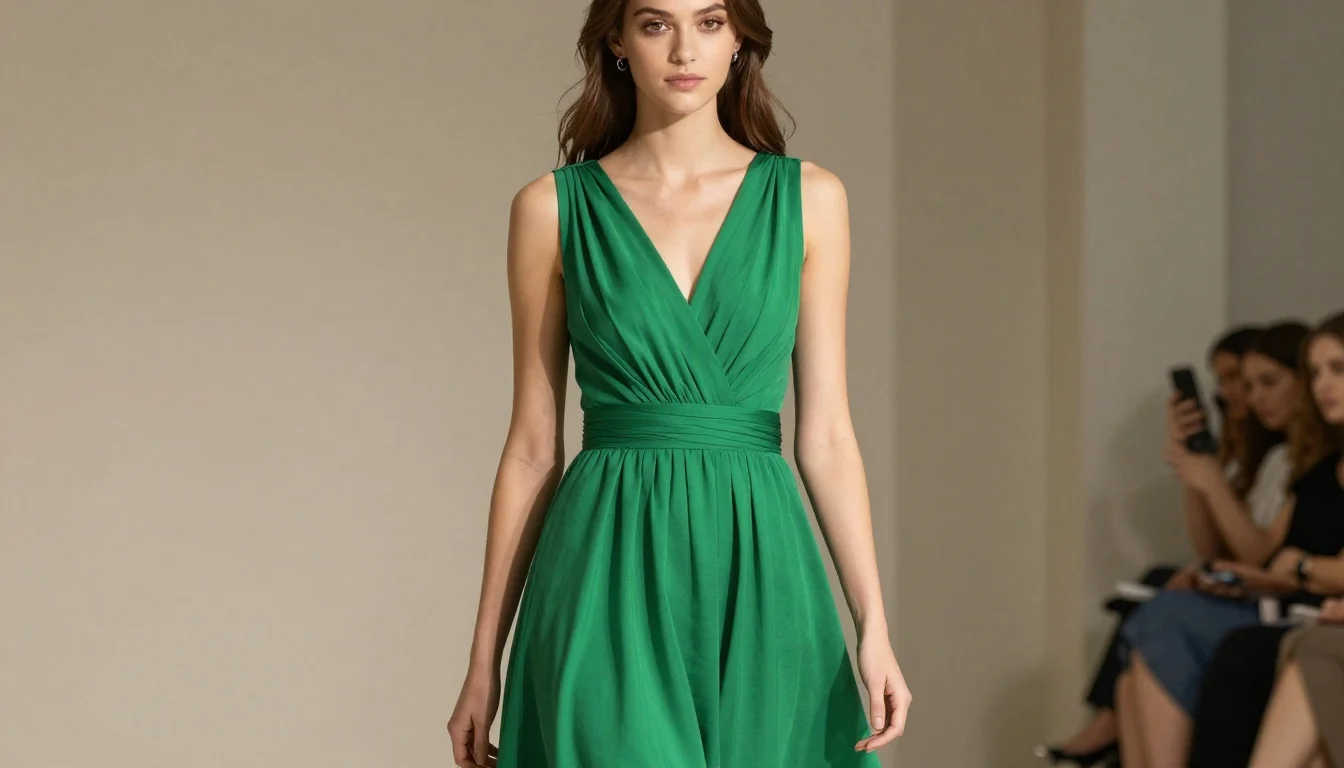
Deep jewel tones are the most universally flattering dress colors for pale skin because they create exactly the contrast fair skin needs. Sapphire makes pale skin look porcelain. Emerald creates a vivid, striking combination. Ruby and deep red create warmth and drama. Amethyst adds a luminous quality. These work because they have real visual weight — enough depth and saturation to provide structure that pale skin alone cannot. Every pale-skinned person should own at least one jewel-toned dress.
Deep Navy and True Black
Deep darks are the go-to for pale skin because they create maximum contrast without any undertone complications. Navy is especially versatile — it creates striking contrast with fair skin while feeling softer than stark black. True black is universally wearable on pale skin, particularly for evening. The key is choosing true deep versions, not washed or faded ones. Dark charcoal works the same way — deep enough to frame pale skin with genuine visual structure.
Rich Warm Tones
For pale skin with warm or peachy undertones, rich warm colors create a warm, glowing effect. Burgundy is especially versatile — its warm-cool balance means it works with most fair skin undertones. Deep coral adds warmth without going too orange. Warm terracotta creates a gorgeous contrast that makes fair skin look sun-kissed. These colors flatter pale skin by adding warmth to the complexion without washing out the features.
Clear, Saturated Brights
Pale skin can handle bold, saturated brights beautifully when they have clear, vivid color rather than muted or dusty quality. True red is one of the best dress colors for fair skin — it creates dramatic, high-contrast glamour. Vivid cobalt blue makes pale skin look crisp and bright. Clear fuchsia adds warmth and energy. The requirement is saturation: vivid, clear brights work; desaturated or muted versions of the same colors don't.

Ready to see sapphire & emerald on your face?
Start my color analysisHow to Dress Pale Skin with Confidence
The contrast principle
Your foundational approach to dress color should be contrast. Pale skin has its own light value, so your dress should provide a different value — either darker (deep jewel tones, navy, black) for dramatic contrast, or lighter-but-vivid (clear bright colors, saturated cool tones) for luminous contrast. Mid-tone, low-saturation dresses are your enemy. Every time you choose a dress color, ask: does this create contrast, or does it blend?
Evening and occasion wear
Pale skin in a deep jewel tone at an evening event looks extraordinary. Rich emerald, deep sapphire, or vivid ruby create dramatic, high-contrast elegance that suits fair skin better than any other combination. True red is a classic for a reason — it photographs beautifully on pale skin. For very formal events, a structured deep-colored dress or a white dress (the bright, cool white creates contrast through luminosity) both work better than nude or pastel formal dresses.
Daytime and casual wear
For everyday dresses, navy, burgundy, and clear jewel-family colors are reliable. A navy shirt dress looks sharp and intentional on pale skin. A deep teal wrap dress creates an interesting visual conversation with fair skin. For summer, try a vivid floral on a dark background — the combination of bold print on a dark base gives you both the visual interest and the contrast your skin needs.
Using warm colors strategically
If your pale skin has a peachy or warm undertone, warm-depth colors work particularly well: rich burgundy, warm terracotta, deep coral, and warm rust create a glow effect where the warmth of the dress resonates with the warmth in your skin. If your pale skin has a pink or cool undertone, cool jewel tones will look cleaner. Knowing your undertone refines these rules significantly.
Dress Colors That Flatten Fair Skin
Nude beige and skin-match tones
Dress colors that closely match pale skin — nude beige, light peach, blush pink, warm ivory when too close — create a washed-out effect where the dress and skin blur together. There's no focal point, no structure, and no visual interest. This is the most common pale-skin mistake. If you want a neutral dress, choose white (which creates contrast through brightness) or a deeper warm neutral rather than a skin-match nude.
Warm orange and yellow
Orange and warm yellow can clash with the pink or cool undertones present in many fair complexions, making skin look red, flushed, or sallow depending on the specific undertone. For pale skin with cool undertones, this is especially problematic. If you love warmth, choose burgundy, terracotta, or warm coral instead — these have enough depth and complexity to avoid the orange clash.
Dusty and chalky pastels
Very pale, desaturated pastels — dusty lavender, chalky pink, faded mint — create a low-contrast, faded look on pale skin. They share too much of the skin's light value range without adding any depth or richness. Clear pastels with genuine saturation (a proper lavender, a clear mint) can work. The chalky, powdery versions are the problem — they blend into fair skin rather than complementing it.
Harsh cool neons
Harsh neon colors — neon green, electric blue, acid yellow — can create an unpleasant contrast with pale skin that reads as harsh rather than striking. They can also make fair skin look flushed or overly pink by contrast. The depth and richness of jewel tones create contrast elegantly; the harshness of neons creates it in a visually abrasive way.
Stop guessing — preview every look on you
See these looks on my photoDress Color Swaps for Pale Skin
Trading the colors that wash fair skin out for ones that make it luminous.
Pale blush blends into fair skin with no contrast. Rich fuchsia or deep coral has the saturation to create genuine visual separation and makes pale skin look bright and vivid.
Nude beige matches pale skin too closely and creates a washed-out look. Navy creates the contrast that makes fair skin look porcelain and intentional.
Light grey has insufficient contrast with pale skin. Deep charcoal or violet creates the visual structure that professional settings require and makes pale skin look defined.
Champagne and pale gold sit too close to fair skin in value. Deep emerald or sapphire creates dramatic, luminous contrast that makes pale skin look genuinely striking at night.
Light florals on pale backgrounds have no contrast with fair skin. Dark-background florals create the depth that makes pale skin pop against a visually interesting pattern.
Pastel yellow can clash with pink undertones in fair skin or simply lack contrast. True red and cobalt create bold, high-contrast drama that suits pale skin beautifully.
Which Seasonal Palette Might Fit Your Pale Skin?
Pale skin appears in several seasonal palettes. Your specific season depends on whether your fair skin runs cool, warm, or neutral, and what contrast level your overall coloring creates.
Cool Summer
Learn moreIf your pale skin has soft pink or cool undertones, your hair is medium to light in contrast, and your overall look feels soft and elegant rather than stark, Cool Summer is likely your season. Your best dress colors are cool and muted: dusty rose, soft raspberry, slate blue, and muted teal. Avoid vivid or heavily saturated brights.
Light Spring
Learn moreIf your pale skin has a peachy or warm undertone, your hair is light (blonde or light brown), and your overall look is fresh and light, Light Spring fits well. Your dress palette includes warm coral, peach, light warm teal, and warm yellow. Your version of pale skin looks warmest and most glowing in light, warm, clear colors.
Cool Winter
Learn moreIf your pale skin is very fair with strong cool or blue-pink undertones, you have dark hair creating high contrast, and your overall look is vivid and striking, Cool Winter may be your season. Your best dress colors are vivid and cool: clear emerald, bright cobalt, icy pink, and sharp ruby. You can handle the most intensity of any pale-skin type.
Find Your Exact Dress Colors
Pale skin's specific undertone — cool, warm, or neutral — determines exactly which shades within these families will look most flattering on your individual complexion. A personalised color analysis identifies your seasonal palette and gives you precise dress colors matched to your specific combination of skin, hair, and eye color.
Stop guessing — preview every color on you
Preview Yourself In Your Palette
Get my personalized paletteStop guessing — preview every color on you
Preview Yourself In Your Palette

Related Guides for Best Dress Colors for Pale Skin
Explore more personalized color advice based on your features.
Want to see these colors on you? What Colors Look Good on Me — free to try.
Frequently Asked Questions About Best Dress Colors for Pale Skin
What dress colors look best on pale skin?
Deep jewel tones (sapphire, emerald, ruby, amethyst), deep neutrals (navy, black), rich warm tones (burgundy, deep coral), and clear saturated brights (true red, vivid cobalt, fuchsia) are the most flattering dress colors for pale skin. The common thread is contrast — colors with enough depth or saturation to create visual separation from fair skin.
Can pale skin wear white dresses?
Yes — true, crisp white creates contrast through luminosity and looks clean and striking on pale skin. It works better than off-white or nude, which can blend into fair skin. The key is choosing bright, cool white rather than warm cream (which can make very pink fair skin look flushed). White is one of the best summer dress colors for pale skin.
What colors make pale skin look washed out?
Nude beige, skin-match tones, dusty pastels, and any color too close to the skin's own value will wash out pale skin. Cool neon colors can also create an unflattering contrast. The two problems are either matching (no contrast) or harsh clashing (wrong undertone contrast). The solution is rich depth or clear saturation with the right undertone.
Can pale skin wear pastel dresses?
Only if the pastels have genuine saturation rather than a chalky or faded quality. Clear lavender, vivid mint, and saturated soft pink can work. The dusty, pale versions of these colors vanish against fair skin. If you want to wear pastels, choose the most vivid version of the pastel you like and pair it with contrast accessories.
Is red a good dress color for pale skin?
Yes — true red is one of the best dress colors for pale skin. It creates dramatic, high-contrast glamour that photographs beautifully. Choose a true red (not orange-red or purple-red unless you know your undertone). Cool-toned fair skin suits blue-red and raspberry. Warm-toned fair skin suits tomato red and warm red.
Does pale skin suit black dresses?
Yes — black is one of the most reliable dress colors for pale skin. The strong contrast between deep black and fair skin creates a striking, polished look. It works particularly well for evening and formal occasions. For daytime black dresses, keep accessories warm to avoid the look feeling too stark.