Best Coat Colors forDeep Winter
Deep Winter coloring calls for dark, cool, vivid coats. Discover which shades flatter you most — and which to skip.
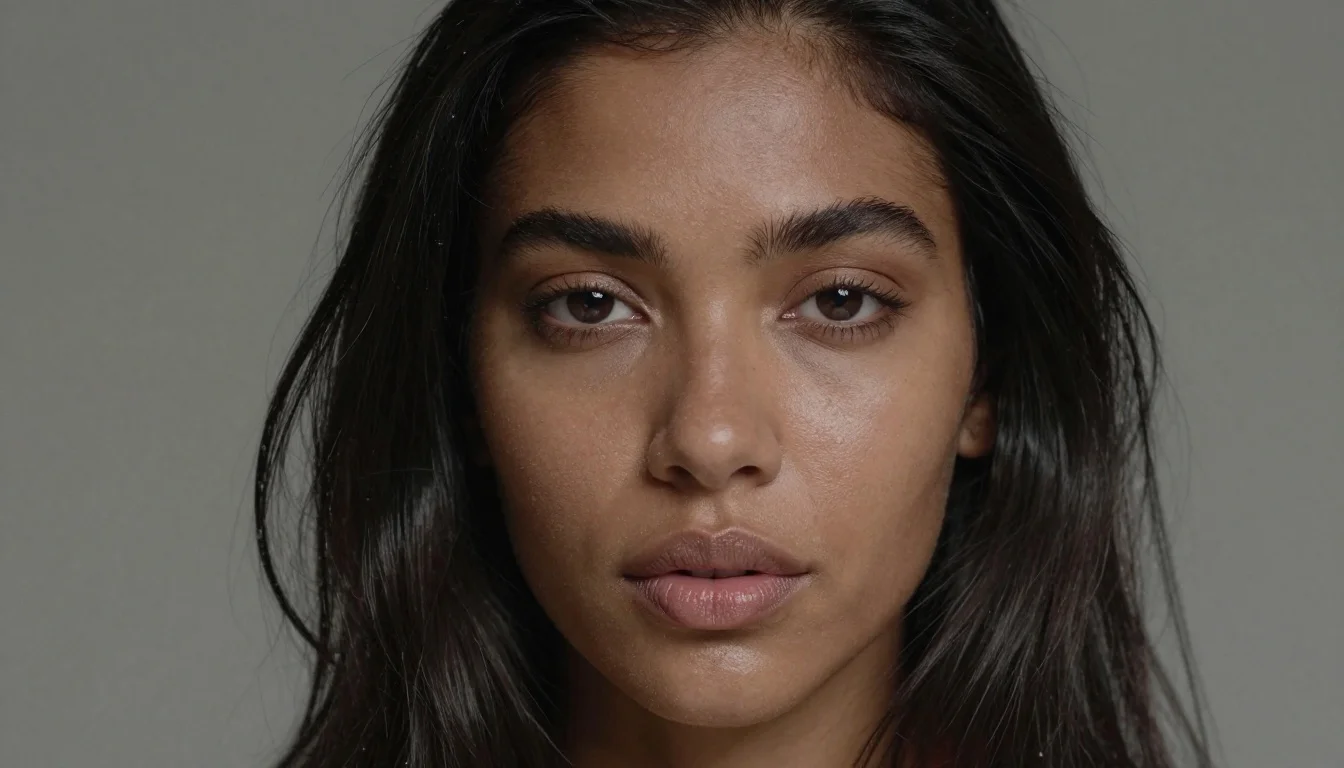
Deep Winter is defined by high contrast, depth, and coolness — and your coat is where these qualities can be fully expressed. True black, deep charcoal, vivid emerald, and rich burgundy are your territory. Your coloring — typically dark hair, very dark or piercing eyes, and cool or neutral-cool skin — creates a natural drama that needs colors with real weight behind them. Pale coats look underpowered; warm earthy tones look mismatched. Your coat should be as compelling as your natural coloring.


3,000+
happy clients
Why Depth and Coolness Are Non-Negotiable for Deep Winter Coats
Deep Winter is defined by high contrast, depth, and coolness — and your coat is where these qualities can be fully expressed. True black, deep charcoal, vivid emerald, and rich burgundy are your territory. Your coloring — typically dark hair, very dark or piercing eyes, and cool or neutral-cool skin — creates a natural drama that needs colors with real weight behind them. Pale coats look underpowered; warm earthy tones look mismatched. Your coat should be as compelling as your natural coloring.
Deep Winter sits at the intersection of the Deep and Winter families — you have both the depth of Autumn and the cool clarity of Winter, without the warmth of the former. Your coloring is characterized by high contrast: dark hair or features against either very fair or very deep skin, always with cool or neutral-cool undertones. This combination creates a natural drama that your coat must match.
When a Deep Winter wears a warm, earthy, or muted coat — camel, olive, soft beige — the color clashes with the cool undertones in their skin, creating a visual disconnect where face and coat seem to belong to different color worlds. The warmth fights the coolness of your natural coloring, and the result is a look that appears confused and draining.
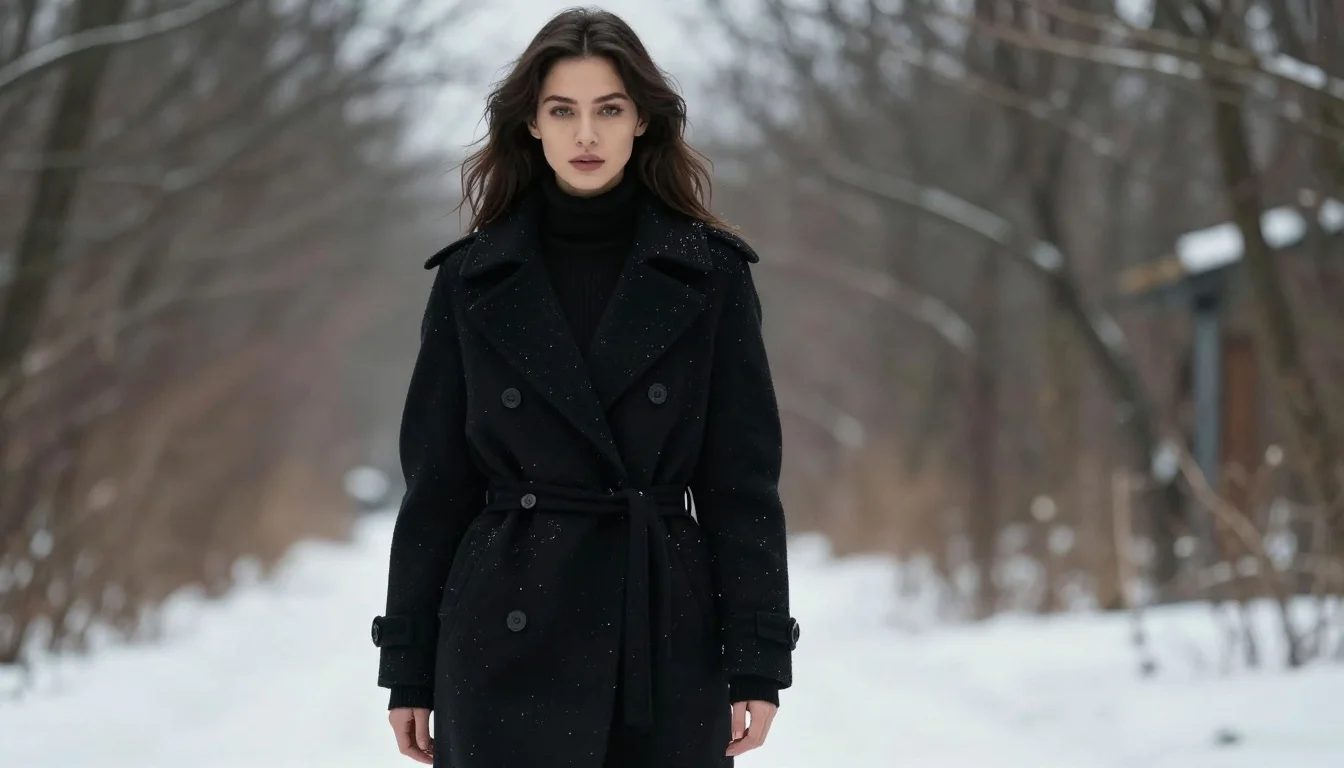
Your most powerful coat colors are those with depth and either cool or neutral temperature: black, deep charcoal, vivid jewel tones, and rich cool burgundy. These are the colors that match the visual weight of your natural contrast and resonate with your cool undertones rather than fighting them. On Deep Winter, a black coat looks exactly right — authoritative, intentional, and completely harmonious.
What is the best coat color for Deep Winter?
True black is the most universally flattering coat color for Deep Winter — it matches your season's depth and cool temperature perfectly. Rich burgundy and vivid jewel tones like emerald and sapphire are excellent alternatives for those who want color. Deep charcoal is a slightly softer everyday option.
Your Best Coat Color Families
True Black and Deep Charcoal
Black is the definitive Deep Winter color, and in coat form it is your most powerful and reliable choice. True black has the depth to match your natural contrast and the cool neutrality to harmonize with cool undertones in your skin. Deep charcoal offers the same depth with slight softening — still a strong, cool neutral but with more visual texture. Unlike Warm seasons where black drains warmth from the face, Deep Winter coloring handles black with ease, even making it look intentionally dramatic.
Vivid Jewel Tones
Deep Winter can wear saturated jewel tones that most seasons cannot handle — your depth and contrast absorb the intensity without being overwhelmed. Vivid emerald is particularly powerful: the deep, cool green creates a striking contrast with dark hair and features while resonating with your season's coolness. Sapphire and cobalt do the same in blue territory. If you want a statement coat that is unmistakably Deep Winter, a vivid jewel tone delivers that in a way few other seasons can pull off.
Rich Burgundy and Deep Wine
Deep, cool-leaning reds and burgundies are excellent coat choices for Deep Winter. True burgundy — with its cool, dark, blue-red quality — has both the depth and the temperature that your coloring demands. Deep wine is similar, sitting in the dark red territory without warm orange undertones. A burgundy coat on Deep Winter coloring reads as sophisticated, powerful, and completely in harmony with your natural contrast.
Icy Contrast Accents
While Deep Winter's primary coat palette is dark, icy light colors work as a high-contrast alternative because they preserve the striking light-dark relationship that defines your season. An icy grey or silver-white coat frames dark features with dramatic contrast rather than drowning them in warmth. These work best as fashion-forward statements rather than everyday workhorses, but they are genuinely within your season's range in a way that warm creams and beiges are not.

Ready to see black & charcoal on your face?
Start my color analysisHow to Wear Deep Winter Coat Colors
The always-right foundation
A true black wool coat is the Deep Winter equivalent of camel for Warm Autumn — universally right, always polished, and endlessly versatile. It works over everything in your palette: icy jewel tones, burgundy, white, deep charcoal. If you invest in one coat, make it true black in a quality wool or cashmere blend.
Professional and formal contexts
Black, deep charcoal, and rich burgundy are your strongest professional coat choices. They read as authoritative and serious while being entirely within your season. A black coat with a white or icy blue blouse visible at the collar is a sharply professional Deep Winter look. For formal events, consider a vivid jewel tone like emerald or sapphire in a sleek cut.
Building a Deep Winter coat wardrobe
Start with true black as your everyday foundation. Add a vivid jewel tone as a statement option — emerald, sapphire, or rich burgundy, depending on which resonates most. If you want a third coat, an icy grey or deep charcoal provides a slightly softer but still seasonally appropriate alternative.
Fabric and finish considerations
Deep Winter coloring works with clean, structured fabrics: wool, cashmere, leather, and clean-finish synthetics. Very bulky, shaggy textures can overwhelm even Deep Winter's drama. For statement fabric choices, smooth leather in black or deep burgundy is exceptionally strong on this season. Avoid camel-toned shearling and warm-toned suede.
Coat Colors That Undermine Deep Winter
Warm camel and golden tan
Camel is Autumn's signature color and carries a warm golden base that conflicts with Deep Winter's cool undertones. On Deep Winter coloring, camel creates a temperature mismatch — the coat's warmth fights the cool tones in your skin, and the medium depth of camel cannot match the visual weight of your natural contrast. The face ends up looking isolated from the outfit.
Olive and warm earth greens
Warm, muted greens with yellow or brown undertones belong to Autumn, not Winter. On Deep Winter, olive creates a similar temperature conflict to camel — the warmth and muting of the color fight your season's coolness and depth. Cool, vivid greens like emerald are your territory; olive is not.
Warm rust and burnt orange
Orange-based warm tones are among the most unflattering for Deep Winter. The warmth and high saturation of rust and burnt orange pull out sallow or grey tones in cool skin, and the orange base has no resonance with your season's depth and coolness. These colors belong to Warm Autumn and Warm Spring, not Winter types.
Dusty muted mid-tones
Soft, dusty mid-tones — dusty mauve, muted sage, soft grey-beige — lack the depth that Deep Winter coloring requires. On high-contrast coloring, muted mid-tones create a flat, underpowered effect where neither the depth nor the drama of your natural features comes through. You need colors at the extremes: very deep or very icy, with strong saturation in jewel tones.
Stop guessing — preview every look on you
See these looks on my photoCoat Color Swaps for Deep Winter
Trading warm, muted, and underpowered options for the depth and coolness your season demands.
Camel's warm base conflicts with your cool undertones. Black has the depth to match your natural contrast and the cool neutrality to harmonize with your skin.
Olive's warm yellow-green base belongs to Autumn. Emerald gives you green in a cool, saturated register that is completely Deep Winter.
Orange-based warmth creates a temperature conflict. Burgundy gives you the bold single-color impact but in a cool, deep register that suits your season perfectly.
Warm cream has a yellow base that conflicts with your undertones. Icy grey and cool white create the high-contrast drama that is authentic to Deep Winter.
Dusty muted pinks are Summer colors — too soft for Deep Winter's contrast needs. Deep ruby and clear magenta have the depth and saturation your coloring can carry.
Medium warm brown sits in Autumn territory and conflicts with your cool depth. Charcoal gives you a professional neutral in your season's cool temperature.
Related Winter and Autumn Palettes
Deep Winter shares characteristics with neighboring seasons. If you're not certain of your exact sub-season, understanding the spectrum can help clarify where your coloring sits.
Cool Winter
Learn moreIf your coloring is more cool and icy than deeply dark — very fair skin with high contrast rather than deep skin, and striking cool-toned features — Cool Winter may be your home. Your coat palette is similar but emphasizes icy lights more than deep darks.
Deep Autumn
Learn moreIf your deep coloring has warm rather than cool undertones — very dark hair and eyes but golden or warm skin — Deep Autumn may be closer. Your coat palette shifts toward deep warm darks: chocolate brown, dark olive, and deep burgundy with warm undertones.
Bright Winter
Learn moreIf you have Deep Winter's high contrast but your best colors feel slightly brighter and more vivid rather than purely deep — Bright Winter may fit. Your coat palette includes more vivid, clear jewel tones alongside deep darks.
Find Your Exact Deep Winter Coat Colors
Deep Winter covers a range of specific tonal combinations — from very deep dark coloring to high-contrast lighter-skinned winter types. The specific black, the ideal jewel tone, the right depth of burgundy for your particular coloring all become clear through a personalized color analysis. Coats are significant investments; knowing your precise palette before you shop saves both money and closet space.
Stop guessing — preview every color on you
Preview Yourself In Your Palette
Get my personalized paletteStop guessing — preview every color on you
Preview Yourself In Your Palette

Related Guides for Best Coat Colors for Deep Winter
Explore more personalized color advice based on your features.
Want to see these colors on you? What Colors Look Good on Me — free to try.
Frequently Asked Questions About Best Coat Colors for Deep Winter
What is the best coat color for Deep Winter?
True black is the most universally flattering coat color for Deep Winter — it matches your season's depth and cool temperature perfectly. Rich burgundy and vivid jewel tones like emerald and sapphire are excellent alternatives for those who want color. Deep charcoal is a slightly softer everyday option.
Can Deep Winter wear camel coats?
Camel is generally not ideal for Deep Winter. Its warm golden base conflicts with your season's cool undertones, and its medium depth doesn't match the visual weight of Deep Winter's natural contrast. If you want a neutral outerwear alternative to black, deep charcoal or icy grey in cool undertones is a better choice.
Can Deep Winter wear colorful coats?
Yes — Deep Winter can wear vivid jewel-toned coats beautifully. Emerald, sapphire, cobalt, and deep ruby are all within your season's range. The key is full saturation and depth — not muted or dusty versions of these colors. A vivid emerald coat on Deep Winter coloring is one of the most striking combinations in color analysis.
Is a black coat good for Deep Winter?
Absolutely — black is the definitive Deep Winter coat color. Unlike warm seasons where black drains color from the face, Deep Winter coloring is harmonious with black. Your natural depth and contrast are amplified rather than drained. True black wool is the single most reliable coat investment for Deep Winter.
What colors should Deep Winter avoid in coats?
Avoid warm tones: camel, golden tan, olive, rust, and burnt orange all conflict with Deep Winter's cool undertones. Also avoid dusty, muted mid-tones that lack the depth your coloring needs. The coat colors that consistently underperform for Deep Winter are warm neutrals in the Autumn family.
Can Deep Winter wear burgundy coats?
Yes — rich, cool burgundy is an excellent coat color for Deep Winter. Choose burgundy with a blue-cool base rather than a warm orange-red base. True burgundy and deep wine in this cool register have both the depth and the temperature that harmonize with your season. They work particularly well for professional and evening contexts.