Best Blouse Colorsfor Cool Winter
Cool Winter blouses look best in clear, cool, and vivid tones. Discover which shades flatter you most — and which to skip.
You know your season. Now you need the exact blouse colors that honor Cool Winter's particular qualities. Cool Winter is defined by its pronounced cool undertone — your skin, hair, and eyes all lean decidedly cool — combined with the high contrast and clarity that the winter group shares. The blouse colors that work for you are those that are unambiguously cool, clear, and vivid. Anything warm or muted introduces noise into a palette that is built on cool clarity. This guide gives you the specific shades that let your Cool Winter coloring do what it does best.


3,000+
happy clients
Why Blouse Color Matters So Much for Cool Winter
You know your season. Now you need the exact blouse colors that honor Cool Winter's particular qualities. Cool Winter is defined by its pronounced cool undertone — your skin, hair, and eyes all lean decidedly cool — combined with the high contrast and clarity that the winter group shares. The blouse colors that work for you are those that are unambiguously cool, clear, and vivid. Anything warm or muted introduces noise into a palette that is built on cool clarity. This guide gives you the specific shades that let your Cool Winter coloring do what it does best.
A blouse frames your face more directly than almost any other item in your wardrobe. The color that sits nearest your face shapes how your skin, eyes, and overall coloring are perceived before anything else. For Cool Winter, a blouse in the wrong temperature — even a slightly warm shade — creates a subtle clash with your cool undertone that makes skin look off rather than clear and luminous.
Cool Winter is the most unambiguously cool of the three winter seasons. Where Deep Winter has depth as an equal quality alongside coolness, and Bright Winter has vivid chromatic energy, Cool Winter is primarily defined by its cool, precise, almost crystalline quality. Your best blouse colors share that quality — they're clear, cool, and deliberately chosen.
The specific strength of Cool Winter is that your palette includes some of the most striking color combinations available in color analysis: true icy tones, vivid cool jewels, and sharp contrasts. A blouse in deep cool plum or clear icy pink creates effects for Cool Winter that most other seasons can't achieve. The challenge is staying resolutely out of warm and muted territory.
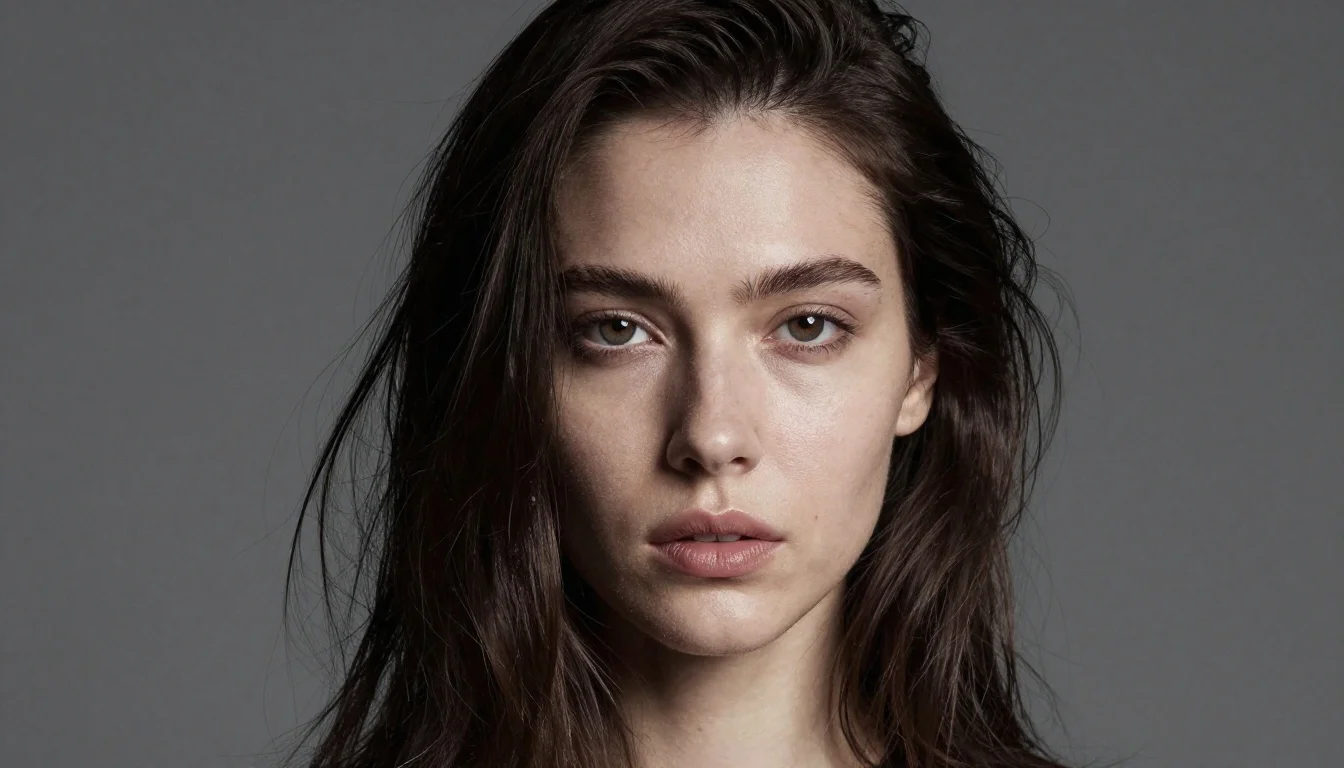
What colors look best in blouses for Cool Winter?
Cool Winter blouses look best in clear, cool, and vivid tones: icy white, icy blue, icy lavender, cool fuchsia, true red (blue-based), royal purple, cool cobalt, true black, deep navy, and charcoal grey. The key quality these colors share is a cool, clear temperature with no warmth or dustiness.
Your Best Blouse Color Families
Icy and Cool Lights
Icy colors are Cool Winter's signature territory. These are light colors that have been stripped of warmth — they're cool, sharp, almost crystalline. An icy white blouse is cleaner and more alive on Cool Winter skin than even the best warm whites. Icy blue creates a beautiful contrast against the natural cool depth of Cool Winter coloring. Icy lavender and icy pink work because their lightness is cool rather than warm. These are not pastels — they're the cool, precise version of lightness.
Cool Jewel Tones
Saturated, cool jewel tones give Cool Winter coloring its most striking chromatic expression. Cool fuchsia — pink-purple rather than warm pink — is one of the most powerful Cool Winter blouse colors. True red with a blue base (not orange-based) is a classic Cool Winter statement. Royal purple and cool cobalt provide vivid, unmistakably cool impact. These colors work because their saturation and cool temperature match and amplify Cool Winter's natural qualities.
Deep Cool Darks
Dark, cool colors anchor the Cool Winter wardrobe. True black is the ultimate Cool Winter neutral — its cool starkness pairs perfectly with your undertone. Deep navy and charcoal grey provide depth without the drama of black and are particularly useful for professional contexts. Cool dark plum is one of the most elegant evening blouse options for Cool Winter. Dark cool teal sits at the edge of your palette — vivid enough to be interesting, cool enough to work.
Crisp Cool Neutrals
Cool neutrals form the practical backbone of a Cool Winter blouse wardrobe. Bright white is your best white — clean, crisp, and cool. Cool light grey is an excellent alternative to white for situations where you want less contrast. Silver and light icy grey have a cool metallic or frosted quality that works beautifully in blouse context. These neutrals pair with all your jewel tones and darks to create complete, cohesive outfits.

Ready to see icy white & icy blue on your face?
Start my color analysisHow to Style Cool Winter Blouses
The foundational blouse formula
Cool Winter's most reliable blouse formula is: cool, vivid or deep color near the face, cool neutral below. A cool fuchsia or royal purple blouse with black or charcoal trousers creates a polished, intensely Cool Winter look. For a more restrained approach, an icy blouse against deep navy creates the cool, clear contrast that is the season's signature aesthetic.
Professional settings
For work, Cool Winter blouses in true navy, cool charcoal, royal purple, or clear icy white are all excellent. A deep navy silk blouse under a black blazer is the Cool Winter professional standard — cool, precise, and authoritative. Icy white is your best crisp blouse for formal meetings. Avoid warm business-casual staples like camel, warm ivory, and dusty pink, which are not in your palette.
Monochromatic cool dressing
Cool Winter can create particularly striking monochromatic looks because your palette includes a wide range of cool tones at different values. An icy blue blouse with deep navy trousers is a monochromatic cool look that layers depth beautifully. Black blouse with dark charcoal trousers is understated but powerful. These tonal looks work because all elements stay in the same cool temperature.
Evening and special occasions
For evenings, Cool Winter blouses in silk or satin in cool fuchsia, deep plum, or true red are genuinely spectacular. The cool jewel tones in luxury fabric amplify your natural clarity and contrast. Black satin is always appropriate and always strong. True red — the blue-based version — is one of the most classically Cool Winter evening statements.
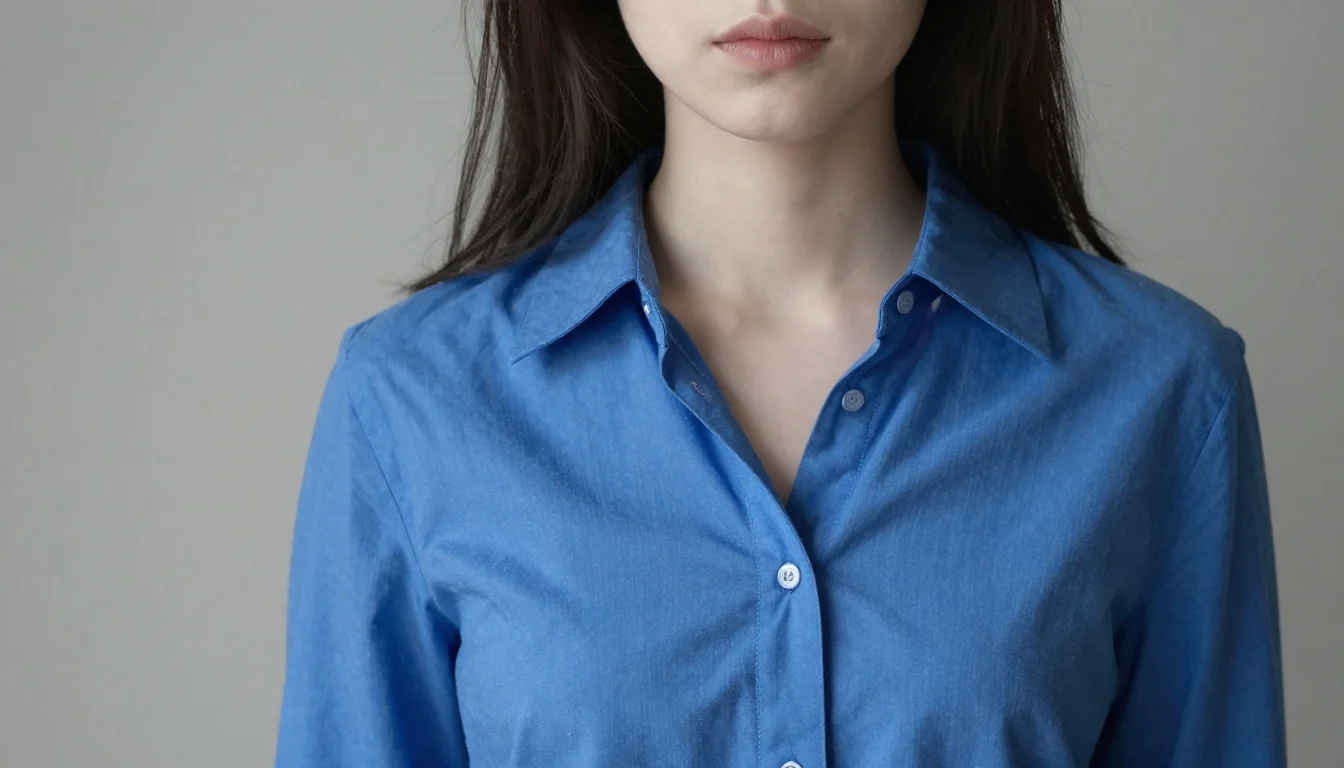
Blouse Colors That Work Against Cool Winter
Warm and golden tones
Gold, warm camel, terracotta, orange, and warm yellow are fundamentally warm colors that clash directly with Cool Winter's pronounced cool undertone. Against your skin, they create a sallow or yellow-looking effect — the warmth of the color emphasizes any warmth in the skin rather than its cool clarity. These are beautiful colors for warm seasons; they are not yours.
Dusty and muted shades
Dusty rose, muted mauve, soft sage, and greyed blues belong to summer palettes — they have warmth and softness mixed into their muted quality. On Cool Winter coloring, they look flat and draining. Your palette needs the clear, saturated version of colors, not the dusty-greyed interpretation. A clear cool fuchsia rather than a dusty mauve is always the right choice.
Warm browns and earth tones
Chocolate brown, cognac, warm khaki, and olive are autumn palette colors. They have a warmth that is fundamentally at odds with Cool Winter's coolness. Near your face in blouse form, they reduce your natural clarity and make your skin tone look muddier rather than luminous. If you want a neutral blouse, cool charcoal or slate is the correct equivalent.
Warm coral and orange-based pinks
Warm coral, salmon, and orange-based pinks look like the right pink family on the surface but are too warm for Cool Winter. Your pinks need to lean toward the blue-pink end of the spectrum — cool fuchsia, cool rose, and icy pink. Warm coral in particular introduces orange warmth that creates a visible temperature clash with your cool undertone.
Stop guessing — preview every look on you
See these looks on my photoBlouse Color Swaps for Cool Winter
Trading the colors that dull Cool Winter for ones that sharpen it.
Warm ivory introduces yellow undertone that sits uncomfortably against Cool Winter skin. Bright white is clean and cool. Icy grey provides a softer alternative that stays in your cool palette.
Dusty rose is muted and warm — two qualities that dilute Cool Winter's clarity. Cool fuchsia gives you true pink presence. Icy pink provides the light, cool alternative without any warmth.
Warm metallics like gold and bronze introduce warmth that clashes with Cool Winter. Cool fuchsia and deep plum in satin achieve the same richness and evening impact with colors that genuinely belong to your palette.
Warm olive and soft sage are autumn/summer territory — warm and muted in different measures. Deep cool teal is the green-adjacent Cool Winter choice. Icy blue is the light, cool alternative.
Warm florals fight Cool Winter temperature throughout. A graphic cool print in your palette colors creates the bold, precise look that Cool Winter excels at.
Dusty blue is summer's version of blue — muted and slightly warm. Icy blue is the cool, crisp Cool Winter version. Clear cobalt is vivid and cool — entirely different in effect.
Your Season Within the Winter Family
Cool Winter is the most purely cool of the three winter seasons. Knowing where you sit helps you work the edges of your palette with confidence.
Cool Winter
Learn moreA very pronounced cool undertone — skin that reads as pink, blue-based, or ash, with similarly cool hair and eyes — is the hallmark of Cool Winter. You may have medium depth rather than very dark coloring. Your best blouse colors lean maximally cool, and even slightly warm versions of colors will feel off.
Deep Winter
Learn moreIf you share Cool Winter's cool temperature but your natural coloring has noticeably more depth and darkness — very dark hair, deep brown eyes — Deep Winter may be a closer match. Deep Winter shares the cool quality but can handle darker, richer tones more easily than purely cool types.
Cool Summer
Learn moreIf Cool Winter feels right in temperature but the highest-contrast and most vivid colors feel too intense, you may sit on the Cool Winter–Cool Summer border. Cool Summer shares the cool undertone but operates at lower contrast and softer saturation. A personalized analysis will identify where on this continuum you sit.
Find Your Exact Cool Winter Blouse Palette
Cool Winter is defined by clarity, coolness, and precision. When your blouse colors match those qualities, your natural coloring looks its most polished and alive. The specific cool tones that work best for you within the Cool Winter range depend on your exact skin undertone depth, hair color, and eye characteristics. A personalized color analysis identifies your precise palette so you can shop with complete confidence.
Stop guessing — preview every color on you
Preview Yourself In Your Palette
Get my personalized paletteStop guessing — preview every color on you
Preview Yourself In Your Palette

Related Guides for Best Blouse Colors for Cool Winter
Explore more personalized color advice based on your features.
Want to see these colors on you? What Colors Look Good on Me — free to try.
Frequently Asked Questions About Best Blouse Colors for Cool Winter
What colors look best in blouses for Cool Winter?
Cool Winter blouses look best in clear, cool, and vivid tones: icy white, icy blue, icy lavender, cool fuchsia, true red (blue-based), royal purple, cool cobalt, true black, deep navy, and charcoal grey. The key quality these colors share is a cool, clear temperature with no warmth or dustiness.
Can Cool Winter wear pink blouses?
Yes — but the pink must be cool-toned. Cool fuchsia, icy pink, and cool rose all work well. Avoid warm pinks like salmon, coral, and peach, which have too much warmth. The test is whether the pink leans toward blue-purple or toward orange-yellow — Cool Winter pinks always lean blue.
What is the difference between Cool Winter and Bright Winter blouse colors?
Cool Winter blouse colors are cool and precise — icy lights, clear jewel tones, and cool darks. Bright Winter blouse colors are more intensely saturated, clear, and high-contrast — vivid brights like electric blue, true turquoise, and sharp emerald. Cool Winter's palette is elegant and cool; Bright Winter's is bold and vibrant. Both are cool, but Bright Winter pushes toward maximum saturation.
What neutrals work best as blouses for Cool Winter?
Cool Winter's best neutral blouses are bright white, cool light grey, icy grey, silver, charcoal, and true black. Avoid warm neutrals like cream, ivory, camel, and warm beige — their warm undertone creates a clash with your cool skin tone. In terms of impact, black is your most powerful neutral, and bright white creates the sharpest contrast.
Can Cool Winter wear red blouses?
Yes — true red is a strong Cool Winter color, but it must be a blue-based red rather than an orange-based red. Blue-based reds lean toward cool cherry, cool crimson, or blue-red. Orange-based reds lean toward tomato, warm scarlet, and coral — these are spring and autumn colors. The right red for Cool Winter has a cool clarity that aligns with your undertone.