Best Blazer Colorsfor Pale Skin
Pale skin needs blazer colors that create structure and contrast without overwhelming. Discover how to find the colors that actually flatter your coloring.
Pale skin is high-reflectivity — it picks up color temperature from nearby fabric more readily than medium or deep complexions. This means the wrong blazer color doesn't just look unflattering in a vague way; it actively changes how your skin appears, making it look pinkish, yellowish, grey, or simply washed-out. The good news: pale skin also responds dramatically to the right colors, which create a porcelain-bright, luminous quality that deeper complexions can't achieve in the same way. The key is understanding contrast and temperature.


3,000+
happy clients
Why Blazer Color Matters More for Pale Skin
Pale skin is high-reflectivity — it picks up color temperature from nearby fabric more readily than medium or deep complexions. This means the wrong blazer color doesn't just look unflattering in a vague way; it actively changes how your skin appears, making it look pinkish, yellowish, grey, or simply washed-out. The good news: pale skin also responds dramatically to the right colors, which create a porcelain-bright, luminous quality that deeper complexions can't achieve in the same way. The key is understanding contrast and temperature.
Pale skin reflects rather than absorbs the color temperature of clothing near it. When you wear a warm blazer next to pale, cool-undertoned skin, the contrast between the warm color and the cool skin is immediate and sometimes unflattering. When you wear a cool blazer next to warm-undertoned pale skin, the same conflict occurs in reverse. Understanding your skin's undertone — whether it runs cool-pink, warm-peachy, or neutral — is essential to making the right blazer choice.
The contrast issue is equally important. Pale skin has a naturally light tone, which means very light blazers (cream, pale grey, light tan) create little visual separation between skin and clothing. The result is a low-contrast, blended-together look that can appear washed out. Deeper, more saturated blazer colors create the contrast structure that makes pale skin look intentional and vibrant rather than faded.
Many people with pale skin default to 'safe' neutrals out of caution. But pale skin genuinely benefits from bold color choices — deep jewel tones, vivid saturated shades, and rich darks. These don't overwhelm pale skin; they frame it, creating the contrast that makes fair complexions look their most radiant.
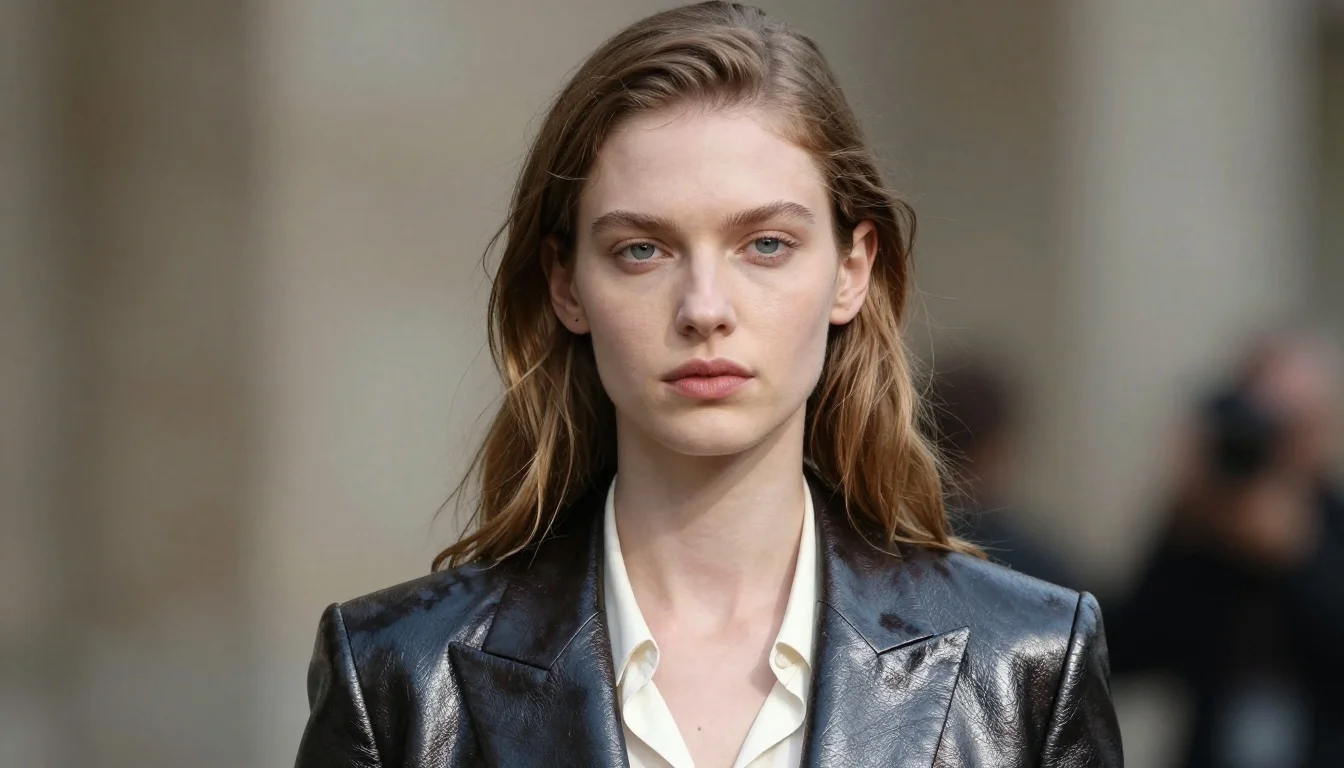
What is the best blazer color for pale skin?
Midnight navy, deep charcoal, rich emerald, and deep burgundy are consistently the strongest blazer colors for pale skin. They all create genuine contrast against fair complexions without overwhelming them. Navy is the most universally reliable — it works across all pale skin undertones and every professional context.
Your Most Flattering Blazer Colors
Deep Navy and Midnight Blue
Navy is the single most universally flattering blazer color for pale skin. Its depth creates strong contrast against fair complexions while its cool-neutral temperature works across pink, warm, and neutral undertones. Midnight navy is the deepest and most authoritative; French navy is slightly warmer. Deep cobalt is a bolder choice that works best on pale skin with cool undertones.
Rich Jewel Tones
Saturated jewel tones create vivid, beautiful contrast against pale skin. Emerald is particularly striking — the green-richness against fair skin looks intentionally elegant. Sapphire brings the same depth with blue temperature. Rich teal works for skin with neutral undertones. These colors photograph beautifully on pale complexions: the contrast between vivid jewel and fair skin reads as luminous rather than stark.
Deep Charcoal and Black
Charcoal and black create the maximum contrast available and work across all pale skin undertones. Black can be stark on very fair, rosy skin — charcoal softens this slightly while maintaining the same depth. Both look clean, polished, and intentional on pale complexions. If you have warm-undertoned pale skin, charcoal is usually preferable to stark black.
Rich Plum and Burgundy
Burgundy and plum add warmth and richness to pale skin — they look sophisticated in professional contexts and genuinely beautiful at the neckline against fair complexions. Deep burgundy is the most versatile and works across undertone temperatures. Rich plum is more purple-leaning and particularly flattering on pale skin with cool or neutral undertones.

Ready to see midnight navy & french navy on your face?
Start my color analysisHow to Style Blazers for Pale Skin
Professional dress
Midnight navy with a white or pale blue shirt is the gold-standard professional combination for pale skin. It's authoritative, clean, and the contrast structure is immediately polished. Deep charcoal is equally strong and works across more shirt colors. For creative or client-facing environments, emerald or sapphire blazers over a white shirt are genuinely striking on pale complexions.
Smart-casual styling
Rich plum or deep emerald over a simple white tee creates the perfect smart-casual combination for pale skin. The depth of the blazer provides structure while the casual underpiece keeps it relaxed. Burgundy over black or dark denim also works beautifully — the warmth of burgundy prevents pale skin from looking stark against the dark base.
Building contrast
For pale skin, the blazer is often the most important piece for building contrast. Layer over a white or light shirt so the shift in value from shirt to blazer to skin creates visual depth. Avoid layering dark blazer over dark shirts if the shirt is similar in depth — you lose the contrast structure that makes pale skin look its best.
Occasion dressing
Rich jewel tones in satin or velvet fabrics look exceptional on pale skin at evening events. Sapphire, emerald, or deep teal blazers in evening fabrics photograph dramatically against fair complexions. Pair with simple dark trousers — let the blazer color do the work.
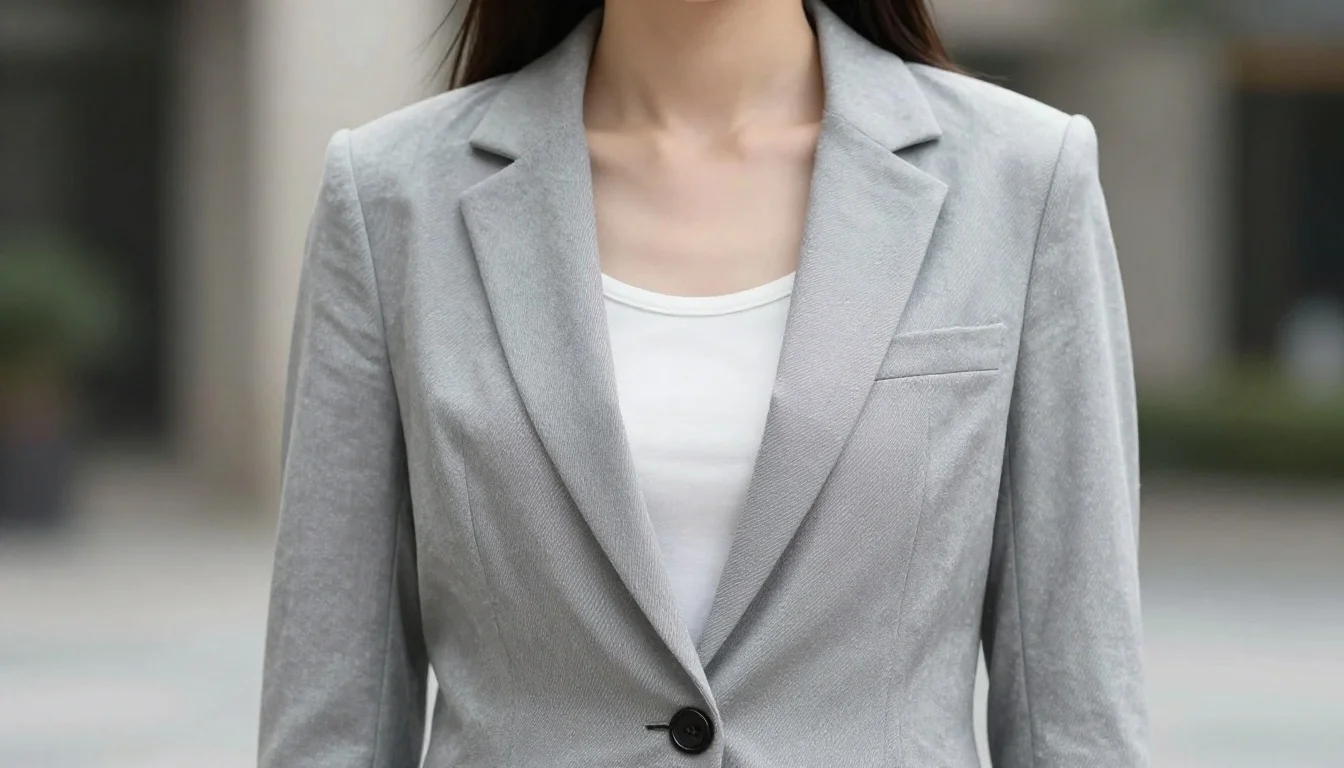
Blazer Colors That Wash Out Pale Skin
Pale grey and cool silver
Light grey sits too close in value to pale skin, creating a washed-out monochromatic effect with no structure. Cool silver is worse — it reflects light back onto pale skin in a way that looks chalky and draining. Deep charcoal is the pale-skin alternative that works.
Nude, light tan, and warm beige
Pale peachy-beige shades blend directly into pale skin rather than framing it — the effect is that the blazer 'disappears' and skin looks like it has no boundary. Warm tans pull yellow undertones out of pale skin with pink undertones, creating a sallow effect.
Orange and warm rust
Orange creates a sharp, unflattering clash with pale skin that has cool or neutral undertones. Even on warm-undertoned pale skin, orange tends to overwhelm fair complexions. Deep terracotta or burgundy achieves warmth without the orange conflict.
Warm yellow and mustard
Yellow near pale skin — especially with pink or cool undertones — creates a sallow, jaundiced effect that is hard to counteract. The yellow temperature conflicts sharply with the pink-cool quality of many fair complexions. Chartreuse and warm yellow-greens have the same problem.
Stop guessing — preview every look on you
See these looks on my photoBlazer Swaps That Create Contrast for Pale Skin
Trading the colors that disappear against pale skin for ones that create structure.
Light grey creates zero contrast against pale skin and disappears. Navy and charcoal provide the depth contrast that makes fair complexions look polished.
Beige and nude blend into pale skin without framing it. Emerald creates vivid, intentional contrast that makes fair skin look luminous.
Warm tan risks sallow undertones against pale skin. Burgundy and plum add warmth without yellow conflict and have the depth to create real contrast.
Yellow creates sallow-looking contrast with pale pink skin. Sapphire and cobalt create vivid, flattering contrast — pale skin can carry vivid colors beautifully.
Champagne disappears against pale skin in evening settings. Emerald or violet create the dramatic contrast that looks deliberately beautiful on fair complexions.
Which Color Season Fits Pale Skin?
Pale skin spans multiple seasonal palettes — your undertone and natural contrast level determine your exact season and the precise range of blazer colors that work for you.
Cool Winter
Learn moreIf your pale skin is very fair with cool or blue-pink undertones, your hair is dark (or distinctly cool), and you have high natural contrast, Cool Winter may be your season. Your blazer palette is cool and vivid: icy cobalt, bright navy, cool emerald, sharp jewel tones. You can carry intensity that most pale-skin types can't.
Cool Summer
Learn moreIf your pale skin has soft pink or neutral-cool undertones and your overall coloring is soft and low-to-medium contrast rather than stark, Cool Summer fits best. Your blazer palette is cool and muted: dusty navy, soft teal, muted plum, and dusty rose. Vivid saturation works less well than it does for Cool Winter.
Light Spring
Learn moreIf your pale skin has a warm, peachy quality rather than cool-pink, and your overall coloring is light and bright rather than deep or muted, Light Spring may be your season. Your blazer palette stays light and warm: peach, warm coral, light camel, and clear warm blues. Deep and cool colors can feel heavy.
Find Your Exact Blazer Colors
Pale skin responds more visibly to blazer color choices than any other complexion type — the right shade creates genuine luminosity, and the wrong one creates a washed-out flatness that no amount of tailoring can fix. Your exact best blazer colors depend on whether your pale skin runs cool, warm, or neutral, and how much contrast your hair and eyes bring to your overall coloring. A personalised color analysis identifies your season precisely, giving you a wardrobe palette of blazer colors that frame your fair skin at its most radiant.
Stop guessing — preview every color on you
Preview Yourself In Your Palette
Get my personalized paletteStop guessing — preview every color on you
Preview Yourself In Your Palette

Related Guides for Best Blazer Color for Pale Skin
Explore more personalized color advice based on your features.
Want to see these colors on you? What Colors Look Good on Me — free to try.
Frequently Asked Questions About Best Blazer Color for Pale Skin
What is the best blazer color for pale skin?
Midnight navy, deep charcoal, rich emerald, and deep burgundy are consistently the strongest blazer colors for pale skin. They all create genuine contrast against fair complexions without overwhelming them. Navy is the most universally reliable — it works across all pale skin undertones and every professional context.
Can pale skin wear black blazers?
Yes — black creates strong contrast that can look very polished on pale skin, especially at night or in formal contexts. If stark black feels too harsh against very fair, rosy skin, deep charcoal achieves the same depth with slightly softer contrast. The key is ensuring you have color at your neckline (a shirt, scarf, or jewelry) to break the stark pale-skin-to-black-collar transition.
What blazer colors wash out pale skin?
Light grey, nude, pale beige, warm tan, and champagne are the most common blazer colors that wash out pale skin. They share the problem of being too close in tone to fair complexions, creating low-contrast looks where the blazer blends into the skin rather than framing it. Yellow and orange also create unflattering contrasts with most pale complexions.
Can pale skin wear a white blazer?
A white blazer on pale skin depends heavily on undertone. If you have warm-undertoned pale skin, off-white or ivory creates a clean, flattering look. If you have cool-undertoned pale skin, stark white can wash out the face — pair it with vivid accessories or a bold inner layer to add contrast near the face. In general, very pale neutrals work better as a base than as the statement piece.
Does pale skin suit jewel-toned blazers?
Yes — jewel tones are among the most flattering options for pale skin. Deep emerald, sapphire, rich teal, and vivid violet create beautiful contrast against fair complexions and photograph particularly well. Pale skin has an advantage with vivid colors: the contrast between saturated jewel tones and a fair complexion reads as luminous and intentional rather than overwhelming.