Why You Look Betterin Some Colors
Ever wondered why certain colors make you glow while others make you look tired? Discover how to find the colors that actually flatter your coloring.
You have probably experienced it: you put on one shirt and look alive, put on another and look tired before you have even started your day. This is not coincidence or imagination. There is a precise science behind why certain colors work with your natural coloring and others actively work against it. Understanding it changes how you shop forever.


3,000+
happy clients
The Science Behind Why Colors Affect Your Appearance
You have probably experienced it: you put on one shirt and look alive, put on another and look tired before you have even started your day. This is not coincidence or imagination. There is a precise science behind why certain colors work with your natural coloring and others actively work against it. Understanding it changes how you shop forever.
Every person has undertones — the subtle warm, cool, or neutral hues beneath the surface of your skin. These undertones interact with the colors you wear in a specific way: harmonious colors make your skin look clearer and more luminous, while clashing colors create a contrast that makes you look tired, sallow, or unwell.
Your contrast level matters equally. Contrast is the difference in depth between your hair, eyes, and skin. High contrast coloring — think very dark hair against very fair skin — can handle bold, dramatic colors. Low contrast coloring — soft brown hair, medium skin, brown eyes — looks best in colors that match its natural softness.
When a color 'works' on you, it is because it shares undertone harmony with your skin and matches your natural contrast level. When a color makes you look off, it is usually pulling the wrong undertones out of your skin or overwhelming your features with too much or too little intensity.

Why do some colors make me look tired?
Colors that clash with your skin undertone pull out the wrong pigments, emphasizing shadows, dark circles, and uneven skin tone. A color that clashes with your undertone creates a dull, grey quality in your complexion that reads as tired or unwell.
Colors That Work By Skin Undertone
Warm Undertone Colors
If your skin has golden, peachy, or olive undertones, these warm-based colors share the same underlying warmth. They harmonize with your skin rather than fighting it, making your complexion look more radiant and alive.
Cool Undertone Colors
If your skin has pink, blue, or neutral-cool undertones, these clear, cool-based colors reflect the same quality back at your face. They brighten your skin and make your features look more defined.
Soft/Muted Coloring
For coloring that is naturally soft and blended, saturated colors feel overwhelming. Muted, greyed-down versions of any color work best because they match the subtle quality of your features — they add color without overpowering.
High Contrast Coloring
When your features already have dramatic natural contrast — very dark hair against pale skin, or deep skin with bright eyes — bold, high-contrast colors feel at home. They meet your coloring rather than overwhelming it.

Not sure yet? See it on your face
Start my color analysisHow to Test What Works for Your Coloring
The Draping Test
Hold fabric up to your face in natural light — no makeup. Look for colors that make your skin look clear and defined. Bad colors will make dark circles more visible, add a greyish or greenish cast, or make you look flat. Good colors make you look awake and dimensional.
Warm vs Cool Test
Compare a warm version and cool version of the same color side by side — orange-red vs blue-red, for example. One will immediately look more alive against your skin. That tells you your undertone category.
Saturation Test
Try the same color in a bright, saturated version and a muted, dusty version. If bright versions make you glow, you suit clear colors. If muted versions are more flattering, you need softer tones.
Use It Strategically
Colors closest to your face (tops, scarves, jewelry) have the biggest impact on how you look. Bottoms and shoes matter less. Focus your most flattering shades at the neckline level.
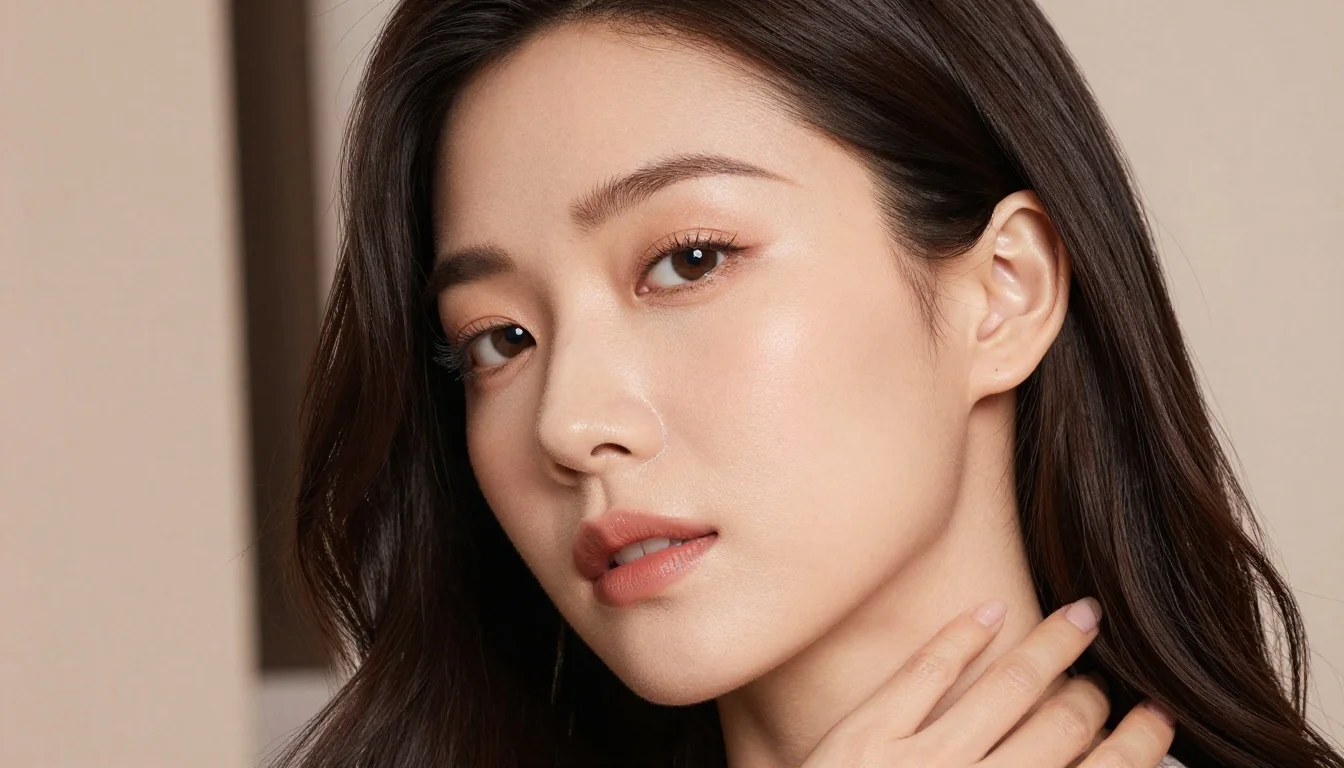
Why These Colors Make You Look Worse
Wrong undertone colors
Wearing a cool color against warm skin — or vice versa — creates a visual conflict. The color pulls the opposing undertone out of your skin, making you look tired, greenish, or washed out.
Too much intensity for low contrast
Putting a very saturated, bold color on someone with soft, low contrast coloring overwhelms their features. The color dominates the face and the person's natural beauty gets lost.
Too muted for high contrast
Pale, dusty colors on someone with vivid, high contrast natural coloring look shapeless and uninspired. The color cannot match the visual energy of their features.
Colors that match your skin tone exactly
Wearing a color too close to your skin tone creates a washed-out, one-note effect. You need some variation — either slightly lighter, darker, or with a different hue — to create definition.
Stop guessing — discover your exact palette
See myself in my colorsSwap Wrong Colors for Right Ones
Simple replacements based on the principle of undertone harmony.
Warm pink harmonizes with golden skin; cool pink creates a washed-out contrast.
Warm mustard clashes with cool undertones; clear cool yellow harmonizes instead.
Saturated colors overpower soft features; muted versions add color without overwhelming.
Soft tones get lost against vivid features; rich, clear colors meet the contrast level.
Brilliant white reads cold against warm skin; cream creates warmth and luminosity.
Pale blue creates a grey cast on olive skin; deeper warm-cool tones harmonize with its complexity.
Which Palette Might Be Yours?
The reason some colors work for you and others do not comes down to your seasonal color palette — a combination of your undertone, depth, and clarity. Here are the most commonly identified types:
Deep Autumn
Learn moreIf warm, rich, earthy colors consistently make you look most alive — terracotta, forest green, camel, chocolate — and cool or bright colors always feel off, you likely belong to the Autumn family.
Cool Winter
Learn moreIf clear, cool, saturated colors energize your face — cobalt, magenta, pure white, icy blue — while warm, muted colors make you look dull, you likely belong to the Winter family.
Soft Summer
Learn moreIf soft, muted, cool-leaning colors are your most flattering — dusty rose, sage, soft blue-grey — and both bright and warm colors feel too harsh, you likely belong to the Summer family.
Know Your Colors for Good
Once you understand why certain colors work for your natural coloring, shopping becomes easier, getting dressed becomes faster, and you stop buying things that never quite feel right. A personalized color analysis gives you your complete palette — not just a direction, but the exact shades that work.
Stop guessing — preview every color on you
Preview Yourself In Your Palette
Get my personalized analysisStop guessing — preview every color on you
Preview Yourself In Your Palette

Related Guides for Why You Look Better in Some Colors
Explore more personalized color advice based on your features.
Want to see these colors on you? What Colors Look Good on Me — free to try.
Frequently Asked Questions About Why You Look Better in Some Colors
Why do some colors make me look tired?
Colors that clash with your skin undertone pull out the wrong pigments, emphasizing shadows, dark circles, and uneven skin tone. A color that clashes with your undertone creates a dull, grey quality in your complexion that reads as tired or unwell.
Is it my skin tone or undertone that determines flattering colors?
Both matter, but undertone is the most critical factor. Two people with the same medium skin tone but different undertones — one warm, one cool — will look best in completely different color families. Undertone harmony is the foundation of flattering color.
How do I know if a color is working for me?
Hold the color up to your face in natural light without makeup. A flattering color will make your skin look even, bright, and clear. An unflattering color will make dark circles more pronounced, add a greyish or yellowish cast, or make your features look flat.
Can I wear colors that do not suit my undertone?
Yes, with adjustment. Wear non-flattering colors away from your face — as bottoms, shoes, or outer layers — and keep your most harmonious colors at neckline level. You can also balance a challenging color with makeup that adds warmth or definition.
Does hair color affect which colors suit me?
Absolutely. Your hair color contributes to your overall contrast level and undertone profile. A blonde with golden hair has a different color story than a blonde with ashy, cool hair, even if their skin tones are similar. Hair color is part of the whole picture.