Colors to Avoid forWarm Undertones
Learn which specific colors clash with warm, golden undertones — and what to wear instead. Discover what to wear instead — and why it works better.
If you have warm undertones — golden, peachy, or yellow-based skin — certain colors will consistently make you look tired, washed out, or sallow, no matter how much you love them on the hanger. The reason is simple: temperature conflict. Your skin radiates warmth, and when you place cool-temperature colors directly against it, the contrast drains your natural glow instead of enhancing it. Knowing which colors to avoid (and what to wear instead) saves you from a wardrobe full of pieces that never quite look right.


3,000+
happy clients
Why Certain Colors Clash With Warm Skin
If you have warm undertones — golden, peachy, or yellow-based skin — certain colors will consistently make you look tired, washed out, or sallow, no matter how much you love them on the hanger. The reason is simple: temperature conflict. Your skin radiates warmth, and when you place cool-temperature colors directly against it, the contrast drains your natural glow instead of enhancing it. Knowing which colors to avoid (and what to wear instead) saves you from a wardrobe full of pieces that never quite look right.
Warm undertones mean your skin has a golden, peachy, or olive-yellow base. This warmth is your skin's dominant visual signal — it's what makes warm metallics, earthy tones, and warm-leaning colors look harmonious against your complexion. When a color shares your skin's warm temperature, it enhances and amplifies your natural glow. When a color is strongly cool-toned, it creates a temperature clash that pulls warmth out of your face.
The draining effect happens because of simultaneous contrast — a perceptual phenomenon where adjacent colors influence how each other appears. A cool, blue-based pink next to warm golden skin makes the skin appear more yellow (sallow) by contrast. An icy blue against warm skin makes the skin look dull and grey. The color itself may be beautiful in isolation, but against warm skin it creates a visual competition that the skin loses.
This doesn't mean you can never wear cool colors. It means you need to understand the specific cool shades that create the most conflict and learn the warm-leaning alternatives within those same color families. There's a warm version of almost every color — the goal is to find it.
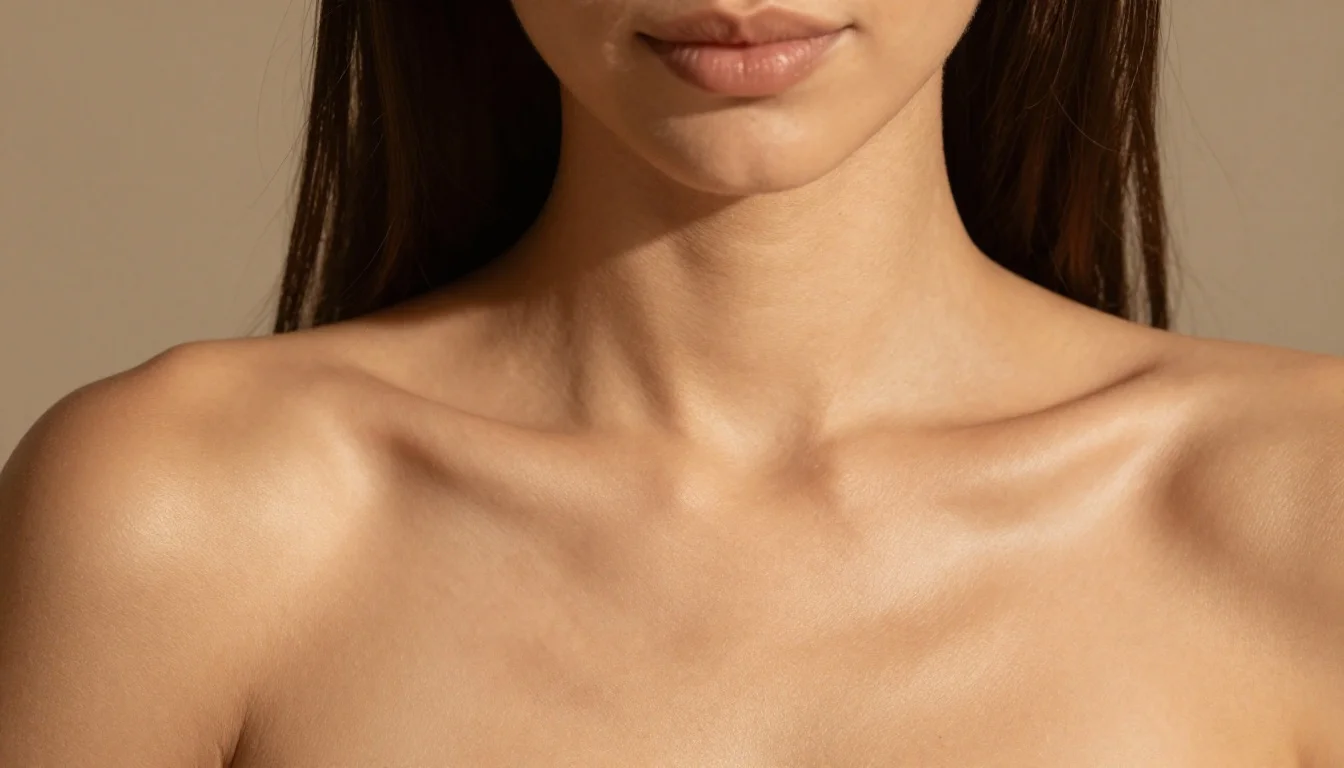
What colors should warm undertones avoid?
Warm undertones should avoid cool pastels (icy pink, baby blue, lavender), blue-based reds (fuchsia, magenta), cool greys, silver tones, and stark pure white. These cool-temperature colors create a contrast against golden skin that makes it look sallow or drained. Replace them with warm-leaning versions of the same color families.
What to Wear Instead: Warm-Friendly Alternatives
Warm Reds and Tomato Tones
Where blue-based reds clash with warm skin, warm reds are among your most powerful colors. Tomato red, warm scarlet, and brick red carry orange and yellow undertones that harmonize beautifully with golden skin. These reds make warm-toned skin glow — they're energizing and flattering simultaneously.
Warm Pinks: Peach, Salmon, and Coral
Cool pinks drain warm skin, but warm pinks illuminate it. Peach, salmon, coral, and apricot all carry yellow or orange undertones that complement golden skin perfectly. These are the pinks that make warm-toned people look healthy and radiant — the difference between a cool pink and a warm pink on warm skin is dramatic.
Rich Earth Tones and Warm Neutrals
Earth tones are warm skin's natural neutral territory. Camel, warm tan, cognac, and warm cream all share the golden-yellow base of warm undertones, making them look effortless and harmonious. These are reliable alternatives to the cool greys and stark whites that create temperature conflict.
Warm Greens: Olive, Moss, and Chartreuse
Where mint and cool sage clash with warm skin, olive, moss, and warm sage are deeply flattering. These greens carry warm yellow undertones that harmonize with golden skin. Chartreuse — the yellow-green that many people shy away from — is actually one of the most uniquely flattering colors for warm undertones.

Ready to see tomato red & scarlet on your face?
Start my color analysisHow to Navigate Tricky Colors With Warm Undertones
When you love pink
If you're drawn to pink but have warm undertones, the fix is simple: shift from cool pink to warm pink. Swap icy pink for peach, cool rose for salmon, magenta for warm coral. The color family stays the same — what changes is the undertone. Warm pinks carry a yellow or orange base that harmonizes with warm skin, giving you the pink effect without the draining contrast.
When you need to wear grey
Cool grey may not flatter warm skin, but warm grey does. Look for greys with a taupe, greige, or brownish cast — these carry enough warmth to work with golden undertones. Alternatively, wear cool grey below the waist (where it doesn't interact with your face) and keep warm tones near your face. Dark charcoal is also more neutral than medium cool grey.
When you want to wear blue
Not all blue is off-limits for warm undertones — just the icy, cool-leaning blues. Teal, warm turquoise, warm periwinkle, and blue-green shades all carry enough warmth to work with golden skin. The blue you want to avoid is the icy, pure, cool blue with no warmth in it. When in doubt, hold the fabric next to your face — if it makes your skin look alive, it has enough warmth.
When an outfit requires cool colors
If a dress code or event requires cool colors you'd normally avoid, use warm accessories to buffer the effect. A warm scarf, gold jewelry, or warm-toned makeup can create a warm 'frame' around your face even when the clothing is cool. Keeping warm tones closest to your skin and cool tones further away minimizes the draining effect.
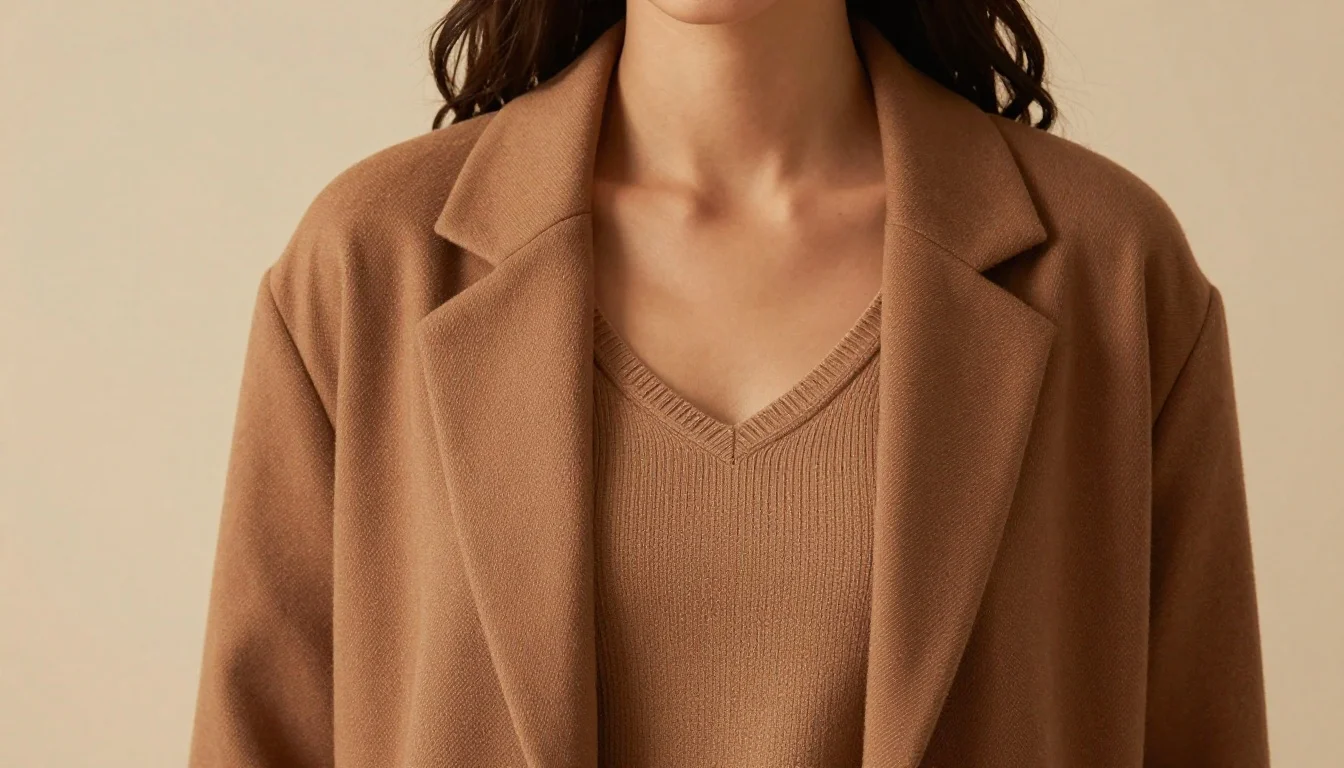
Colors That Clash With Warm Undertones
Cool pastels: icy pink, baby blue, lavender
Cool pastels are the most common warm-undertone trap. Icy pink, baby blue, and lavender all carry blue or purple undertones that create a stark temperature contrast against golden skin. The result is a washed-out, sallow appearance — your skin looks yellower and duller by contrast. These colors pull warmth out of your face instead of enhancing it.
Blue-based reds: fuchsia, magenta, cool cherry
Not all reds are equal for warm skin. Blue-based reds — fuchsia, magenta, cool cherry, and wine with purple undertones — clash with golden undertones because their cool base fights your skin's warmth. The result is a jarring visual disconnect where neither the color nor the skin looks its best. Switch to warm reds (tomato, scarlet, brick) for the same impact without the clash.
Cool grey and silver tones
Cool grey is essentially a desaturated blue — it carries cool undertones that create a draining effect against warm skin. Silver jewelry, cool grey clothing, and blue-grey tones all make warm skin look lifeless. This is why warm-toned people intuitively gravitate toward gold over silver — gold harmonizes, silver competes.
Stark white and pure white
Pure, cool-toned white (with a blue or grey undertone) can make warm skin look sallow by contrast. The extreme coolness of stark white against warm golden skin emphasizes any yellow in the complexion in an unflattering way. Warm white, cream, and ivory are far more harmonious — they share the warmth of your skin instead of fighting it.
Stop guessing — preview every shade on you
See myself in my colorsTemperature-Correcting Swaps
Replace cool-toned clashes with warm-toned harmony.
Cool pink drains warmth from golden skin. Peach and salmon carry the same freshness with a warm undertone that enhances your natural glow.
Cool grey makes warm skin look sallow. Warm taupe provides the same neutrality with a golden undertone that complements warm coloring.
Blue-based pinks and reds compete with warm skin. Warm coral and tomato red harmonize with golden undertones and create a vibrant, flattering effect.
Cool white against warm skin emphasizes sallowness. Warm cream creates a softer, more harmonious base that lets your skin look healthy.
Icy blue creates the most dramatic temperature clash for warm skin. Teal and turquoise are warm-leaning blues that flatter golden undertones beautifully.
Silver is a cool metal that competes with warm skin. Gold and rose gold harmonize with golden undertones — this is why warm-toned people consistently look better in gold jewelry.
Warm-Undertone Seasonal Palettes and Their Avoid Lists
All warm-undertone seasonal palettes share the same core avoid list — cool pastels, icy tones, blue-based reds, and cool greys. But the specific intensity and depth of the colors you should avoid (and what to wear instead) varies by your seasonal palette. Knowing your season narrows the advice from 'wear warm colors' to the precise warm shades that flatter you most.
Warm Autumn
Learn moreWarm autumns are most drained by icy pastels, cool pinks, and pure white. Your palette is rich, earthy, and muted — anything cold and bright will feel visually disconnected. Stick to warm earth tones, muted golds, rich olive, and warm rust for the most harmonious effect.
Warm Spring
Learn moreWarm springs are drained by icy tones and cool muted shades alike. Your palette is warm, bright, and clear — you need colors with warmth AND vibrancy. Cool pastels look lifeless on you, but so do very muted, dusty tones. Your sweet spot is warm and clear: coral, warm turquoise, bright golden yellow.
Deep Autumn
Learn moreDeep autumns have warm undertones with significant depth. Icy and light cool colors are your worst matches — they look insubstantial and disconnected against your rich coloring. Your alternatives are the deepest warm tones: dark chocolate, rich burgundy, deep olive, and warm espresso.
Find Your Exact Warm-Friendly Palette
Knowing you have warm undertones is the first step — knowing your exact seasonal palette tells you precisely which warm shades are most flattering. A personalized color analysis identifies not just your temperature but your depth and clarity, giving you a curated list of colors that will always make your warm skin glow rather than drain.
Stop guessing — preview every color on you
Preview Yourself In Your Palette
Get my personalized paletteStop guessing — preview every color on you
Preview Yourself In Your Palette

Related Guides for Colors to Avoid for Warm Undertones
Explore more personalized color advice based on your features.
Want to see these colors on you? Skin Undertone Test — free to try.
Frequently Asked Questions About Colors to Avoid for Warm Undertones
What colors should warm undertones avoid?
Warm undertones should avoid cool pastels (icy pink, baby blue, lavender), blue-based reds (fuchsia, magenta), cool greys, silver tones, and stark pure white. These cool-temperature colors create a contrast against golden skin that makes it look sallow or drained. Replace them with warm-leaning versions of the same color families.
Can warm undertones wear blue?
Yes — but choose warm-leaning blues. Teal, turquoise, warm periwinkle, and blue-green shades all carry enough warmth to complement golden skin. Avoid icy blue, powder blue, and very cool royal blue, which create temperature conflict. The test is simple: hold the blue near your face and see if your skin looks alive or drained.
Why does silver jewelry look wrong on warm undertones?
Silver is a cool-toned metal that creates temperature contrast against warm, golden skin. This contrast makes the skin appear more yellow and less vibrant by comparison. Gold and rose gold harmonize with warm undertones because they share the same warm base — this is why the 'gold or silver' test is one of the quickest ways to identify undertone.
Can warm undertones wear pink?
Absolutely — warm pinks are some of the most flattering colors for warm undertones. The key is choosing pinks with a warm base: peach, salmon, coral, apricot, and warm rose. Avoid cool pinks with blue or purple undertones (icy pink, fuchsia, magenta). The difference between a warm pink and a cool pink on warm skin is dramatic.
What is the best white for warm undertones?
Warm white, cream, and ivory are the most flattering whites for warm undertones. These carry a slight yellow or golden base that harmonizes with warm skin. Pure stark white (which has a cool, blue-grey cast) can make warm skin look sallow by contrast. The warmer the white, the more harmonious it will look against golden skin.