Colors to Avoid forCool Undertones
Discover which colors clash with cool, pink-blue undertones. Discover what to wear instead — and why it works better.
Cool undertones — skin with a pink, blue, or rosy base — have a fundamentally different relationship with color than warm undertones. Where warm skin glows in earth tones and golden hues, cool skin is illuminated by colors with a blue or pink base and drained by colors with a strong yellow or orange base. The clash isn't subtle: warm earth tones against cool skin create a muddy, sallow effect that can age you and make you look unwell. Understanding which colors to avoid frees you from the frustration of wearing 'universally flattering' colors that somehow never flatter you.


3,000+
happy clients
Why Warm Colors Clash With Cool Skin
Cool undertones — skin with a pink, blue, or rosy base — have a fundamentally different relationship with color than warm undertones. Where warm skin glows in earth tones and golden hues, cool skin is illuminated by colors with a blue or pink base and drained by colors with a strong yellow or orange base. The clash isn't subtle: warm earth tones against cool skin create a muddy, sallow effect that can age you and make you look unwell. Understanding which colors to avoid frees you from the frustration of wearing 'universally flattering' colors that somehow never flatter you.
Cool undertones mean your skin's base pigment leans pink, blue, or neutral-cool. This cool base is what makes silver jewelry look natural against your skin, what makes blue-based reds pop, and what causes warm, orange-based colors to look disconnected and muddy. The underlying mechanism is the same simultaneous contrast that affects warm skin — but in reverse.
When a strongly warm color (camel, cognac, warm olive, orange-based cream) sits next to cool skin, it forces the cool tones in your skin to become more visible — but not in a flattering way. Instead of a healthy rosiness, you get a greyish, ashy quality. The warm color overwhelms the skin's natural coolness, creating a visual dissonance that reads as dullness or fatigue. The stronger the warm undertone in the clothing, the more dramatic the clashing effect.
The solution isn't avoiding all color — it's understanding the temperature axis. For every warm color that clashes with cool skin, there's a cool-leaning version of the same color family that will flatter you. Cool undertones can wear a vast range of colors; the restriction is on the temperature of those colors, not their variety.
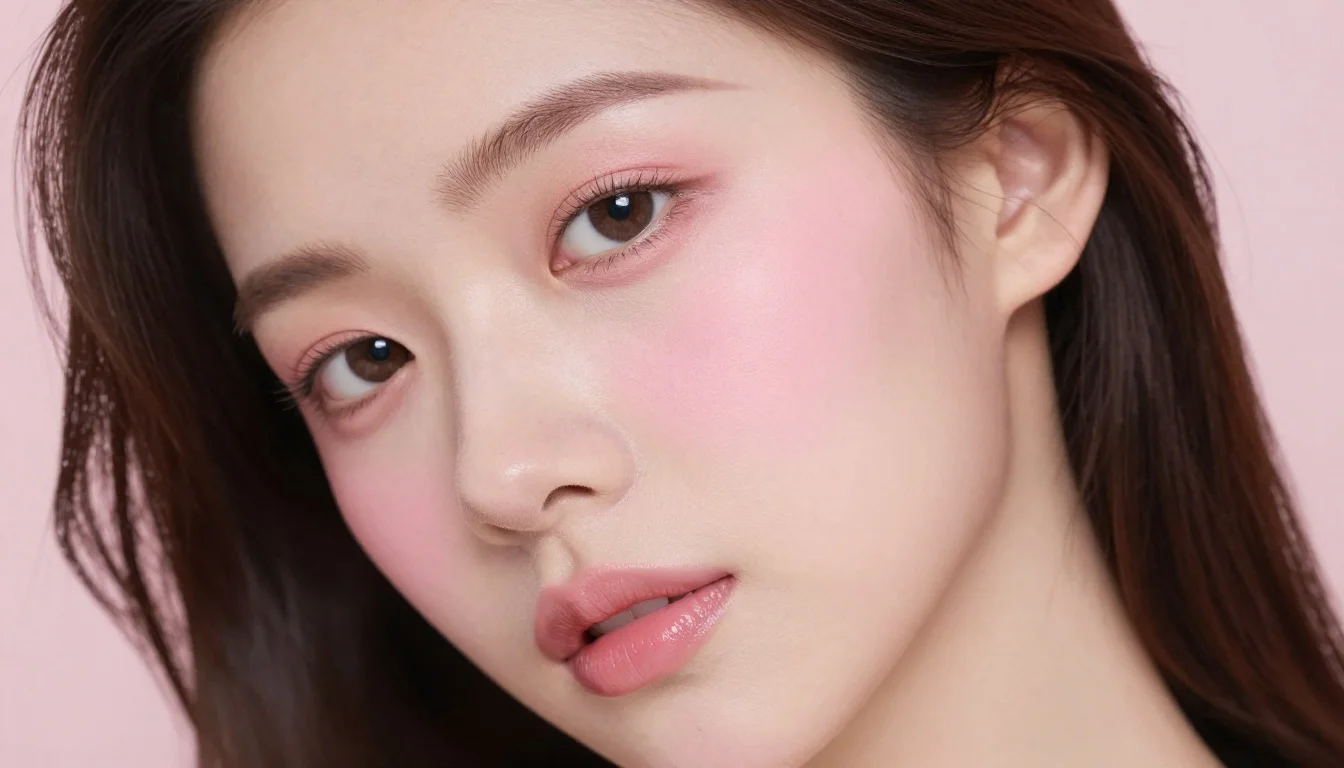
What colors should cool undertones avoid?
Cool undertones should avoid warm earth tones (camel, tan, warm khaki), cognac and warm brown, warm cream and butter yellow, olive green, warm sage, and gold metallics. These warm-temperature colors clash with the pink-blue base of cool skin, creating a muddy, sallow, or ashy effect.
What to Wear Instead: Cool-Friendly Alternatives
Cool Neutrals: Grey, Cool Taupe, and True White
Where warm-toned people thrive in camel and cream, cool undertones shine in cool grey, blue-grey, and pure white. These neutrals share the cool temperature of your skin, creating a seamless, harmonious base. Cool taupe (grey with a hint of mauve rather than yellow) is the cool-undertone equivalent of camel — just as versatile but temperature-correct.
Cool-Based Reds: Berry, Wine, and Cool Cherry
While warm-based reds (tomato, brick) can look disconnected on cool skin, cool reds are electric. Berry, wine, cool cherry, and raspberry all carry blue or purple undertones that amplify the natural rosiness of cool skin. These are the reds that make cool-toned people look vibrant rather than flushed.
Cool Pinks: Rose, Mauve, and Fuchsia
Cool pinks are one of the most flattering color families for cool undertones. Rose, mauve, and fuchsia share the pink-blue base of cool skin, creating an amplifying effect that enhances your natural coloring. Dusty pink provides a softer version that works as a near-neutral for cool-toned wardrobes.
Cool Blues and Blue-Greens
Blue in all its cool-leaning forms is a natural ally for cool undertones. Royal blue, navy, icy blue, and cool teal all harmonize with the blue base of cool skin. These are effortless colors for you — they require no strategic buffering or accessory tricks to look right.

Ready to see grey & blue grey on your face?
Start my color analysisHow to Navigate Tricky Colors With Cool Undertones
When you love brown
Cool undertones can wear brown — but it needs to be the right brown. Look for cool-leaning browns: cocoa, cool espresso, greyish-brown, and rose-brown (brown with a mauve undertone). Avoid cognac, caramel, and anything with a visible orange or yellow cast. Cool brown exists and is genuinely flattering — it just takes intention to find.
When you love earth tones
The cool-toned earth tone palette is often overlooked, but it exists: slate, cool grey, mauve-taupe, dusty plum, pine green, and cool stone. These provide the same grounded, natural feel as warm earth tones but with a cool temperature base. You can build a full 'earthy' wardrobe in cool tones — it just reads more mineral than golden.
When you want to wear warm-looking colors
Some warm-looking colors actually have a cool enough base to work: true red (which is neutral-warm), teal (which is cool-warm), and clear bright yellow (which leans cooler than golden yellow). You can also wear warm colors below the waist where they don't interact with your face — warm-toned pants or shoes won't create the draining effect that a warm top does.
When a trend demands warm tones
If a seasonal trend is heavy on warm earth tones, you can participate by choosing the coolest version of each trending color. When camel is trending, wear cool taupe. When rust is trending, wear burgundy or wine. When olive green is trending, wear pine or emerald. You get the trend spirit without the temperature clash.
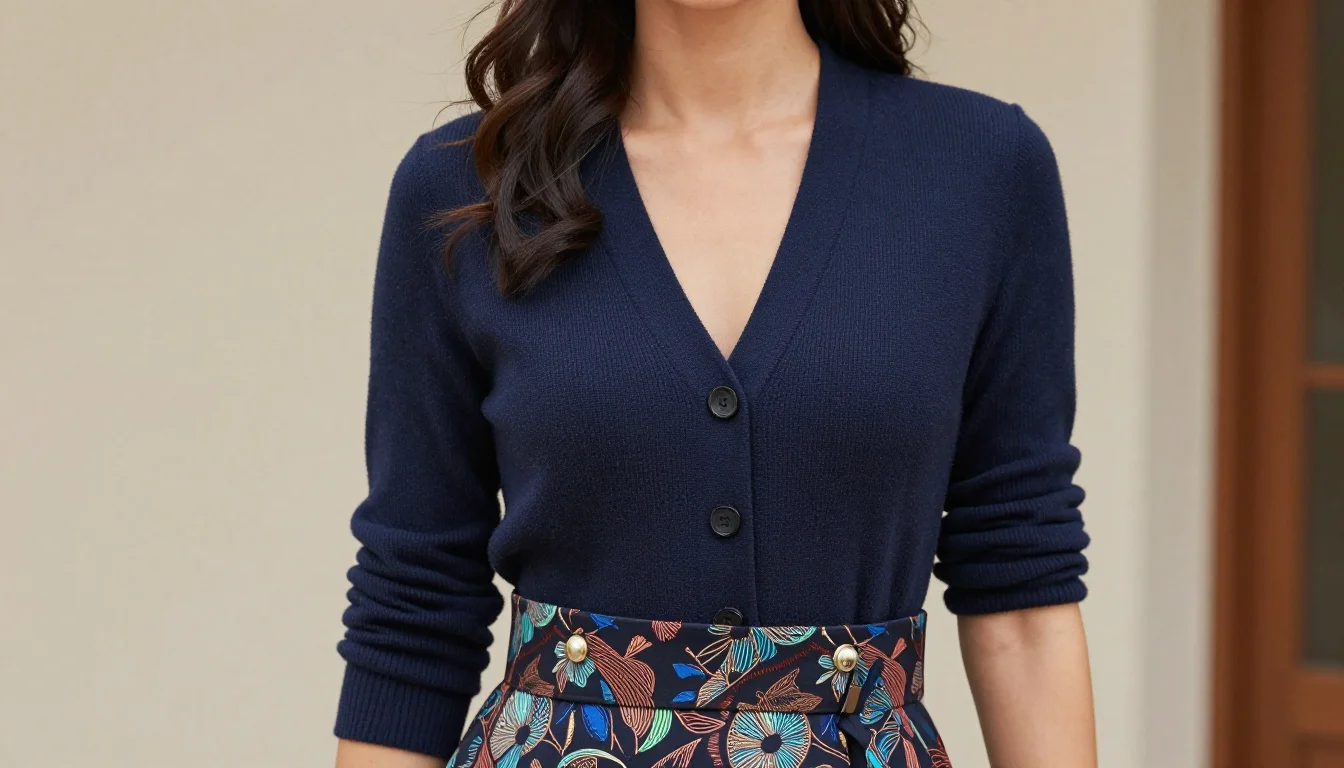
Colors That Clash With Cool Undertones
Warm earth tones: camel, tan, warm khaki
Camel, warm tan, and traditional khaki are among the most common clashing colors for cool undertones. These colors carry a strong yellow-orange base that creates a muddy, sallow effect against pink-blue skin. The contrast doesn't enhance — it drains. Cool-toned equivalents (cool taupe, blue-grey, soft lavender-grey) provide the same neutral versatility without the temperature clash.
Cognac, warm brown, and rust
Cognac leather, warm chocolate brown, and rust are quintessential warm colors that fight cool skin. Their strong orange-brown base makes cool skin look ashy and lifeless. If you love brown tones, look for cool-leaning browns: cocoa with a grey or mauve cast, cool espresso, or taupe-brown. These carry enough coolness to work with your skin.
Warm cream, butter yellow, and gold
Warm cream (with a yellow base) and butter yellow are surprisingly unflattering for cool undertones — they cast a yellow reflection on cool skin that reads as sallow. Gold jewelry and gold-toned metallics create the same disconnect. Replace warm cream with pure white or cool ivory; replace butter yellow with lemon or icy yellow; replace gold jewelry with silver or platinum.
Olive green and warm sage
Olive green is one of the trickiest colors for cool undertones. Its strong yellow-green base clashes with pink-blue skin, often creating a greyish, unwell look. Warm sage has the same issue to a lesser degree. Cool-toned greens — emerald, cool jade, pine, and blue-green — are the flattering alternatives that let cool-toned people wear green beautifully.
Stop guessing — preview every shade on you
See myself in my colorsTemperature-Correcting Swaps for Cool Undertones
Replace warm-toned clashes with cool-toned harmony.
Camel's warm yellow base clashes with cool skin. Cool grey provides the same neutral sophistication with a temperature that harmonizes with pink-blue undertones.
Warm khaki casts a yellow tone against cool skin. Cool taupe has the same casual ease with a mauve-grey undertone that flatters cool coloring.
Cognac leather is one of the warmest neutrals — beautiful on warm skin, disconnected on cool skin. Cool burgundy and grey leather are equally versatile and temperature-correct.
Olive green's yellow undertone fights cool skin. Emerald and pine carry a blue base that harmonizes with cool undertones while delivering the same richness.
Warm cream reflects yellow light against cool skin, creating sallowness. Pure white or icy lavender maintain the lightness without the yellow cast.
Gold's warm tone creates the same temperature conflict against cool skin as warm clothing. Silver and white gold share your skin's cool base and look naturally integrated.
Cool-Undertone Seasonal Palettes and Their Avoid Lists
All cool-undertone seasonal palettes share the core avoid list — warm earth tones, cognac, warm cream, and olive green. But the specific shades to avoid and the best replacements depend on your depth and clarity. A light cool palette (Light Summer) is drained by different specific colors than a deep cool palette (Cool Winter), even though both should avoid warm temperatures.
Cool Winter
Learn moreCool winters are most drained by muted warm tones: camel, warm beige, olive, and any color that feels dusty or golden. Your palette demands clarity and coolness — anything warm and soft looks muddy against your high-contrast cool coloring. Your best replacements are crisp, clear, and cool: pure white, true red, royal blue, and cool fuchsia.
Cool Summer
Learn moreCool summers are drained by both warm and overly bright colors. Warm earth tones look disconnected, but so do neons and very saturated warm colors. Your palette is cool and softly muted — your best colors are dusty rose, cool lavender, powder blue, and soft cool grey.
Bright Winter
Learn moreBright winters can handle more color intensity than other cool palettes, but warm, muted tones are still your enemy. Camel, cognac, warm olive, and dusty warm pastels all look lifeless on you. Your replacements are bold and cool: electric blue, cool magenta, bright emerald, and true black and white.
Find Your Exact Cool-Friendly Palette
Understanding your cool undertone is the foundation — but your exact seasonal palette determines which cool shades are most flattering. A personalized color analysis pinpoints your precise depth and clarity alongside your temperature, giving you a curated palette of colors that will always make your cool skin look radiant rather than washed out.
Stop guessing — preview every color on you
Preview Yourself In Your Palette
Get my personalized paletteStop guessing — preview every color on you
Preview Yourself In Your Palette

Related Guides for Colors to Avoid for Cool Undertones
Explore more personalized color advice based on your features.
Want to see these colors on you? Skin Undertone Test — free to try.
Frequently Asked Questions About Colors to Avoid for Cool Undertones
What colors should cool undertones avoid?
Cool undertones should avoid warm earth tones (camel, tan, warm khaki), cognac and warm brown, warm cream and butter yellow, olive green, warm sage, and gold metallics. These warm-temperature colors clash with the pink-blue base of cool skin, creating a muddy, sallow, or ashy effect.
Can cool undertones wear brown?
Yes — cool-leaning browns. Look for cocoa, cool espresso, rose-brown, and greyish-brown tones. These have enough cool (grey or mauve) undertone to work with cool skin. Avoid cognac, caramel, warm chocolate, and any brown with a visible orange or yellow cast.
Why does gold jewelry look wrong on cool undertones?
Gold is a warm-toned metal that creates temperature contrast against cool, pink-blue skin. This contrast makes gold look disconnected and can make the skin appear greyish by comparison. Silver, white gold, and platinum share the cool temperature of your skin and look naturally integrated — this is why the gold-or-silver test is a quick undertone indicator.
Can cool undertones wear green?
Absolutely — cool-leaning greens are beautiful on cool skin. Emerald, pine, cool jade, teal, and blue-green all carry blue undertones that harmonize with cool skin. The greens to avoid are olive, warm sage, and yellow-green (chartreuse), which carry warm undertones that clash.
What is the best neutral palette for cool undertones?
Cool grey, blue-grey, cool taupe (grey with a mauve cast), pure white, soft black, and navy form the most flattering neutral base for cool undertones. These replace the warm neutrals (camel, warm cream, warm tan) that are standard in many wardrobe guides but don't work for cool skin.