The Right Shade of Redfor Pale Skin
Pale skin and red can be stunning or harsh depending on the shade. Discover how to find the colors that actually flatter your coloring.
Red on pale skin is a relationship with strong opinions on both sides. Done right, it's one of the most striking color combinations possible — the contrast between a fair complexion and a vivid red creates a Snow White effect that photographs beautifully and reads as effortlessly bold. Done wrong, the red washes out the skin, clashes with pink undertones, or looks harsh rather than dramatic. The difference lives entirely in which shade of red you choose. Pale skin is not a monolith — it ranges from cool-pink to warm-neutral to peachy — and the right red depends precisely on where your fair complexion sits on that spectrum.


3,000+
happy clients
Why the Same Red Looks Different on Different Fair Skin Tones
Red on pale skin is a relationship with strong opinions on both sides. Done right, it's one of the most striking color combinations possible — the contrast between a fair complexion and a vivid red creates a Snow White effect that photographs beautifully and reads as effortlessly bold. Done wrong, the red washes out the skin, clashes with pink undertones, or looks harsh rather than dramatic. The difference lives entirely in which shade of red you choose. Pale skin is not a monolith — it ranges from cool-pink to warm-neutral to peachy — and the right red depends precisely on where your fair complexion sits on that spectrum.
Pale skin has one characteristic that makes red especially sensitive: high reflectivity. Fair skin bounces light and color from nearby fabric directly back at the viewer, which means the undertone temperature of a red is amplified far more than it would be on deeper skin. A red with even a slight orange lean can make pink-undertoned pale skin look flushed and ruddy. A red with a cool blue base can make warm-peach pale skin appear washed out. The pale skin doesn't absorb color — it interacts with it.
The other factor is contrast. True pale skin, especially the porcelain variety, has extremely high contrast potential with dark, saturated colors. A vivid, deeply saturated red against very fair skin creates maximum visual impact — dramatic, high-fashion, memorable. But a pale, desaturated or faded red loses the contrast and the entire effect collapses. On pale skin, reds need to be either clearly deep or clearly vivid — the murky middle ground just looks indistinct.
Skin undertone is the decisive variable. Pale skin with cool-pink undertones (veins appear blue-purple, burns easily) needs reds that lean cool or true — berry red, cherry red, blue-based reds. Pale skin with warm-peach or neutral undertones (golden cast, tans somewhat) needs reds that lean warm — tomato, warm crimson, poppy. Getting this wrong is what creates the "clashing" effect people associate with red and fair skin.
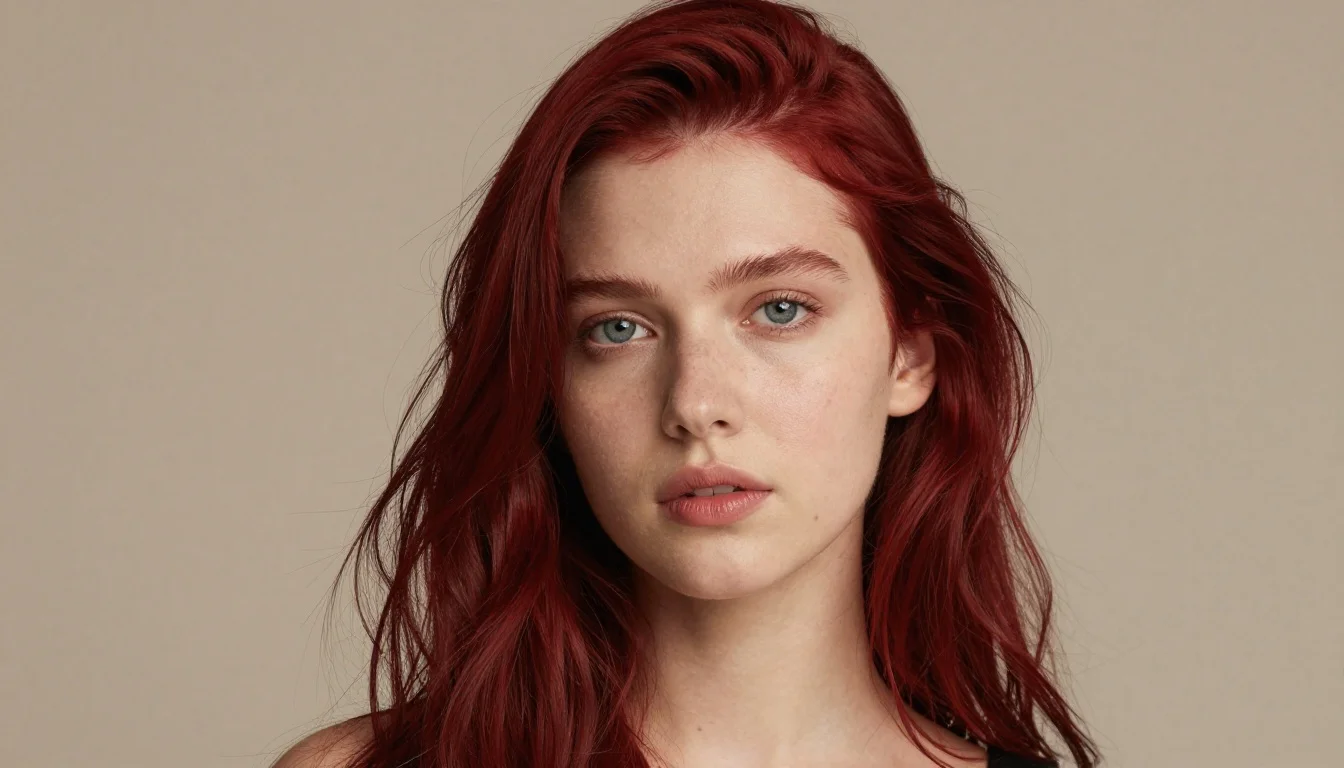
What shade of red is best for pale skin?
True red, cherry red, and crimson are the most universally flattering reds for pale skin. Cool-pale skin with pink undertones looks best in berry red and blue-red. Warm or neutral-pale skin can wear tomato red and warm crimson. Burgundy works beautifully for almost all pale skin tones because its depth neutralizes temperature conflicts.
Your Best Shades of Red
True Red
True red — the classic, balanced red with neither a strong orange nor strong blue pull — is universally flattering for pale skin and the safest place to start. It has enough warmth to avoid the purple-undertone clash on cool pale skin and enough clarity to avoid muddying warm pale skin. Poppy red and cherry red sit in this family: bright, vivid, and balanced. The contrast they create against fair skin is striking and immediate. If you wear one red in your life, make it a true or cherry red.
Berry Red
Berry red — those reds with a blue or cool undertone — is the specific family that works best for pale skin with pink or cool undertones. The cool quality of raspberry and blue-red harmonizes with the cool-pink undertone in fair skin rather than clashing with it. These shades are especially strong on very fair, porcelain skin: the combination of a cool-toned red against distinctly cool fair skin creates a harmonious pairing that feels elegant and deliberate. This is Snow White territory.
Burgundy Red
Burgundy and wine reds are consistently flattering for pale skin at all undertone temperatures because depth tends to neutralize the temperature question. The contrast between deep burgundy and fair skin is dramatic and polished regardless of whether your pale skin runs cool or warm. For evening and professional contexts, burgundy against pale skin is a classic combination. It has the saturation and drama of red with an additional sophistication that comes from its depth.
Crimson
Crimson sits at the ideal intersection for many pale skin tones: warm enough to avoid the blue-toned clash but cool enough to work with pink undertones. Rich crimson has exceptional saturation — exactly what pale skin needs to create maximum contrast without tipping into orange territory. It's dramatic, vivid, and one of the most photographically powerful reds for fair complexions. If you want a red that works in most contexts and for most pale undertones, crimson is the answer.

Ready to see red & poppy red on your face?
Start my color analysisHow to Wear Red on Pale Skin
Daily wear
A cherry or true red top near the face is an instant, high-impact look for pale skin. The contrast is inherent — no special coordination required. Pair with cool neutrals (white, cream, grey, navy) if your pale skin is cool-undertoned, or warm neutrals (ivory, camel, tan) if you run warmer. The most common mistake with red on pale skin is underestimating the impact — a simple red turtleneck or blouse against fair skin already looks like an intentional, striking outfit choice.
Professional settings
Burgundy is the professional power red for pale skin. A wine or deep burgundy blazer with white or cream underneath is authoritative without the boldness of bright red. It reads as polished and intentional rather than attention-seeking. Deep crimson works in more creative professional environments. Avoid terracotta and brick reds in professional contexts on pale skin — they lose the crispness that fair-skinned professionals often want to project.
Evening and occasions
For a dramatic evening look, a deeply saturated crimson or vivid true red is extraordinary on pale skin. In evening lighting, the contrast between a luminous fair complexion and a saturated red creates a striking, memorable look. Choose rich fabrics — silk, satin, velvet — that enhance the depth of the red and the luminosity of pale skin. Cool-pale skin in cool-red at an evening event is as close to Snow White as real life gets. Pair with silver jewelry for cool undertones, gold for warm.
Makeup coordination
When wearing red clothing, pale skin needs a deliberate makeup approach. Cool-red with cool-pale skin pairs well with berry or cool-red lip if you want full commitment, or a nude lip if you want the clothing to be the statement. Warm red with warm-pale skin can handle a warm nude or warm peach lip. Flushed cheeks and red clothing against pale skin can look like too much — use blush selectively. The fair complexion creates its own drama against red.
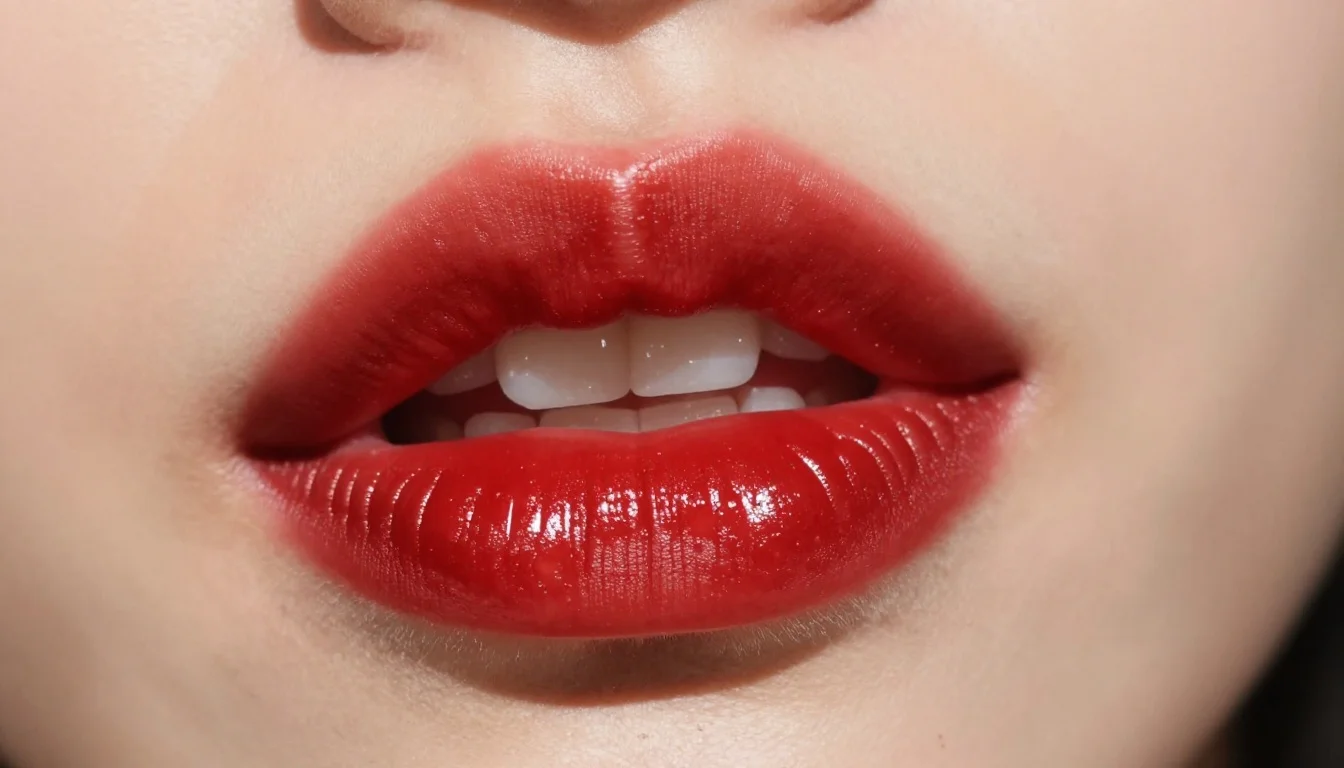
Shades of Red That Clash with Pale Skin
Orange-red
Orange-reds are the most problematic shade for pale skin with pink or cool undertones. The warm orange quality clashes directly with cool-pink fair skin, creating a ruddy or flushed appearance that reads as either too much or as a skin tone mistake. Even pale skin with warm-peach undertones can find pure orange-red too much — it tends to overwhelm rather than complement. Stick to warm red rather than warm-orange-red.
Terracotta red or brick red
Earthy, muted reds — the terracotta and brick family — can make pale skin look sallow or unwell. These shades work brilliantly for olive and tan skin because their earthiness complements warm-toned complexions. On pale skin, the earthy quality reads as muddy rather than rich, and the low saturation fails to create the contrast that fair skin needs to look dynamic.
Faded or washed-out red
Pale, desaturated reds — dusty rose that tips toward red, faded brick — have no visual presence against pale skin. Without saturation or depth, the color blends with the complexion rather than contrasting it, creating a look where nothing stands out. Pale skin and pale red create uniformly light, undefined coloring. Always choose a red with genuine saturation or depth.
Coral-red for cool-undertoned pale skin
Coral-red for pale skin with distinctly cool-pink undertones is an immediate clash: the orange quality of coral conflicts with the cool quality of the skin. For warm or peach-pale skin, coral is more forgiving — but even then, it sits in an uncertain zone between flattering and conflicting. Cool-pale skin should skip coral-red entirely.
Stop guessing — preview every shade on you
See myself in my colorsRed Swaps for Pale Skin
Replacing the reds that clash with pale skin for those that make it glow.
Orange-red clashes with pink undertones in pale skin. True red and cherry red are warm enough without the orange conflict, creating the contrast pale skin needs.
Earthy reds read as muddy against pale skin. Burgundy delivers depth and drama — and the saturation that fair skin requires for a polished professional look.
Pale red on pale skin creates no contrast — everything looks uniformly light. Rich crimson creates the maximum visual impact that pale skin can uniquely deliver.
Coral-red clashes with cool pale skin's pink undertones. Berry red harmonizes with the cool quality of fair skin while staying vivid and warm.
Rust and earthy reds look sallow against pale skin. Vivid true red creates high-contrast drama; burgundy creates polished depth — both work infinitely better.
Muted reds don't provide enough contrast against pale skin to register as impactful accessories. Cherry or wine red makes the color choice feel intentional.
Which Color Season Fits Pale Skin Wearing Red?
Pale skin spans multiple cool and warm seasonal palettes. Which red works best for you depends on where your fair complexion sits within the seasonal system.
Cool Summer
Learn moreCool Summer is the most common seasonal home for pale skin with soft, muted cool undertones. Your best reds are soft and muted versions of berry red — raspberry, cool rose-red, soft burgundy. You can wear red, but your version is more subtle than stark. Avoid very bright or very warm reds.
Cool Winter
Learn moreCool Winter pale skin — very fair with distinct cool or blue-pink undertones and high natural contrast — can handle the most vivid, cool reds of any seasonal type. True red, blue-red, deep cherry, and rich burgundy all sit squarely in your palette. The contrast between very fair skin and a saturated cool red is your visual signature.
Light Spring
Learn moreFair skin with warm-golden or peachy undertones and light, delicate overall coloring may fall in Light Spring. Your reds are warm and clear but never too deep: tomato red, clear poppy, warm cherry. Very dark reds like deep burgundy can overwhelm Light Spring's gentle coloring.
Find Your Exact Shade of Red
Pale skin in the right shade of red is one of the most striking looks in the color-dressing lexicon. The specific shade that works for you — whether that's a cool berry red, a classic cherry, or a deep burgundy — depends on the precise undertone of your fair complexion and how much contrast your overall coloring can carry. A personalized color analysis takes the guesswork out entirely, giving you the exact reds that make pale skin look luminous rather than washed out.
Stop guessing — preview every color on you
Preview Yourself In Your Palette
Get my personalized paletteStop guessing — preview every color on you
Preview Yourself In Your Palette

Related Guides for Best Shade of Red for Pale Skin
Explore more personalized color advice based on your features.
Want to see these colors on you? What Colors Look Good on Me — free to try.
Frequently Asked Questions About Best Shade of Red for Pale Skin
What shade of red is best for pale skin?
True red, cherry red, and crimson are the most universally flattering reds for pale skin. Cool-pale skin with pink undertones looks best in berry red and blue-red. Warm or neutral-pale skin can wear tomato red and warm crimson. Burgundy works beautifully for almost all pale skin tones because its depth neutralizes temperature conflicts.
Does red clash with pale skin?
Only if the wrong shade is chosen. Orange-red and terracotta red clash with cool-pink pale skin. The right reds — true red, cherry, crimson, berry red, burgundy — look stunning on fair skin and create high-contrast drama that is genuinely striking. Red on pale skin is one of the most powerful color combinations when the shade is right.
Can pale skin with pink undertones wear red?
Is burgundy good for pale skin?
Burgundy is excellent for pale skin. The contrast between deep wine-red and fair skin is dramatic and polished, and the depth of burgundy works across most undertone types in pale complexions. It's the most versatile red in the family for pale skin — appropriate for professional settings, evening occasions, and daily wear.
What makeup goes with red clothing on pale skin?
When wearing red with pale skin, keep makeup balanced. If you want full color commitment, a matching cool-red or berry lip with cool-red clothing. For a more wearable approach, a warm nude or soft pink lip lets the clothing be the statement. Avoid heavy blush — the contrast between pale skin and red clothing already creates enough warmth at the face.