Best Colors forAmber Eyes
Amber eyes are rare and warm — the golden, honey, or copper tones deserve colors that amplify their warmth. Discover which shades flatter you most — and which to skip.
Amber eyes have a golden, honeyed warmth that makes them one of the rarest and most striking eye colors. Where brown eyes need contrast to pop and blue eyes need complementary contrast to vivify, amber eyes have warmth built in. The right colors amplify that warm radiance; the wrong ones let the most distinctive feature on your face disappear into the background.


3,000+
happy clients
Why Amber Eyes Need Their Own Color Strategy
Amber eyes have a golden, honeyed warmth that makes them one of the rarest and most striking eye colors. Where brown eyes need contrast to pop and blue eyes need complementary contrast to vivify, amber eyes have warmth built in. The right colors amplify that warm radiance; the wrong ones let the most distinctive feature on your face disappear into the background.
Amber eyes sit in a narrow warm register between hazel and light brown — they carry yellow, copper, and orange-gold tones that make them appear to glow in natural light. This warmth means amber eyes respond most dramatically to two types of color: colors in the complementary blue-purple range (which create vivid contrast against the orange-gold), and warm earth tones that amplify the amber's own richness.
The challenge is that amber eyes are often mistaken for light brown or hazel and dressed accordingly — with neutral, generic choices that don't enhance the golden quality. Amber eyes have a rare warmth that most people underuse. The right colors near amber eyes are colors that make someone look twice because there's a golden light in the face they can't quite place.
The most powerful contrast for amber eyes is purple and violet — the direct complementary color to the amber-orange. When purple appears near amber eyes (even in eyeshadow or clothing at the neckline), the two complementary colors amplify each other through simultaneous contrast. The amber looks more golden; the purple looks more vivid. This is amber's signature color relationship.
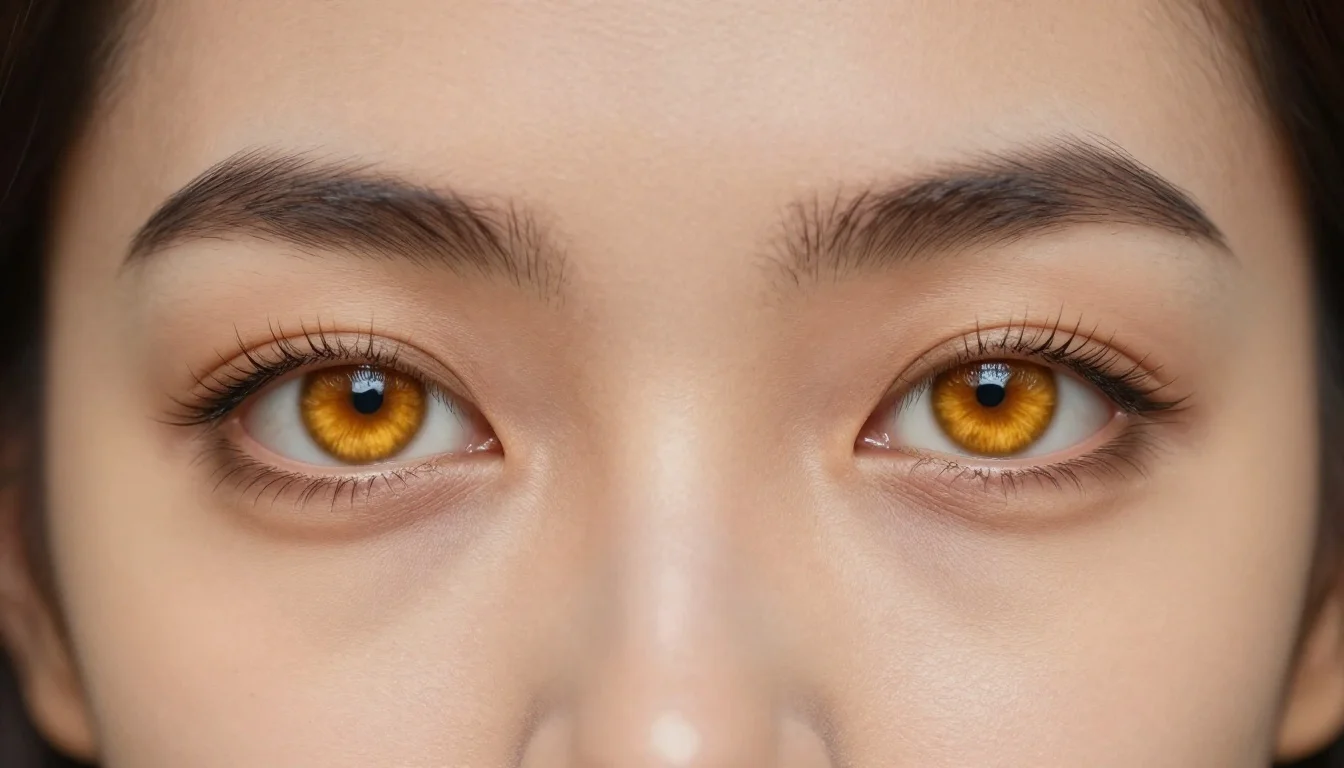
What colors make amber eyes stand out?
Deep purple and violet are the most powerful — they are the complementary color to amber-orange, creating a simultaneous contrast that makes amber eyes look more vivid and golden. Deep plum, amethyst, and rich violet all work through this mechanism. Forest green and midnight navy create cool-warm contrast. Warm earth tones like cognac and terracotta amplify the amber's own warmth through tonal depth.
Your Most Flattering Color Families
Deep Purple & Violet
Purple is the complementary color to amber-orange on the color wheel. When deep amethyst or rich violet appears near amber eyes, the complementary contrast makes the amber look more vivid and golden — both colors amplify each other through simultaneous contrast. Deep plum has enough warmth to bridge the amber register while still providing complementary contrast. This is amber's highest-impact color family, uniquely flattering to this eye color.
Warm Earth Tones
Warm earth tones that share amber's temperature register create a rich, harmonious look. Cognac and burnt sienna echo the amber color while having enough depth to contrast against the iris rather than blending with it. Deep rust creates warmth with visual weight. These colors amplify the golden quality of amber eyes by surrounding them with complementary warmth — the amber looks richer and more radiant against earthy tones.
Deep Navy & Forest Green
Cool deep colors create a warm-cool contrast against amber eyes that makes the warmth of the amber more visible by contrast. Midnight navy frames amber eyes with depth without the complementary pop of purple — subtler but reliable. Forest green and hunter green create a cool-warm contrast with the amber register that makes amber eyes look more golden. These are your most versatile neutrals that always make amber eyes look vivid.
Warm Copper & Gold Tones
Tonal amplification — wearing colors within the amber's own warmth register but deeper — creates a glowing monochrome effect where the eyes appear to match the clothing in warmth. This works when the clothing color is deeper and more saturated than the eye color, so there's still visual contrast. Copper at the neckline with amber eyes creates a warm, cohesive glow that photographs beautifully.

Ready to see amethyst purple & plum on your face?
Start my color analysisHow to Dress for Amber Eyes
Purple as your signature eye enhancer
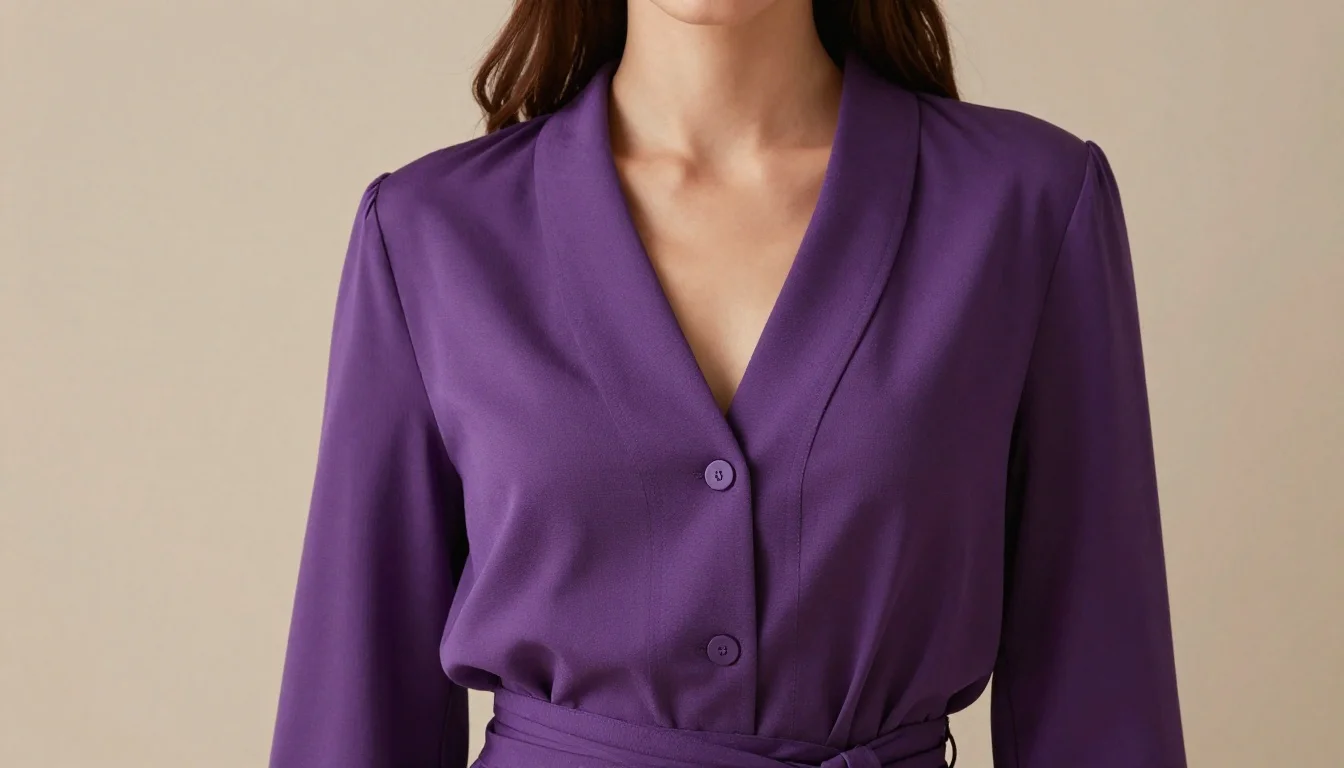
No color amplifies amber eyes more dramatically than purple. A deep amethyst blouse, a violet scarf at the neckline, or a plum cashmere sweater near amber eyes creates an immediate complementary contrast that makes the golden warmth of the iris more vivid. You don't need to wear purple head-to-toe — a single amethyst piece at the neckline is enough. This is your signature color relationship: it exists specifically because of the complementary dynamic between orange-amber and violet-purple.
Earth tones for a warm, cohesive look
When you want warmth rather than complementary contrast, reach for cognac, terracotta, and deep rust — colors in the amber's own family but deeper and richer. A cognac leather jacket or terracotta silk blouse near amber eyes creates a warm, editorial look where the eyes appear to glow rather than pop. The depth of the clothing color provides just enough contrast against the amber iris.
Navy and forest green as everyday foundations
Midnight navy and forest green function as your most reliable everyday neutrals — both create a cool-warm contrast that makes amber eyes look more golden without the full complementary intensity of purple. A navy blazer is a wardrobe foundation that always makes amber eyes look vivid. Forest green is your most distinctive neutral — it works particularly well because it creates a cool-warm contrast that echoes nature.
Using warm metals in accessories
Yellow gold and warm brass jewelry amplify amber eyes more than any other metal. Gold near amber eyes creates a warm tonal resonance — the golden jewelry echoes the amber iris and makes both look richer. Rose gold has a similar effect with a slight pink warmth. Cool silver is less effective for amber eyes specifically — it creates a cool-warm fight rather than amplifying the amber's warmth.
Colors That Fade Amber Eyes
Cool icy blues and pale pastels
Very pale, cool blue and icy pastel tones fight the warmth of amber eyes without creating useful complementary contrast. They create a temperature clash that makes amber look less golden and more muddy. Cool colors work when they're deep and saturated (navy, teal); pale icy versions don't have enough punch to create interesting contrast and instead just drain amber's warmth.
Warm beige and camel at the neckline
Warm beige and camel sit in the same warmth register as amber eyes without providing contrast — they create a blending, monochrome effect where everything reads as the same warm mid-tone. Near amber eyes, this means the eyes disappear into a general warmth rather than standing out. If you love neutrals, go darker (cognac, chocolate) or cooler (navy, charcoal) for contrast.
Medium grey and greige
Medium grey and greige (grey-beige) lack the warmth to harmonize with amber or the depth to contrast with it. They create a flat, undefined look near amber eyes — neither complementary nor harmonious. The result is amber eyes that look less distinctive and more ordinary. Deep charcoal works; it's the muddy mid-range grey that underperforms.
Bright orange and vivid warm yellow
Colors too close in warmth to amber eyes create a blending effect rather than contrast — bright orange and golden yellow sit so close to amber on the warm spectrum that they blend with the eye color without definition. You want either the complementary contrast of purple or the harmonic contrast of deeper earth tones. Pure orange and bright gold sit in the same zone as the iris without distinguishing it.
Stop guessing — preview every shade on you
See myself in my colorsYour Wardrobe, Upgraded
Swaps that make amber eyes the first thing people notice.
Warm beige blends with amber's warmth without contrast. Amethyst creates complementary contrast that makes amber eyes glow; forest green creates cool-warm contrast.
Medium grey has no warmth or contrast for amber eyes. Plum is complementary; navy creates cool-warm contrast — both make amber eyes more vivid.
Bright mustard blends with amber eyes without depth contrast. Cognac is in the same warm register but deeper, creating tonal contrast that makes the amber glow.
Champagne blends into amber's warmth. Violet creates maximum complementary contrast — amber eyes look most striking in evening lighting surrounded by violet or deep burgundy.
Camel sits in the same warm register as amber eyes and blends without contrast. Forest green and plum create contrast that frames amber eyes dramatically.
Cool silver creates a temperature fight with amber's warmth. Gold and warm brass echo amber's golden register and make both the eyes and jewelry look richer.
Which Seasonal Palette Fits Amber Eyes?
Amber eyes most commonly appear in Autumn seasonal palettes — the warm, earthy register of the palette echoes the amber iris. Your skin tone and hair color refine which Autumn season fits best.
Warm Autumn
Learn moreIf your amber eyes are paired with warm, golden skin tones and warm brunette or auburn hair, Warm Autumn is likely your season. Your palette is warm and saturated: burnt orange, deep rust, olive green, cognac, and warm ivory. Everything works with depth and warmth — the exact register that makes amber eyes glow.
Deep Autumn
Learn moreIf your amber eyes are paired with deeper, richer skin tones and dark brunette or dark auburn hair, Deep Autumn may be yours. Your palette is deeply saturated: cognac, forest green, warm burgundy, and deep teal. The richness of Deep Autumn amplifies amber eyes beautifully.
Soft Autumn
Learn moreIf your amber eyes are softer and more muted in quality — lighter golden rather than vivid copper — paired with medium warm skin and muted hair, Soft Autumn may fit. Your palette is warm, muted, and earthy: dusty terracotta, warm olive, muted teal, and soft cognac. The gentler approach suits lighter amber eyes.
Find Your Exact Colors
Amber eyes are rare and striking — but your specific shade (golden amber, copper amber, honey amber) combined with your skin tone and hair color determines which warm palette makes them look most vivid. A personalized color analysis identifies the precise colors that amplify your amber eyes' natural golden radiance.
Stop guessing — preview every color on you
Preview Yourself In Your Palette
Get my personalized paletteStop guessing — preview every color on you
Preview Yourself In Your Palette

Related Guides for Best Colors for Amber Eyes
Explore more personalized color advice based on your features.
Want to see these colors on you? What Colors Look Good on Me — free to try.
Frequently Asked Questions About Best Colors for Amber Eyes
What colors make amber eyes stand out?
Deep purple and violet are the most powerful — they are the complementary color to amber-orange, creating a simultaneous contrast that makes amber eyes look more vivid and golden. Deep plum, amethyst, and rich violet all work through this mechanism. Forest green and midnight navy create cool-warm contrast. Warm earth tones like cognac and terracotta amplify the amber's own warmth through tonal depth.
What is the best eyeshadow color for amber eyes?
Purple and violet eyeshadow — from soft lavender to deep plum — create the most dramatic enhancement for amber eyes through complementary contrast. Copper and bronze eyeshadow amplify amber's warmth tonally. Forest green liner makes amber eyes look more golden by contrast. The complementary (purple) and harmonic (copper/earth) approaches both work beautifully for amber eyes.
Are amber eyes warm or cool?
Amber eyes are distinctly warm — they carry golden, copper, and orange-yellow tones that place them firmly in the warm color temperature register. This warmth means they respond best to either cool-deep colors (which create contrast) or warm-deep earth tones (which amplify their richness). Cool, icy tones create a clash; warm neutrals blend without contrast. The sweet spots are complementary purple and warm earthy depth.
What colors do amber eyes look best with?
Amber eyes look best with deep purple and violet (complementary contrast), forest green and navy (cool-warm contrast), and warm earth tones like cognac and terracotta (tonal depth). Yellow gold jewelry amplifies amber's warmth. Avoid pale icy blues, warm beige, and medium grey — they either clash or blend without contrast.
Are amber eyes the same as hazel eyes?
Amber and hazel are distinct. Amber eyes are uniformly golden-orange or copper throughout the iris — they have little to no green or brown variation and appear to glow in natural light. Hazel eyes are mixed — they show green, brown, and often some warm tones, and can change with lighting. Amber eyes are rarer. The color strategies overlap somewhat (both benefit from purple contrast and warm earth tones) but amber's uniform warmth allows more tonal amplification.