Highlighter forPale Skin
Pale skin needs delicate, precise highlighters. Discover which tones look natural on you — and which to skip.
Pale skin is highly responsive to highlighter — the light-reflecting particles show up vividly because there's little melanin to absorb them. This responsiveness is both an advantage and a challenge: the right highlighter creates an ethereal, luminous glow; the wrong one can look white, ghostly, or simply like a pale patch on an already pale face. The key is understanding which tones and finishes complement pale skin's undertone — whether warm, cool, or neutral.


3,000+
happy clients
Why Pale Skin Needs a Specific Highlighter Approach
Pale skin is highly responsive to highlighter — the light-reflecting particles show up vividly because there's little melanin to absorb them. This responsiveness is both an advantage and a challenge: the right highlighter creates an ethereal, luminous glow; the wrong one can look white, ghostly, or simply like a pale patch on an already pale face. The key is understanding which tones and finishes complement pale skin's undertone — whether warm, cool, or neutral.
Pale skin has less melanin than medium or deep skin tones, which means highlighter particles sit closer to the surface and reflect more light. A heavy-handed application that looks subtle on medium skin can appear overwhelming on pale skin. The rule: with pale skin, less product creates more impact. A single dusting of the right shade achieves more than building multiple layers.
Undertone determines tone choice more than depth does. Pale skin with cool-pink undertones (the most common) looks most luminous with cool-to-neutral highlighters — silver, pearl, icy rose, and cool champagne all resonate. Pale skin with warm undertones needs warm champagne or pale gold. Pale skin with neutral undertones has flexibility: both warm and cool can work, with the choice depending on the look you want.
The finish matters enormously on pale skin. Very glittery highlighters with large shimmer particles look artificial and mask-like against pale skin's delicacy. Very matte highlighting powders barely show up. The sweet spot is fine-particle shimmer with satiny or pearlescent quality — enough light-reflection to create luminosity without the disco-ball effect.
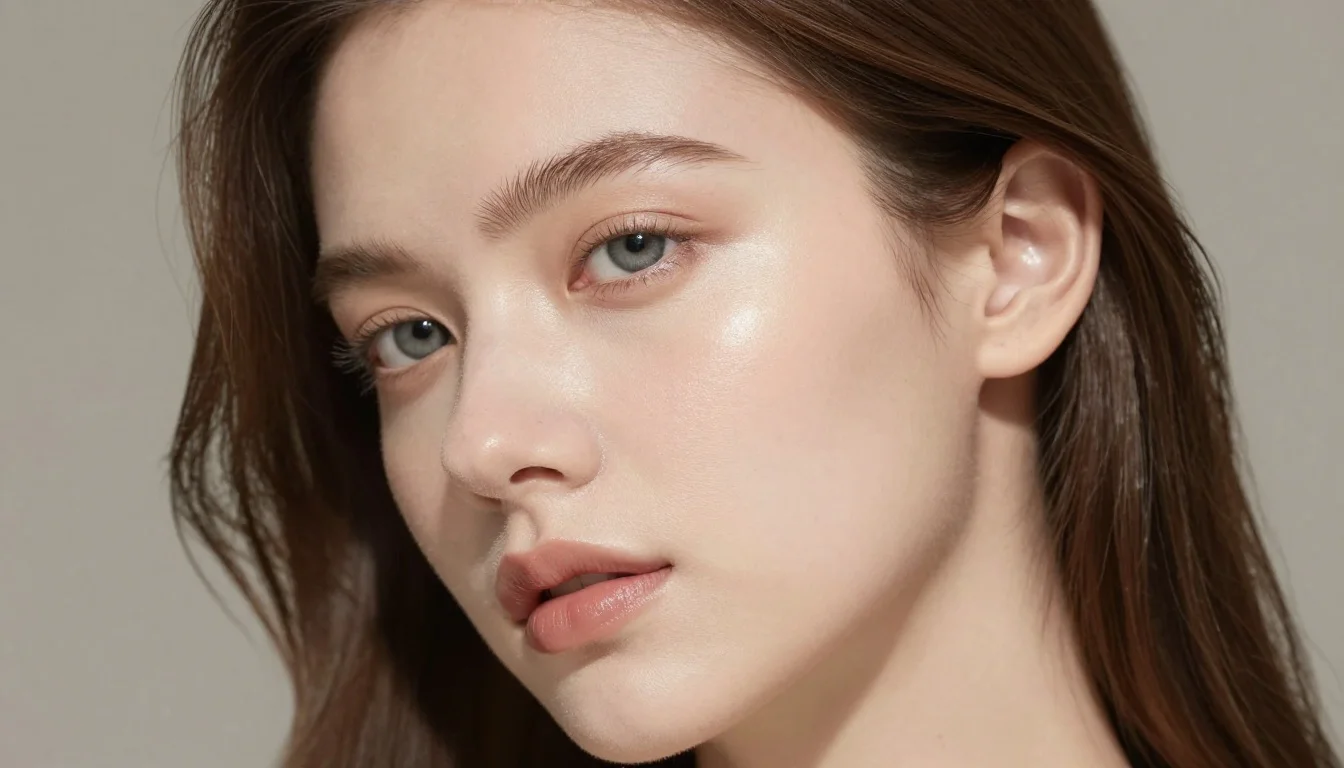
What highlighter looks best on pale skin?
Pearl and cool champagne are the most universally flattering highlighters for pale skin — they amplify natural luminosity without adding color contrast. For cool pale skin: pearl, icy rose, or silver. For warm pale skin: soft champagne or warm ivory shimmer. For neutral pale skin: either works, choose by preference. The key principle: keep the highlighter light and fine-particle — pale skin amplifies highlighter, so subtlety creates more natural results.
Your Best Highlighter Shades for Pale Skin
Pearl & Cool Champagne
Pearl and cool champagne are the classic pale-skin highlight family — the near-white, iridescent quality amplifies pale skin's natural lightness without adding color that looks artificial. White pearl on pale skin creates an ethereal, porcelain glow. Cool champagne sits just warm enough to add luminosity without changing the cool quality of pale skin. Iridescent pearl shifts between light tones in different lighting, creating a sophisticated, multi-dimensional effect. These shades are most flattering for pale skin with cool or neutral undertones.
Icy Rose & Soft Pink
Icy rose and soft pink highlighters work beautifully on pale skin with cool-pink undertones — the hint of pink in the shimmer resonates with the skin's own pink quality, creating a flushed luminosity rather than a disconnected metallic patch. Soft rose gold adds warmth but stays light enough for pale skin. Pale mauve shimmer is more unusual but creates a distinctive, porcelain-cool look on very fair skin. These are the warm-adjacent family for pale, cool-toned skin.
Warm Champagne & Soft Gold
For pale skin with warm undertones, soft warm champagne and pale gold create the most natural luminosity — warm enough to resonate with the golden warmth in the skin without creating contrast that reads as orange or brassy. The paleness of these shades keeps them proportional to pale skin's depth. Warm ivory shimmer is particularly flattering: it adds warmth and light simultaneously. These shades have enough warmth to flatter pale warm skin without the intensity of deep gold that would look heavy.
Silver & Moonstone
Silver and moonstone highlighters create the most dramatic, editorial effect on very pale, cool-toned skin — they amplify the cool quality of the skin for a deliberately striking, high-fashion look. Cool silver on very pale skin creates a jewel-like, luminous effect that looks intentional. Moonstone shimmer adds a blue-white iridescence that creates depth within the highlight. These shades are not for everyday wear but create extraordinary impact for evening or editorial looks — the paleness of the skin means the cool silver reads as sophisticated rather than harsh.

Ready to see yourself in white pearl & champagne?
Start my color analysisHow to Apply Highlighter on Pale Skin
Less Is More: Application Technique
Pale skin amplifies highlighter, so use a lighter hand than you think necessary. A fan brush is ideal — it deposits less product than a flat brush and blends edges naturally. Apply to the very peak of the cheekbones with a light sweeping motion. Build gradually: start with one sweep, assess in natural light, add a second if needed. The goal is a glow that looks like your skin caught light, not an obvious shimmer stripe. A damp sponge pressed lightly over powder highlighter also diffuses it for a more skin-like finish.
Placement for Pale Skin
On pale skin, highlighter placement matters more than on other depths because the contrast effect is stronger. Keep the highlight to the absolute peak of the cheekbone (the highest point when looking straight ahead) for the most natural effect. A thin stripe on the bridge of the nose creates a delicate highlighting effect. A small amount in the inner corners of the eyes with soft silver or pearl brightens without overwhelming. Avoid applying along the full length of the cheekbone or in the hollows — the contrast on pale skin reads as a distinct band rather than glow.
Liquid vs. Powder for Pale Skin
Liquid highlighter blended into pale skin before foundation creates the most natural, skin-like glow — the shimmer integrates rather than sitting on top. Use only a small amount (one drop of liquid highlighter is usually enough for the entire face) mixed directly onto the skin before blending. Powder highlighter applied on top of foundation creates a more defined, visible glow that photographs well. For everyday looks, liquid is more natural. For events, powder gives more obvious luminosity that shows up in photos and low lighting.
Choosing Warm vs. Cool for Your Undertone
Test your highlighter undertone in natural daylight by applying a small amount to the back of your hand near your wrist. Cool undertones (visible blue-green veins, skin that burns easily) should choose pearl, cool champagne, or icy rose. Warm undertones (visible green veins, skin that tans) should choose warm champagne or soft gold. Neutral undertones (a mix) can try both and choose by preference. On pale skin, the difference between warm and cool highlighter is very visible — always test before committing.
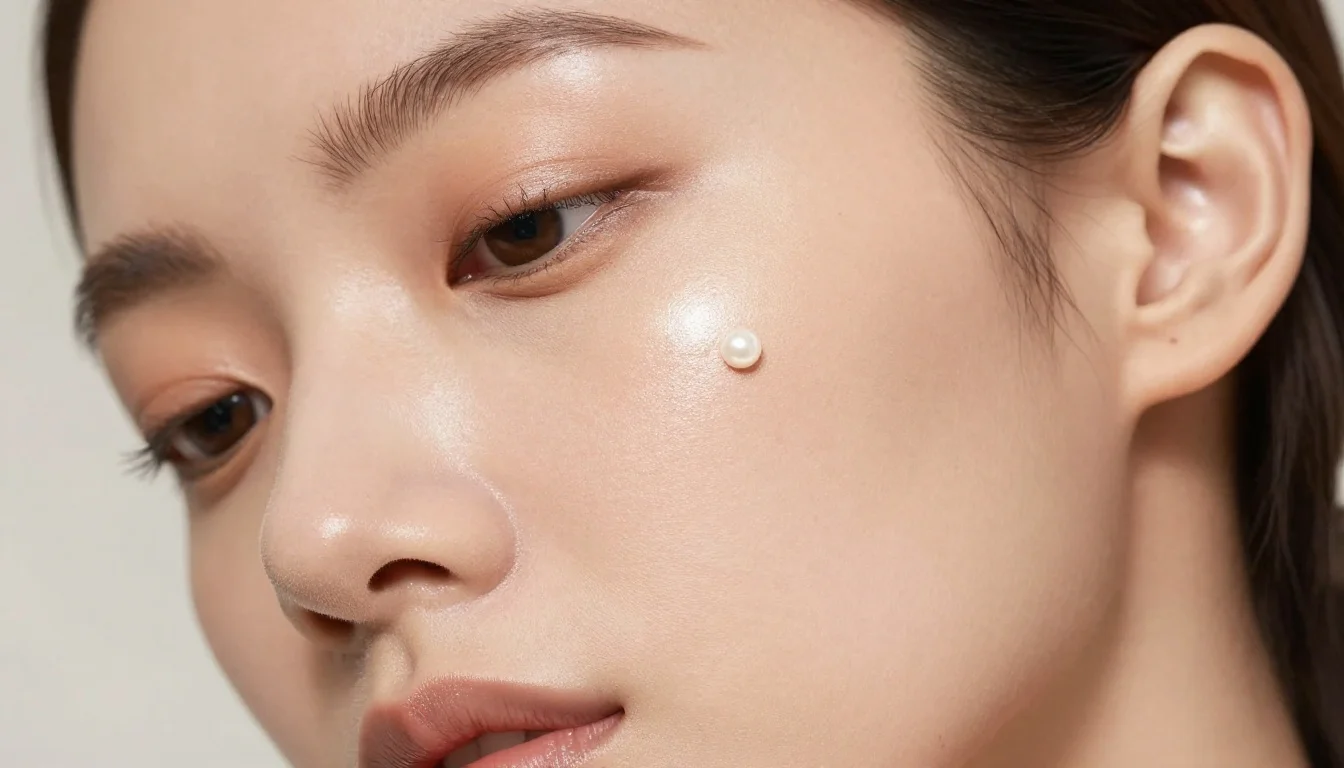
Highlighters That Fight Pale Skin
Very deep bronze or dark gold
Deep bronze and very warm dark gold highlighters can look muddy or artificially tanned on pale skin — the contrast between the deep warm pigment and pale skin reads as a disconnected warm patch rather than luminosity. If you love gold tones, keep them very light and pale: soft pale gold, not deep bronze. Deep bronze highlighters are formulated for medium-to-deep skin that has the melanin to blend the depth.
Very chunky glitter
Large-particle glitter shimmer looks artificial and mask-like on pale skin — the individual glitter particles are visible and the effect reads as costume makeup rather than natural luminosity. Fine-particle shimmer with satiny or pearlescent finish is the pale-skin alternative. The test: look at the product particles in the pan — if they look like individual glitter flecks rather than a fine shimmer, they'll read as too obvious on pale skin.
Very warm orange-toned highlighter
Highlighters with a strong orange or very warm-copper tint look like a sunburn patch on pale skin — the orange warmth creates obvious contrast rather than luminosity. This is especially visible with highlighters formulated for very deep skin that contain significant color pigment alongside shimmer. Pale skin needs highlighters with shimmer and minimal color addition.
Stop guessing — preview every shade on you
See myself in my shadesHighlighter Swaps for Pale Skin
Choosing shades that create luminosity rather than looking chalky or overdone.
Deep warm gold looks like a patchy tan on pale skin. Pearl or cool champagne amplifies pale skin's natural luminosity without color contrast.
Chunky glitter looks artificial on pale skin. Fine-particle silver creates sophisticated sparkle that reads as jewelry-like rather than costume.
Pure white looks ghostly on already pale skin. Icy rose adds a hint of flush with light-reflection that suits cool-pink pale complexions.
Silver looks grey on warm pale skin. Warm champagne resonates with the golden undertone while staying light enough for pale skin's depth.
Concealer alone can look flat. A barely-there sweep of fine pearl shimmer adds brightness that looks like naturally luminous skin.
White shadow can look chalky and obvious on pale skin. Iridescent pearl creates the brightness effect with more sophistication.
Which Seasonal Palette Has Pale Skin?
Pale skin appears across cool and light seasonal palettes. Your season determines the exact undertone of your best highlighter.
Cool Winter
Learn moreCool Winter has very pale skin with cool-pink or bluish undertones and high contrast coloring. Best highlighters: cool silver, moonstone shimmer, stark pearl. Dramatic and cool — the most striking highlighter family on pale skin.
Light Summer
Learn moreLight Summer has pale skin with soft cool-neutral undertones and low-contrast, delicate overall coloring. Best highlighters: soft pearl, icy rose, pale cool champagne. Gentle and luminous — never bold or bright.
Light Spring
Learn moreLight Spring has pale skin with warm-neutral undertones and clear, light overall coloring. Best highlighters: warm champagne, soft golden pearl, warm ivory shimmer. Warm but delicate — the lightest end of the warm highlighter family.
Find Your Perfect Highlighter
Pale skin's light-amplifying quality means highlighter choice is more impactful than for any other depth — and the undertone of your pale skin determines whether pearl, icy rose, or warm champagne makes you look most luminous. A personalized colour analysis identifies your exact seasonal palette and the precise warm-to-cool direction of your pale skin, mapping it to specific highlighter shades and finishes.

Related Guides for Highlighter for Pale Skin
Explore more personalized color advice based on your features.
Want to see these colors on you? What Colors Look Good on Me — free to try.
Frequently Asked Questions About Highlighter for Pale Skin
What highlighter looks best on pale skin?
Pearl and cool champagne are the most universally flattering highlighters for pale skin — they amplify natural luminosity without adding color contrast. For cool pale skin: pearl, icy rose, or silver. For warm pale skin: soft champagne or warm ivory shimmer. For neutral pale skin: either works, choose by preference. The key principle: keep the highlighter light and fine-particle — pale skin amplifies highlighter, so subtlety creates more natural results.
Can pale skin use gold highlighter?
Light, pale gold or soft warm champagne works on pale skin with warm undertones. Very deep bronze or saturated warm gold creates too much contrast — it looks like a patchy tan rather than glow. Keep gold tones very pale and soft if using on fair skin. Pale warm skin with warm undertones looks most luminous with pale gold or champagne rather than silver.
How do I apply highlighter on very pale skin?
Use a light hand — pale skin amplifies highlighter, so less product creates more impact. A fan brush is ideal for natural application. Apply to the peak of the cheekbones only (not along the length), and build gradually in natural light. Liquid highlighter blended under foundation creates the most natural, skin-like glow. Avoid chunky glitter formulas, which look artificial on pale skin.
Does pale skin need highlighter?
Highlighter is optional but can look beautiful on pale skin when chosen correctly. The most flattering approach for pale skin is a very subtle, fine-particle highlight rather than heavy shimmer — it creates a luminous quality rather than an obvious metallic look. Many people with pale skin prefer a more natural finish and use highlighter only for special occasions. If you prefer a matte finish, there's no requirement to use highlighter.
What highlighter should pale skin avoid?
Pale skin should avoid deep bronze and warm dark gold (looks like patchy tan), chunky glitter (looks artificial), very strong orange-copper tones (creates contrast rather than glow), and heavy application of any shimmer product. The pattern: anything too deep, too warm, or too glittery risks looking either muddy or costume-like on pale skin's light, responsive surface.