Best Contour Shades forWarm Undertones
Discover the most flattering contour shades for warm undertones. Discover which tones look natural on you — and which to skip.
You've probably grabbed a cool grey-brown contour powder at some point and ended up looking a little muddy — or worse, ashy. That's because your skin has warm, golden, peachy, or yellow-based undertones, and cool-toned contour shades fight them instead of complementing them. The fix is simple: reach for warm, earthy shadows — tawny taupes, bronzy browns, soft terracottas — and your sculpting will look like a natural shadow, not a paint-by-numbers mistake.


3,000+
happy clients
Why Undertone Changes Everything in Contouring
You've probably grabbed a cool grey-brown contour powder at some point and ended up looking a little muddy — or worse, ashy. That's because your skin has warm, golden, peachy, or yellow-based undertones, and cool-toned contour shades fight them instead of complementing them. The fix is simple: reach for warm, earthy shadows — tawny taupes, bronzy browns, soft terracottas — and your sculpting will look like a natural shadow, not a paint-by-numbers mistake.
Contouring works by mimicking the natural shadows your face would cast under directional light. Those shadows aren't grey or cool — on warm-undertoned skin, they read as warm brown or tawny, because the warmth of your skin tints every shadow that falls across it.
When you use a cool, ashy contour on warm skin, the product sits on top of your undertone rather than blending into it. The result is an obvious stripe that looks more like dirt than depth. Warm-toned contour shades, on the other hand, merge seamlessly with your skin's natural warmth, creating dimension that looks undetectably real.
The right contour shade should be about two shades deeper than your natural skin tone and share your undertone family. For warm skin, that means leaning into golden browns, soft chocolates, and muted terracottas — and staying well away from anything with a grey or lavender base.
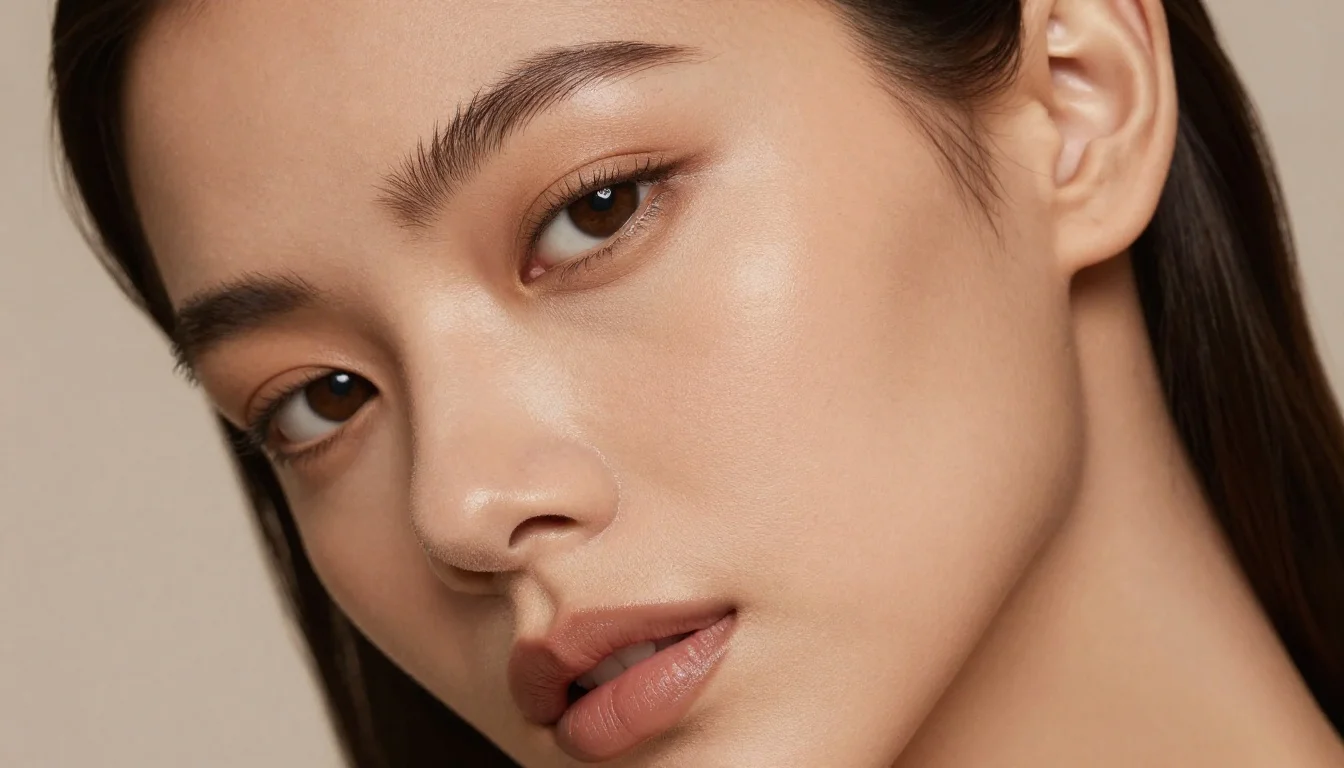
What is the best contour shade for warm undertones?
The best contour shades for warm undertones are tawny taupes, warm chocolates, soft terracottas, and golden bronzes. Look for shades described as 'warm,' 'caramel,' 'tawny,' or 'sable' — and avoid anything with a grey, ashy, or mauve base. The contour should be 1–2 shades deeper than your skin tone but share the same warmth.
Your Most Flattering Contour Shades
Tawny Taupe
Tawny taupe sits right at the intersection of beige and brown with a warm, slightly ruddy cast. It blends into warm-undertoned skin like a real shadow — soft enough for everyday use, buildable for stronger definition. Look for descriptors like 'warm taupe,' 'caramel taupe,' or 'nude brown.'
Soft Terracotta
Terracotta-toned contours are a warm skin secret weapon. The reddish-brown clay hue mirrors the warmth in your skin's undertone, making the shadow look naturally sun-kissed rather than artificially applied. Perfect for cheek hollows and hairline sculpting on medium to deep warm complexions.
Golden Bronze
A warm bronze-brown contour doubles as both shadow and a touch of glow, making it ideal for a natural, sun-drenched finish. The golden undertone in bronze shades harmonizes with yellow-based or olive-warm skin, keeping the contour warm and seamless rather than stark.
Warm Chocolate
For deeper warm-undertoned complexions — or anyone wanting a more dramatic sculpt — a warm chocolate brown delivers serious depth without going grey or flat. The key is choosing chocolate shades with red or orange undertones rather than cool mocha, which can neutralize your warmth.

Ready to see your shades on your face?
Start my color analysisHow to Apply Contour for Warm Undertones
Choose the Right Tool
Use a fluffy, angled brush for powder contour — it lets you buff the product into your skin for a seamless, blurred shadow effect. Avoid stiff flat brushes, which can deposit too much product in one spot and create harsh lines. For cream or stick contour, blend with a damp beauty sponge using a stippling motion rather than dragging.
Placement by Face Shape
Apply contour where shadows would naturally fall: the hollows beneath your cheekbones (suck in your cheeks and follow the hollow), the perimeter of your forehead along the hairline, the sides of the nose if desired, and just beneath the jawline. For round faces, extend contour higher and more dramatically along the cheekbones. For longer faces, focus on the forehead and chin rather than the sides.
Build Gradually
Start with a light hand — warm contour shades can read warmer than expected under certain lighting. Tap off excess product before applying, then build intensity in thin layers. Step back and assess in natural light before adding more. Overapplied warm contour reads as bronzer run amok rather than sculpting.
Blend Into Your Foundation
The most critical step: blend the edges of your contour thoroughly so there's no visible line between the shadow and your foundation. Use a clean fluffy brush or sponge to diffuse the edges with a circular or windshield-wiper motion. Your contour should have no defined edge — just a gradual darkening.
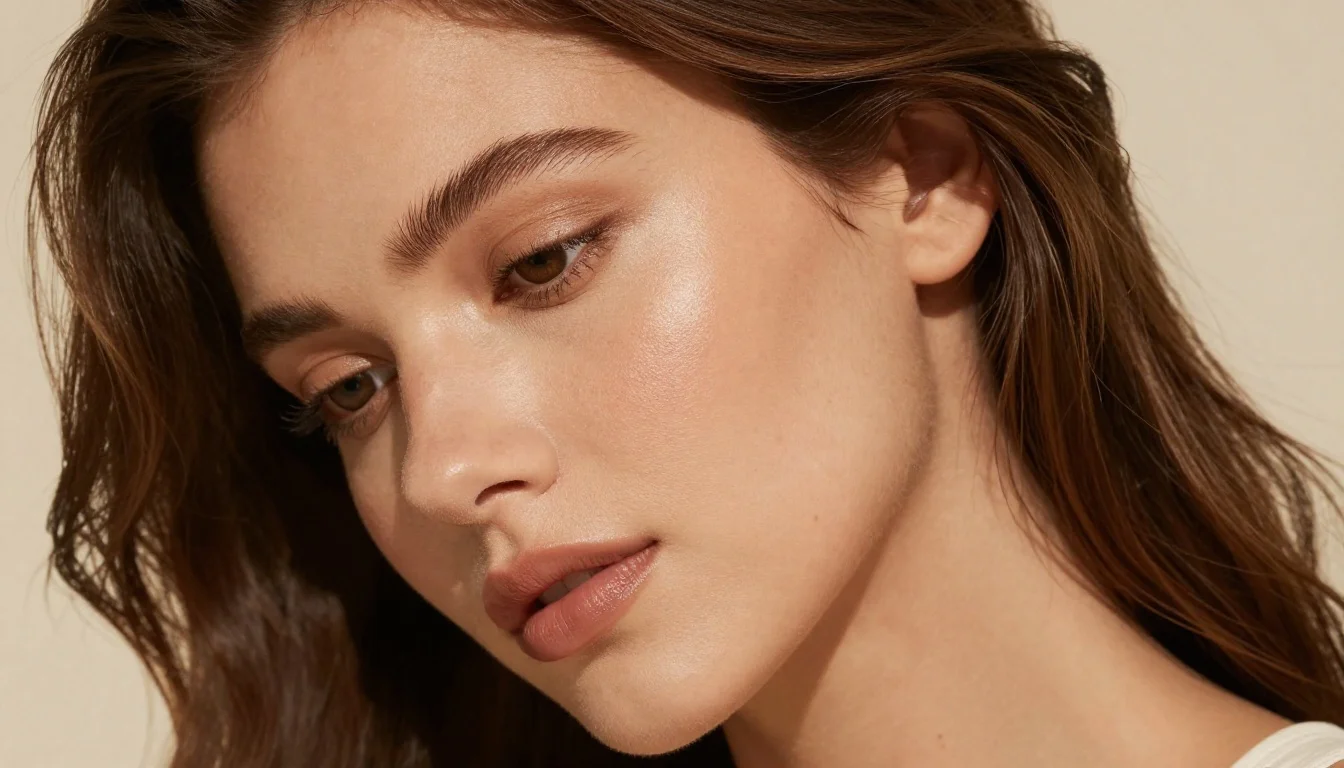
Contour Shades That Work Against You
Cool Grey-Brown (Taupe with grey base)
The classic "contouring mistake" for warm skin. Grey-based taupes clash with your golden undertones, creating a muddy, unblended stripe across your cheeks and temples instead of a natural shadow.
Ashy Mauve
Mauve contours have a purple-pink-grey quality that looks striking on cool undertones but creates an unflattering, bruised effect on warm skin. The contrast is too stark and reads as discoloration rather than dimension.
Cool Charcoal or Smoky Grey
These deep cool shadows are occasionally marketed as contour shades but they will look like a grey smudge on warm-undertoned skin. No amount of blending will make a cool charcoal look like a natural shadow on you.
Pink-Toned Blush-Contour Hybrids
Rosy contours with a pink or cool-red base clash with the peachy and golden tones in warm skin, making the face look blotchy rather than sculpted. Stick to brown-based shadows, not pink-based ones.
Stop guessing — preview every shade on you
See myself in my shadesSmarter Contour Product Swaps
Trade out the wrong shades for these warm-toned alternatives
Warm browns blend invisibly into warm-undertoned skin; cool greys create obvious, unblended stripes.
Every shade in the palette should complement your undertone — mixing cool contour with warm skin is where palettes go wrong.
Cream contour is the hardest to blend away if the tone is wrong — start with the right warmth from the beginning.
Using a cool foundation as contour on warm skin negates your undertone. The deeper shade needs to share your warmth.
Shimmer bronzer looks like glow, not shadow. A matte finish in a warm brown sculpts effectively while keeping warmth in the formula.
Eyebrow products tend to be cool-toned for contrast. A warm taupe specifically formulated for face sculpting blends better and photographs more naturally.
Which Palette Might Be Yours?
Warm undertones are a hallmark of the Autumn and Spring seasonal palettes in color analysis. If sculpting with warm earthy browns and golden tones feels immediately right for your skin, one of these seasonal types is likely a strong match. A full color analysis will pin down exactly which one.
Warm Autumn
Learn moreWarm Autumn is the quintessential warm undertone type — rich, earthy, and deeply golden. If your best colors are terracotta, burnt orange, olive, and warm chocolate, this is likely your palette. Your contour should lean toward deep warm browns and spiced clay tones.
Soft Autumn
Learn moreSoft Autumn has warm undertones but a muted, dusty quality. Your contour shades should be on the softer end — warm taupes and diffused tawny browns rather than vivid terracotta. Rich or saturated contour can overpower your gentle coloring.
Warm Spring
Learn moreWarm Spring shares the golden warmth of Autumn but with lighter, brighter, peachy-clear energy. Your contour shades are best kept fresh and light — warm peach-taupes and soft golden browns rather than deep chocolates or heavy terracotta.
Find Your Exact Colors
Knowing your undertone gets you most of the way there — but understanding your full seasonal color palette takes your entire makeup routine from good to exactly right. Palette Hunt's AI analysis identifies your precise season and gives you a personalized color system for everything from contour to clothing.

Related Guides for Best Contour Shades for Warm Undertones
Explore more personalized color advice based on your features.
Want to see these colors on you? Skin Undertone Test — free to try.
Frequently Asked Questions About Best Contour Shades for Warm Undertones
What is the best contour shade for warm undertones?
The best contour shades for warm undertones are tawny taupes, warm chocolates, soft terracottas, and golden bronzes. Look for shades described as 'warm,' 'caramel,' 'tawny,' or 'sable' — and avoid anything with a grey, ashy, or mauve base. The contour should be 1–2 shades deeper than your skin tone but share the same warmth.
Can I use bronzer as a contour if I have warm undertones?
Yes — but only if you choose a matte bronzer in a warm brown tone. Shimmery bronzers create glow, not shadow, so they won't sculpt effectively. A matte warm-brown bronzer applied in the contour placement areas (cheek hollows, temples, jawline) can work beautifully for warm-undertoned skin.
Why does my contour always look muddy or grey?
If your contour looks muddy or grey, the shade almost certainly has a cool base that's fighting your warm undertones. Grey-brown and ashy taupe contours are formulated for cool or neutral skin and create a dissonant, unblended appearance on warm skin. Switch to a warm-toned shade — the difference will be immediate.
Should contour be matte or have shimmer for warm undertones?
Contour should always be matte — shimmer reflects light and creates the opposite of shadow. Shimmer or satin-finish products are better used as highlighter. For warm undertones, choose a matte powder, cream, or stick contour in a warm brown or terracotta tone.
How do I contour my nose if I have warm undertones?
Use a very fine, precise brush to apply a warm taupe or tawny brown contour down the sides of the nose bridge and along the tip if desired. The shade should be subtle — no more than one to two shades deeper than your skin — and blended meticulously. A cool or grey shade will look like dirt rather than a natural shadow on warm skin.
Is terracotta contour too orange for everyday wear?
A true terracotta contour can look intense in the pan but blends to a much softer, natural shadow on warm skin — because it harmonizes with your undertone rather than contrasting against it. Apply with a light hand and build gradually. For everyday wear, start with a tawny taupe and reserve the terracotta for evenings or stronger sculpting.