Contouring Pale Skin ThatActually Looks Real
Pale skin needs cool-toned taupe contour — not warm brown, not bronzer. Discover which tones look natural on you — and which to skip.
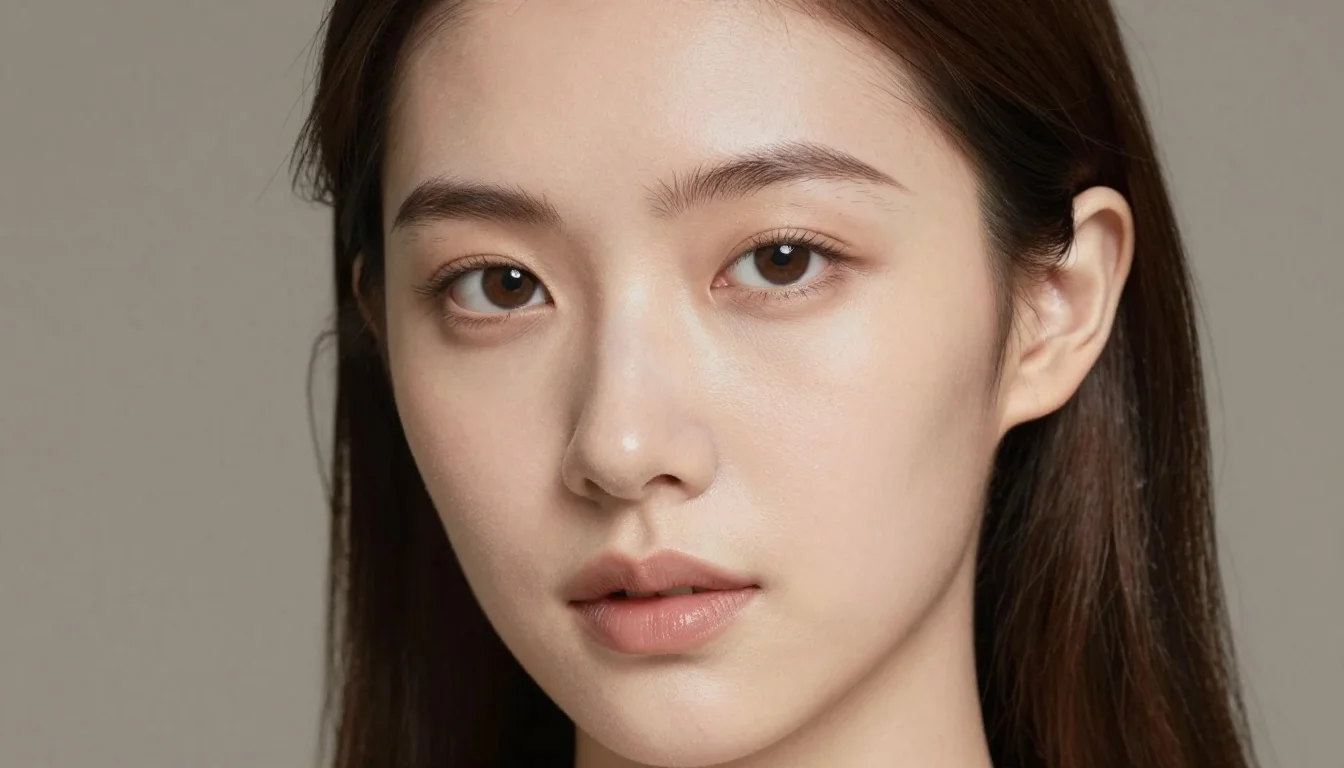
Contouring pale skin is where most people go wrong in the most visible way. The typical mistake is reaching for a warm brown or bronzer to create definition — and the result looks orange, muddy, or simply like a brown stripe applied to fair skin. Pale skin requires cool-toned taupe or grey-brown contour, applied with extreme restraint. The goal is a shadow that the eye believes, not a product the eye detects.


3,000+
happy clients
Why Warm Brown Contour Fails on Pale Skin
Contouring pale skin is where most people go wrong in the most visible way. The typical mistake is reaching for a warm brown or bronzer to create definition — and the result looks orange, muddy, or simply like a brown stripe applied to fair skin. Pale skin requires cool-toned taupe or grey-brown contour, applied with extreme restraint. The goal is a shadow that the eye believes, not a product the eye detects.
Pale skin has very little natural warmth in the complexion — the melanin is minimal, the undertones are often pink, cool, or neutral, and the skin's overall colour sits at the lightest end of the spectrum. When you apply a warm brown or terracotta contour to pale skin, there is no natural skin warmth to mediate between the product and the complexion. The warm brown sits on top of cool pale skin and reads as exactly what it is: a stripe of warm product. The contrast between the warm contour and the cool fair skin creates an unnatural, 'dirty' effect — it doesn't look like shadow, it looks like mud.
Real facial shadows are cool and desaturated. In natural light, the hollow under a cheekbone appears as a cool, grey-brown absence of light — not a warm brown warmth. This is the principle behind cool-toned contour. A grey-taupe or cool brown contour shade mimics this natural shadow quality because it shares the same temperature as real shadow. On pale skin, this temperature-matched contour blends invisibly into the skin because there is no undertone conflict — the coolness of the contour and the coolness of the skin work together, not against each other.
Restraint is the defining skill in contouring pale skin. Fair skin reflects light more fully than darker skin tones, which means every stroke of product is more visible. There is less natural depth in pale skin to absorb and blend a contour — the skin itself provides less "buffer" between the bare face and a product applied to it. This means a contour that looks subtle on medium or deep skin can look theatrical and heavy on pale skin. The correct approach is to build from almost nothing: start with a barely-there wash of cool taupe, check the result, and add incrementally rather than depositing product and trying to blend it away.
What is the best contour shade for pale skin?
Cool grey-taupe is the best contour shade for pale skin. It mimics the cool, desaturated quality of real facial shadows without adding warm tones that look orange or muddy against fair skin. Look for shades described as "cool taupe', 'ash-brown', 'grey-brown', or 'soft mushroom". The shade should look grey-brown in the pan, not orange-brown.
The Best Contour Shades for Pale Skin
Cool Grey-Taupe
Cool grey-taupe is the definitive contour shade for pale and fair skin. Its grey undertone desaturates it away from warmth, allowing it to read as a genuine shadow rather than an applied product. On very pale, pink-cool skin, a light cool taupe is barely perceptible until you see the dimension it creates — which is exactly the correct effect. Look for shades that appear grey-beige or grey-brown in the pan, not orange-brown. The best pale skin contours often look almost too grey and too light in the pan — trust them, because that apparent subtlety in the pan translates to the right amount of definition on fair skin.
Soft Matte Cool Brown
A soft matte cool brown provides slightly more depth than a light taupe while still staying in the cool-neutral family that works for pale skin. This shade works well for fair skin that wants slightly more visible definition — perhaps for photography, evening looks, or for people whose pale skin has a neutral rather than strongly pink undertone. The key word is cool: the brown must lean neither orange nor red. A neutral or cool-neutral medium brown blends believably on pale skin because its desaturated quality reads as depth rather than warmth.
Mauve-Brown
Mauve-brown is an under-used contour option that works beautifully specifically for pale skin with pink or rosy undertones — which is a very common fair skin characteristic. A mauve or rose-taupe shade harmonizes with the pink tones already present in cool pale skin rather than fighting them. Instead of creating a grey-brown shadow against pink skin, a mauve-brown creates a shadow that has a natural relationship with the skin's own colour. The result is particularly soft and believable — it looks more like a natural flush of depth than a product applied to the face.
Sheer Cool Setting Powder
For extremely fair or very light skin where even the softest taupe contour feels too heavy, a sheer cool-tinted setting powder can create a hint of depth through very light absorption of light rather than through pigment. A translucent powder with a slight cool or lavender cast, applied in the hollows with a small brush, creates the gentlest possible contour effect. This approach suits Light Summer and very light Cool Summer types who find any traditional contour shade too visible — the result is barely-there dimension that is more about skin texture than about colour.
Ready to see yourself in pale taupe & ash grey?
Start my color analysisHow to Contour Pale Skin So It Looks Real
Placement on pale skin
Apply contour only to the natural hollows and shadows of your face: under the cheekbones (slightly below and back toward the ear, not on the cheekbone itself), along the temples where the skull naturally recedes, the sides of the nose if desired, and under the jawline. On pale skin, stay close to the hollows and don't widen the contour strokes — the lighter your skin, the more precise and close to the natural hollow your application needs to be. A wide, sweeping stroke reads as product on fair skin; a narrow, precise stroke reads as shadow.
Blending technique for fair skin
Use a fluffy, tapered brush rather than a flat brush for contour on pale skin. A fluffy brush disperses pigment and ensures you're applying less product than you think — which is exactly what pale skin needs. Tap off excess product before applying. Apply with light, circular buffing motions and blend outward until you cannot see where the contour starts or ends. The finished result should be a shadow that you notice only from a distance — up close, you should see blended skin texture, not a product edge.
Building from nothing
Start with a single, very light pass of cool taupe and step back to assess before adding more. Pale skin reveals the layering process more than any other skin tone — it's far easier to add a second light layer than to remove excess product or blend away a heavy application. Think of the first layer as setting an intention rather than creating a result. The second layer (if needed) creates the actual effect. This build-from-nothing approach prevents the heavy, cakey, "striped" effect that is the most common contouring failure on fair skin.
Pairing contour with highlight on pale skin
On pale skin, highlight and contour must be balanced carefully because pale skin already has natural luminosity. Use a champagne or pearl highlight on the tops of the cheekbones and brow bone to create contrast with the contour in the hollows. Keep the highlight subtle — pale skin picks up shimmer easily and an over-highlighted look reads as glittery rather than luminous. The highlight should enhance the contrast created by the contour, not compete with it. For very fair skin, a satin-finish foundation that gives natural luminosity can serve as sufficient highlight, with minimal extra shimmer needed.
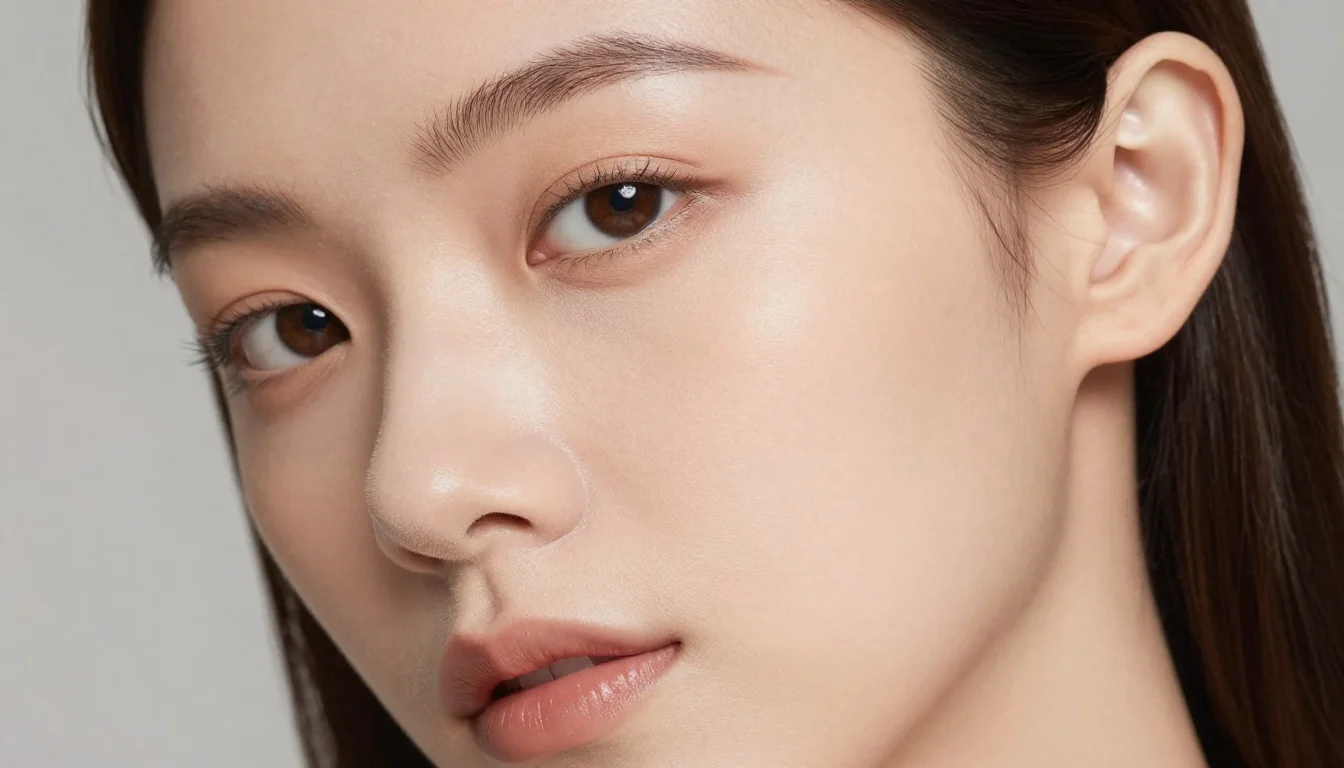
Contour Shades That Read as Product, Not Shadow
Warm brown or terracotta contour
Warm brown and terracotta contour shades have orange or red-warm pigments that clash directly with pale skin's cool or neutral undertone. On fair skin with pink or cool tones, a warm brown contour creates immediate visual conflict — the orange of the product reads against the pink or cool of the skin, and the result looks muddy, dirty, or simply "applied" rather than like a natural shadow. This is the single most common contouring mistake on pale skin. If the shade looks warm or orange in the pan, it will look far more so on pale skin.
Bronzer used as contour
Bronzer is formulated to add warmth and simulate sun-kissed colour. For pale skin, this is doubly problematic when used for contouring: the warmth conflicts with the cool undertone, and the bronzy-orange pigment creates a very visible, unnatural stripe. Bronzer on pale skin in the hollows reads as blotchy warmth, not as shadow. If you want to add warmth to pale skin, a very light, cool-neutral bronzer on the forehead and nose bridge only — not in the hollows — is the safer approach. Never use a warm bronzer as a substitute for contour.
Overly dark contour shades
Contrast is relative to the surrounding skin. On pale skin, a medium or deep contour shade that would look natural on medium or tan skin creates an extreme contrast that looks theatrical and heavy. Dark contour on pale skin is hard to blend convincingly — the pigment overwhelms the light base and creates a visible line rather than a gradual shadow. If you want depth, build multiple layers of a light cool taupe rather than applying a single layer of a dark shade. Pale skin forgives less; everything applied to it is more visible.
Shimmer or sparkle contour
Shimmer in the hollows of the face defeats the entire purpose of contouring. Shadows are the absence of light; shimmer adds light. On pale skin in particular, shimmer contour applied to the cheek hollows or temples reflects light outward and makes those areas appear fuller, not hollowed. Shimmer is for highlighting the high points of the face (cheekbone tops, brow bone, bridge of the nose). All contour for pale skin should be fully matte to mimic a genuine shadow.
Stop guessing — preview every shade on you
See myself in my shadesYour Contouring Kit, Rebuilt for Pale Skin
Replace warm-toned products that clash with fair skin and swap in shades that actually read as shadow.
Warm contour looks orange against pale skin. Cool grey-taupe mimics the temperature of real shadows and blends invisibly.
Bronzer in the hollows looks muddy on pale skin. Reserve any bronzer for the sun-hit areas of the face only, never the hollows.
Dark contour creates unnatural contrast on pale skin. A light shade built up reads as shadow; a dark shade reads as stripe.
Dense brushes deposit too much product on pale skin. A fluffy tapered brush disperses pigment and ensures a blended, gradient effect.
Warm highlight clashes with pale cool skin. Champagne and pearl stay in the cool-neutral range and look luminous rather than warm.
Yellow powder makes pale cool skin sallow and warms the contour back toward orange. Translucent or lavender powder holds the contour without altering its cool tone.
Which Seasonal Type Has Pale Skin?
Pale and fair skin appears across several seasonal types, but the exact contour shade — how grey, how cool, how deep — depends on which seasonal type you are. Here are the most common pale-skin seasonal matches and what each needs for contour.
Cool Summer
Learn moreCool Summer is soft, cool, and muted — pale pink-cool skin, ashy or cool blonde-to-brown hair, grey or blue eyes. Your ideal contour is extremely light: the softest cool taupe or barely-there mauve-grey. Cool Summer's coloring is low-contrast and delicate; heavy contouring disrupts that softness. Build your contour so subtly that most people would never know you applied it.
Cool Winter
Learn moreCool Winter can have pale skin with striking contrast — very fair skin against dark or vivid cool hair and eyes. Your contour can be a slightly deeper cool-toned shade than Cool Summer: an ash-brown or cool grey-brown provides definition that matches your natural high contrast. Cool Winter is the one pale-skin type where more visible contouring still looks natural, because the contrast in your overall coloring supports it.
Light Summer
Learn moreLight Summer is the palest and most delicate of the pale-skin seasonal types — very fair, very soft, very low contrast. Your contour must be almost imperceptible: the lightest possible cool taupe, applied with a feather-light touch. Consider using a sheer cool-tinted setting powder in place of traditional contour powder. Light Summer's beauty comes from its softness — any visible contouring disrupts the harmony of the look.
Find Contour Shades Made for Your Exact Pale Skin
Pale skin spans a range — from the barely-there softness of Light Summer to the striking contrast of Cool Winter — and the exact contour shade, depth, and technique that works depends on your specific seasonal type and undertone. A personalized color analysis identifies your precise colour temperature, your natural contrast level, and which contouring approach will create believable shadow rather than visible product on your particular fair skin.

Related Guides for Contour for Pale Skin
Explore more personalized color advice based on your features.
Want to see these colors on you? What Colors Look Good on Me — free to try.
Frequently Asked Questions About Contour for Pale Skin
What is the best contour shade for pale skin?
Cool grey-taupe is the best contour shade for pale skin. It mimics the cool, desaturated quality of real facial shadows without adding warm tones that look orange or muddy against fair skin. Look for shades described as "cool taupe', 'ash-brown', 'grey-brown', or 'soft mushroom". The shade should look grey-brown in the pan, not orange-brown.
Why does contour look orange on pale skin?
The contour shade you're using is too warm — it contains orange or red-brown pigment that clashes with the cool or neutral undertone of pale skin. Fair skin has very little natural warmth to mediate the contrast, so warm contour shades sit visibly on top of the skin instead of blending into it. Switch to a cool-toned taupe or grey-brown contour and the orange effect will disappear.
Can you use bronzer to contour pale skin?
Bronzer is not suitable for contouring pale skin. Bronzer is formulated to add warmth, and it will create an orange, muddy effect in the hollows of pale, cool-toned skin. If you want to use bronzer on pale skin, use it only on the sun-hit areas — forehead, nose bridge, and upper cheekbones — and choose a cool-neutral formula. Never use a warm bronzer in the cheek hollows as a contour substitute.
How do I make contour look natural on pale skin?
Use a light cool-taupe contour shade, a fluffy tapered brush, and build from almost nothing. Apply one very light layer, step back and assess, then add a second layer only if needed. Blend in circular motions until you cannot see where the contour starts or ends. The finished result should look like a shadow that you notice from a distance but cannot detect up close. If you can see the product, blend more or use a lighter hand.
Is matte or shimmer contour better for pale skin?
Matte contour is essential for pale skin. Shadows are the absence of light, and shimmer adds light — using shimmer in the hollows defeats the purpose of contouring and makes those areas appear larger, not smaller. All contour product for pale skin should be fully matte. Use shimmer only for highlighting the high points of the face: cheekbone tops, brow bone, and inner eye corners.
Which seasonal types have pale skin?
Pale and fair skin appears across several seasonal types: Cool Summer (soft, muted, cool pale skin), Cool Winter (high-contrast fair skin with cool depth), Light Summer (the most delicate fair skin type), and Light Spring (fair skin with warm rather than cool undertones). The best contour shade for each type varies — Cool Summer and Light Summer need the most restrained, lightest cool contours, while Cool Winter can use a slightly deeper cool-toned shade.