Best Blush forOlive Skin
Olive skin has a green-gold undertone that makes most pink blushes look disconnected. Discover which tones look natural on you — and which to skip.
Olive skin has a green-gold undertone that most blush advice completely ignores. Cool pink blushes — the kind stocked in every pharmacy — fight your complexion instead of warming it. The result looks applied, not flushed. The shades that actually work are peach-coral, warm terracotta, and bronzed rose — shades that share olive skin's warmth and make the whole face look sun-kissed rather than made up.


3,000+
happy clients
Why Most Blush Looks Wrong on Olive Skin
Olive skin has a green-gold undertone that most blush advice completely ignores. Cool pink blushes — the kind stocked in every pharmacy — fight your complexion instead of warming it. The result looks applied, not flushed. The shades that actually work are peach-coral, warm terracotta, and bronzed rose — shades that share olive skin's warmth and make the whole face look sun-kissed rather than made up.
Olive skin's green-gold undertone is the variable that most makeup marketing ignores. When a cool pink blush — blue-based, rosy, or candy pink — lands on olive skin, there is no undertone relationship between the product and the complexion. The blush sits on the cheeks looking like a separate element rather than a natural flush, and the coolness of the pink can actually make the rest of your face look sallow by contrast.
The fix is not to avoid blush — it is to choose blush shades that share your skin's warmth. Peach, coral, and terracotta sit in the same warm-golden register as olive skin. When you apply them, the eye reads the color as a natural warmth radiating from within rather than a product applied on top. The difference is significant, and it shows in person as much as in photographs.
Bronzed rose blush is a particularly strong choice for olive skin: it combines the warmth of bronze with the softness of rose, sitting in a middle zone that works across warm-olive and neutral-olive complexions. Paired with a golden bronzer, it creates the sun-kissed, warm effect that is the signature look for olive skin done well.
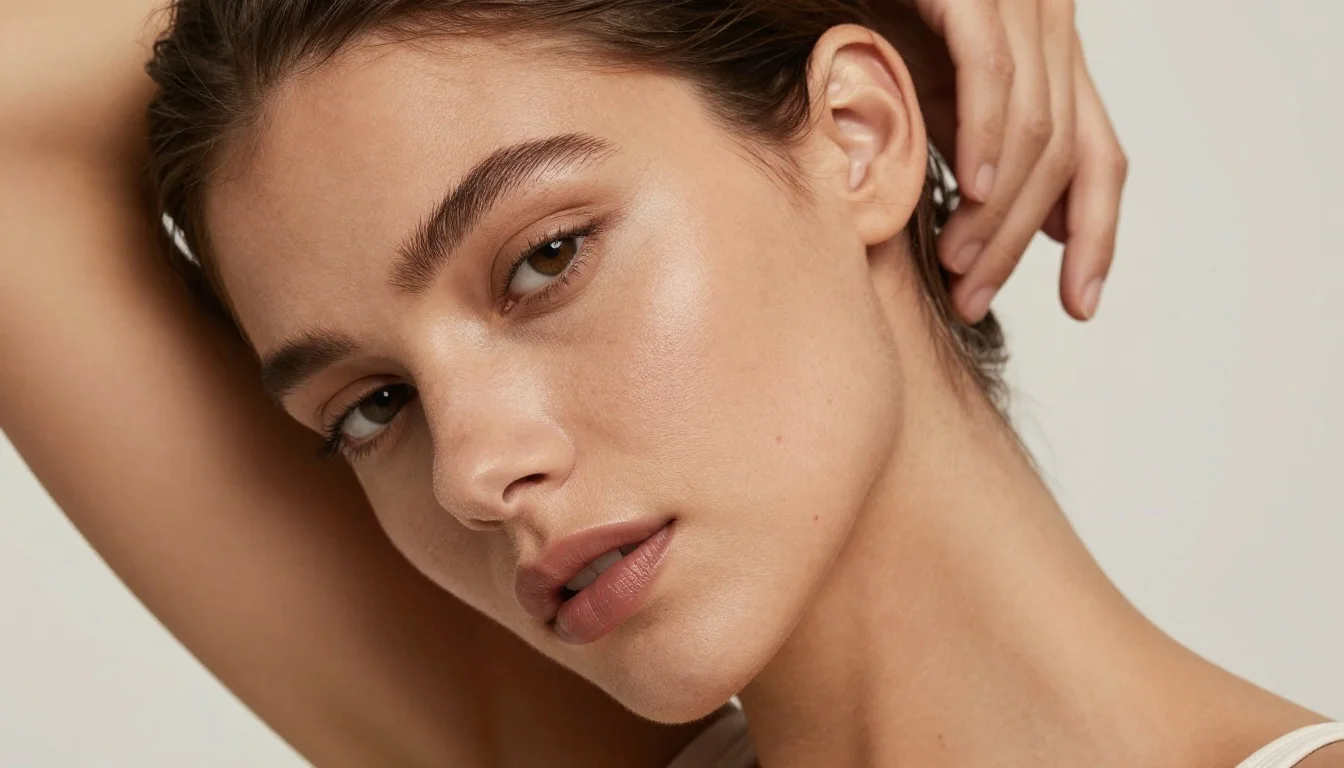
What blush color is best for olive skin?
Warm peach, coral, apricot, and terracotta blush shades are the most flattering on olive skin. These share the skin's warm-golden register, so they read as a natural flush rather than an applied color. Bronzed rose is another strong option that bridges warmth and softness. All of these avoid the cool-pink undertone that clashes with olive's green-gold quality.
The Best Blush Shades for Olive Skin
Peach-Coral Blush
Peach and coral blushes are the most universally flattering on olive skin. They share the skin's warm-golden register, so they read as a natural flush rather than applied color. Warm peach is the everyday workhorse — soft enough for daytime, enough warmth to avoid looking cool or pink. Soft coral adds slightly more intensity and photograph beautifully on olive skin.
Warm Terracotta Blush
Terracotta blush is the high-drama option for olive skin — and one it handles beautifully. The earthy warmth of a terracotta shade resonates deeply with the golden quality in olive skin. It gives a flushed, sun-baked warmth that looks intentional and striking. Best layered over a bronze base for the full effect. Ideal for evenings or when you want a full-face look.
Bronzed Rose Blush
Bronzed rose occupies the sweet spot between pink and warm — enough rose to read as a blush, enough warmth to resonate with olive undertones. It avoids the cool, disconnected quality of a true pink while being more versatile and wearable than full terracotta. This is the shade family that works beautifully on neutral-olive and warm-olive complexions alike.
Golden Bronze for Warmth Base
Strictly speaking, a golden bronzer is not a blush — but on olive skin it functions as the warmth canvas that makes any blush shade work better. Apply bronzer across the cheekbones and temples first, then layer a peach or coral blush on the apples of the cheeks. The bronze grounds the color and makes it look like part of the skin rather than sitting on top.

Ready to see yourself in peach & coral?
Start my color analysisHow to Apply Blush on Olive Skin
Build warmth in layers
Apply bronzer first across the cheekbones, temples, and hairline — this creates the warmth canvas and prevents blush from looking isolated. Then apply peach or coral blush on the apples of the cheeks, blending up and outward toward the temples. The layered effect creates a sun-kissed warmth that reads as cohesive rather than applied. On olive skin, blush alone without bronzer can look like a patch of color rather than a full-face warmth.
Placement for olive complexions
Smile gently and apply blush from the apples of the cheeks, blending back toward the ear in a C-shape sweep. Avoid placing blush too low on the face — low placement can make warm blush shades look muddy on olive skin. A slightly higher placement, just under the cheekbone, creates the lifted, glowing effect that works best. Blend thoroughly — warm shades on olive skin can look patchy if not well-blended.
Daytime versus evening looks
For daytime: use a light hand with warm peach or apricot blush, applied with a large fluffy brush. The goal is a warm glow, not drama. For evenings: layer terracotta or bronzed rose over the bronzer base with a more targeted, dense brush for richer color. You can also deepen the warmth with a second light layer of bronzer over the blush for a fully sun-kissed evening look.
Cream versus powder blush
Both work well on olive skin, but cream blush applied with fingers or a dense brush gives a more natural, skin-like flush that olive skin handles beautifully. Apply cream blush before setting powder and blend thoroughly. Powder blush over a set base gives more control and is easier to build gradually. For the sun-kissed look, cream blush layered with a light powder bronzer on top creates depth and dimension.
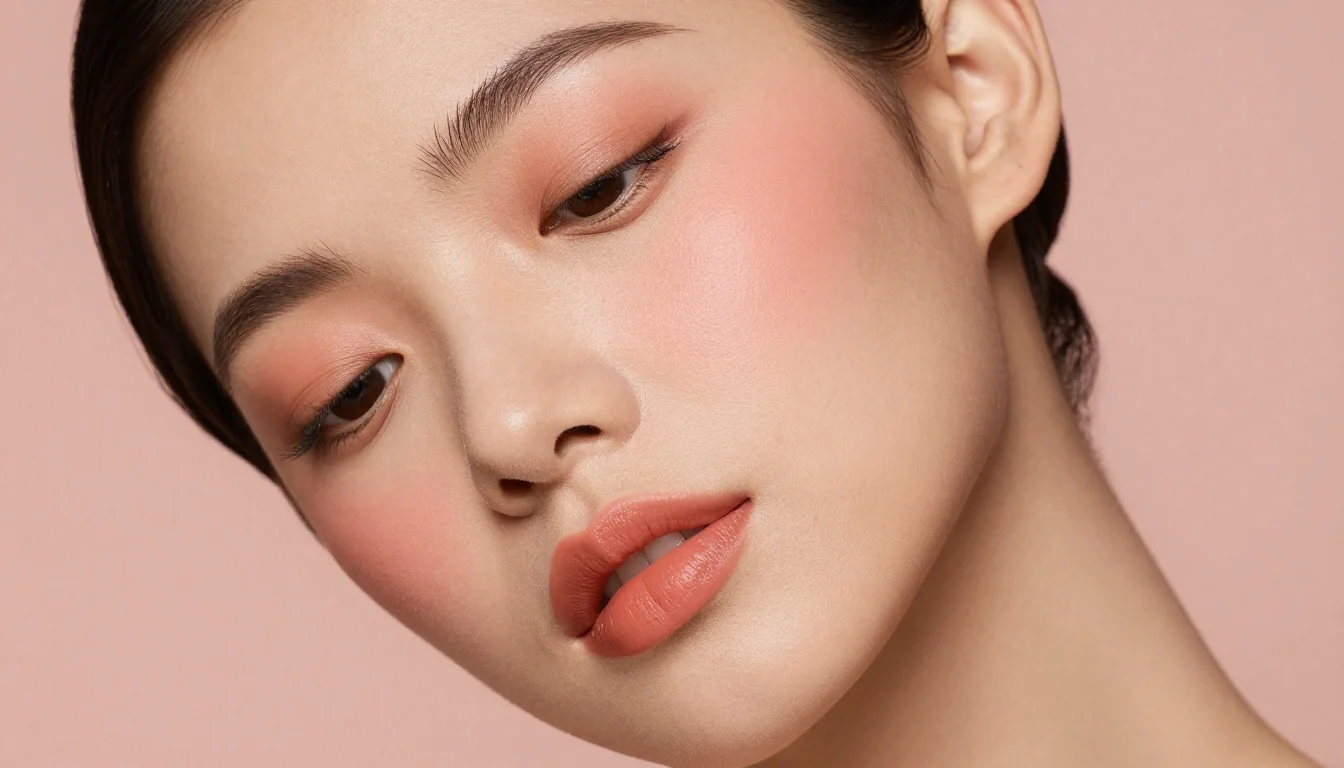
Blush Shades That Fight Olive Skin
Cool pink blush
Cool, blue-based pink blush — baby pink, candy pink, or icy rose — has no undertone relationship with olive skin's green-gold warmth. It sits on the cheeks looking disconnected, and the coolness of the shade makes the surrounding skin look sallow by contrast. The more saturated the cool pink, the worse the clash. Avoid anything with a visible blue or lavender base.
Lavender or mauve blush
Lavender and mauve blushes are essentially cool pink with added purple. On olive skin, these shades actively fight the green-gold undertone — the cool purple clashes with the warm green and creates an unflattering contrast that can make olive skin look grey or tired. No amount of blending fixes the underlying undertone conflict.
Pastel or icy blush shades
Very light, pastel, or icy blush formulations that are designed for fair or cool complexions tend to sit on olive skin without registering as a flush — they simply add a cool, chalky tone. If you want a soft, everyday look, choose a light peach rather than a light pink. The warmth of peach will show up on olive skin where a pastel pink will not.
Bright fuchsia or magenta blush
Fuchsia and magenta blushes are high-pigment, cool-toned shades that clash dramatically with olive undertones. Even when they are beautiful on other skin tones, on olive skin they create a strong undertone conflict that makes the complexion look uneven and strange. These shades are designed for cool or neutral skin, not warm-olive.
Stop guessing — preview every shade on you
See myself in my shadesBlush Swaps That Work for Olive Skin
Replace the shades that fight your undertone with versions that resonate with warm, green-gold skin.
Cool pink has no undertone relationship with olive skin. Peach sits in the same warm register and reads as a natural flush.
Fuchsia clashes with olive undertones. Terracotta gives drama in a warm key that complements your complexion.
Pastel pink disappears on olive skin or adds a cool cast. Light peach shows up with warmth and reads as a natural glow.
Cool dusty rose fights the green-gold undertone. Bronzed rose has the same romantic quality with warmth that resonates.
On olive skin, blush without bronzer can look isolated. Bronzer creates the warmth canvas that makes any blush shade look cohesive.
Silver highlight pulls cold notes from olive skin. Warm gold creates luminosity that complements the bronzed blush look.
Which Seasonal Palette Matches Your Olive Skin?
Olive skin appears across multiple seasonal palettes, and your specific season determines which blush shades are most precise for your coloring. The key variables are the warmth and depth of your olive tone.
Warm Autumn
Learn moreThe most common seasonal match for golden-warm olive skin with warm brown or chestnut hair. Your ideal blush range: warm terracotta, burnt sienna, and apricot. Pair with a golden-brown bronzer and a warm rose-gold highlight for the full sun-kissed effect that this palette does best.
True Spring
Learn moreIf your olive skin runs lighter and brighter — with a golden warmth but less depth — True Spring may be your palette. Blush shades that work here are warm peach and soft coral: bright enough to show on lighter olive skin, warm enough to avoid the cool-pink clash.
Soft Autumn
Learn moreIf your olive coloring is muted and medium — not the deepest or the lightest — Soft Autumn is worth exploring. This palette's blush sweet spot is a soft terracotta or a muted peach-rose: warm in undertone but not overpowering, which suits the softer, lower-contrast coloring of this season.
Find Your Exact Blush Palette
Olive skin is beautifully compatible with warm blush shades — the challenge is that mainstream beauty advice rarely speaks to your undertone directly. A personalized color analysis identifies your specific seasonal palette, which translates directly into a precise guide: the exact blush families, undertones, and intensity levels that flatter your version of olive skin.

Related Guides for Best Blush for Olive Skin
Explore more personalized color advice based on your features.
Want to see these colors on you? What Colors Look Good on Me — free to try.
Frequently Asked Questions About Best Blush for Olive Skin
What blush color is best for olive skin?
Warm peach, coral, apricot, and terracotta blush shades are the most flattering on olive skin. These share the skin's warm-golden register, so they read as a natural flush rather than an applied color. Bronzed rose is another strong option that bridges warmth and softness. All of these avoid the cool-pink undertone that clashes with olive's green-gold quality.
Can olive skin wear pink blush?
Olive skin can wear blush with some pink in it, provided it is a warm pink — specifically bronzed rose or rose with a peachy warmth. Cool, blue-based pink blush (baby pink, candy pink, lavender-rose) does not work well on olive skin: it has no undertone relationship with the green-gold complexion and looks disconnected. Always verify the undertone of any pink before applying.
Should I use bronzer instead of blush on olive skin?
Use both — bronzer as the warmth base and blush as the flush on top. Apply bronzer across the cheekbones and temples first, then layer a peach or coral blush on the apples. On olive skin, blush alone without bronzer can look isolated. The combination creates the sun-kissed cohesiveness that is the signature look for olive skin done well.
What blush looks natural on olive skin?
Warm peach and apricot blush shades look the most natural on olive skin because they share the complexion's warmth. Applied lightly with a fluffy brush over a bronzed base, they read as the natural warmth of a flush rather than applied makeup. Avoid heavily pigmented cool shades, which always read as product rather than skin.
Does terracotta blush work on olive skin?
Terracotta blush works beautifully on olive skin and is one of the most striking options. The earthy warmth resonates deeply with olive's golden-green undertone. It looks intentional and sun-kissed rather than overdone. Best applied over a golden bronzer for a full warm-face look. Ideal for medium to deeper olive tones and particularly stunning for evenings.
What blush should I avoid with olive skin?
Avoid cool pink blush, lavender blush, mauve blush, fuchsia, and any shade with a visible blue or purple undertone. These fight the green-gold undertone of olive skin and create a color clash that makes the blush look disconnected from the rest of your complexion. Pastel or icy pink blush is also a poor choice — it either disappears on olive skin or adds an unflattering cool cast.