The Right Shade of Redfor Olive Skin
Olive skin and red is a powerful combination — but the wrong shade turns muddy fast. Discover how to find the colors that actually flatter your coloring.
You already know red works for you — you've seen it on someone with your coloring and it looked incredible. The question isn't whether to wear red. It's which red. Olive skin has a complex undertone: green or yellow-green beneath the surface, sometimes with warm golden tones, occasionally with cooler grey-green qualities. That undertone chemistry means certain reds harmonize beautifully and others fight the skin at every turn. The difference between a tomato red and a brick red on olive skin is the difference between striking and muddy. Here's where to land.


3,000+
happy clients
Why Temperature and Depth Change Everything on Olive Skin
You already know red works for you — you've seen it on someone with your coloring and it looked incredible. The question isn't whether to wear red. It's which red. Olive skin has a complex undertone: green or yellow-green beneath the surface, sometimes with warm golden tones, occasionally with cooler grey-green qualities. That undertone chemistry means certain reds harmonize beautifully and others fight the skin at every turn. The difference between a tomato red and a brick red on olive skin is the difference between striking and muddy. Here's where to land.
Olive skin sits in a unique position on the color spectrum — neither distinctly warm nor distinctly cool, but containing both qualities simultaneously. The green undertone means that reds with strong blue bases can create an unflattering cool contrast. The yellow or golden quality means that very orange-leaning reds can tip the skin toward sallowness. Most olive skin finds its sweet spot in reds that are warm but grounded — shades that contain enough depth to complement the richness of the skin tone without veering into the orange-territory that creates clash.
Depth matters as much as temperature. Olive skin, especially medium to deeper olive, has substantial natural pigment. That richness means it can carry deep, saturated reds with ease — in fact, deep reds often look more striking on olive than on lighter skin tones because the contrast between a saturated color and a complexion with depth creates visual intensity. Where olive skin struggles is with very bright, flat reds that sit right at the mid-range of the value scale — they neither harmonize with the complexity of the skin nor provide enough contrast to look intentional.
The final variable is clarity. Olive skin is generally a muted, complex tone rather than a clear, simple one. Very bright, clear, almost neon reds can clash with this complexity. Reds that have warmth, depth, and a slightly earthy or berry quality to them tend to align with the multi-dimensional quality of olive skin far better than reds that are purely bright and singularly saturated.
What shade of red is best for olive skin?
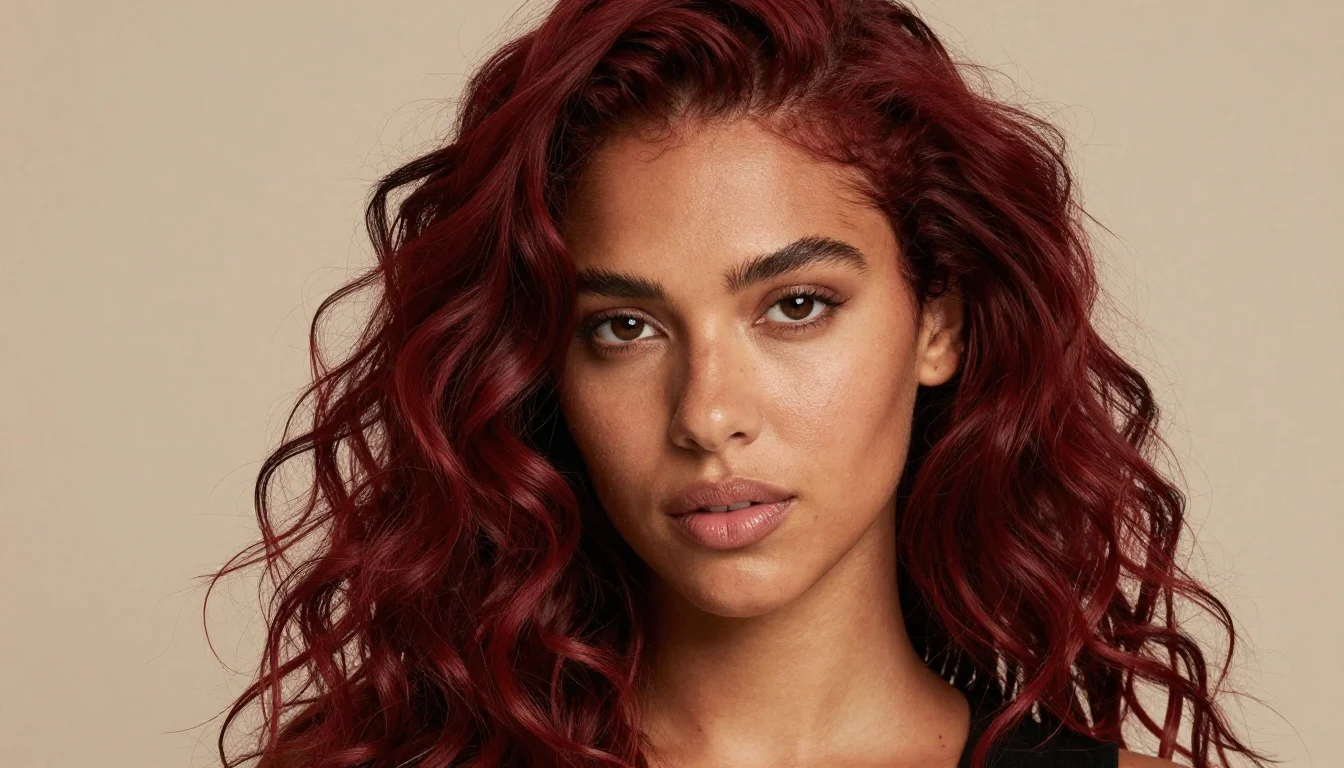
Brick red, tomato red, and deep burgundy are the most consistently flattering shades of red for olive skin. Warm, earthy reds harmonize with olive's green-golden undertone, while deep reds like burgundy and wine create drama that plays to the skin's natural richness. Avoid orange-reds and purely cool-toned reds, which clash with olive's complex undertone.
Your Best Shades of Red
Brick Red
Brick red is olive skin's most consistent partner in the red family. The warm, earthy undertone of brick red resonates with the golden-green complexity of olive skin rather than fighting it. It's a red with enough orange-warmth to feel harmonious and enough depth to avoid looking washed out. A terracotta red blouse or clay-toned red knit next to olive skin creates a rich, cohesive look that feels deliberate rather than clashing. This is the red to reach for when you want something reliably flattering.
Tomato Red
Classic tomato red — clear, warm, and vivid — is a strong choice for olive skin with more golden undertones. The warmth aligns with the yellow base in olive without tipping into orange, and the vibrancy creates striking contrast. This works especially well on medium to deep olive skin where the richness of the complexion can anchor a truly saturated red. Cherry red sits in the same family: warm-leaning but bright enough to be genuinely vivid. These are your statement reds for occasions when impact is the goal.
Burgundy Red
Burgundy and wine reds give olive skin extraordinary depth and polish. The blue-red quality of burgundy might seem counterintuitive for olive skin, but the depth neutralizes any cool clash — at the level of richness that burgundy operates, the temperature discussion becomes secondary to the drama of the contrast. Deep olive skin in particular looks spectacular in wine and bordeaux: the pairing has the quality of something deliberate and luxurious. This is your professional power red and your evening statement.
Berry Red
Berry reds — those sitting between a true red and a cool pink-red — work for olive skin that has a slightly cooler or more neutral quality to the undertone. Raspberry and crimson are particularly strong: they have the saturation of a proper red with just enough berry quality to harmonize with olive's green undertone rather than clash. Deep rose-red is an especially sophisticated choice for events where you want the impact of red without the directness of a tomato or brick shade.

Ready to see terracotta red & sienna red on your face?
Start my color analysisHow to Wear Red When You Have Olive Skin
Daily wear
A brick red or tomato red top — blouse, turtleneck, or casual knit — is an effortlessly powerful choice for everyday olive skin dressing. The warmth of these reds harmonizes with the skin immediately, requiring no thought about coordination. Pair with warm neutrals: camel, chocolate brown, dark olive, or cream. The combination of red with warm-neutral bottoms and shoes lets olive skin do the work. Avoid pairing with cool grey or stark black unless the red is a deep burgundy, which handles those neutrals beautifully.
Professional settings
Burgundy and wine red are your professional power colors in this family. A deep burgundy blazer over a cream or ivory blouse is authoritative and sophisticated. Wine-colored trousers with a warm camel or tan top is an unexpected but highly refined work formula for olive skin. These deep reds have the gravitas that professional environments demand while making the most of olive skin's natural depth. Brick red works in more creative or client-facing roles — it's warmer and more approachable than burgundy.
Evening and occasions
Olive skin in a deep crimson or rich bordeaux at an evening event is one of the most striking color combinations in existence. The depth of the red against the warmth of olive skin in evening lighting — especially in silk or satin — creates a genuinely luxurious effect. For high-contrast occasions, go full commitment: a wine or burgundy gown or dress with gold jewelry (warm metals always, with olive skin). Tomato red for a more festive, high-energy evening look is equally strong.
Jewelry and metal pairings
Olive skin in red calls for warm metal jewelry consistently. Gold — whether yellow gold or rose gold — with any of the warm reds described here creates a harmonious, rich aesthetic. Silver and white gold are less ideal: they introduce cool tones that can disrupt the warm harmony between olive skin and warm reds. For burgundy and deeper reds, antique gold or copper tones are particularly exquisite — they add to the sense of deliberate, jewel-toned richness.
Shades of Red to Skip
Orange-red
Reds that tip heavily into orange territory — fire engine orange-red, scarlet with a strong orange cast — can intensify the golden-yellow undertone of olive skin and push the complexion toward sallow or muddy. There's a narrow zone of warm red that works beautifully and an adjacent zone of orange-red that crosses a line. If the red looks orange in daylight, it's likely past the point of flattering for most olive undertones.
Very cool blue-red
Reds with a strong blue base — especially those verging on magenta — create a cool-warm temperature conflict with olive skin's inherent warmth. A purely cool red can make olive skin appear sallow or greenish by contrast. The key word is "purely" cool: burgundy at depth works fine, but a bright, flat cool-red without depth is the problem.
Faded or dusty rose-red
Desaturated reds — washed-out rose-reds, faded brick — lack the visual presence to create the contrast that olive skin needs. Olive skin carries enough richness that it requires colors with genuine saturation or depth to hold their own. A dusty, muted red simply disappears without adding the warmth or drama that this skin tone enables red to deliver.
Coral-red
Coral-adjacent reds occupy an awkward middle ground: they're orange enough to risk clash with olive's warmth but not warm enough to achieve the earthy harmony of brick red. For some golden-olive skin tones, true coral works, but the specific coral-red shade — red trying to be coral — is often the least flattering zone. If you love coral on your skin, go full coral; if you love red, go full red.
Stop guessing — preview every shade on you
See myself in my colorsRed Swaps for Olive Skin
Trading the red shades that clash for the ones that make olive skin glow.
Orange-red fights olive's warmth and tips the skin sallow. Brick red harmonizes with the earthy complexity of olive undertones.
Cool-bright reds create a temperature conflict with olive skin. Burgundy delivers the professionalism and depth that makes olive complexions look polished.
Desaturated reds disappear against olive skin's natural richness. Crimson and cherry have the vibrancy to create genuine, striking contrast.
Coral-red sits in an awkward zone. Brick and terracotta red achieve the warm harmony that coral-red is reaching for without the clash risk.
Very bright, flat reds can look garish against olive's complexity. Bordeaux and burgundy create drama with elegance.
Blue-red accessories introduce cool contrast. Berry red stays warm enough for olive skin while providing the color impact you want from a statement piece.
Which Color Season Fits Olive Skin in Red?
Olive skin spans several seasonal palettes depending on whether the undertone runs warm-golden, cool-grey-green, or neutral. The reds that work best depend on your specific seasonal identity.
Warm Autumn
Learn moreWarm olive skin with golden undertones and brown or hazel eyes most commonly falls in the Warm or Soft Autumn palette. Your reds are earthy and deep: brick red, terracotta, dark tomato, and rich burgundy all sit within your seasonal range. Warm Autumn olive skin looks particularly strong in reds that have an earthy, almost vintage warmth to them.
Deep Autumn
Learn moreDeeper olive skin with high natural pigment, dark hair, and dark eyes often lands in Deep Autumn. Your reds can be dramatic: deep wine, rich bordeaux, dark brick. The depth of your coloring means you can anchor very saturated, intense reds that would overwhelm lighter skin tones.
Deep Winter
Learn moreOlive skin with cooler grey-green undertones and high contrast between skin, hair, and eyes may fall in Deep Winter. Your reds lean toward the darker and cooler end: deep crimson, dark cherry, and rich burgundy rather than warm brick or terracotta. The depth remains constant across both Deep seasons.
Find Your Perfect Red
Olive skin and the right shade of red is one of the most powerful combinations in color dressing. The exact red that works best for you depends on whether your olive runs warm and golden, cool and grey-green, or sits somewhere in between — and on the depth and contrast of your overall coloring. A personalized color analysis pinpoints exactly where in the red spectrum your olive skin finds its ideal partner, whether that's a warm terracotta, a deep burgundy, or a vivid crimson.
Stop guessing — preview every color on you
Preview Yourself In Your Palette
Get my personalized paletteStop guessing — preview every color on you
Preview Yourself In Your Palette

Related Guides for Best Shade of Red for Olive Skin
Explore more personalized color advice based on your features.
Want to see these colors on you? What Colors Look Good on Me — free to try.
Frequently Asked Questions About Best Shade of Red for Olive Skin
What shade of red is best for olive skin?
Brick red, tomato red, and deep burgundy are the most consistently flattering shades of red for olive skin. Warm, earthy reds harmonize with olive's green-golden undertone, while deep reds like burgundy and wine create drama that plays to the skin's natural richness. Avoid orange-reds and purely cool-toned reds, which clash with olive's complex undertone.
Can olive skin wear bright red?
Yes — with caveats. Warm-bright reds like tomato and cherry red work well on olive skin, especially medium to deep olive. Very cool-bright reds (those with a blue or magenta base) are more problematic. The key is that the bright red should have a warm or neutral-warm temperature, not a cool one.
Does olive skin look good in burgundy?
Absolutely. Burgundy is one of the best shades of red for olive skin. Despite its cool-red base, burgundy's depth means the temperature conflict disappears — the richness of the color complements the richness of olive skin rather than fighting it. Deep olive skin especially looks spectacular in wine and bordeaux tones.
Should olive skin avoid orange-red?
Generally yes. Orange-red can intensify the golden undertone in olive skin in a way that tips the complexion toward sallow or muddy. Warm red — brick, tomato, terracotta — achieves warmth without the orange-clash. If a red looks orange in daylight, it's likely past the flattering zone for most olive undertones.
What jewelry works with red on olive skin?
Warm metals — yellow gold, rose gold, antique gold, copper — are the ideal partners for both red and olive skin. They reinforce the warmth of the color combination. Silver and white gold introduce cool tones that can disrupt the harmony. For burgundy and deeper reds, antique gold creates a particularly luxurious finish.