The Best Blush Shades forCool Undertones
Cool undertones need blush with a pink or blue base — not warm peach or orange that fights the skin. Discover which tones look natural on you — and which to skip.
Cool undertones — the pink, blue, or rosy quality beneath the skin — need blush that shares their cool temperature. Warm peach, apricot, and orange blush reads as artificial on cool-toned skin: the color sits on the surface rather than integrating with the complexion. The blush family that works: dusty rose, cool pink, soft berry, and mauve. These shades enhance the natural freshness of cool undertones and look like your own flush, amplified.


3,000+
happy clients
Why Cool Undertones Need Cool-Based Blush
Cool undertones — the pink, blue, or rosy quality beneath the skin — need blush that shares their cool temperature. Warm peach, apricot, and orange blush reads as artificial on cool-toned skin: the color sits on the surface rather than integrating with the complexion. The blush family that works: dusty rose, cool pink, soft berry, and mauve. These shades enhance the natural freshness of cool undertones and look like your own flush, amplified.
Cool undertones have a pink, blue, or rosy quality beneath the skin's surface. This coolness is what makes cool-toned skin look fresh, clear, and porcelain-like in the right light. Blush that shares a cool base — dusty rose, cool pink, mauve — echoes and enhances this quality. Blush that's warm-based — peachy, apricot, orange-coral — creates a temperature mismatch that reads as artificial. The warm product doesn't resonate with the cool undertone; it sits on top as an obviously applied color.
The cool-blush family covers a wide range: from the palest sheer baby pink on fair cool skin to deep muted berry on deeper cool complexions. The common thread is the underlying coolness — a pink or blue base that harmonizes with the rosy-to-porcelain quality of cool undertones. Even within the rose family, a cool dusty rose (with a slightly blue base) works on cool undertones while a peachy-rose or warm mauve does not. Many "neutral" blushes in mainstream brands actually lean warm — look specifically for cool pink or rose descriptors when shopping.
The practical benefit of matching blush temperature to cool undertones is integration: the blush color becomes part of the skin's story rather than a separate element sitting on top. A dusty rose or cool berry blush on cool skin reads as the natural rosiness of the complexion intensified. A warm peach blush on the same skin reads as an imported color — from a different temperature range than the skin itself. Integration versus sitting-on-top is the entire goal of well-chosen blush.
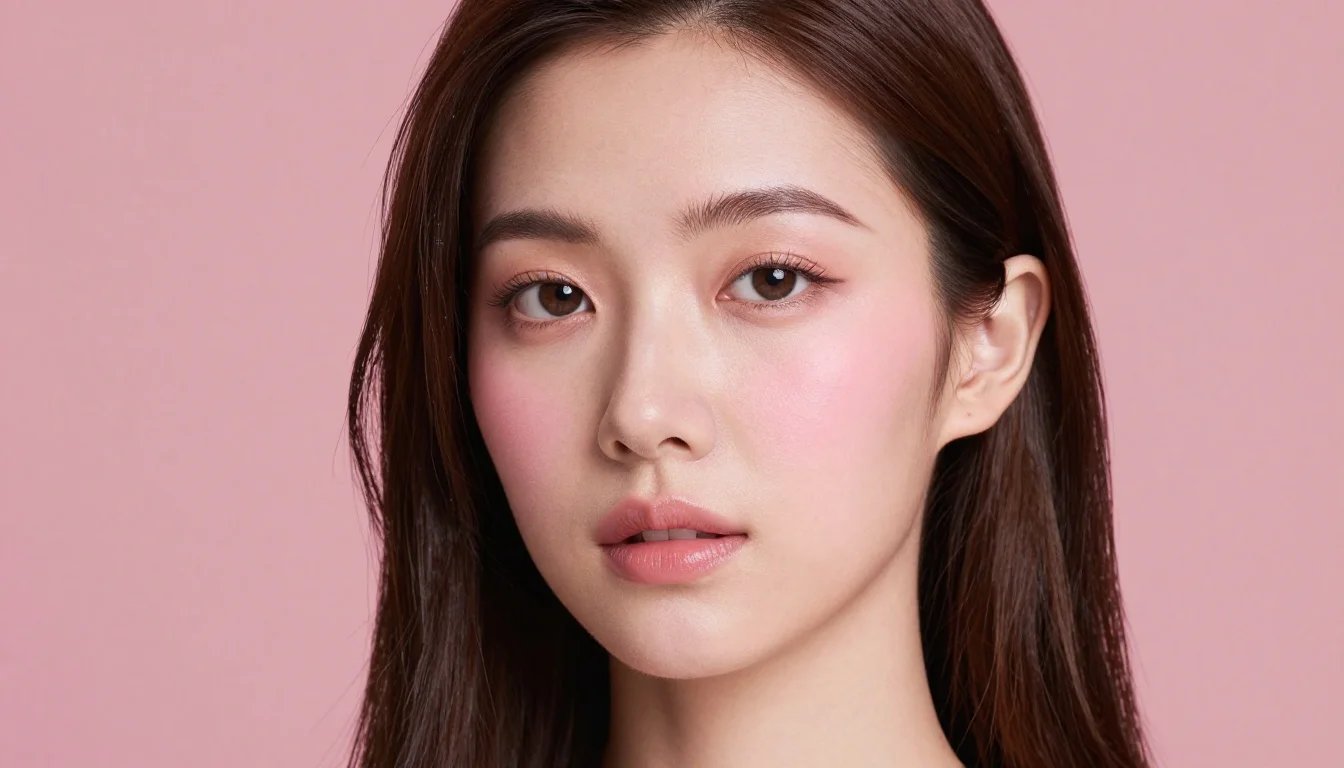
What blush color is best for cool undertones?
Dusty rose, cool pink, mauve, and soft berry are the most flattering blush shades for cool undertones. The common thread is a pink or blue base that harmonizes with the rosy quality of cool skin. For fair cool skin, baby pink and pale dusty rose work best. For medium cool skin, full dusty rose and mauve. For deep cool skin, muted berry and soft plum.
Your Best Blush Shades for Cool Undertones
Dusty Rose: The Signature Cool-Undertone Blush
Dusty rose is the quintessential cool-undertone blush. The muted, slightly powdery quality of dusty rose has a blue-pink base that harmonizes with the rosy quality in cool skin. It reads as sophisticated and natural — the color integrates with cool undertones rather than fighting them. Dusty rose works across fair, medium, and medium-deep cool complexions, adjusting in depth but maintaining the cool temperature. It is the most versatile, universally flattering blush shade for the cool palette.
Cool Pink: Fresh and Luminous
Cool pink blush — with a clear blue base rather than a peachy warmth — enhances the freshness and clarity that defines cool-toned skin. On cool undertones, a sheer cool pink reads as a luminous, healthy flush — the color resonates with the skin's own rosiness and amplifies it. Fair and light cool skin can wear the sheerer, lighter end of cool pink. Medium cool skin can handle more saturation. The key is to keep cool pinks cool — avoid any pink that leans toward peach or salmon.
Mauve: Sophisticated Depth
Mauve — the dusty, slightly purple-toned rose — is a deeply flattering blush family for cool undertones. The purple quality in mauve aligns with cool skin's blue-pink base, creating a harmonious, elegant flush. Mauve blush reads as more sophisticated and intentional than a simple pink, making it ideal for evenings or when you want a deliberate, polished look. It works particularly well on medium cool and cool olive complexions where the depth of mauve doesn't disappear into the skin.
Soft Berry: Drama for Deeper Cool Skin
Berry blush — the family between deep pink and purple-red — is the high-drama option for cool undertones, and particularly beautiful on deeper cool complexions where lighter pinks can look washed out. The cool, blue-red base of berry shades resonates deeply with cool undertones and creates a richly flushed, vibrant look. The key is sheer or muted berry: a translucent wash of raspberry or a soft plum reads as a natural deep flush on cool skin. Highly pigmented berry can look too intense — build gradually or choose a cream formula.

Ready to see yourself in rose & rose?
Start my color analysisHow to Apply Blush for Cool Undertones
Layer cool blush with a cool-toned highlighter
Cool undertones look most luminous with cool-toned shimmer. After applying dusty rose or cool pink blush, add a pale pink or silver-toned highlighter to the tops of the cheekbones. The cool shimmer resonates with both the blush and the skin's undertone, creating a cohesive, naturally luminous glow. Avoid warm gold or bronze highlighter over cool blush — the temperature clash between warm shimmer and cool blush creates an incoherent finish.
Use cream blush for the most natural cool-skin result
Cream blush blends into cool skin with a fresh, skin-like quality. For cool undertones, a sheer cream dusty rose or cool pink applied with fingertips melts into the skin seamlessly — the warmth of your fingers helps the formula integrate. Cream blush on cool skin creates the most convincing "flush from within" effect. Build from a light base: cream blush is easy to layer but difficult to undo if over-applied, so start with less than you think you need.
Match blush depth to your skin depth
Fair cool skin suits the lightest, most sheer end of the cool blush family: baby pink, pale dusty rose, and very soft mauve. Medium cool skin can handle more saturation: full dusty rose, cool-toned raspberry pink, and medium mauve. Deep cool skin looks best with the richest cool blush shades: muted berry, soft plum, and deep cool raspberry. The rule of thumb: blush should add color without overwhelming — matching depth to skin depth keeps the result looking balanced rather than costume-like.
Try cool blush as an eye accent for monochromatic looks
Cool undertones can create a cohesive monochromatic look by pressing a small amount of dusty rose or soft mauve blush onto the eyelid crease or under the lower lash line. A wash of cool rose shadow using the same product as your cheek blush ties the face together in a way that feels intentional and editorial. This technique works particularly well with matte or satin blush formulas — avoid shimmery blush on the eyes unless the shimmer is very fine.
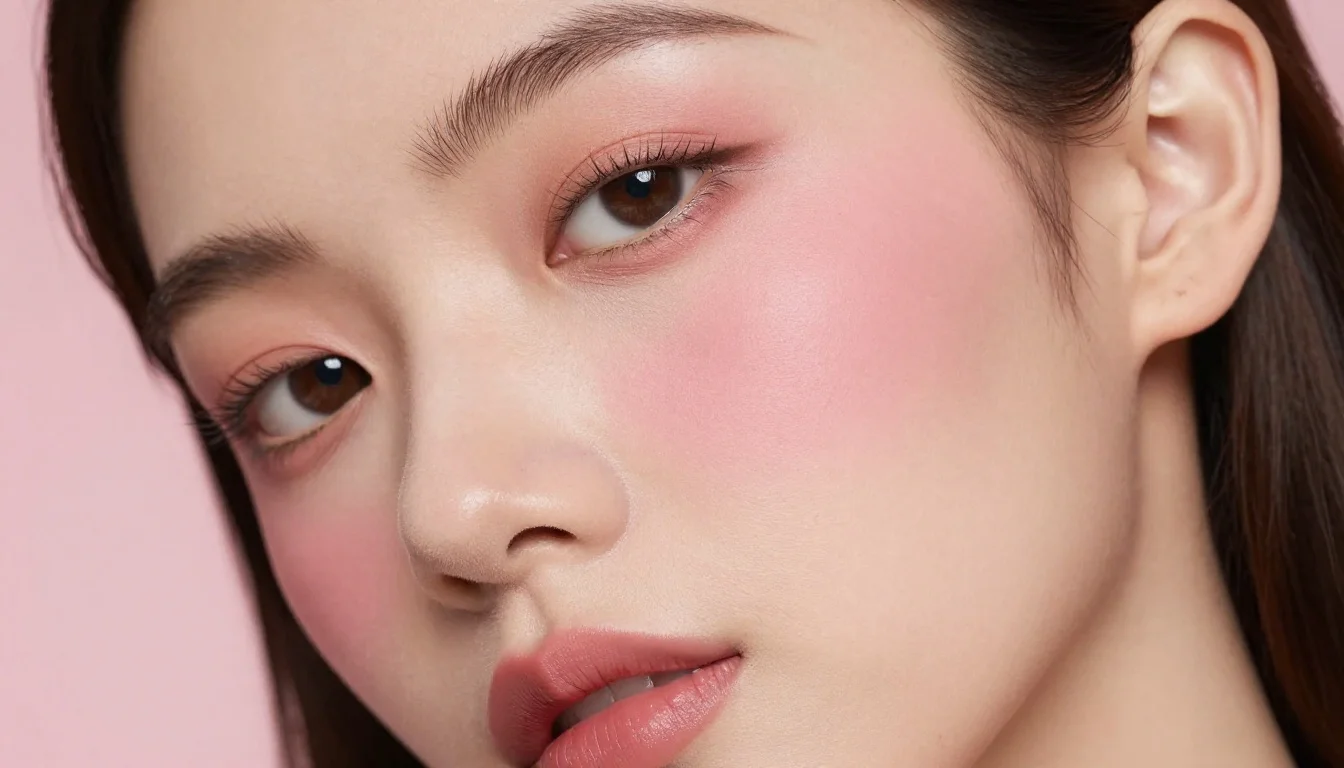
Not sure your undertone reads cool?
If you are second-guessing whether you are cool, neutral, or warm, answer five quick questions to match your makeup shades across foundation, blush, lip, and eye.
Blush Shades That Fight Cool Undertones
Warm peach and apricot blush
Peach and apricot blush have a yellow-orange base that creates a visible temperature clash with cool skin. On cool-toned skin, a warm peach blush reads as an imported warmth — the color doesn't belong to the skin's natural register. The contrast between cool undertones and warm-based blush is the most common blush mistake for cool-toned people: the product sits on the skin looking applied rather than integrated. Switch to a cool dusty rose or baby pink for the same soft effect without the temperature mismatch.
Orange-based coral
Coral blush — especially the orange-leaning kind — is the opposite temperature register from cool undertones. On cool skin, orange-coral blush can look garish or clashing: the warm orange fights the skin's cool quality and neither the blush nor the skin looks its best. Even if you love the energy of coral, look for cool-toned alternatives: a raspberry-pink or berry shade gives similar vibrancy with a cool base that works with rather than against your undertone.
Warm terracotta and brick-red blush
Terracotta and warm brick blush are deeply warm shades — earthy orange-red — that belong to the warm autumn palette. On cool undertones, they read as disconnected from the skin's temperature and can create an artificially warm, overly bronzed appearance that doesn't harmonize with cool skin's natural quality. If you want depth in your blush, choose cool-toned depth: muted berry, soft plum, or cool raspberry rather than terracotta.
Warm bronze blush or heavily warmed neutrals
Bronze blush and warm golden-tan shades that work on warm and neutral undertones look disconnected on cool skin. The golden quality of warm neutrals contrasts with the pink-blue quality of cool undertones, creating a mismatch that reads as wrong even if you can't immediately identify why. 'Nude' blushes in many mainstream brands lean warm — test carefully, as a nude that looks natural in the pan may lean peachy or golden on cool skin.
Stop guessing — preview every shade on you
See myself in my shadesBlush Swaps for Cool Undertones
Replacing warm-toned blush with cool-toned alternatives that harmonize with pink and rosy skin.
Warm peach creates a temperature clash on cool skin. Dusty rose shares the cool temperature of your undertone and integrates as a natural flush.
Orange-based coral fights cool undertones. A cool raspberry-pink gives the same vibrant summer energy with a blue-pink base that works with cool skin.
A rose with a peach base leans warm and clashes with cool undertones. A rose with a blue base — dusty rose, antique rose — sits in the cool family and integrates naturally.
Terracotta is a warm-palette shade that reads as disconnected on cool skin. Sheer berry and cool plum give evening depth in a cool register that harmonizes with your undertone.
Warm gold shimmer contrasts with cool blush and creates incoherence. Pink or silver highlighter shares the cool temperature of your blush and skin, creating seamless luminosity.
Warm nudes lean peachy or apricot and fight cool undertones even at low intensity. A sheer cool pink or pale dusty rose disappears into cool skin as a natural warmth without any temperature mismatch.
Which Seasonal Palette Has Cool Undertones?
Cool undertones appear across several seasonal palettes. Your specific season depends on your depth, whether your coolness is soft or clear, and your overall contrast level.
Cool Summer
Learn moreMedium-light to medium skin with a muted, soft cool undertone and low-to-medium contrast belongs to Cool Summer. Your blush: dusty rose, soft mauve, and muted cool pink. Summer coolness is soft and muted — your blush reflects that with the most muted, powdery end of the cool family. Avoid anything bright or saturated.
Cool Winter
Learn moreMedium to deep skin with a clear, vivid cool undertone and high contrast belongs to Cool Winter. Your blush: cool raspberry-pink, cool berry, and vivid rose. Winter coolness is clear and intense — your blush can carry more saturation than Summer. Cool, jewel-toned berry and cool raspberry read as sharp and intentional on Winter skin.
Light Summer
Learn moreFair to light skin with a soft, delicate cool undertone and low overall contrast belongs to Light Summer. Your blush: the palest end of the cool family — baby pink, very pale dusty rose, and the sheeerest soft mauve. Light Summer needs the lightest touch with blush: a barely-there cool rose or whisper of soft pink reads as a natural flush without overwhelming the delicate coloring.
Find Your Exact Cool-Undertone Blush
Cool undertones in the right blush are quietly extraordinary — a dusty rose or cool pink flush that resonates with rosy skin reads as natural freshness rather than makeup. A personalized color analysis identifies your specific season within the cool family and gives you exact blush shades, product recommendations, and application guidance for your specific cool complexion.

Related Guides for Best Blush for Cool Undertones
Explore more personalized color advice based on your features.
Want to see these colors on you? Skin Undertone Test — free to try.
Frequently Asked Questions About Best Blush for Cool Undertones
What blush color is best for cool undertones?
Dusty rose, cool pink, mauve, and soft berry are the most flattering blush shades for cool undertones. The common thread is a pink or blue base that harmonizes with the rosy quality of cool skin. For fair cool skin, baby pink and pale dusty rose work best. For medium cool skin, full dusty rose and mauve. For deep cool skin, muted berry and soft plum.
Can cool undertones wear peach blush?
Cool undertones generally do not suit peach blush because peach has a yellow-orange base that creates a temperature mismatch with cool skin. The warm-orange quality of peach fights the pink-blue quality of cool undertones, making the blush read as applied rather than integrated. If you love the softness of peach, look for a peachy-pink that leans cool — with more pink than orange — or switch to a baby pink or pale dusty rose for a similar soft effect.
What is the difference between dusty rose and mauve blush for cool undertones?
Dusty rose is a muted pink with a slightly grey or powdery quality — it reads as vintage rose and is the most universally flattering for cool undertones. Mauve adds a purple-plum quality to the rose, making it slightly deeper and more sophisticated. Both are cool-based and work on cool undertones. Dusty rose is the more everyday, versatile choice; mauve reads as more intentional and works better for evenings or on medium-to-deep cool skin where the purple depth shows clearly.
Do cool undertones look good with highlighter and blush together?
Yes — cool undertones look best with a cool-toned highlighter paired with cool blush. A pale pink or silver highlighter applied to the tops of the cheekbones over dusty rose or cool pink blush creates cohesive luminosity: the shimmer temperature matches the blush temperature, and both resonate with the cool undertone. Avoid warm gold or bronze highlighter over cool blush — the temperature clash between warm shimmer and cool blush creates an incoherent finish.
Why does warm peach blush look wrong on my cool skin?
Warm peach blush has a yellow-orange base that sits in a different temperature register than cool undertones. When peach lands on cool-toned skin, the contrast between the warm product and the cool skin reads as artificial — the blush appears as a separate element rather than integrating with the complexion. Cool-toned skin needs blush that shares its pink-blue register: dusty rose, cool pink, or mauve all integrate naturally because their temperature matches the skin's undertone.
How can I tell if a blush is cool-toned or warm-toned?
Swatch the blush on white paper and ask: does this lean pink-purple (cool) or orange-peach (warm)? Cool blush shades include any rose, pink, berry, or mauve with a blue or purple base. Warm blush shades include peach, apricot, coral, salmon, and terracotta — anything with a yellow or orange base. Look for product descriptor words: 'dusty rose,' 'cool pink,' 'raspberry,' 'berry,' and 'mauve' signal cool. 'Peach,' 'coral,' 'apricot,' 'warm rose,' and 'terracotta' signal warm. Many brands now label undertone direction in their shade names.