Best Lowlights forWarm Undertones
Warm undertones glow with the right lowlights — but the wrong tones add muddiness. Discover how to find the colors that actually flatter your coloring.
Lowlights add depth and dimension by weaving darker tones through existing hair — but on warm-undertoned skin, the colour of those darker tones matters enormously. Warm undertones need lowlights that echo and enhance their natural golden, peachy, or amber quality. Go too cool or ashy and your skin can look sallow or dull. Go too warm and rich and the contrast becomes muddy. The right lowlights for warm undertones add depth while keeping the hair looking sun-kissed and the complexion luminous.


3,000+
happy clients
Why Undertone Affects How Lowlights Read
Lowlights add depth and dimension by weaving darker tones through existing hair — but on warm-undertoned skin, the colour of those darker tones matters enormously. Warm undertones need lowlights that echo and enhance their natural golden, peachy, or amber quality. Go too cool or ashy and your skin can look sallow or dull. Go too warm and rich and the contrast becomes muddy. The right lowlights for warm undertones add depth while keeping the hair looking sun-kissed and the complexion luminous.
Warm undertones — golden, peachy, or amber skin — create a natural harmony with yellow-based and red-based hair tones. When lowlights are chosen in the same warm temperature family, they read as natural depth: the kind of variation hair gets from sun and shadow. The hair looks three-dimensional and the skin glows because the two warm palettes reinforce each other.
The problem arises when lowlights are chosen in ash, cool brown, or blue-toned shades. On warm-undertoned skin, cool lowlights create a visual disconnect: the hair pulls cool while the skin pulls warm, and instead of harmony you get contrast that reads as hair colour looking "off." Ashy lowlights can also cast a grey-green shadow on warm complexions, making golden or peachy skin appear sallow.
The good news is that warm undertones have a rich range of lowlight tones available — from caramel and toffee to rich chocolate and warm espresso. The key is staying in the warm brown family and avoiding anything with significant blue, violet, or ash cast. Warm lowlights on warm skin create dimension without disruption.
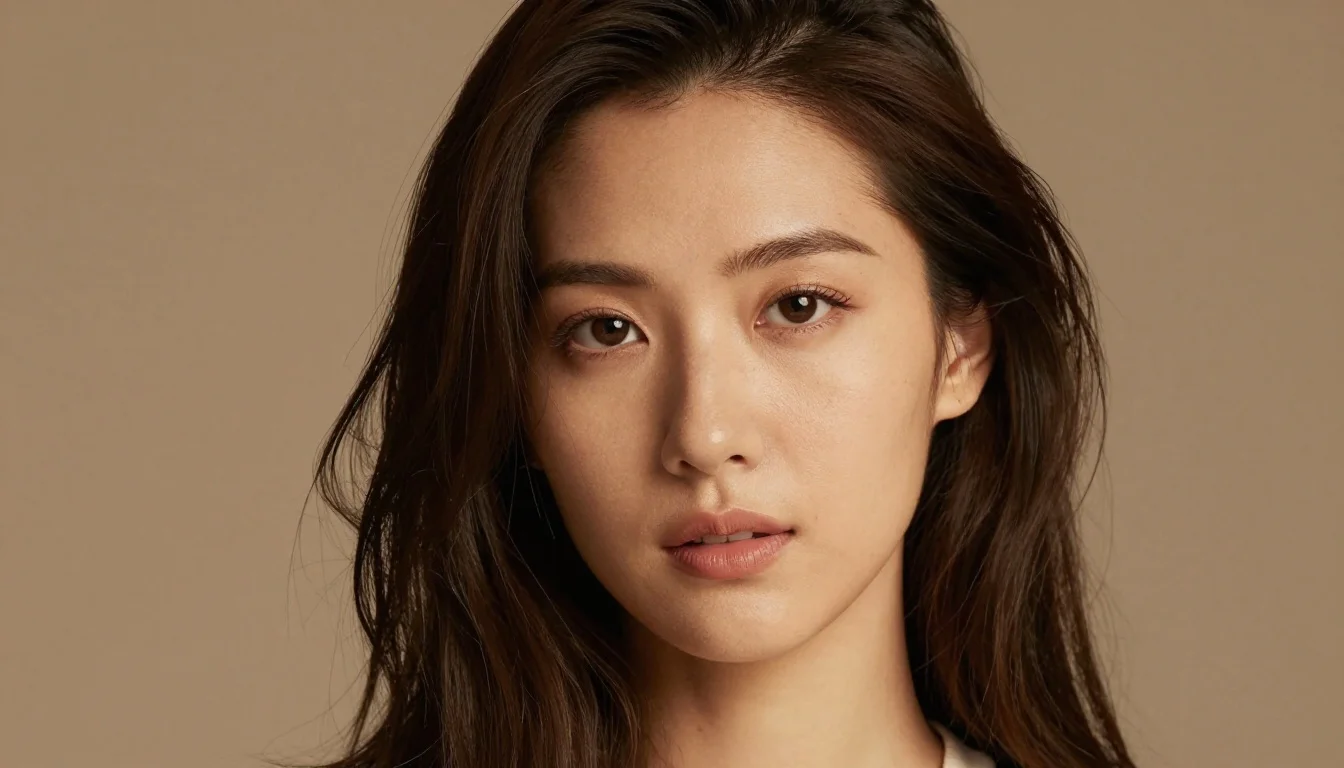
What are the best lowlight colours for warm undertones?
Caramel, toffee, warm chocolate, mahogany, cinnamon, and warm espresso are the best lowlight tones for warm undertones. All sit in the yellow-orange-red brown family that shares the same warmth as golden, peachy, or amber skin. Avoid ash-based browns and cool dark chocolates, which can make warm skin look dull or sallow.
Your Best Lowlight Tones
Caramel and Toffee
Caramel and toffee lowlights are the most universally flattering for warm undertones. They add depth that reads as natural sun-and-shadow variation rather than obvious colouring. Golden caramel placed beneath lighter blonde or honey tones creates beautiful dimension. Warm toffee works through medium brown hair to deepen it without losing warmth. These shades flatter golden and peachy skin because they share the same yellow-orange base as the skin's undertone.
Rich Chocolate
Rich chocolate lowlights add genuine depth to medium-to-dark hair without shifting colour temperature to cool. Warm chocolate and milk chocolate browns have a red-orange base that reads beautifully next to golden or amber skin. Mahogany is particularly effective — its red-brown mix echoes the warmth of peachy or copper-tinged skin tones. These work best when blended throughout rather than placed in dramatic chunks.
Warm Auburn and Cinnamon
Auburn and cinnamon-toned lowlights bring out the red-warm dimension in warm-undertoned complexions. Cinnamon brown adds a subtle reddish warmth that catches light beautifully. Warm auburn deepens hair with a red-brown tone that makes golden skin look particularly glowing. These are stronger choices — they add warmth rather than simply depth — and they look especially good on medium-depth hair when the rest of the hair is a lighter warm tone.
Deep Espresso (Warm-Based)
For darker or deeper hair, warm-based espresso and mocha tones create the most depth without going flat or cool. The key is choosing brown-blacks with a red or mocha base rather than a blue or black base. Warm espresso against deep warm undertones creates beautiful drama — a rich, luxurious depth that makes the whole complexion look more vibrant. These are the darkest you'd go while keeping the warm-toned harmony intact.
Ready to see yourself in golden caramel & toffee?
Start my color analysisMaking the Most of Your Warm Lowlights
Placement for natural depth
For warm undertones, the most flattering lowlight placement is beneath the surface layers — deeper at the roots and scattered through the mid-lengths — rather than at the face frame. This creates depth that frames the face from within rather than casting darker shadow directly at the jaw and temples. Ask your stylist for a balayage-style lowlight application or babylights placed in the under-sections for a natural, glowing result.
Balancing with highlights
Lowlights work best on warm undertones when balanced with warm highlights in the same session or at previous appointments. The combination of warm highlights (honey, caramel, golden) and warm lowlights (toffee, chocolate, cinnamon) creates the most dimensional, sun-kissed result. This contrast — light and dark within the same warm family — is what makes warm-undertoned hair look luminous and intentional.
Maintenance and toning
Warm lowlights are low-maintenance compared to cool tones because they fade gradually back toward your natural warm base rather than going brassy or patchy. If you use a toning shampoo, choose a warm or neutral formula — not purple shampoo, which removes the warm tones you want to keep. A gloss treatment in a warm brown shade between salon visits can refresh the lowlights without a full colour service.
Colour pairing with your wardrobe
Warm lowlights look their most luminous against warm-toned clothing: terracotta, rust, olive, warm camel, and deep burgundy. These colours echo the warm palette and make hair colour and skin tone look cohesive. Avoid dressing in stark cool greys or icy tones when you want your warm lowlights to look their best — the temperature contrast works against the warmth you've invested in.
Lowlight Tones That Fight Warm Undertones
Ash brown and cool mushroom
Ash-based lowlights have a blue-grey cast that directly clashes with warm-undertoned skin. On golden or peachy complexions, ashy lowlights make the hair look dull and can cast a grey-green shadow on the skin. The contrast between a cool-toned lowlight and warm-toned skin never reads as intentional — it reads as hair colour that has gone wrong.
Cool dark brown and blue-black
Deep browns with a blue or violet base read almost black on warm skin tones and can make the overall look feel harsh and unharmonious. Cool dark brown pulls the hair colour temperature in the opposite direction from the skin's warmth, creating a flat, disconnected look. If you want depth, a warm mocha or espresso achieves the same darkness without the cool conflict.
Platinum or very light ash blonde lowlights
This is less common but some techniques involve very light, cool lowlights for contrast. On warm-undertoned skin, platinum or cool ash blonde undertones in lowlights make the skin look more yellow and less luminous. If you want lighter dimension, keep blonde tones warm — golden, honey, or buttery — not cool and ashy.
Violet-toned brunette
Some fashionable brunette shades have a distinct violet or purple cast. These are designed for cool undertones and can look genuinely unflattering on warm skin — the purple tone sits in opposition to the golden quality of the skin and makes everything look muddy or discoloured rather than dimensional.
Stop guessing — preview every shade on you
See myself in my shadesLowlight Swaps for Warm Undertones
Trading the tones that dull warm skin for ones that make it glow.
Ash brown reads cool and grey-green against warm skin. Warm toffee sits in the same golden-warm family as your undertone and adds depth without conflict.
Cool dark chocolate has a blue cast that fights golden skin. Warm mahogany has a red-brown base that enhances warm undertones and creates richer, more natural-looking depth.
Violet-burgundy reads cool and can make warm skin look muddy. Cinnamon and auburn stay in the red-warm family, enhancing the natural warmth of your complexion.
Blue-black creates harsh, cool depth that disconnects from warm-undertoned skin. Warm espresso achieves the same darkness with a brown base that harmonises beautifully.
Ash blonde pulls cool and can make golden skin look sallow. Honey and golden brown stay warm and create sun-kissed dimension that makes warm undertones look glowing.
Cool pearl tones create a washed-out effect on warm skin at fine scale. Caramel and warm wheat babylights add warm depth that catches light beautifully without cooling the complexion.
Which Season Are You?
Warm undertones span several seasonal palettes — the specific season depends on your depth of colouring and the warmth's intensity. Your lowlight choice can reinforce whichever warm season fits your overall picture.
Warm Spring
Learn moreIf your warm undertones are golden and your overall colouring is light to medium — light eyes, lighter hair — you likely fall in Warm Spring. Your best lowlights are golden caramel, honey brown, and warm toffee. Keep shades light and luminous rather than heavy and dark. The spring palette thrives on lightness with warmth.
Warm Autumn
Learn moreIf your warm undertones are rich amber or golden-olive and your colouring is deeper — deeper eyes, medium to dark hair — Warm Autumn is likely your season. Your best lowlights are cinnamon, mahogany, warm chocolate, and spiced chestnut. Rich, warm depth is your friend.
Deep Autumn
Learn moreIf your colouring is high-contrast and deep — dark eyes, dark hair, warm-toned skin — Deep Autumn may be your season. Your lowlights can go deepest: warm espresso and deep mocha applied through already-dark hair create beautiful dimension. The warmth is in the red-brown undertone of the dark shades rather than in lightness.
Find Your Perfect Warm Lowlight Depth
The best lowlights for warm undertones are those that deepen your colour while amplifying your skin's natural glow. The exact shades — and the placement — depend on your current hair colour, the depth of your warmth, and whether your skin leans more golden, peachy, or amber. A personalised colour analysis identifies your exact seasonal palette and gives you specific shade references to take to your colourist for lowlights that look genuinely luminous.
Related Guides for Best Lowlights for Warm Undertones
Explore more personalized color advice based on your features.
Want to see these colors on you? Skin Undertone Test — free to try.
Frequently Asked Questions About Best Lowlights for Warm Undertones
What are the best lowlight colours for warm undertones?
Caramel, toffee, warm chocolate, mahogany, cinnamon, and warm espresso are the best lowlight tones for warm undertones. All sit in the yellow-orange-red brown family that shares the same warmth as golden, peachy, or amber skin. Avoid ash-based browns and cool dark chocolates, which can make warm skin look dull or sallow.
Can warm undertones have dark lowlights?
Yes — as long as the dark lowlights are warm-based rather than cool-based. Warm espresso, deep mocha, and dark mahogany all add significant depth without shifting the colour temperature to cool. The key is checking that the dark brown has a red or brown base rather than a blue or violet one.
Will ashy lowlights look bad on warm undertones?
Generally yes. Ash-toned lowlights have a blue-grey quality that sits in direct opposition to the golden or amber warmth of warm-undertoned skin. On warm skin, ashy lowlights can make the complexion look sallow or the hair look like it has gone a flat, slightly grey-green. Stick with warm brown families.
Should I use purple shampoo with warm lowlights?
No — purple shampoo cancels warm tones, which is the opposite of what you want if you've specifically chosen warm lowlights to complement warm undertones. Use a colour-protecting shampoo with a warm or neutral formula instead. If you want to refresh the warmth between appointments, a warm brown gloss treatment is more appropriate.
How often do warm lowlights need touching up?
Warm lowlights typically need refreshing every 10-16 weeks depending on how dramatic the contrast is with your natural base. Because warm tones fade gradually back toward your natural warm base (rather than going brassy or patchy), they tend to look more natural as they grow out. Less noticeable regrowth means you can go longer between appointments than with cool-toned colour.