Best Hair Colorsfor Olive Skin
Olive skin has warm-neutral undertones that respond beautifully to certain hair color families. Discover which shades complement your coloring — and which to avoid.
Olive skin sits in a unique warm-neutral zone — it has yellow-green undertones that set it apart from both clearly warm golden skin and cool pink skin. That means many hair colors that work beautifully on other skin tones fall flat on olive skin, while a specific set of shades creates extraordinary harmony. Getting the right hair color for olive skin isn't about following generic advice — it's about understanding which color families interact with olive undertones to create warmth, depth, and luminosity.


3,000+
happy clients
Why Olive Undertones Change Everything
Olive skin sits in a unique warm-neutral zone — it has yellow-green undertones that set it apart from both clearly warm golden skin and cool pink skin. That means many hair colors that work beautifully on other skin tones fall flat on olive skin, while a specific set of shades creates extraordinary harmony. Getting the right hair color for olive skin isn't about following generic advice — it's about understanding which color families interact with olive undertones to create warmth, depth, and luminosity.
Olive skin contains a mix of yellow, green, and brown pigments — more complex than either purely warm or purely cool skin. This complexity means olive skin is both more forgiving and more demanding when it comes to hair color: certain shades create a glowing, harmonious look that seems almost effortless, while wrong choices can make the skin look sallow, dull, or greenish.
The key factor is whether a hair color clashes with or complements the yellow-green undertone. Cool ash colors without warmth pick up the green in olive skin and amplify it, creating an unflattering dull quality. Intensely warm copper and orange tones can overwhelm olive skin's already warm base, making it look muddy. The sweet spot is warm-to-neutral shades with enough richness to complement the depth in olive skin without clashing with its specific undertone.
Olive skin also tends to have medium-to-dark natural pigmentation, which means very light hair colors can create a disconnected look. The most harmonious hair colors for olive skin tend to have dimension — either natural depth, subtle highlights, or a rich all-over color that honors the complexity of the skin tone.
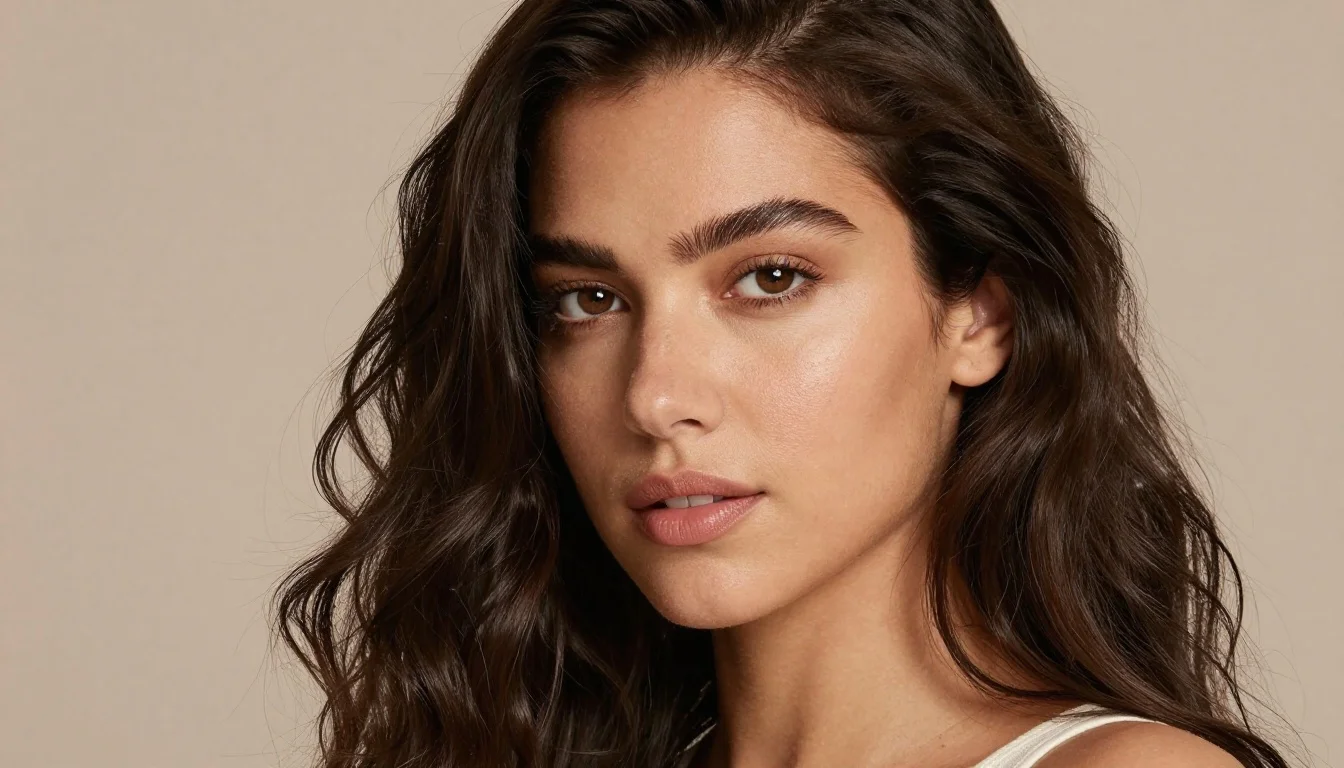
What is the best hair color for olive skin?
Warm brunette shades — chestnut, chocolate, caramel brown — are the most universally flattering for olive skin. Honey and golden blonde work for lighter looks. Auburn and deep copper complement olive skin's warmth. Black and deep espresso create beautiful contrast. Avoid ash and platinum blondes, which can make olive skin look sallow.
Your Most Flattering Hair Color Families
Rich Warm Brunette
Warm brunette shades are the most reliably beautiful choice for olive skin. Chestnut and chocolate brown mirror the warmth in olive undertones while creating natural contrast and depth. Caramel highlights within a brunette base add dimension without clashing. The warm brown family is so compatible with olive skin because both share yellow-based pigments — they create harmony rather than competition.
Black and Deep Brunette
Deep, rich dark colors create stunning contrast with olive skin's medium tones, making the complexion look luminous and healthy. Blue-black is particularly striking — its cool-dark quality offsets the warmth of olive skin rather than mirroring it, creating high contrast that looks deliberate and dramatic. Deep espresso and dark chocolate sit between black and brown, offering depth without the starkness of jet black.
Golden and Honey Blonde
Warm blonde shades with golden or honey tones work beautifully on olive skin because the yellow warmth in both the hair and skin creates a sun-kissed, glowing harmony. Honey blonde brightens olive skin rather than washing it out. The key is staying in warm blonde territory — cool ash blonde or platinum can make olive skin look sallow. Golden and butterscotch blondes have the richness to work with, rather than against, olive undertones.
Auburn and Copper
Auburn and copper shades share red-warm tones that resonate with the warmth in olive skin without overwhelming it. The red in auburn adds a vibrancy that makes olive skin look flushed and healthy. Deep copper and mahogany have enough brown in their base to feel natural and compatible. These shades are particularly effective if olive skin leans more warm-golden rather than green-neutral.

Ready to see yourself in chestnut & chocolate brown?
Start my color analysisChoosing and Styling Hair Color for Olive Skin
Going brunette
If you're working with your natural hair color or going darker, add warmth to any brunette shade. Ask for warm chestnut, chocolate, or espresso tones rather than neutral or ash. Even a small amount of caramel or golden undertone in the color formula makes a significant difference to how your skin reads. Avoid any brown that has an "ash" or "cool" descriptor without a balancing warm tone.
Going lighter
If you want to lighten your hair, balance is everything. Full-head platinum or ash blonde tends to look disconnected from olive skin. Instead, balayage or highlights in honey, golden, or warm caramel tones blended into your natural dark base creates a sun-kissed effect that suits olive skin perfectly. The contrast between dark roots and warm lighter ends creates natural-looking dimension.
Adding highlights
Caramel and golden highlights are your best tool for adding dimension without changing your base color dramatically. Placed around the face and through the mid-lengths, warm highlights catch light in a way that makes olive skin look glowing and sun-kissed. Avoid chunky platinum or ash highlights — they create a cold contrast that doesn't harmonize.
Maintaining color vibrancy
Olive skin is beautiful year-round but particularly luminous in summer when it deepens. Consider choosing a hair color that looks good across the range of your natural skin tone variation — slightly darker in winter, slightly lighter in summer. Color that works only when you're very tanned may need refreshing when your skin lightens. Warm brunette shades work across all olive skin tones from lightest to deepest.
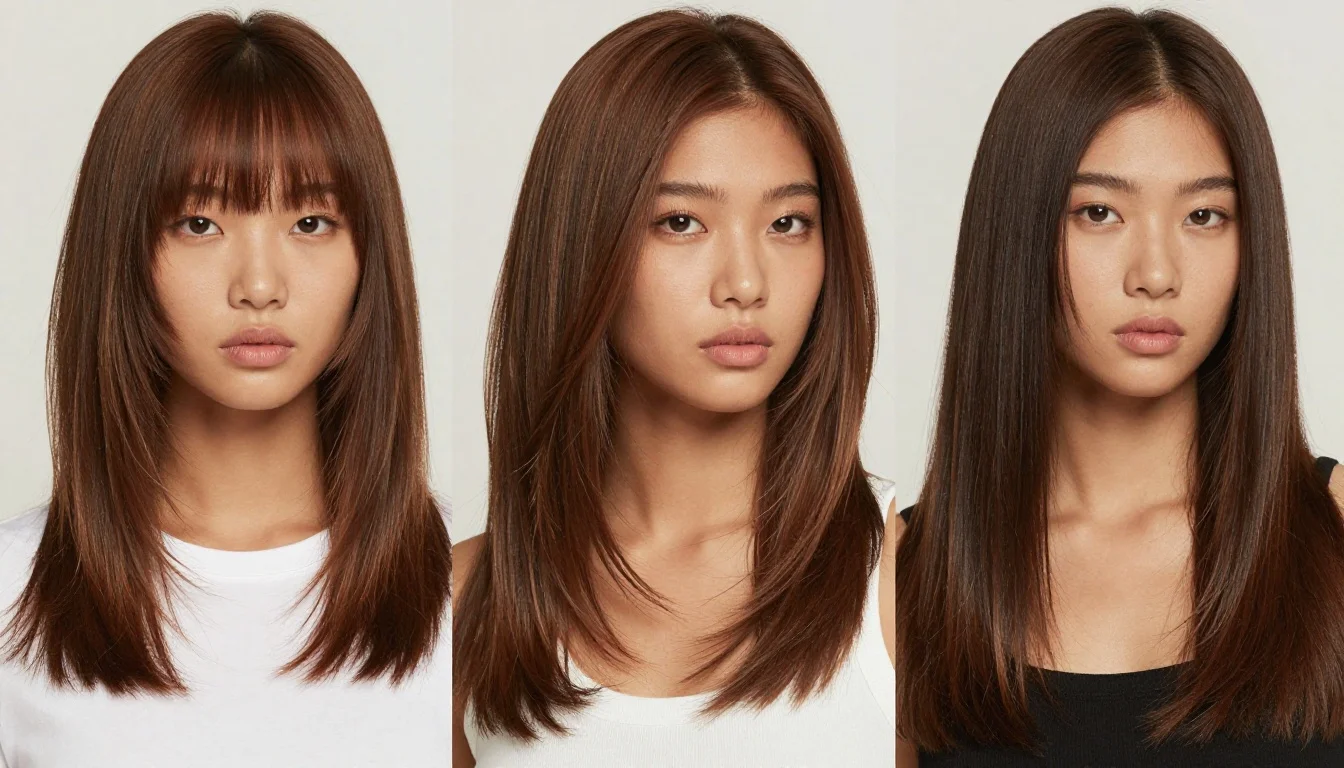
Hair Colors That Clash with Olive Skin
Ash blonde and platinum
Cool ash tones amplify the green undertone in olive skin, creating a sallow, unflattering quality. Platinum removes warmth entirely, making olive skin look yellowy and dull by contrast. If you want to go light, the key is adding warmth — honey, golden, or beige tones rather than ash or silver.
Cool ash brown
Ash brown without warm undertones creates the same problem as ash blonde — it conflicts with the yellow-green in olive skin and can make the complexion look muddy or tired. Even if you prefer darker brunette shades, choosing warm or neutral rather than cool ash is essential for olive skin.
Flat jet black (blue-toned)
Very flat, cool black without any warmth can make olive skin look sallow rather than luminous. A better alternative is soft black or dark espresso with a hint of warmth — the contrast works, but the temperature matters.
Bright orange-red
Highly saturated orange-red hair can clash with the warmth already present in olive skin, creating an overloaded, muddy look. Auburn and copper work; orange-forward reds can tip into conflict. If you want red hair with olive skin, leaning toward auburn or mahogany rather than pure orange gives better results.
Stop guessing — preview every shade on you
See myself in my shadesHair Color Swaps for Olive Skin
Replacing the shades that clash with olive undertones for ones that create harmony.
The warm undertone mirrors the yellow in olive skin rather than conflicting with it.
Warm blonde creates sun-kissed harmony; ash blonde makes olive skin look sallow.
A touch of warmth or richness in dark shades keeps olive skin looking luminous, not washed out.
Auburn has warm-red tones that resonate with olive undertones; pure orange can look muddy.
Caramel highlights blend with olive skin naturally; platinum creates a cold, disconnected contrast.
The warmth of honey tones harmonizes with the yellow-green base in olive skin.
Which Color Season Are You?
Olive skin is common across several seasonal palettes. The specific season depends on your depth of skin tone, eye color, and the warm-cool balance of your undertones.
Deep Autumn
Learn moreOlive skin with warm golden-brown undertones, dark eyes, and medium-to-dark natural hair most often falls in Deep Autumn. Your hair palette leans toward rich espresso, warm chestnut, and auburn — shades that have depth and warmth without looking harsh.
Warm Autumn
Learn moreLighter olive skin with distinctly warm, golden undertones and medium-brown eyes may be Warm Autumn. Your hair colors lean toward rich caramel, warm honey-brown, and auburn-red.
True Spring
Olive skin with a lighter, more golden-warm quality and warm light-to-medium eyes may fall in True Spring. Your hair palette favors warm honey blonde, caramel, and light auburn shades that have brightness without coolness.
Find Your Perfect Hair Color
Olive skin interacts with hair color in specific ways that generic advice misses. The exact shades that create harmony for you depend on whether your olive skin leans more golden-warm or green-neutral, the depth of your natural coloring, and your eye color. A personalized color analysis identifies your exact palette, including the precise hair color families and tones that will make your olive skin glow.

Related Guides for Best Hair Color for Olive Skin
Explore more personalized color advice based on your features.
Want to see these colors on you? Virtual Hair Color Try-On — free to try.
Frequently Asked Questions About Best Hair Color for Olive Skin
What is the best hair color for olive skin?
Warm brunette shades — chestnut, chocolate, caramel brown — are the most universally flattering for olive skin. Honey and golden blonde work for lighter looks. Auburn and deep copper complement olive skin's warmth. Black and deep espresso create beautiful contrast. Avoid ash and platinum blondes, which can make olive skin look sallow.
Can olive skin go blonde?
Yes, but the key is warmth. Honey blonde, golden blonde, and warm caramel shades suit olive skin beautifully. Ash blonde, platinum, and cool icy blondes tend to clash with the yellow-green undertone in olive skin, making it look sallow. Balayage with warm tones is particularly effective for olive skin going lighter.
Does black hair look good on olive skin?
Rich, deep black and deep espresso create striking, luminous contrast with olive skin — especially blue-black which offsets olive warmth with high contrast. The key is avoiding flat, cool black that has no warmth or depth. Soft black and dark chocolate with warm undertones are generally more flattering than stark, matte black.
What highlights work for olive skin?
Caramel, honey, and golden highlights are the most flattering for olive skin. They create sun-kissed warmth that harmonizes with olive undertones. Avoid platinum or ash highlights, which create a cold contrast. Balayage with warm tones blended into a darker base is a particularly effective technique for olive skin.
Does auburn hair color suit olive skin?
Yes — auburn is a particularly good match for olive skin, especially if the skin leans warm-golden. The warm red-brown tones in auburn resonate with olive undertones, creating a harmonious, glowing combination. Deep copper and mahogany shades work similarly. Pure orange-red shades can be less flattering; the brown base in auburn is what makes it work.