Wedding Guest Outfitsfor Pale Skin
Pale skin at a wedding can look porcelain and vivid — or washed out and flat. Discover how to build looks with shades that actually flatter you.
Pale skin at a wedding is an opportunity — with the right color, you look porcelain, luminous, and deliberately elegant. With the wrong one, pale skin can look washed out against a ceremony's warm golden light or white-dominant backdrop. The best wedding guest colors for pale skin provide enough contrast to make features vivid without overwhelming the skin's natural delicacy. That means jewel tones, vivid maids, and a few rich darks that frame the face rather than disappear against it.


3,000+
happy clients
Why Pale Skin Needs Careful Color Choices at Weddings
Pale skin at a wedding is an opportunity — with the right color, you look porcelain, luminous, and deliberately elegant. With the wrong one, pale skin can look washed out against a ceremony's warm golden light or white-dominant backdrop. The best wedding guest colors for pale skin provide enough contrast to make features vivid without overwhelming the skin's natural delicacy. That means jewel tones, vivid maids, and a few rich darks that frame the face rather than disappear against it.
Pale skin has high light reflectivity — it interacts with color differently than deeper skin tones. Colors at the neckline are seen in direct proximity to pale skin, and the contrast relationship matters enormously. Very light colors close to pale skin create minimal contrast, making both the skin and the color look flat and slightly merged. Vivid, saturated colors or rich darks create the contrast that makes pale skin look crisp and intentional rather than washed out.
At a wedding, the lighting challenge is real: midday outdoor sun can bleach pale skin to near-white in photographs, while warm golden-hour and indoor candlelight can make pale skin look ethereal and porcelain. Colors that photograph well on pale skin have enough saturation or depth to remain distinct from the skin in variable lighting conditions. Jewel tones, rich darks, and saturated brights all maintain their visual presence against pale skin across lighting changes.
Whether you have cool, warm, or neutral undertones within your pale skin significantly shapes which colors work best. Cool pale skin thrives on icy blues, deep purples, and true black. Warm pale skin glows in soft peach-pinks, warm burgundy, and dusty rose. Neutral pale skin has the widest range. But across all undertones, the same principle applies: choose colors with enough distinctness from pale skin to create the contrast that makes you look vivid rather than ghostly.
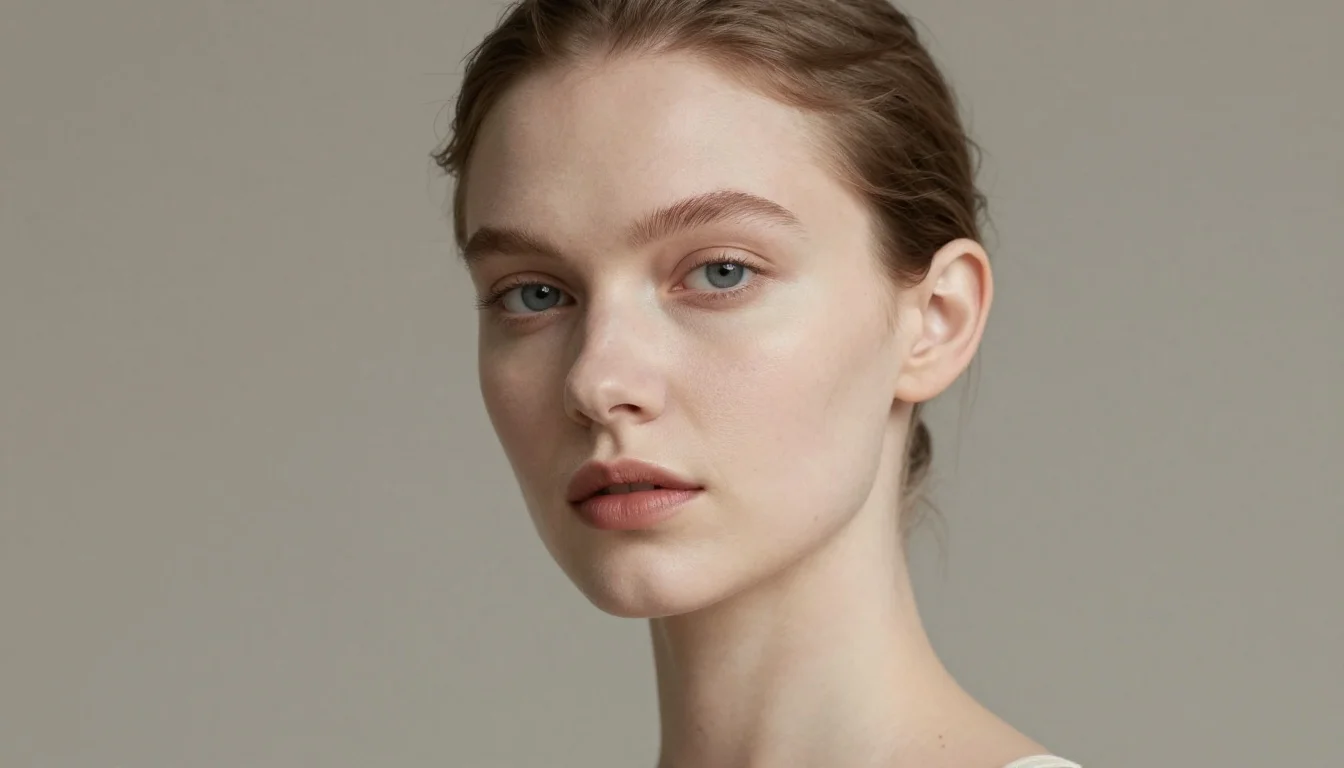
What colors look best for wedding guest outfits with pale skin?
Deep jewel tones — sapphire, emerald, amethyst — are among the most flattering wedding guest colors for pale skin, creating vivid contrast that makes the complexion look luminous. Deep burgundy and rich plum work beautifully across undertones. Vivid brights like cobalt and deep coral-red also photograph well against pale skin. Avoid very pale pastels, ivory, and muted mid-tones — they all create minimal contrast against pale skin and read as flat in photographs.
Your Best Wedding Guest Colors
Deep Jewel Tones
Deep jewel tones provide the contrast and saturation that pale skin needs to look luminous at a wedding. Sapphire blue against pale skin creates dramatic, striking contrast that photographs beautifully — it's one of the most reliably elegant wedding guest choices for fair complexions. Deep emerald creates warm-cool tension that makes pale skin look porcelain. Rich amethyst is particularly effective for pale cool-undertoned skin: the purple register harmonizes with cool undertones while creating clear contrast against the skin.
Rich Berry & Deep Wine
Berry and wine tones in the red-purple family are among the most flattering wedding guest colors for pale skin across all undertone types. Deep burgundy at the neckline creates crisp contrast against pale skin while reading as sophisticated and appropriate for any wedding formality. Rich plum works particularly well for cool undertones — the cool base harmonizes with pink-tinged pale skin while creating vivid contrast. Deep raspberry is modern and festive while remaining elegant.
Vivid Brights
Pale skin can carry vivid, saturated brights with an intensity that deeper skin tones can't achieve — the high contrast between vivid color and very light skin creates a striking, intentional look. Cobalt blue against pale skin photographs as luminous and crisp. Vivid fuchsia is modern and festive. Deep coral-red gives pale skin a glowing, vivid warmth. The key with brights is committing fully: a half-saturated, dusty version of a bright loses the contrast impact.
Sophisticated Darks
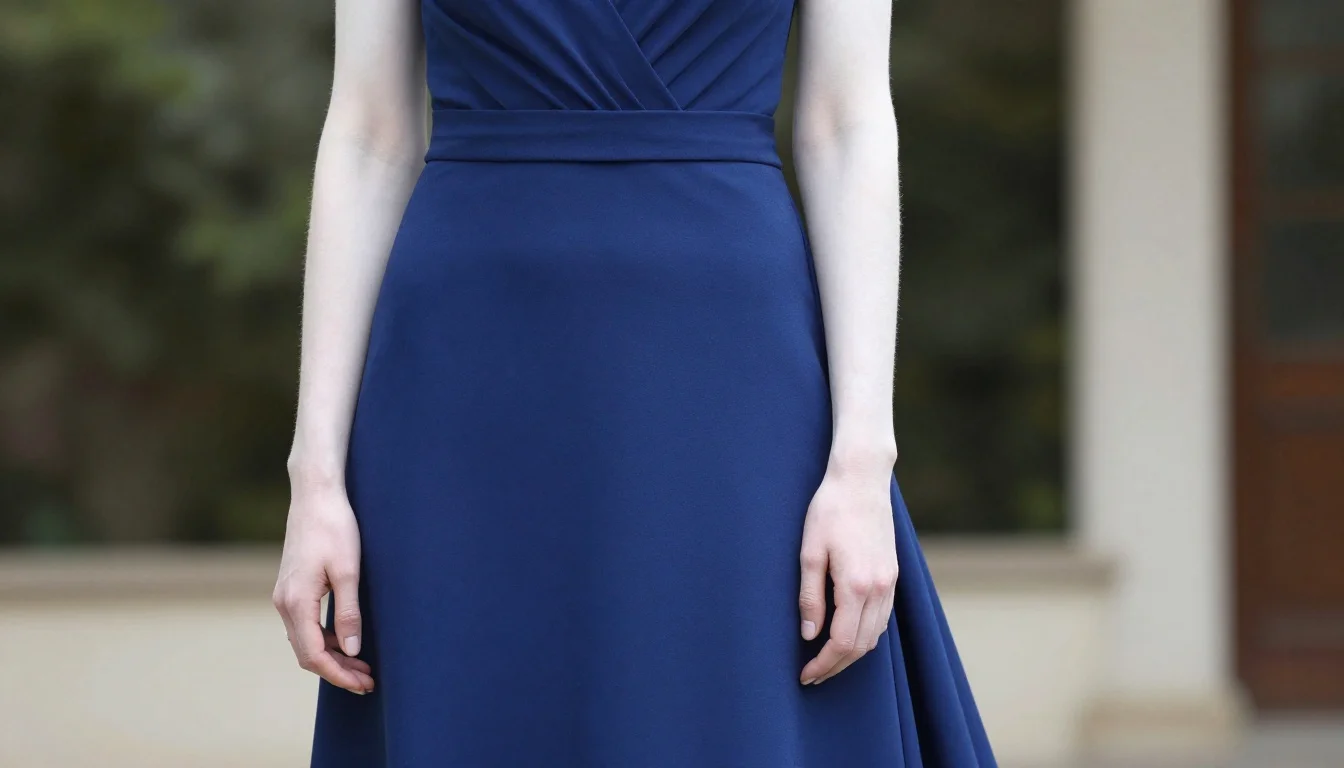
Very deep, dark colors create maximum contrast against pale skin — the pale skin reads as luminous and crisp against a dark frame. True navy is an elegant wedding guest choice that creates clean, sharp contrast without the starkness of pure black. Rich forest green is an elevated dark that flatters pale skin with a warm-cool tension. Deep plum-black gives the impact of black with a romantic purple depth that's more interesting for a wedding setting.

Ready to see sapphire blue & emerald on your face?
Start my color analysisHow to Dress for a Wedding with Pale Skin
Commit to depth or saturation
The biggest mistake pale skin makes at weddings is choosing colors that are slightly too pale or muted. A dusty rose dress looks pretty on the hanger but creates minimal contrast against pale skin at the event. A deep rose, a vivid burgundy, or a deep jewel-tone version of that same hue creates the contrast that makes pale skin look luminous rather than flat. When in doubt, go one shade richer than you think you need.
Choose metals based on undertone
Silver, platinum, and white gold complement cool pale skin — they echo the cool register in pink or bluish undertones without introducing warm temperature conflict. Yellow gold works beautifully for warm pale skin — it creates warmth at the neckline that makes pale skin look glowing rather than stark. Rose gold works across undertones for pale skin and is a beautiful wedding jewelry choice for any shade of fair complexion.
Be strategic with nude shoes
For pale skin, 'nude' footwear works best when the shade is genuinely close to your skin tone — which for pale skin means a very light, slightly pink or warm-beige shoe. Avoid the standard tan nude, which creates a distinct contrast line at the ankle against very pale legs. Blush-pink and soft champagne sandals are often better shoe choices for pale skin at weddings than standard nude — they elongate the leg through tonal similarity.
Use the neckline as your focal point
The most effective strategy for pale skin at a wedding is to concentrate your highest-contrast or most vivid color at the neckline. A deep sapphire neckline with a lighter skirt, or a vivid jewel-tone blouse with a neutral bottom, puts the contrast where it matters most — near your face and eyes. This is where the color creates the contrast that makes pale skin look crisp and vivid in photographs.
Your photos are a gift too
A well-dressed guest usually takes great photos of the day. If the couple has a QR-code wedding photo album your candid shots reach them in original quality — a small gift on top of showing up well dressed.
Colors That Wash Out Pale Skin at Weddings
Very pale pastels and icy shades
Pale lavender, baby blue, soft mint, and pale blush create minimal contrast against pale skin — both the color and the complexion sit in the same light value range, creating a look where face and dress blur together. In photographs, this reads as flat and slightly colorless. If you want a soft look, choose a dusty rose or deeper muted tone with enough depth to create visible contrast.
Warm ivory and cream
At a wedding, ivory and cream are too close to both white and pale skin, creating a situation where you can appear to blend into the wedding's own color palette. It may also risk appearing to compete with the bride's white or ivory attire. More practically, cream near pale skin creates minimal contrast and can yellow in certain lighting. A soft icy white (if dress code allows) or a deep jewel tone reads far better.
Washed-out or muted mid-tones
Dusty, muted mid-range colors — faded sage, dusty mauve, greyed lavender — don't provide enough contrast against pale skin and lack the richness to look intentional. They create a slightly washed-out quality where the pale skin and the muted color both look desaturated together. If you want muted tones, choose the deepest, richest versions: deep dusty rose has enough depth to create contrast that pale dusty rose cannot.
Orange and very warm coral
While pale warm-undertoned skin can handle soft warm tones, orange and very warm coral create an unflattering ruddy contrast against pale skin — making the skin look pink or flushed by comparison. The high-contrast warm orange next to pale skin reads as harsh rather than glowing. If you want warmth, choose deep burgundy or rich wine — both have warmth without the orange quality that causes issues on pale skin.
Stop guessing — preview every look on you
See these looks on my photoYour Wedding Guest Look, Upgraded
Swap colors that flatten pale skin for ones that make it look luminous.
Pale blush and soft lavender create minimal contrast against pale skin and look flat in photographs. Deep amethyst and burgundy provide the contrast that makes pale skin look luminous and features vivid.
Ivory and cream blend into pale skin's value range and can blur into the wedding's own palette. Sapphire and deep teal create crisp, elegant contrast that makes pale skin look porcelain against the vivid backdrop.
Muted sage lacks the depth to create contrast against pale skin and reads as flat in photographs. Deep emerald has the richness to make pale skin look crisp and vivid — the same hue, but with the saturation that actually works.
Yellow gold creates warm temperature contrast that can look jarring against cool pale skin. Silver and platinum echo the cool base in fair cool-undertoned skin — the jewelry reads as integrated and elegant.
Standard tan nude creates a visible line against very pale legs. Blush-pink and champagne are closer in tone to pale skin and create a more elongating effect.
Pale gold and cream clutches disappear against pale skin's light value. A deep jewel-tone or crisp silver clutch adds a distinct focal point that anchors the whole look.
Which Palette Might Be Yours?
Pale skin spans several seasonal palettes depending on whether your undertone is cool, warm, or neutral, and your overall contrast level. Your exact season tells you which specific blues, wines, and jewel tones work best for your version of pale.
Cool Summer
Learn moreIf your pale skin has a cool pink or blue undertone, your hair is light ash or cool-toned, and your overall look is soft and muted rather than high-contrast, Cool Summer is your season. Your wedding guest palette is soft and cool: dusty lavender, muted periwinkle, cool rose, and soft plum. The saturation level is moderate — both vivid brights and very pale pastels can be too much for your soft coloring.
Light Spring
Learn moreIf your pale skin is fair with a warm peach-golden undertone, your hair is light blonde or warm light brown, and your eyes are light and clear, Light Spring suits you. Your wedding guest palette is light, warm, and clear: peach-coral, warm blush, clear aqua, and warm light periwinkle. The Light Spring palette is specifically calibrated for pale warm-toned coloring.
Cool Winter
Learn moreIf your pale skin is fair with a distinctly cool or blue-white undertone, your hair is dark, and you have high natural contrast between skin and hair, Cool Winter suits you. Your wedding guest colors can go the most vivid and dramatic: true navy, icy pink, royal purple, and cobalt blue. The contrast built into Cool Winter coloring handles bold colors in a way that softer pale colorings cannot.
Find Your Exact Wedding Colors
Pale skin is a broad category — it includes cool, warm, and neutral undertones, and spans from porcelain-white to light beige. Your exact season pinpoints which specific sapphires, wines, and jewel tones make your version of pale skin look most luminous at a wedding. A personalized color analysis moves you from 'colors that work for pale skin generally' to the exact shades that photograph as beautifully as they look in person.
Stop guessing — preview every color on you
Preview Yourself In Your Palette
Get my personalized paletteStop guessing — preview every color on you
Preview Yourself In Your Palette

Related Guides for Wedding Guest Outfit for Pale Skin
Explore more personalized color advice based on your features.
Want to see these colors on you? What Colors Look Good on Me — free to try.
Frequently Asked Questions About Wedding Guest Outfit for Pale Skin
What colors look best for wedding guest outfits with pale skin?
Deep jewel tones — sapphire, emerald, amethyst — are among the most flattering wedding guest colors for pale skin, creating vivid contrast that makes the complexion look luminous. Deep burgundy and rich plum work beautifully across undertones. Vivid brights like cobalt and deep coral-red also photograph well against pale skin. Avoid very pale pastels, ivory, and muted mid-tones — they all create minimal contrast against pale skin and read as flat in photographs.
Can pale skin wear jewel tones to a wedding?
Yes — jewel tones are ideal for pale skin at weddings. The high contrast between vivid, saturated jewel tones and very fair skin creates a striking, luminous look that photographs beautifully under all wedding lighting conditions. Sapphire is particularly effective; deep emerald and amethyst work equally well. The key is choosing the deep, saturated versions rather than pale or muted ones.
What colors should pale skin avoid at a wedding?
Pale skin should avoid very pale pastels, ivory, cream, and muted mid-tones at weddings — they all create minimal contrast against pale skin and look flat or washed-out in photographs. Orange and very warm coral can create an unflattering ruddy contrast. Standard tan nude shoes can also create a visible dividing line against pale legs.
Is navy a good wedding guest color for pale skin?
Yes — navy is one of the most reliably elegant wedding guest choices for pale skin. It creates crisp, clean contrast against fair complexions and photographs beautifully in all lighting conditions. True navy (slightly rich and blue-leaning rather than faded or grey-navy) works best. Midnight navy and deep indigo are the most flattering versions for pale skin.
What shoe color looks best on pale legs at a wedding?
Blush-pink, soft champagne, and nude shoes closest to your own skin tone work best for pale legs at weddings. Standard tan nude shoes can create a visible contrast line against very pale legs. True nude for pale skin should be very light and leaning slightly pink or warm-beige. Rose gold sandals are a universally flattering option for pale skin at weddings.
Should pale skin wear gold or silver jewelry at a wedding?
It depends on your undertone. Cool pale skin (pink or blue undertones) looks best in silver, platinum, or white gold — the cool metals echo the skin's cool base. Warm pale skin (peach or golden undertones) looks glowing in yellow gold and rose gold. Neutral pale skin can wear both beautifully. Rose gold is a universally flattering choice for any shade of pale skin.