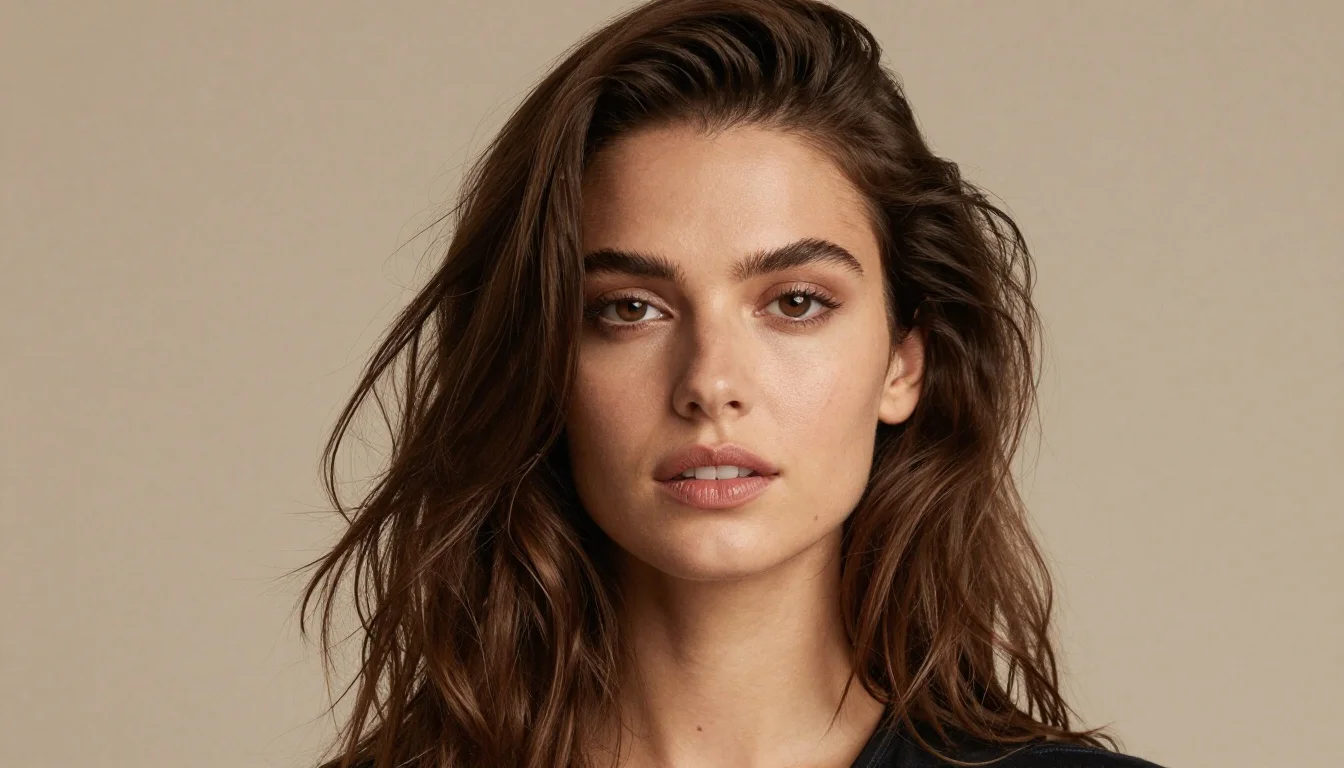
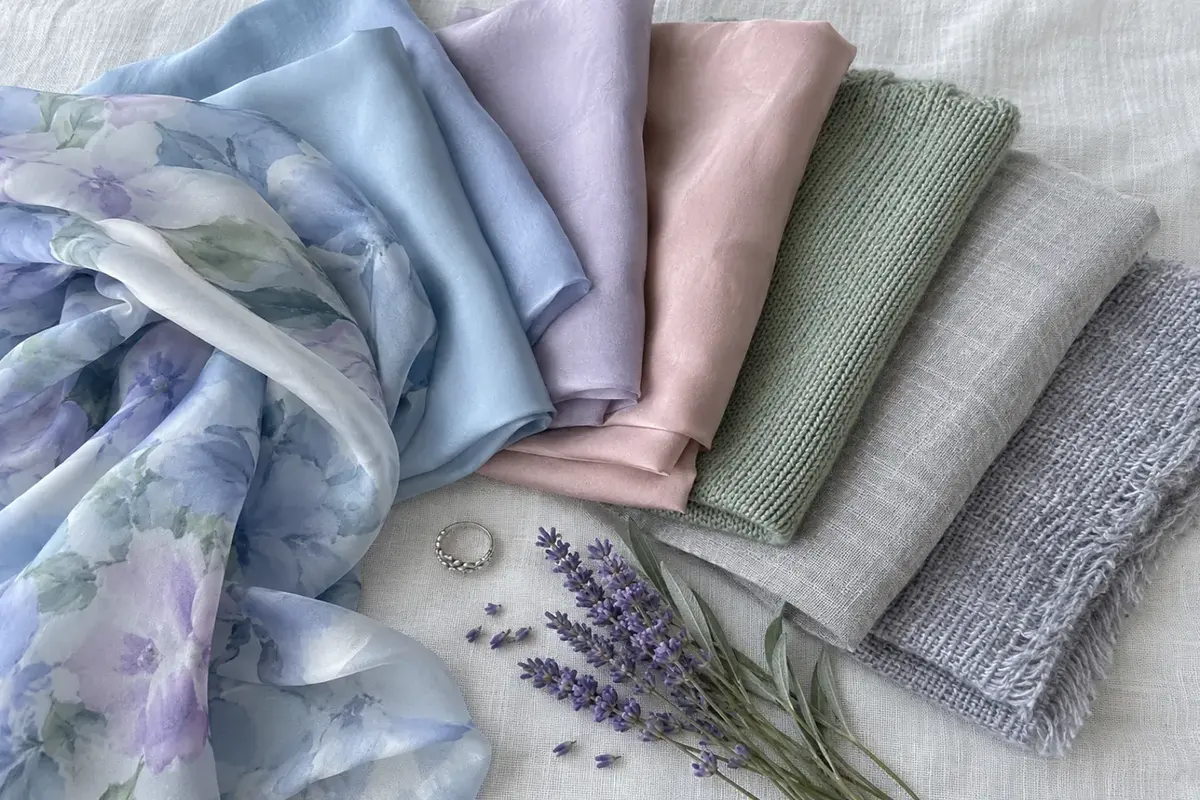
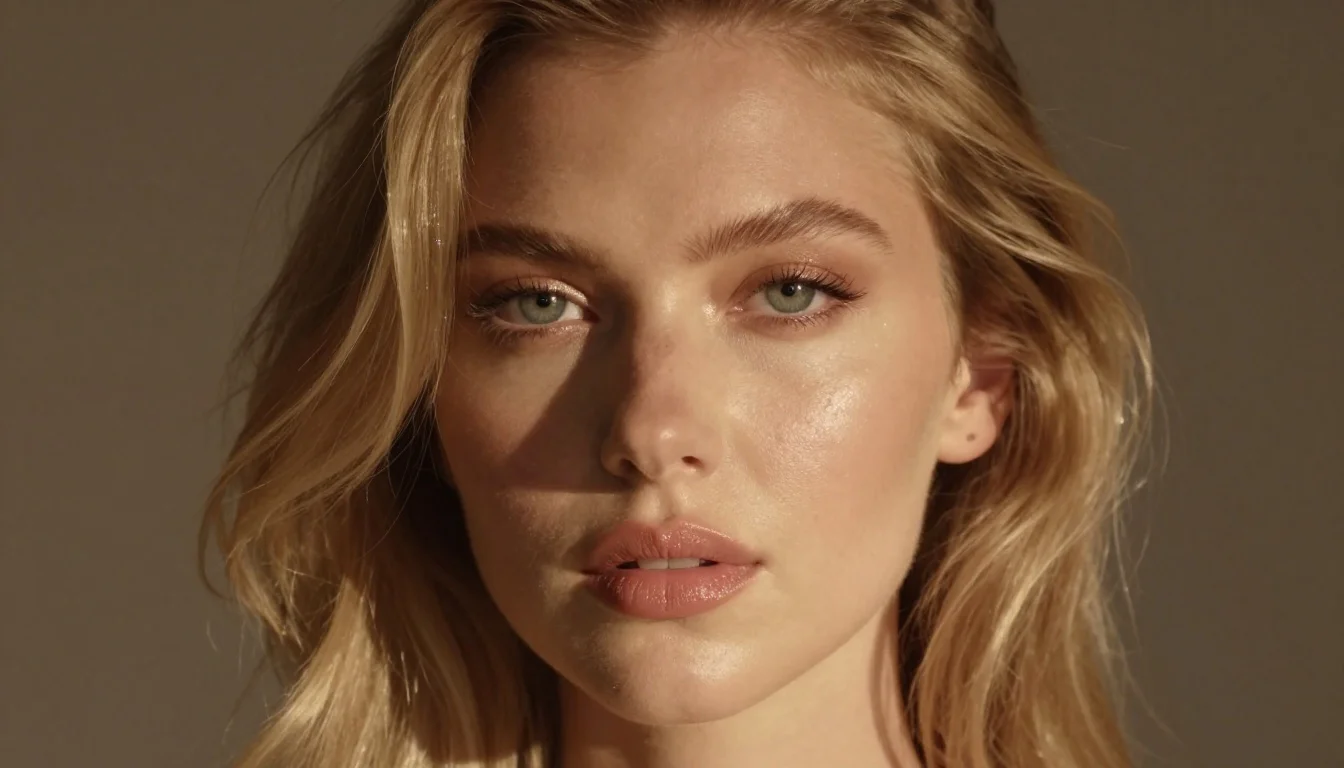
Cool undertones — the pink, rosy, or blue-adjacent quality in your skin — have a specific color logic at weddings. Cool jewel tones, crisp berry hues, and deep jewel blues all make cool skin look deliberately vivid and polished. The wrong colors introduce warm temperature conflict that can make cool-toned skin look slightly sallow or off-key. Getting your wedding guest color right means leaning into the cool quality of your skin rather than trying to warm it up.
Cool undertones create a pink, rosy, or blue-adjacent quality in the skin that interacts directly with nearby colors. Colors in the cool register — navy, cobalt, deep berry, cool emerald, icy rose — share the temperature of your skin and create harmonious, polished combinations. Colors in the warm register — terra cotta, warm amber, golden yellow, warm coral — create a temperature conflict that can make cool-toned skin look slightly sallow, tired, or ashy under varied wedding lighting.
Wedding photography is where cool undertones benefit most from correct color matching. Daylight and natural outdoor photos are where cool undertones look most vivid — clear natural light renders pink and rosy undertones beautifully. Bright, clear, saturated cool colors photograph with particular clarity in outdoor daylight. The contrast between cool-toned skin and a vivid cobalt or deep berry dress in a garden ceremony photo is striking. Indoor candlelit reception photos warm everything slightly — which is when the temperature gap between cool skin and warm-toned clothing becomes most visible as a mismatch.
The most common mistake cool-undertoned wedding guests make is choosing warm 'safe' colors — champagne, blush with yellow warmth, dusty caramel — that feel neutral but actually carry enough warmth to read as slightly orange or sallow against cool skin in photographs. True neutral to cool blush, crisp rose pink, cool champagne, icy lavender, and deep berry all stay in temperature alignment with cool skin and look naturally luminous in every type of wedding light.