Warm Autumn Minimalist WardrobeColor Guide
Build a Warm Autumn minimalist wardrobe with 20-25 pieces in golden cream, warm olive. Discover how to build looks with shades that actually flatter you.
Minimalism and Warm Autumn are a natural match. A minimalist wardrobe succeeds when every piece works with every other piece — and that's exactly what happens when everything shares the same warm undertone. Warm olive, golden cream, camel, amber, and warm rust all speak the same color language. You can combine any two pieces in your wardrobe and the outfit makes sense. That's the warm autumn minimalist advantage.


3,000+
happy clients
Why Warm Autumn Makes an Ideal Minimalist Palette
Minimalism and Warm Autumn are a natural match. A minimalist wardrobe succeeds when every piece works with every other piece — and that's exactly what happens when everything shares the same warm undertone. Warm olive, golden cream, camel, amber, and warm rust all speak the same color language. You can combine any two pieces in your wardrobe and the outfit makes sense. That's the warm autumn minimalist advantage.
Minimalist wardrobes work best when built around a narrow, cohesive color palette. Most minimalism advice defaults to cool neutrals: white, grey, black. These form a cohesive palette, but they're cohesive in the cool register — a register that fights Warm Autumn's natural golden warmth. The result is a 'capsule' wardrobe that's technically minimal but requires constant effort to look good on your specific coloring.
Warm Autumn's natural palette is already minimal by design — it's built around a single temperature (warm) and a single value range (medium to deep). Golden cream, camel, warm olive, amber, rust, and terracotta all share the same undertone. You can wear any combination and the warm temperature holds the outfit together. There's no need for high-contrast accessorizing, colorful injections, or style breaks to make the wardrobe work — the warmth does that automatically.
The practical outcome: a 20-25 piece Warm Autumn minimalist wardrobe generates more outfit combinations than a same-size cool-neutral capsule generates for cool-toned dressers. Every top pairs with every bottom. Every shoe works with every outfit. Every layer adds rather than detracts. This is the natural reward of dressing within your season.
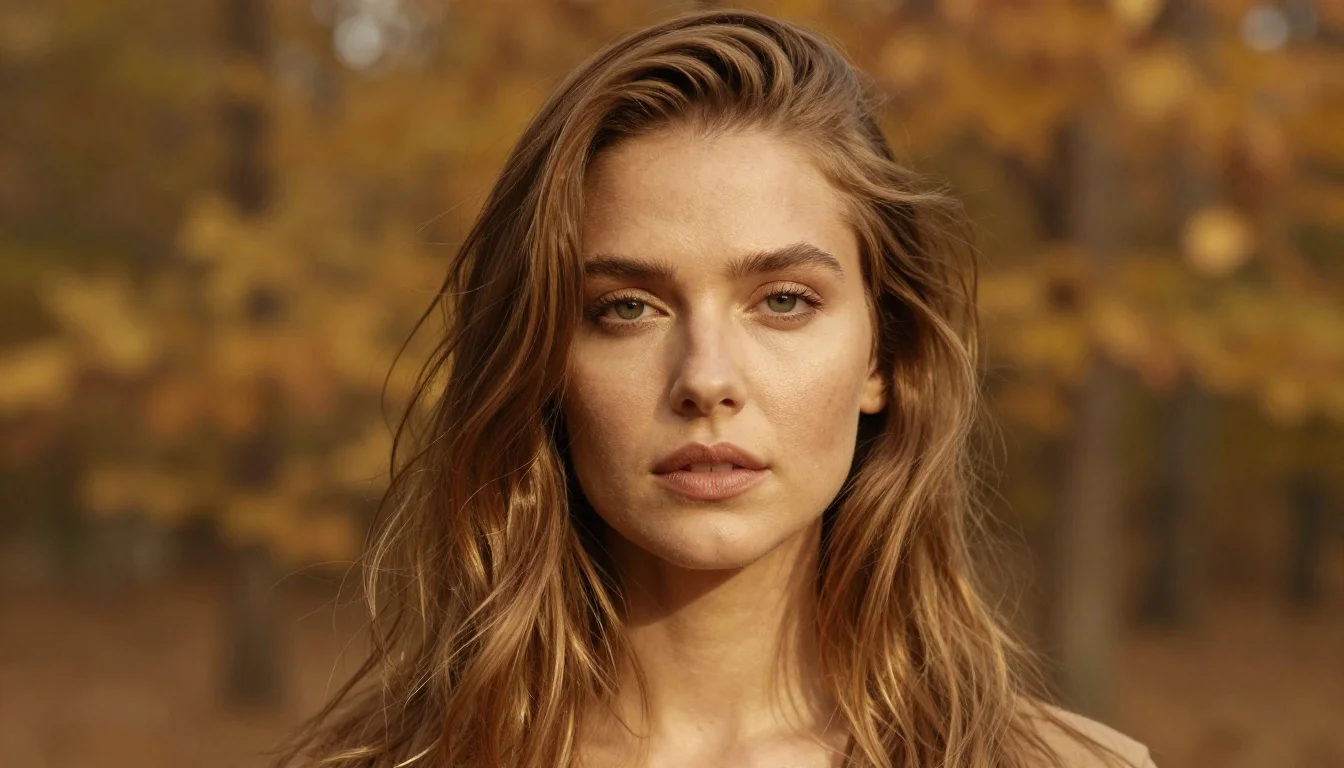
What is the best minimalist color palette for Warm Autumn?
The best Warm Autumn minimalist palette uses 4-5 warm neutral and earthy colors: golden cream, camel, warm olive, amber, and warm chocolate brown. These form a cohesive warm system where every piece pairs with every other piece. Add one accent color — pumpkin orange or coral — and every piece in your wardrobe creates multiple outfit combinations.
Your Warm Autumn Minimalist Palette
Core Foundation — 3-4 Pieces Maximum
These four colors are your minimalist wardrobe's permanent foundation. They form a complete warm-neutral system: golden cream for lightness, camel for warmth, warm chocolate for depth, warm olive for versatility. Every other piece you own should pair with at least two of these four. If it doesn't, it doesn't belong in a Warm Autumn minimalist wardrobe.
Mid-Tone Connectors — 3-4 Pieces
These earthy mid-tones bridge your foundation colors and your accent pieces. A warm rust knit connects a golden cream trouser to an amber accessory. Golden brown trousers work with golden cream, camel, and warm rust in one continuous warm range. Keep this layer to 3-4 pieces — enough to add interest, not so many that the palette expands beyond its warm focus.
Strategic Accent — 1-2 Pieces Only
A minimalist wardrobe needs only one or two accent colors. For Warm Autumn minimalism, choose pumpkin orange or coral as your primary accent — they're distinctly yours and immediately add warmth. Warm teal works as a cool-adjacent accent that doesn't break the warm palette. Limit to one garment in each accent color so the wardrobe stays genuinely minimal.
Accessories — Working Within the Warm Register
In a minimalist wardrobe, accessories must be as carefully chosen as clothing. Warm tan and cognac leather for shoes and bags ties the entire outfit palette together. Warm bronze metal hardware (rather than silver or gold) sits in the Warm Autumn register. A single amber accessory adds a warm pop without introducing a new color family.

Ready to see golden cream & camel on your face?
Start my color analysisHow to Build a Warm Autumn Minimalist Wardrobe
Apply the one-temperature rule
Every piece you buy must be warm-temperature. This is the only rule your Warm Autumn minimalist wardrobe needs. Warm temperature covers: golden, amber, earthy, terracotta, camel, olive, rust, coral, warm teal. If a piece is cool-toned — grey, black, navy, icy pastel — it doesn't meet the rule and creates a wardrobe orphan that limits outfits instead of expanding them.
Keep the palette narrow, not the wardrobe small
Warm Autumn minimalism is about palette cohesion, not garment restriction. You can own 30 pieces and be a genuine minimalist if all 30 share warm undertones. The test: can you dress in the dark and create an outfit? For Warm Autumn, if every piece is warm-toned, yes. Keep the color palette narrow (warm neutrals + 1-2 accents) while having appropriate quantity for your lifestyle.
Build around one signature accent color
Choose one Warm Autumn accent color — pumpkin orange or coral are most distinctive — and own 1-2 pieces in that color. This accent color becomes your visual signature: immediately recognizable, always flattering, and distinctive enough that people associate it with you. In a minimalist wardrobe, one strategic accent is more powerful than four competing ones.
Invest in texture and quality over variety
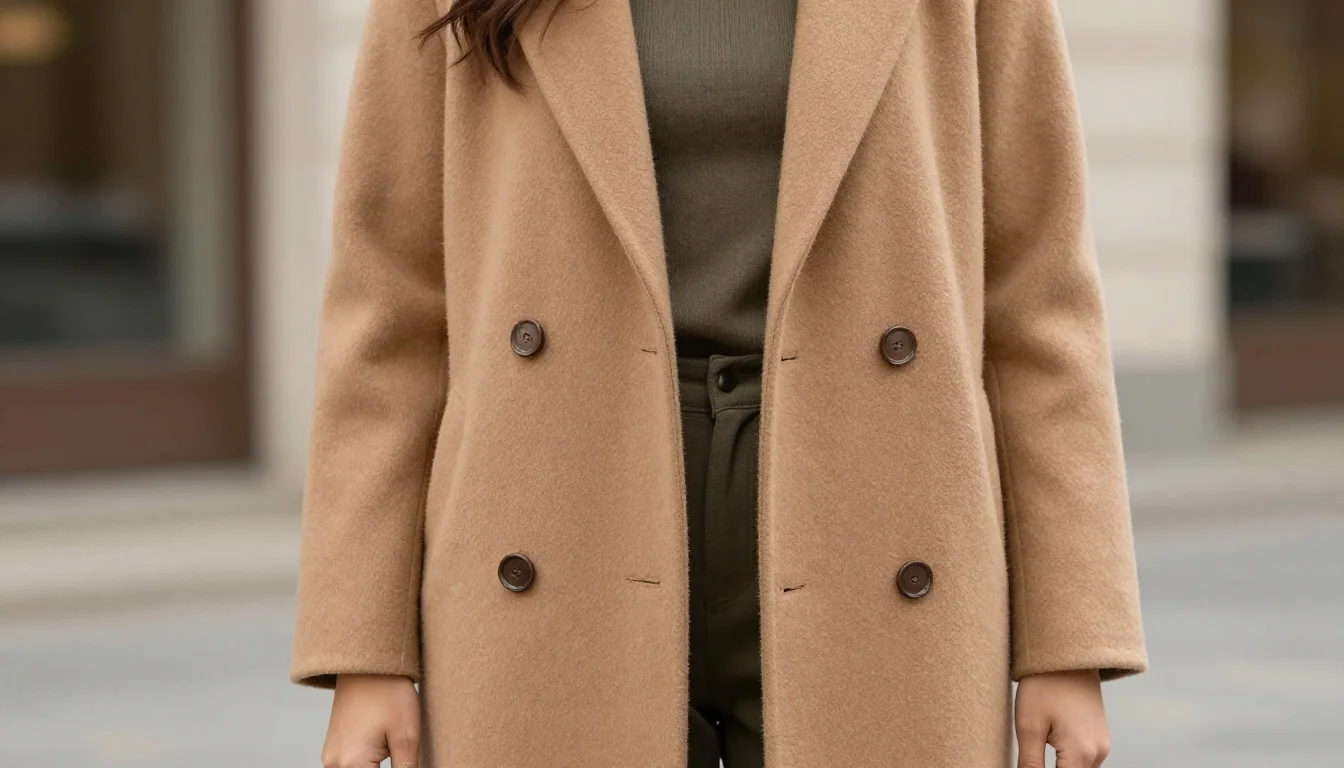
Because your Warm Autumn minimalist palette is narrow and warm, interest comes from texture variation rather than color variation. A camel linen shirt reads differently from a camel cashmere knit reads differently from a camel structured blazer. They're the same color but three different textural statements. Invest in quality and varied textures within your warm palette — this is where the richness of Warm Autumn minimalism lives.
Colors That Break a Warm Autumn Minimalist Wardrobe
Cool-temperature neutrals (black, grey, white)
Adding cool neutrals to a Warm Autumn minimalist wardrobe creates two separate color systems that don't connect. A black blazer and a camel trouser look fine individually but wrong together because they're in different temperature registers. Keep every piece in the warm register — it's the consistency that makes minimalism work.
Trend-driven cool accent colors
Each season introduces trend colors — often cool blues, lavenders, or icy tones — that look out of place in a Warm Autumn minimalist wardrobe. Adding a trendy cool accent creates a piece that doesn't work with the rest of the wardrobe, breaking the essential minimalist principle that everything pairs with everything.
Navy as a dark anchor
Navy is the most common mistake when Warm Autumns try to build a minimalist wardrobe — it seems like a "safe" dark neutral but its blue base sits outside the warm register. Replace navy entirely with deep warm olive and warm chocolate brown. These provide dark anchoring in the warm temperature where your palette lives.
Icy or cool pastels as light tones
Minimalist wardrobes need light tones to balance depth. For Warm Autumn, those light tones must be warm: golden cream, warm ivory, warm peach. Cool icy pastels like pale lavender or baby blue break the internal temperature consistency of the palette — they don't work with camel, rust, or warm olive, undermining the 'everything pairs with everything' minimalist goal.
Stop guessing — preview every look on you
See these looks on my photoMinimalist Wardrobe Swaps for Warm Autumn
Replacing common minimalist defaults with warm equivalents that keep your palette cohesive.
Black is the most common minimalist anchor but fights Warm Autumn coloring. Deep warm brown delivers the same anchoring depth in a temperature that unifies rather than disrupts the warm palette.
Pure white is too cool-temperature for Warm Autumn minimalism. Golden cream is Warm Autumn's white — it performs the same lightening function while keeping the warm temperature register consistent.
Grey knitwear is a minimalist staple that fights Warm Autumn warmth. Camel knitwear delivers the same versatility with a temperature that harmonizes with every other warm piece in the wardrobe.
Navy and black coats anchor a cool-neutral minimalist wardrobe — for Warm Autumn, they create temperature breaks that disrupt the palette's coherence. A camel coat anchors a warm palette with the same gravitas.
White linen in summer creates a cool-temperature moment that sits outside the Warm Autumn minimalist palette. Golden cream linen has the same breezy quality with warmth that works with your coloring.
Silver and cool-metal hardware introduce cool-temperature details that create small but consistent disruptions in a warm palette. Warm bronze and antique gold stay in the register where Warm Autumn lives.
Your Warm Autumn Palette
Warm Autumn minimalism succeeds because your natural palette is already internally coherent. These nearby seasons share warmth but each has different minimalism requirements.
Warm Autumn
Learn moreThe warmest, most earthy minimalist palette. Built on golden cream, camel, warm olive, amber, and rust — rich, cohesive, and deeply flattering.
Warm Spring
Learn moreAlso warm but lighter and clearer. Warm Spring minimalism uses a similar warm-temperature approach with softer, more luminous tones.
Deep Autumn
Learn moreShares Warm Autumn warmth with deeper, richer depth. Deep Autumn minimalism leans into very deep warm-toned anchors with fewer light pieces.
Find Your Exact Minimalist Palette
The ideal Warm Autumn minimalist wardrobe is calibrated to your exact version of warmth — your depth, your clarity, your natural contrast level. A personalized color analysis identifies exactly where your warmth sits within the Warm Autumn family and gives you specific color directions for building a wardrobe that works completely.
Stop guessing — preview every color on you
Preview Yourself In Your Palette
Get my personalized paletteStop guessing — preview every color on you
Preview Yourself In Your Palette

Related Guides for Warm Autumn Minimalist Wardrobe
Explore more personalized color advice based on your features.
Want to see these colors on you? What Colors Look Good on Me — free to try.
Frequently Asked Questions About Warm Autumn Minimalist Wardrobe
What is the best minimalist color palette for Warm Autumn?
The best Warm Autumn minimalist palette uses 4-5 warm neutral and earthy colors: golden cream, camel, warm olive, amber, and warm chocolate brown. These form a cohesive warm system where every piece pairs with every other piece. Add one accent color — pumpkin orange or coral — and every piece in your wardrobe creates multiple outfit combinations.
Can a minimalist wardrobe work without black for Warm Autumn?
Yes — and it works better. Black is a cool-temperature neutral that creates temperature breaks in a Warm Autumn palette. Replace it with deep warm chocolate brown or dark espresso. These provide the same dark anchoring depth at the same formality level while harmonizing with golden cream, camel, and warm olive rather than clashing with them.
How many colors should a Warm Autumn minimalist wardrobe have?
A Warm Autumn minimalist wardrobe works well with 4-6 colors: 2-3 warm neutrals (golden cream, camel, warm olive), 1-2 earthy mid-tones (amber, warm rust), and 1 accent color (pumpkin orange or coral). Everything stays within the warm temperature register, so even with 5-6 colors the palette reads as cohesive and intentional.
What is the Warm Autumn equivalent of a white tee for minimalism?
Golden cream is the Warm Autumn equivalent of white. It has the same light, clean quality as white while staying in the warm temperature register that works with golden skin. Keep 2-3 golden cream tops as base layer pieces — they pair with every other warm color in your minimalist wardrobe the way white pairs with everything in a cool-neutral capsule.
How do I add interest to a Warm Autumn minimalist wardrobe without adding new colors?
Texture is your primary tool for creating variety within a narrow Warm Autumn palette. A camel linen shirt, a camel cashmere knit, and a camel structured blazer are three different visual statements in the same color. Add variety through fabric weight (heavy vs light), texture (smooth vs knit vs woven), and silhouette variation — not through color additions that break your palette's coherence.