Build a Wardrobe AroundFair Skin
Fair skin — from light neutral to medium-fair — has specific wardrobe rules. Discover how to build looks with shades that actually flatter you.
Fair skin covers a wide range — from light neutral to medium-fair — and with it comes a specific wardrobe challenge that very pale or deeper skin tones don't share: the mid-range. Not light enough to make every deep color striking by sheer contrast. Not dark enough to wear certain saturated colors without looking overwhelmed. Getting it right requires understanding your specific position within fair skin, your undertone, and the three wardrobe strategies that work across the full fair-skin spectrum.


3,000+
happy clients
Why Fair Skin Has Specific Wardrobe Logic
Fair skin covers a wide range — from light neutral to medium-fair — and with it comes a specific wardrobe challenge that very pale or deeper skin tones don't share: the mid-range. Not light enough to make every deep color striking by sheer contrast. Not dark enough to wear certain saturated colors without looking overwhelmed. Getting it right requires understanding your specific position within fair skin, your undertone, and the three wardrobe strategies that work across the full fair-skin spectrum.
Fair skin occupies the lighter end of the complexion spectrum — lighter than medium but not at the porcelain extreme. This position creates an interesting wardrobe dynamic: fair skin still benefits from contrast with deeper colors, but the contrast doesn't carry itself the way very pale skin does. A medium-fair complexion paired with deep navy looks sophisticated. The same complexion in washed-out pastels or mid-tone muddy beiges looks flat and colorless. The key is deliberate contrast and temperature alignment.
Undertone is critical for fair skin because there is less overall pigment to buffer the effect of wrong-temperature clothing. A fair complexion with warm undertones will look slightly sallow in cool grey-blue tones. The same fair skin in warm ivory, camel, and dusty terracotta looks alive. A cool-undertone fair complexion in warm camel looks off. In soft lavender, dusty rose, and cool navy, it looks porcelain-clean. The temperature alignment between clothing and skin undertone matters more at lighter depths than it does at medium or deep depths.
Mid-tone colors are the biggest trap for fair skin. A dusty sage, muted rose-brown, or flat khaki can look fine on medium skin — there's enough skin contrast to carry them. On fair skin, these same mid-tones collapse: they sit too close in lightness to the skin, creating a flat, undifferentiated effect that makes the whole look look slightly tired or unintentional. Fair skin needs contrast — either by going clearly deeper, clearly lighter/brighter, or clearly more saturated than the skin itself.

What colors look best on fair skin?
Deep anchors — navy, forest green, burgundy, deep plum — create striking contrast against fair skin and anchor outfits beautifully. Warm fair skin also looks excellent in warm camel, dusty peach, and warm ivory. Cool fair skin shines in soft lavender, dusty rose, and periwinkle. Avoid flat mid-tone neutrals (khaki, greige, muted brown) that sit too close in lightness to fair skin.
Your Core Wardrobe Colors for Fair Skin
Deep Anchors: Navy, Forest, Plum
Deep, saturated anchors are the most reliable piece of the fair-skin wardrobe. They create clean contrast against fair skin in a way that feels intentional and refined rather than overwhelming. Deep navy is the most versatile: it functions as a neutral anchor for both warm and cool fair undertones. Forest green is particularly powerful for warm-undertone fair skin — the warmth in the green resonates with the golden quality of warm-fair skin while adding vivid contrast. Rich burgundy-plum works across undertones. Deep charcoal is a more sophisticated alternative to black that creates contrast without the harshness of true black against very fair complexions.
Warm Mid-Tones for Warm-Undertone Fair Skin
Warm-undertone fair skin — golden-fair or peachy-fair complexions — has a wardrobe sweet spot in warm mid-tones that honor the warmth in the skin. Warm camel is the workhorse: it creates a warm, cohesive look rather than the pale-on-pale washed effect that cool beige creates on warm-fair skin. Soft terracotta adds warmth and visual weight without the drama of deep red. Dusty peach resonates with the peachy quality in warm-fair skin and creates a fresh, luminous effect. These shades read as "your colors" on warm fair skin — they feel instinctively right.
Cool Mid-Tones for Cool-Undertone Fair Skin
Cool-undertone fair skin — pink-fair or rosy-fair complexions — has access to a category of soft cool mid-tones that simply don't work on other complexion types. Soft lavender against cool fair skin looks delicate and sophisticated rather than washed, because the cool quality in both the color and the skin creates temperature harmony. Dusty rose creates a flushed, clean look that resonates with the pink quality in cool fair skin. Periwinkle and powder blue create the same effect. These are "fair skin exclusives" — colors that earn their most flattering iteration on this specific complexion.
Bright Accents and Statement Pieces
Fair skin handles bright, saturated accent colors better than many people expect — the contrast creates a striking, high-fashion quality. A vivid cobalt blazer or emerald statement piece against fair skin looks deliberate and intentional rather than overwhelming. Classic red is universally flattering on fair skin across undertones. The key is proportion: use bright, saturated pieces as statement items, not as the whole outfit. A bright cobalt top with neutral bottoms is more effective than an all-bright outfit on fair skin.

Ready to see navy & green on your face?
Start my color analysisHow to Build Outfits for Fair Skin
The contrast anchor formula
Build your most reliable outfits around a deep anchor piece — a navy blazer, forest green trousers, rich burgundy sweater — against a lighter or neutral second piece. This contrast formula works for fair skin at every level of formality. Deep navy trousers with a warm ivory blouse. Forest green coat with medium grey trousers. Burgundy midi skirt with a soft white shirt. The deep anchor against fair skin creates the contrast that makes the look defined and intentional. Most of the outfit's work is done by that one deep piece.
Warm vs cool undertone dressing
Identify whether your fair skin runs warm (golden, peachy, ivory) or cool (pink, rosy, porcelain) and build your neutral wardrobe accordingly. Warm fair skin: your neutrals are warm ivory, camel, soft terracotta, and warm sand — not cool grey or white-white. Cool fair skin: your neutrals are crisp white, soft grey, dusty rose, and powder blue — not warm beige or yellow-ivory. Getting your neutral base right means every outfit built around it immediately looks more 'you.'
Using saturation to create contrast
When you want to wear mid-tones rather than deep anchors, choose saturated versions rather than muted ones. A saturated sage green works where a dusty khaki doesn't — the saturation creates the contrast that the depth can't. A vivid dusty rose reads cleanly against fair skin where a muted greige disappears. The rule: if you're not going deep for contrast, go saturated. The mid-tone muted category is the one to avoid on fair complexions.
Pattern and print strategy
Prints and patterns that include one dark anchor shade — navy, forest, burgundy — against lighter tones work beautifully on fair skin. The dark element in the print creates the contrast that solid mid-tones can't. A navy and white stripe, a forest green floral, a burgundy plaid — the dark component anchors the look against fair skin. Avoid prints that are entirely in the mid-tone range (dusty rose, sage, tan, warm beige all together) — they blend into the fair complexion without definition.
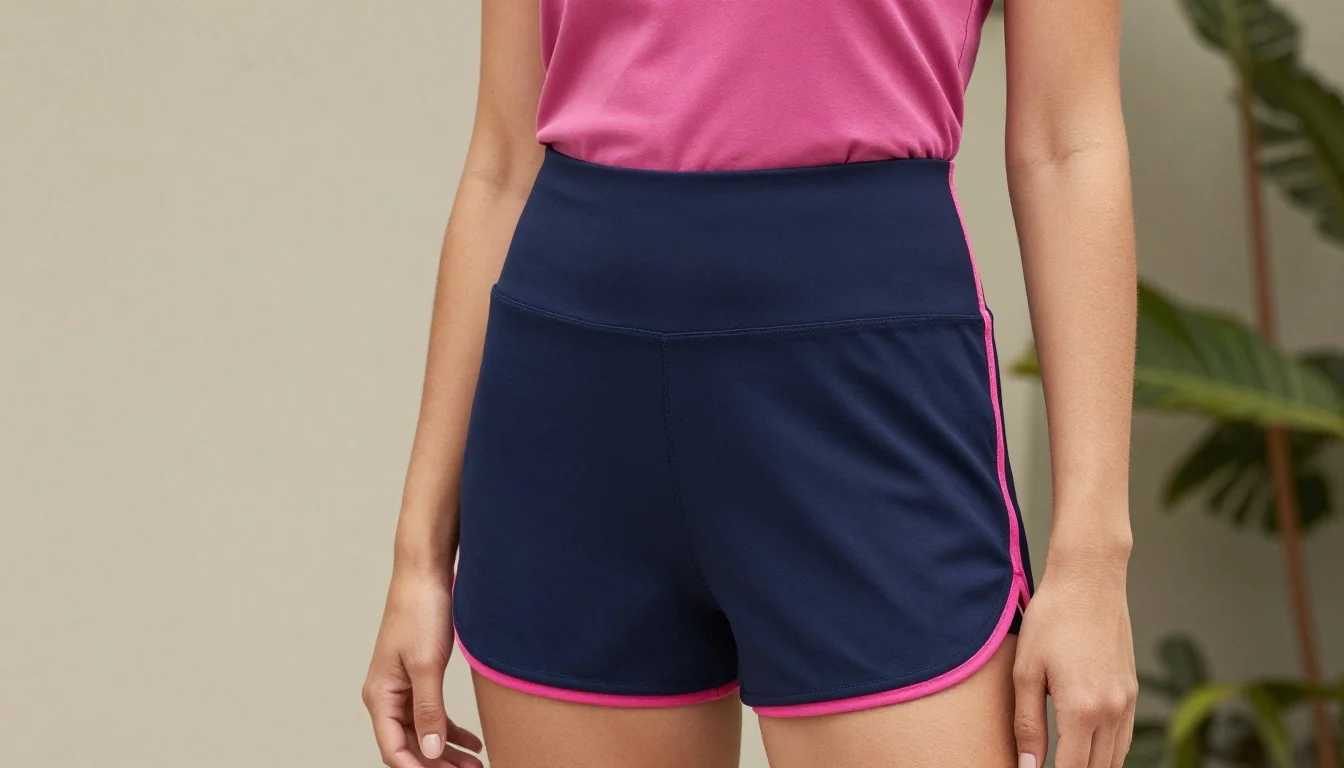
Colors That Wash Out Fair Skin
Muddy mid-tone neutrals
Flat khaki, muted greige, and dusty brown-beige sit too close in lightness to fair skin, creating a tonal match rather than contrast. The result is a flat, slightly tired effect where the outfit and skin blend together without definition. These shades look fine on medium and deeper complexions where there is enough contrast to carry them. Fair skin needs the next step up in saturation or depth.
Cool greys on warm-fair skin
Cool grey — both light and medium — creates a temperature clash on warm-fair skin that makes the complexion look slightly sallow or flat. The cool-grey register fights the golden or peachy quality in warm-fair skin. Charcoal is the exception: deep enough to create contrast that overcomes the temperature conflict. But mid-grey and light grey on warm fair skin typically looks less flattering than the equivalent warm neutral (warm ivory, soft camel).
All-white or head-to-toe pale
Wearing all-white or pale-on-pale creates an undifferentiated effect on fair skin where the clothing doesn't read as distinct from the complexion. A crisp white shirt works — but as a contrast to a darker bottom, not as a monochrome look. Similarly, wearing pastels head-to-toe on fair skin reduces rather than enhances the visual impact of your coloring. Use pale shades as accents or in contrast with deeper pieces.
Stop guessing — preview every look on you
See these looks on my photoWardrobe Swaps for Fair Skin
Replace shades that flatten fair complexions with versions that create contrast and life.
Khaki and greige sit too close in lightness to fair skin and create a flat, tonal effect. Navy creates contrast; camel adds warmth that resonates on warm-fair skin.
Light grey on fair skin creates a cool, slightly flat look without contrast. Forest green and burgundy create striking depth against fair complexions.
Monochrome white disappears against fair skin. White as contrast against a deep anchor creates clean definition.
Cool beige creates a temperature clash on warm-fair skin. Warm ivory and camel honor the golden quality in warm-undertone fair complexions.
Warm beige fights pink-cool fair skin and can look sallow. Crisp white and soft lavender stay in the cool register and look clean and luminous.
Muted mid-tones disappear on fair skin. Saturated, vivid versions of similar hues create the contrast and visual presence that muted versions lack.
Which Season Has Fair Skin?
Fair skin appears across cool and some warm seasonal palettes. Your season determines which specific depth, temperature, and saturation level works best within the fair-skin wardrobe.
Light Spring
Learn moreLight Spring has fair to very fair skin with warm or neutral undertones, often with light golden or warm blonde coloring. Your wardrobe sweet spot: warm ivory, soft peach, coral, warm camel, and clear warm pastels. Avoid cool greys and cold blues — your coloring is delicate and warm, and it needs wardrobe colors that reflect that. Deep, saturated darks can overwhelm Light Spring's gentle coloring; stick to medium depths with warmth.
Light Summer
Learn moreLight Summer has fair to very fair skin with cool or soft undertones, gentle overall coloring, and low contrast between features. Your wardrobe sweet spot: soft lavender, dusty rose, powder blue, cool soft grey, and muted cool tones throughout. Very deep anchors can overpower Light Summer's delicate coloring — reach for medium-cool depths like dusty blue-navy or deep mauve rather than true black or very deep navy.
Cool Summer
Learn moreCool Summer often has fair to medium-fair cool-undertone skin with medium overall contrast. The fair end of Cool Summer is one of the most common combinations for this guide. Your wardrobe sweet spot: deep navy, cool grey, dusty rose, mauve, soft burgundy, and periwinkle. You have more contrast capacity than Light Summer and can anchor in true deep navy and deep charcoal without being overwhelmed.
Build a Wardrobe That Works for Your Fair Skin
Fair skin's wardrobe rules are specific — and more nuanced than simply 'avoid pastels' or 'wear black.' Your exact seasonal palette within the fair spectrum determines which deep anchors, which warm or cool mid-tones, and which bright accents make your complexion look most alive. A personalized color analysis identifies your season and gives you a precise wardrobe palette built around your specific fair-skin undertone and contrast level.
Stop guessing — preview every color on you
Preview Yourself In Your Palette
Get my personalized paletteStop guessing — preview every color on you
Preview Yourself In Your Palette

Related Guides for Wardrobe for Fair Skin
Explore more personalized color advice based on your features.
Want to see these colors on you? What Colors Look Good on Me — free to try.
Frequently Asked Questions About Wardrobe for Fair Skin
What colors look best on fair skin?
Deep anchors — navy, forest green, burgundy, deep plum — create striking contrast against fair skin and anchor outfits beautifully. Warm fair skin also looks excellent in warm camel, dusty peach, and warm ivory. Cool fair skin shines in soft lavender, dusty rose, and periwinkle. Avoid flat mid-tone neutrals (khaki, greige, muted brown) that sit too close in lightness to fair skin.
What colors to avoid with fair skin?
Muddy mid-tone neutrals — flat khaki, greige, dusty muted beige — and shades that are too close in lightness to fair skin wash the complexion out rather than flattering it. For warm-fair skin, avoid cool greys that fight the golden undertone. For cool-fair skin, avoid warm beiges and yellow-ivories. The general rule: go deeper or more saturated than the mid-tone muted range.
Can fair skin wear bright colors?
Yes — fair skin handles bright, saturated colors very well. Vivid cobalt, emerald, classic red, and bright fuchsia all create striking contrast against fair complexions. Use them as statement pieces rather than full outfits. A bright cobalt top with neutral trousers or an emerald blazer with charcoal trousers is more effective than an all-bright look.
Is fair skin the same as pale skin for wardrobe?
The terms overlap but 'fair' often covers a slightly broader range than 'pale' — fair can include light to medium-light complexions, while 'pale' typically describes the lightest end. The wardrobe logic is similar but fair skin mid-range has more contrast capacity than very pale skin, meaning it can carry medium-depth colors that very pale skin can't fully support. Both benefit from deep anchors and temperature alignment with undertone.
What neutral colors work for fair skin?
The right neutral for fair skin depends on your undertone. Warm-fair skin: warm ivory, soft camel, warm sand, and dusty terracotta. Cool-fair skin: crisp white, soft grey, dusty rose, and powder blue. Both: deep navy and deep charcoal function as "sophisticated neutrals" rather than traditional neutral beige — they create contrast that makes fair skin look defined and intentional.