Your First Soft SummerWardrobe
Soft Summer is the most understated of the summer palettes. Discover how to build looks with shades that actually flatter you.
Soft Summer is the most understated of the summer palettes — your coloring is muted, cool, and low-contrast. Soft, blended tones with a quiet elegance are what make you look your most polished. Starting a Soft Summer wardrobe means resisting the urge toward either high-contrast darks or vivid saturated colors, and instead building from a palette of sophisticated dusty, muted tones that work in harmony. Twelve to fifteen versatile pieces in your most flattering shades will carry you through every occasion.


3,000+
happy clients
Why Soft Summer Needs a Different Approach
Soft Summer is the most understated of the summer palettes — your coloring is muted, cool, and low-contrast. Soft, blended tones with a quiet elegance are what make you look your most polished. Starting a Soft Summer wardrobe means resisting the urge toward either high-contrast darks or vivid saturated colors, and instead building from a palette of sophisticated dusty, muted tones that work in harmony. Twelve to fifteen versatile pieces in your most flattering shades will carry you through every occasion.
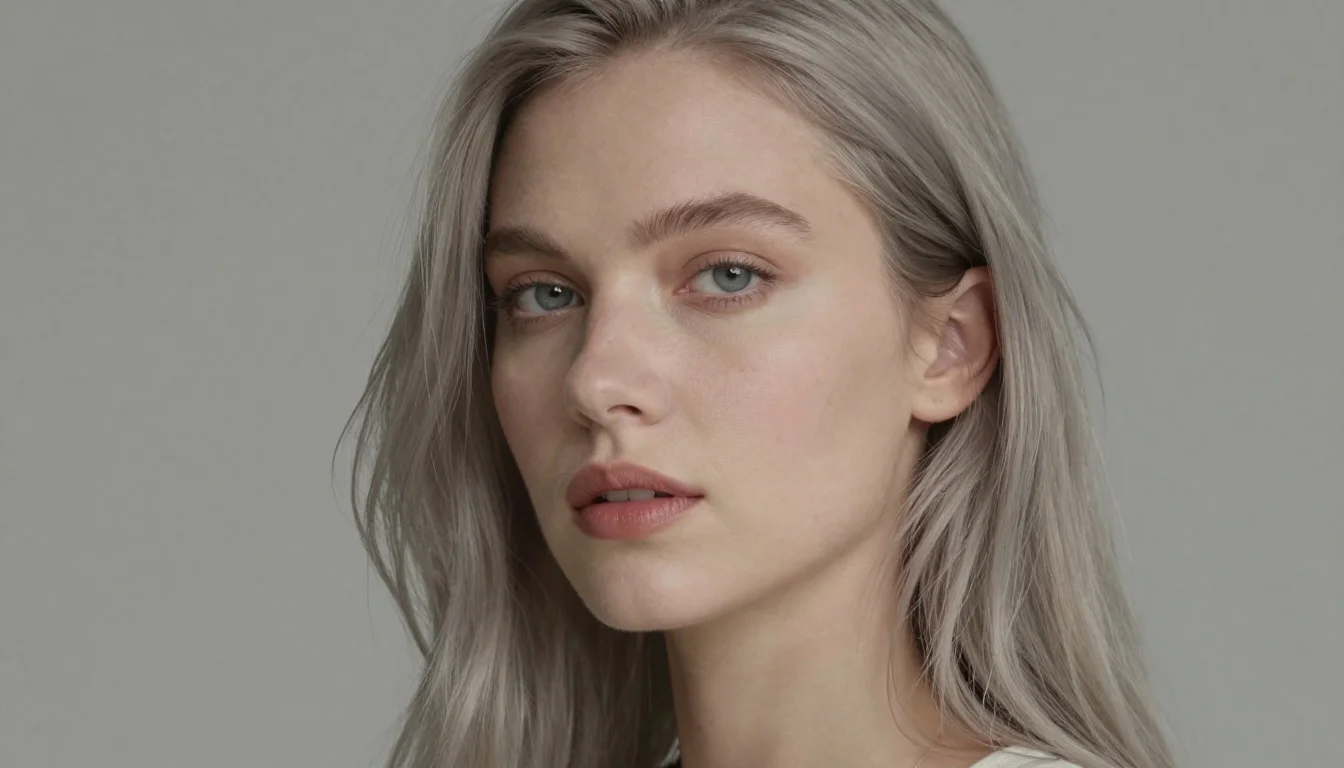
Soft Summer coloring is cool, muted, and low-contrast — typically soft ash-blonde, light brown, or medium brown hair with cool or neutral undertones; light to medium skin with pink or neutral cast; and eyes in soft blue, grey, or muted brown-green. This combination is uniquely flattered by colors that share its muted, cool quality. Saturated or vivid colors overpower soft Summer features; high-contrast combinations create a jarring look where clothing dominates the person.
The most common mistake Soft Summers make is defaulting to black — it's too stark, too hard, and drains the soft, cool quality from their skin. White is similarly problematic: pure bright white is too vivid and cool for this muted palette. The Soft Summer equivalent of these 'standard' neutrals are soft charcoal, heathered mid-grey, and warm-cool ivory — tones that provide structure without the harshness.
The defining feature of a successful Soft Summer wardrobe is tonal cohesion — everything looks like it belongs together because it sits in the same muted, cool-soft register. This makes getting dressed easier, not harder: every piece you own works with nearly every other piece because they all speak the same visual language.
What colors should a Soft Summer starter wardrobe have?
Heather grey, dusty rose, soft blue-grey, and muted teal are the most versatile Soft Summer starter colors. These cover your neutrals, your near-neutral accent, your main color, and your secondary color — all in the muted, cool register that flatters this palette.
Your Soft Summer Foundation Colors
Soft Grey and Heather
Soft grey is the primary neutral for Soft Summer — it replaces black for this palette with a tone that has actual warmth and softness. Heather grey and dove grey work as bottoms, blazers, and layering pieces. A heathered grey trouser and ash-grey cardigan combination is quintessentially Soft Summer and infinitely wearable. These greys are lighter and warmer than pure cool charcoal, which can be too stark.
Dusty Rose and Soft Pink
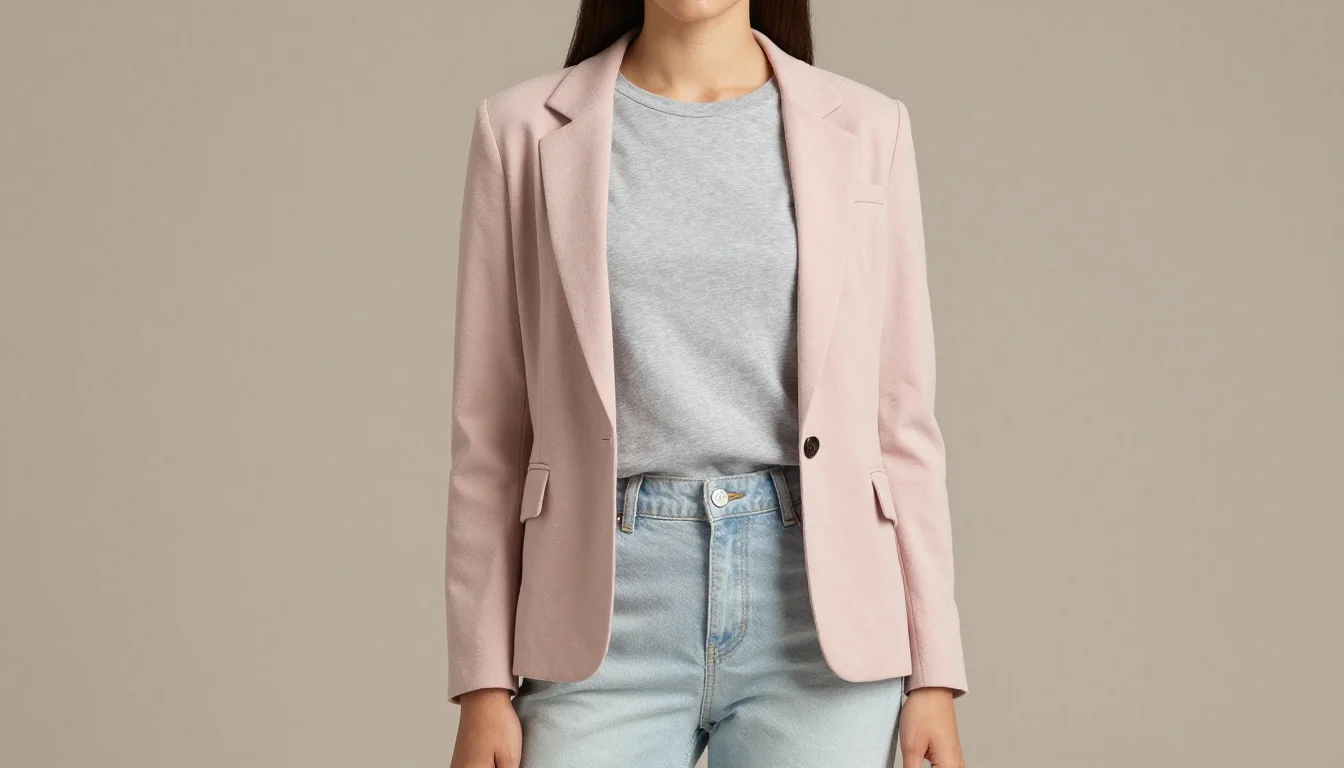
Dusty rose and mauve are Soft Summer's signature accent neutrals — pinks with enough grey in them to feel sophisticated rather than sweet. A mauve blouse or dusty rose knit is one of the most flattering near-face colors for this palette, creating a soft warmth against cool skin tones. These pinks work as near-neutrals for Soft Summer — they pair with grey, soft blue, and even each other.
Soft Blue and Slate
Soft, muted blues are Soft Summer's most wearable saturated colors. They're cool enough to harmonize with the palette's cool base and muted enough not to overpower soft features. A dusty blue or slate blouse near the face makes Soft Summer eyes look clearer and skin look more luminous. These blues work at every formality level and with every neutral in the palette.
Muted Teal and Sage
Muted teal and sage serve as Soft Summer's version of green — always softened by grey or blue tones rather than vivid or yellow-green. A dusty teal cardigan or soft sage trouser adds color to the palette without breaking its muted register. These colors photograph beautifully with Soft Summer coloring and provide visual variety without requiring vivid or contrasting pieces.

Ready to see grey & dove grey on your face?
Start my color analysisBuilding Your 12-Piece Soft Summer Starter Wardrobe
The 4 bottoms
Four bottoms in your muted neutrals: heather grey trouser, dusty blue or slate trouser or skirt, soft-wash denim in a muted mid-blue (not stark or bright), and a mauve or soft rose skirt for softer occasions. Every bottom should be muted — no crisp, vivid, or high-contrast pieces in this starter set.
The 4 tops
Four tops: a dusty rose or mauve blouse, a soft blue-grey or heather blue knit, a dove grey tee or tank for layering, and a muted teal or sage top for color variety. Each should be in a solid, muted tone — patterns are lovely for Soft Summer but save them for after you've established your palette foundations.
The 2 layers
A soft charcoal blazer (not jet black — charcoal with grey quality) and a heather grey or dusty blue cardigan. These two layers work over everything in your starter wardrobe. A soft charcoal blazer is Soft Summer's power piece — structured enough for professional settings, soft enough not to overwhelm your coloring.
The 2 outerwear pieces
A medium grey or soft blue-grey coat and a casual layer in heather or dusty rose. Outerwear for Soft Summer should stay in the palette's cool, muted register — no camel or warm beige coats, which are the standard recommendation but actively fight this palette's cool base.
Colors to Leave Out of Your Starter Wardrobe
Black
Black is too stark and hard for Soft Summer's muted coloring — it overwhelms rather than frames soft features. Soft charcoal and deep blue-grey deliver the same formality without the harshness. If you wear black, it should be soft black (with grey quality) rather than stark jet black, and never near your face.
Vivid saturated colors
Bright, fully saturated colors — vivid red, electric blue, bright orange, hot pink — overpower Soft Summer's gentle coloring. Saturation is the quality to moderate: you want the dusty, muted version of each color family, not the vivid version. Deep rose rather than hot pink; dusty teal rather than vivid turquoise.
Warm yellow-orange tones
Warm tones — camel, mustard, warm brown, orange-red — conflict with Soft Summer's cool base. Camel has a yellow undertone that clashes with cool-neutral skin; warm brown lacks the cool quality that complements this palette. Stick to cool-neutral or true neutral versions of each color family.
High contrast combinations
Stark combinations — black and white, navy and white, very dark with very light — overwhelm Soft Summer's naturally low-contrast coloring. The palette works through tonal harmony, not contrast. Keep top and bottom combinations within a few shades of each other in terms of depth.
Stop guessing — preview every look on you
See these looks on my photoThe Foundational Soft Summer Swaps
Trading generic wardrobe staples for ones that actually work with Soft Summer coloring.
Black is too stark for Soft Summer. Heather grey delivers formality with softness that harmonizes with the palette.
Bright white is too vivid and can feel cool-harsh against Soft Summer skin. Warm ivory or pale grey-blue creates a softer, more flattering effect.
Warm camel has a yellow quality that conflicts with Soft Summer cool tones. Heather grey or dusty rose are actually flattering rather than clashing.
Vivid colors overpower soft features. Dusty rose and muted raspberry give color presence without overwhelming the palette.
Warm camel feels disconnected from Soft Summer coloring. Soft grey coat works with every piece in your palette and complements your cool undertones.
Navy is more saturated and cool-stark than Soft Summer needs. A soft charcoal or dusty blue delivers structure with a muted quality that suits the palette.
About Soft Summer Coloring
Soft Summer sits at the intersection of Summer and Autumn in the twelve-season system — cool and muted, with the softest, most blended quality of any season.
Soft Summer
Learn moreYour palette includes the softest, most muted cool tones: dusty rose, heather grey, slate blue, muted teal, soft sage, and every dusty, blended version of each color family. Nothing vivid or stark — everything quiet and elegant.
Cool Summer
Learn moreIf your coloring is cool but slightly more saturated or higher-contrast than Soft Summer, Cool Summer may be closer — your palette allows slightly more vivid colors while maintaining the cool base.
Soft Autumn
Learn moreIf you find warm, dusty tones feel more natural than cool ones, Soft Autumn may be a better fit — it shares the muted quality of Soft Summer but with a warm rather than cool base.
Find Your Exact Soft Summer Palette
Soft Summer encompasses a range of muted cool coloring — from very soft and light to slightly deeper and more neutral. Your specific position within the palette determines exactly which dusty, muted tones work best. A personalized color analysis places you precisely within the system and gives you a curated palette of your most flattering shades, so every piece in your starter wardrobe is a genuine keeper.
Stop guessing — preview every color on you
Preview Yourself In Your Palette
Get my personalized paletteStop guessing — preview every color on you
Preview Yourself In Your Palette

Related Guides for Starter Wardrobe for Soft Summer
Explore more personalized color advice based on your features.
Want to see these colors on you? What Colors Look Good on Me — free to try.
Frequently Asked Questions About Starter Wardrobe for Soft Summer
What colors should a Soft Summer starter wardrobe have?
Heather grey, dusty rose, soft blue-grey, and muted teal are the most versatile Soft Summer starter colors. These cover your neutrals, your near-neutral accent, your main color, and your secondary color — all in the muted, cool register that flatters this palette.
Can Soft Summer wear black?
Black is harsh on Soft Summer coloring — it overwhelms soft, low-contrast features. Soft charcoal (grey-black) is a much better alternative. If you wear black, choose pieces with grey or blue-black quality rather than stark jet black, and keep them away from your face.
How is Soft Summer different from other summer seasons?
Soft Summer is more muted than Cool Summer or Light Summer. Cool Summer allows slightly more saturation; Light Summer allows slightly lighter values. Soft Summer's defining quality is the muted, blended, dusty quality — the grey in every color. If your best colors are the dustiest, most heathered versions of each hue, you're likely Soft Summer.
What neutral should anchor a Soft Summer wardrobe?
Heather grey or dove grey is the Soft Summer anchor neutral — equivalent to what navy or charcoal does for cool seasons or brown does for autumn types. A heather grey trouser and a dove grey blazer form the structural backbone of a Soft Summer wardrobe.
Can Soft Summer wear pink?
Yes — dusty rose and mauve are among Soft Summer's most flattering colors. The key is choosing pinks with grey in them rather than vivid or warm pinks. Heather pink, dusty rose, and soft mauve are perfect. Avoid hot pink, coral, or anything vivid or warm-toned.