Spring Colors That Work forBrunette Hair
Brown hair has a natural mid-contrast that makes spring dressing versatile. Discover which shades flatter you most — and which to skip.
Brown hair sits in the middle of the depth spectrum — not as light as blonde, not as dark as black — and that medium depth is actually an advantage in spring. Brunettes can pull off both vivid spring colors and softer, dustier shades without the constraints that lighter or darker hair imposes. The key is knowing whether your brown runs warm (golden, chestnut, copper) or cool (ash, cool chocolate), and dressing that specific undertone into the season. This guide breaks it down by brunette type.


3,000+
happy clients
Why Brown Hair Changes How Spring Colors Read on You
Brown hair sits in the middle of the depth spectrum — not as light as blonde, not as dark as black — and that medium depth is actually an advantage in spring. Brunettes can pull off both vivid spring colors and softer, dustier shades without the constraints that lighter or darker hair imposes. The key is knowing whether your brown runs warm (golden, chestnut, copper) or cool (ash, cool chocolate), and dressing that specific undertone into the season. This guide breaks it down by brunette type.
Hair color is one of the three elements of your natural contrast — alongside skin tone and eye color — and it anchors the visual weight of everything you wear near your face. Brown hair creates a medium-depth anchor. It's strong enough to hold vivid spring colors without overwhelming them, but light enough that very dark, heavy clothing feels season-wrong. Spring's range of clear, fresh shades fits right into that middle ground.
The warm-versus-cool distinction in brown hair matters more than most people realize. Warm brunettes — golden brown, chestnut, honey, copper-tinted brown — have yellow or orange undertones running through the hair. These undertones respond well to warm spring colors: coral, peach, warm dusty rose, warm sage. Cool brunettes — ash brown, cool chocolate, dark brown without warmth — have a neutral or blue-cool quality that harmonizes better with cool spring shades: lavender, cool mint, soft mauve, medium cool blue.
Dark brunettes — hair that is deep brown, near-espresso, or very dark chocolate — have a higher natural contrast between hair and skin. That contrast level unlocks more vivid spring options: bright coral, vivid aqua, warm rose-red. Dark brunette hair can handle the higher saturation that lighter hair sometimes cannot, making spring's most vivid shades genuinely wearable rather than overwhelming.
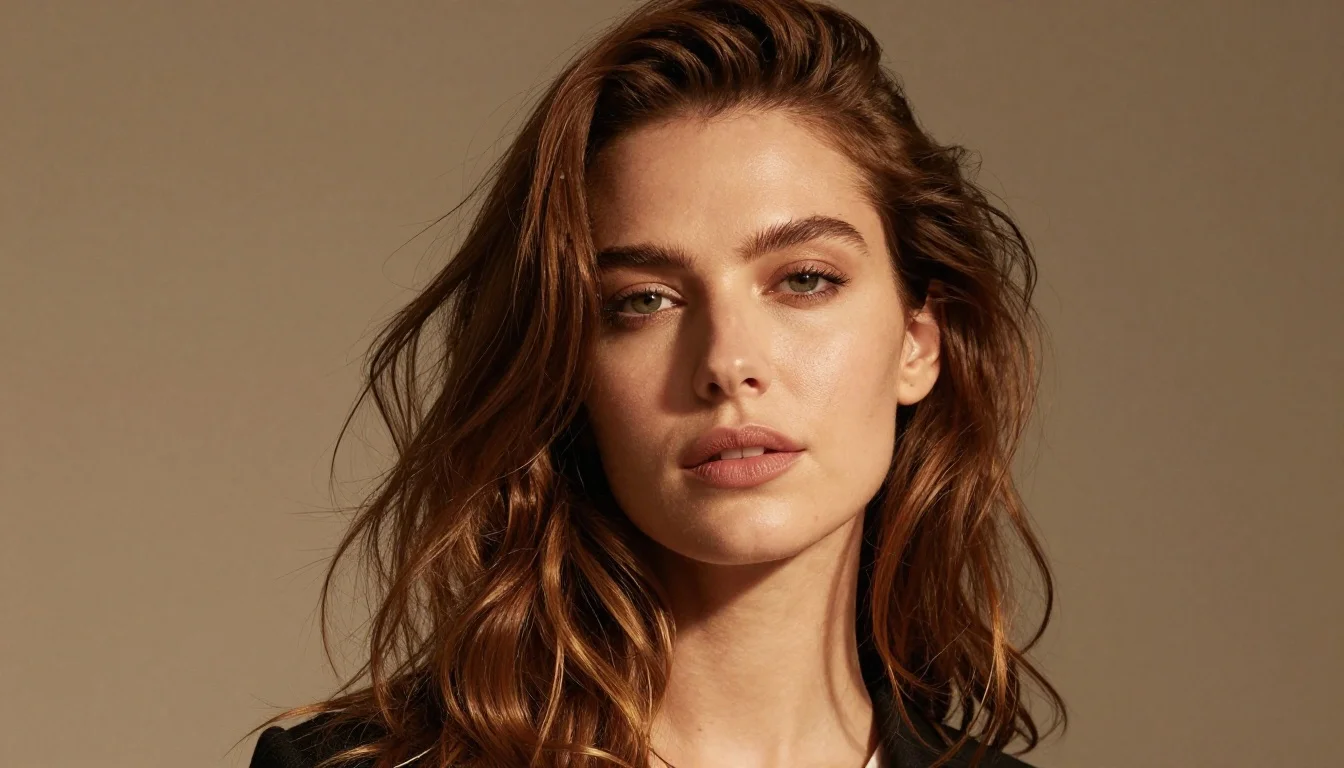
What spring colors look best on brunettes?
The best spring colors for brunettes depend on whether the brown is warm or cool. Warm brunettes (golden, chestnut, honey) look best in warm coral, peach, warm dusty rose, soft teal, and warm periwinkle. Cool brunettes (ash, cool chocolate) look best in cool dusty rose, soft lavender, cool mint, and medium blue. Dark brunettes with deep brown hair can handle more vivid spring shades — bright coral, vivid aqua, warm rose-red.
The Best Spring Colors for Brunettes
Warm Coral and Peach (for warm and dark brunettes)
Coral and peach are the quintessential spring colors for brunettes with warm undertones in their hair. The orange-warmth in golden brown, chestnut, and honey-toned hair resonates directly with coral's warm base. Worn near your face, warm coral reflects warmth back onto your complexion, creating a healthy, sun-kissed appearance that feels natural for spring. Dark brunettes should reach for the more vivid end — bright coral rather than pale peach — to match the stronger anchor of deep brown hair.
Dusty Rose and Soft Mauve (for all brunette types)
Dusty rose sits in a sweet spot for brunettes: it has the warmth of pink but the softness of a muted shade, which prevents it from washing out medium-depth hair the way a harsh bright pink might. Warm dusty rose (slightly peachy) works for warm brunettes; cool dusty rose (slightly lavender-tinted) works for ash and cool brunettes. Both versions create a harmonious, soft-feminine look that suits the medium contrast of most brown hair. This is one of the most universally flattering spring shades for brunettes.
Soft Teal and Warm Periwinkle (for warm brunettes)
Teal and periwinkle bring the blue-green freshness of spring without going fully cool. For warm brunettes, soft teal — particularly versions with a hint of warmth or yellow-green — creates beautiful contrast against golden and chestnut hair. The medium depth of the color matches the medium depth of brown hair without competing. Warm periwinkle, with its mix of blue and warmth, gives a similar effect. These are the spring blues that work for warm brunettes who might otherwise feel that blue fights their warm hair.
Soft Lavender and Cool Mint (for cool and ash brunettes)
Cool-toned brunettes — ash brown, cool chocolate, dark brown with no warmth — have a natural resonance with cool spring shades. Soft lavender complements the cool quality in ash hair without any temperature conflict. Cool mint brings fresh spring energy that aligns with the neutral-cool undertone of ash brunette. Medium periwinkle blue sits in the middle: not so vivid it overwhelms, not so pale it disappears. These cool spring shades make ash and cool brunettes look fresh and intentional rather than washed out.

Ready to see coral & peach on your face?
Start my color analysisHow to Dress Brunette Hair in Spring
Match the color temperature to your hair
The single most important rule: know whether your brown runs warm or cool, and stay in that temperature zone. Warm brunettes (golden, honey, chestnut) should reach for warm coral, peach, warm dusty rose, warm sage, and warm periwinkle. Cool brunettes (ash, cool chocolate) should reach for cool dusty rose, soft lavender, cool mint, and medium blue. Crossing the temperature line creates a subtle clash that is hard to diagnose but easy to see — the outfit looks slightly off without clear reason why.
Use spring color to create contrast, not match
The medium depth of brown hair means you have some contrast to work with but not unlimited contrast. The most flattering spring looks for brunettes create a clear step between the hair's medium depth and the clothing color — either lighter (soft peach, lavender, mint) or more vivid (bright coral, vivid teal, warm rose-red). Matching your hair's depth too closely creates a merged, flat look. Choose spring colors that are meaningfully lighter, slightly darker, or significantly more vivid than your hair.
Dark brunettes: go vivid, not just soft
If your brown hair is deep — dark chocolate, espresso-brown, near-black — do not feel limited to pale spring pastels. Your stronger contrast level means you can handle more saturation. Bright coral against very dark brown hair is striking and season-appropriate. Vivid aqua, warm rose-red, and clear teal all work with the intensity of dark brunette coloring. Overly soft or pale shades can look washed out against the contrast of very dark hair; vivid spring shades are your spring strength.
Fabrics amplify spring freshness
Spring colors in light fabrics feel entirely different from the same colors in heavier materials. Brunettes in spring get maximum benefit from linen, lightweight cotton, and fluid fabrics — they reinforce the freshness of the spring palette in a way that heavier textiles do not. A dusty rose linen blouse or a soft teal cotton dress reads as spring-appropriate in a way that the same shade in a wool-blend does not. Let the fabric choice support the seasonal color story.
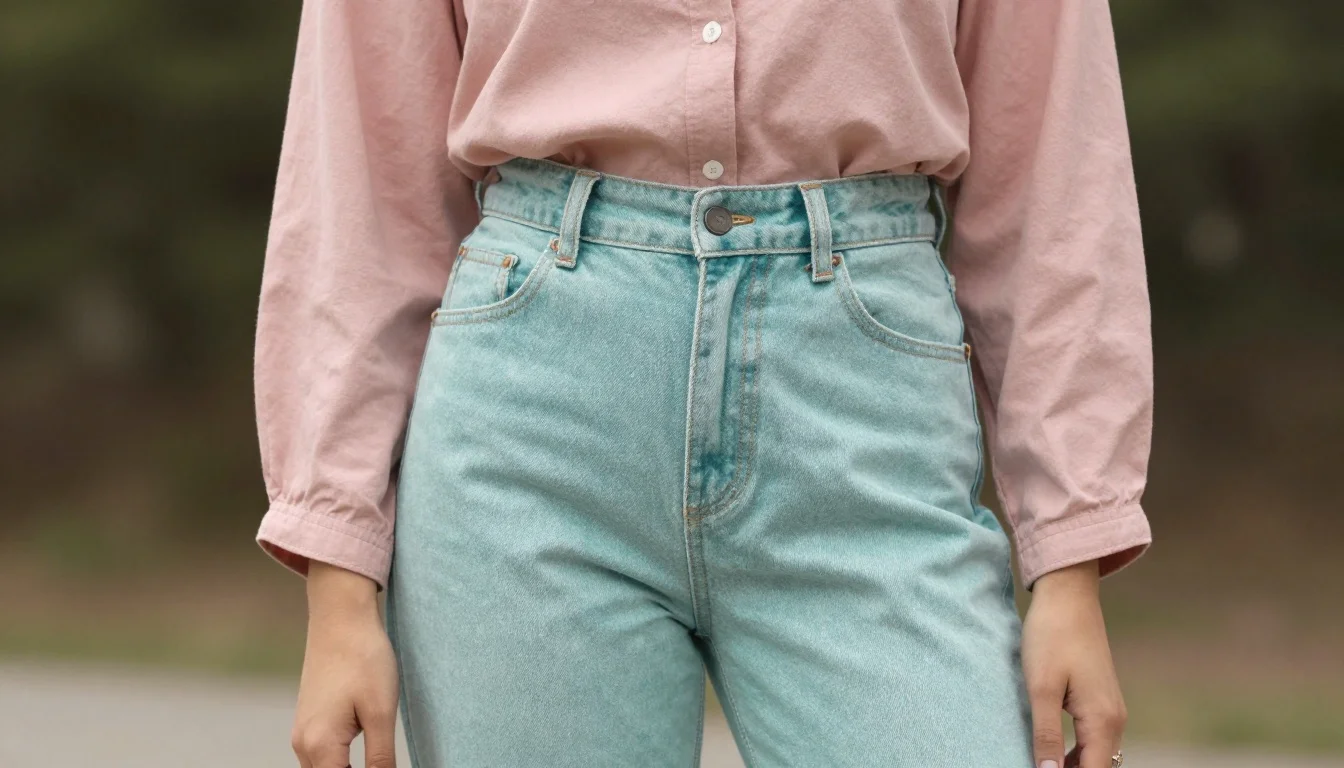
Spring Colors That Clash With Brown Hair
Very dark or heavy winter shades
Black, deep charcoal, and very dark navy carry a winter heaviness that works against the freshness of the spring season and the medium depth of brown hair. These colors make brunettes look seasonally heavy — the dark clothing and dark hair merge into a single dense block without the lightness that spring outfits require. Reserve these for autumn and winter; in spring, let the lighter shades do the work.
Muddy mid-tones at similar depth to hair
Colors that sit at roughly the same medium depth as brown hair — muddy khaki, murky olive, flat camel — create a blended-out effect where hair and clothing merge in an unflattering way. There is no contrast to lift the face, no freshness in the palette. Brown hair needs either some contrast (lighter or deeper shades) or clear, vivid spring colors to stand apart. Avoid anything that matches the depth of your hair too closely.
Chalky, washed-out pastels
Very pale, chalky pastels — the kind that look bleached rather than soft — can be tricky for brunettes with medium-depth hair. The contrast between the low-saturation pale color and the definite depth of brown hair can look unbalanced. This is less about avoiding pastels entirely and more about choosing dusty, muted pastels (which have presence) over chalky, bleached-out ones (which can look flat against brown hair).
Cool pinks for warm brunettes
Warm brunettes — golden, chestnut, honey-toned hair — should avoid cool pinks like fuchsia, blue-pink, and cool magenta. The temperature conflict is direct: warm hair's golden undertone fights cool pink's blue undertone. The result is that the warm hair looks brasher and the cool pink looks harsher. Warm coral, warm dusty rose, and peach are the correct pink-adjacent choices for warm brunettes.
Stop guessing — preview every look on you
See these looks on my photoSpring Color Swaps for Brunettes
Swapping common choices for spring shades that actually work with brown hair.
White is safe but misses the opportunity. Warm coral near golden or chestnut brown hair creates a glowing, season-specific look that plain white cannot.
Grey with cool ash hair is a tonal match that lacks contrast or freshness. Lavender and cool mint bring spring color while staying in the cool temperature of ash brunette hair.
Navy is too heavy for spring and creates a dark-on-dark effect with brunette hair. Periwinkle and teal give you the blue you want with spring freshness and contrast the hair's depth more effectively.
Camel and khaki sit in a similar warm-medium depth as brunette hair and tend to blend together. Warm sage and dusty rose create the contrast and freshness a spring blazer should deliver.
Black carries a winter heaviness that competes with spring energy. Vivid coral and rose-red match the strong contrast of dark brunette hair while staying fully in the spring palette.
Dark accessories anchor spring outfits with unnecessary heaviness. Warm tan and cognac harmonize with the warm-medium depth of brunette hair and allow spring colors to read as intended.
Which Color Season Are You If You Have Brown Hair?
Brown hair appears across multiple color seasons. Your season is determined not by hair color alone but by the combination of hair depth, skin undertone, eye color, and overall contrast level. Here are the most common seasonal homes for brunettes.
Soft Autumn
Learn moreMany medium brunettes — particularly those with warm or neutral-warm undertones, soft brown hair without strong golden or red highlights, and medium contrast — are Soft Autumn. Soft Autumn's palette includes warm dusty rose, muted teal, soft warm sage, and gentle periwinkle: exactly the spring-adjacent colors that often look best on warm-toned medium brunettes. If spring colors feel slightly too bright on you and softer, dusty versions feel right, Soft Autumn is worth exploring.
Warm Spring
Learn moreBrunettes with clear golden or chestnut warmth in their hair, golden or peachy skin, and relatively clear overall coloring can be Warm Spring. This season uses vivid warm spring colors — coral, warm peach, clear golden yellow, warm green — at their clearest and most golden. If you have warm brown hair and find that vivid warm colors look particularly healthy and vibrant on you, Warm Spring may be your season.
Cool Summer
Learn moreAsh brunettes — cool, grey-brown, or cool chocolate hair — with cool-toned or neutral-cool skin often land in Cool Summer. Cool Summer's palette overlaps meaningfully with the cool spring shades that suit ash brunettes: soft lavender, cool dusty rose, medium blue, soft mauve. If cool spring shades feel more natural on you than warm ones, and bright vivid colors feel too intense, Cool Summer is the likely home.
Find Your Exact Spring Palette for Your Brown Hair
Brown hair is one of the most versatile starting points for spring dressing — the medium depth allows for both vivid and soft shades, and the warm-versus-cool split within brunette gives you a clear direction. The spring colors that look best on you depend on the specific quality of your brown: its warmth, its depth, and how it interacts with your skin undertone and eye color. A personalised color analysis identifies exactly which spring shades belong in your wardrobe — and which to leave on the rack.
Stop guessing — preview every color on you
Preview Yourself In Your Palette
Get my personalized paletteStop guessing — preview every color on you
Preview Yourself In Your Palette

Related Guides for Spring Colors for Brunettes
Explore more personalized color advice based on your features.
Want to see these colors on you? What Colors Look Good on Me — free to try.
Frequently Asked Questions About Spring Colors for Brunettes
What spring colors look best on brunettes?
The best spring colors for brunettes depend on whether the brown is warm or cool. Warm brunettes (golden, chestnut, honey) look best in warm coral, peach, warm dusty rose, soft teal, and warm periwinkle. Cool brunettes (ash, cool chocolate) look best in cool dusty rose, soft lavender, cool mint, and medium blue. Dark brunettes with deep brown hair can handle more vivid spring shades — bright coral, vivid aqua, warm rose-red.
Can brunettes wear pastels in spring?
Yes, but the right kind. Dusty or muted pastels — soft dusty rose, muted lavender, gentle sage — work well with brunette hair because they have presence without being chalky. Very pale, bleached-out pastels can look flat against the medium depth of brown hair. Dark brunettes specifically should choose pastels carefully; vivid spring shades often suit them better than very pale ones.
What colors should brunettes avoid in spring?
Brunettes should avoid very dark, heavy colors in spring — black, deep charcoal, and heavy navy carry winter energy that feels season-wrong. Also avoid muddy mid-tones at a similar depth to your hair, which create a blended-out, flat look. Warm brunettes should specifically avoid cool pinks like fuchsia and cool magenta, which conflict with warm hair's golden undertone.
Is coral a good spring color for brunettes?
Coral is one of the best spring colors for warm brunettes. The orange-warmth in coral resonates with the golden, chestnut, or honey undertone in warm brown hair. Vivid coral suits dark brunettes particularly well, providing strong contrast against deep brown hair. Cool brunettes (ash, cool chocolate) should choose dusty rose or cool pink instead, as coral's warm base can conflict with cool-toned hair.
What spring colors work for ash brown hair?
Ash brown hair has a cool, neutral quality that works best with cool spring shades: soft lavender, cool dusty rose, cool mint, medium periwinkle blue, and soft mauve. These cool spring colors share the temperature of ash hair and create a harmonious, intentional look. Warm spring colors like coral and peach can create a slight temperature conflict with ash brown's cool undertone.
What color season are most brunettes?
Brunettes appear in many color seasons depending on depth, skin undertone, and eye color. Common seasonal homes include Soft Autumn (medium-depth, warm-soft), Warm Spring (clear golden warmth), Cool Summer (ash, cool-toned), Deep Autumn (deep brown, warm depth), and Cool Winter (very dark brown, cool contrast). Hair color alone does not determine your season — it is one element of a complete picture.