Outfits forWarm Undertones
Warm undertones glow in the right outfit colors — earthy oranges, rich teals, warm jewels. Discover how to build looks with shades that actually flatter you.
Warm undertones — the golden, peachy, or amber quality beneath your skin — have a distinct outfit color logic. Clothes that share or amplify that warmth make warm skin look intentionally rich and luminous. Clothes in cool temperature territory introduce a visual conflict that drains the natural glow from warm-toned skin. The difference between an outfit that makes you look vibrant and one that makes you look slightly off is usually temperature.


3,000+
happy clients
Why Temperature Is the Most Important Factor in Warm-Undertone Outfits
Warm undertones — the golden, peachy, or amber quality beneath your skin — have a distinct outfit color logic. Clothes that share or amplify that warmth make warm skin look intentionally rich and luminous. Clothes in cool temperature territory introduce a visual conflict that drains the natural glow from warm-toned skin. The difference between an outfit that makes you look vibrant and one that makes you look slightly off is usually temperature.
Warm undertones have yellow, peach, or golden pigment close to the skin's surface. This warmth interacts with every color worn near the face — colors that share the warm temperature register look harmonious, intentional, and effortlessly flattering. Colors with a cool blue or grey base create a temperature mismatch that can make warm skin look flat, slightly sallow, or dull.
The effect is strongest near the face — collar, neckline, jacket lapel. A warm-toned scarf or blouse collar immediately enhances the natural glow of warm skin. The same warm skin in a cool grey-blue top can look drowned. The further a garment is from the face (trousers, shoes), the less the temperature impact matters — which is why warm undertones can wear cool-toned bottoms more successfully than cool-toned tops.
Warm undertone outfit success comes down to three principles: temperature harmony (warm hues in the garments nearest the face), tonal richness (saturated and deep versions of warm colors rather than washed-out versions), and contrast management (enough variation in lightness to avoid blending into the outfit rather than wearing it).
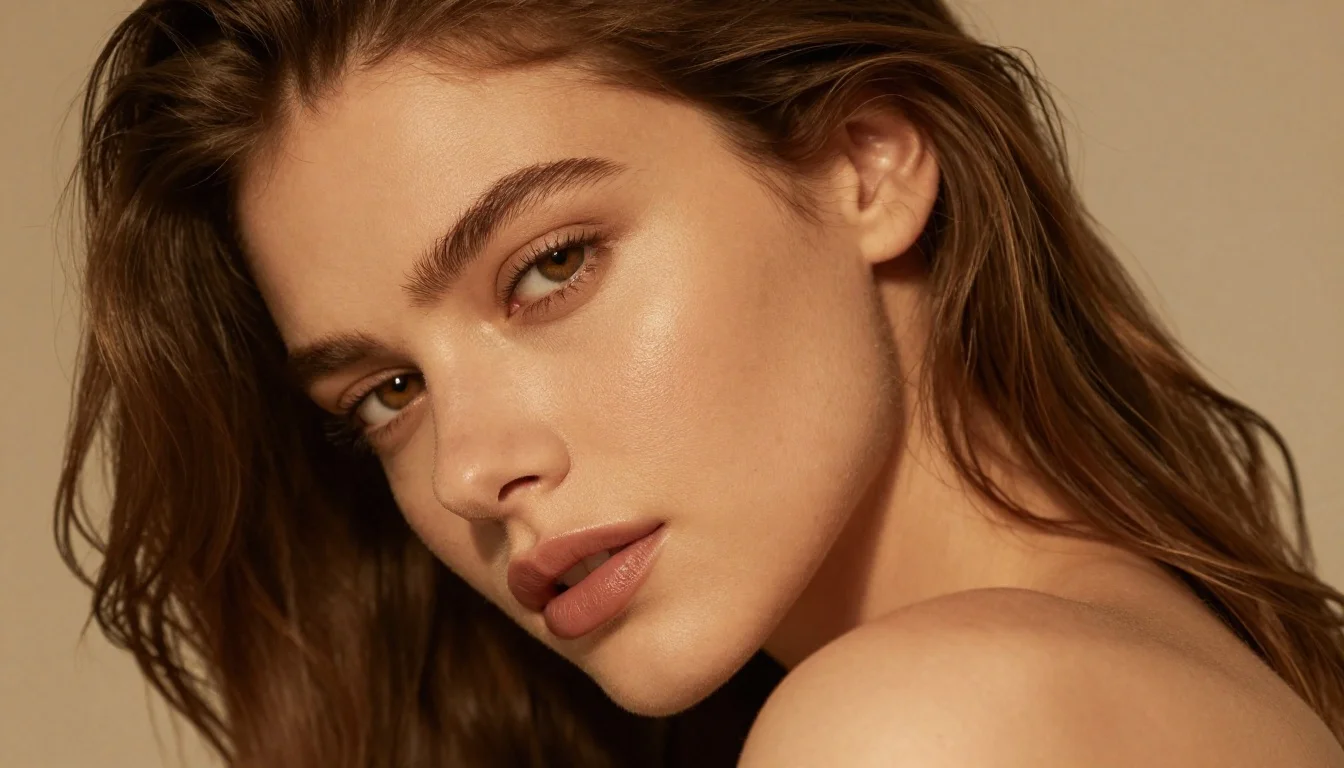
What colors look best in outfits for warm undertones?
Warm earthy tones — terracotta, burnt orange, camel, rich ochre — are the most harmonious outfit colors for warm undertones. Warm jewel tones like deep teal, cognac amber, and warm emerald also look beautiful. Deep burgundy and warm plum work as statement pieces. Warm ivory is a better neutral than stark white. The pattern: colors with warm or earthy bases consistently outperform cool blue-based colors for warm-toned skin.
Best Outfit Colors for Warm Undertones
Earthy Oranges & Terracotta
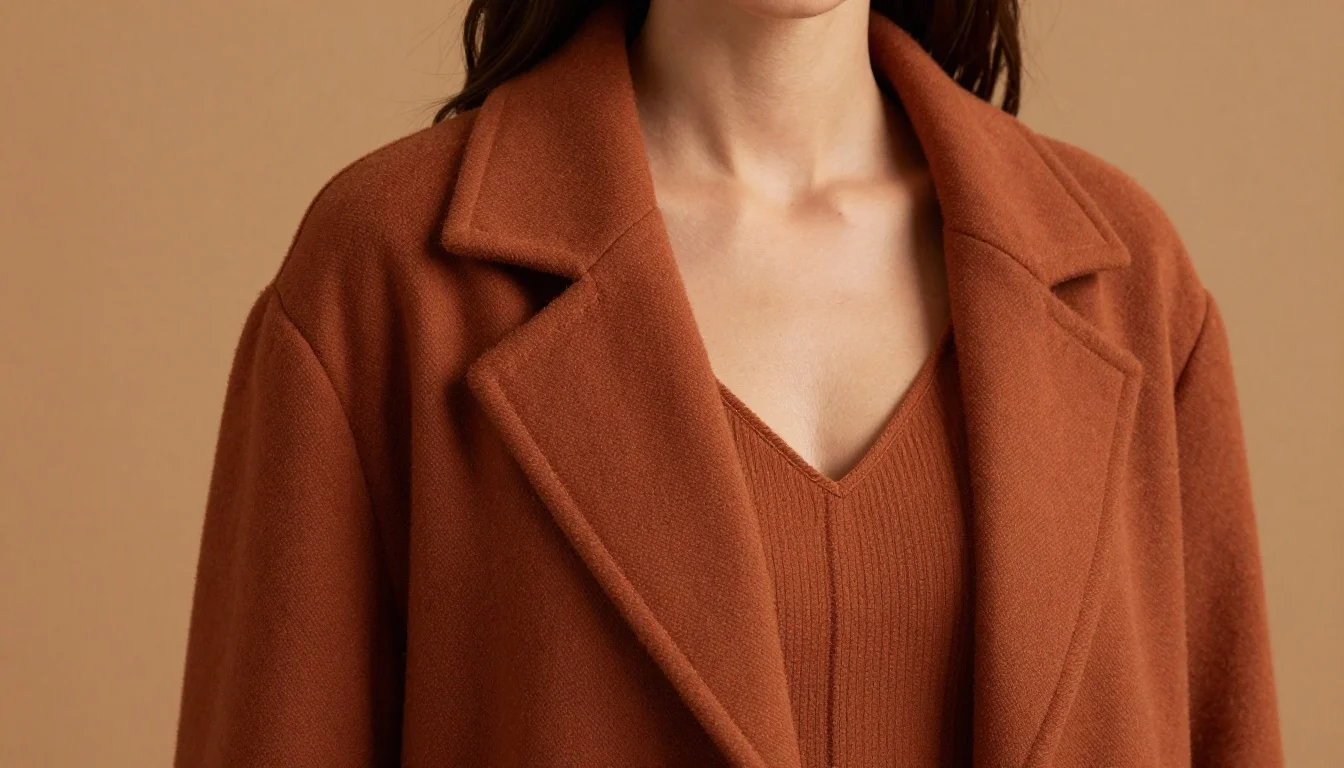
Earthy oranges and terracotta are the most harmonious outfit colors for warm undertones. They echo the exact warmth in golden and peachy skin — wearing terracotta against warm-toned skin creates a resonance that looks like it was chosen with deep expertise. Burnt orange and deep rust work beautifully as tops, dresses, and outerwear. The key is choosing the richest, most saturated version — faded or muted terracotta loses the warmth that makes it work.
Warm Jewels: Teal, Amber, Emerald
Jewel tones with a warm base are excellent outfit choices for warm undertones — they provide the richness and depth of jewel colors while staying in temperature harmony with golden skin. Deep warm teal (leaning slightly olive-teal rather than pure blue-teal) looks extraordinary against warm skin. Cognac amber is the warmest jewel color and one of the most flattering for warm-toned complexions in dresses and tops. Warm sapphire works better than cool blue because it has enough red warmth to stay harmonious.
Warm Neutrals & Camel
Warm neutrals are the outfit backbone for warm undertones — they work as everyday basics without the temperature conflict that cool greys and icy whites create. Rich camel is the most versatile: it resonates with warm skin and functions as a sophisticated neutral alternative to beige. Warm ivory has the golden quality that makes it more flattering than cool white near warm-toned faces. Golden olive captures warmth and earthiness in a single color — far more successful on warm skin than muted dull olive.
Deep Rich Burgundy & Wine
Warm reds and burgundies — those with a red-orange or red-brown warmth rather than a blue-cool base — are reliable outfit statement colors for warm undertones. Deep burgundy provides the red richness that resonates with warm skin's golden quality. Warm plum and aubergine avoid the temperature conflict of cool purple by having a red-warm base. These work beautifully as outerwear, evening dress, and statement tops across seasons.

Ready to see terracotta & orange on your face?
Start my color analysisHow to Build Outfits Around Warm Undertones
Start with a warm-temperature top
The most high-leverage outfit decision for warm undertones is the top or neckline color. A warm terracotta, cognac amber, or warm ivory blouse against warm skin creates an immediately flattering, glowing effect. From there, the bottom can be more neutral — dark navy, warm camel, deep brown, or rich black. The single warm top does most of the work. A warm-temperature top with neutral trousers is the most reliable warm-undertone formula.
Layer warm jewels for richness
Warm jewel tones — deep warm teal, cognac amber, warm sapphire — work as layering pieces as well as main garments. A warm teal blazer over a warm ivory shirt creates a layered jewel-toned look that's deeply flattering for warm skin. Rich emerald coat over camel sweater. Deep burgundy cardigan over warm terracotta top. The layering of warm adjacent colors creates a tonal depth that makes outfits look expertly styled rather than assembled.
Use camel as your base neutral
Cool greys and stark whites are the default outfit neutrals — but for warm undertones, camel and warm ivory are far more flattering. A camel coat over any outfit immediately brings warmth and cohesion. Warm ivory trousers with a terracotta blouse. Camel trousers with a warm jewel-toned top. The warm neutral base means everything layered over it stays in temperature harmony. Swap your grey basics for warm ivory and camel equivalents.
Contrast with depth, not temperature
Warm undertones create outfit contrast most effectively by varying lightness rather than temperature — pairing deep colors with light ones, both within the warm register. Deep burgundy dress with warm ivory accessories. Warm terracotta top with deep navy trousers. The contrast comes from depth (dark vs light) rather than temperature (warm vs cool), which keeps the whole outfit in harmony with warm skin. This avoids the flat, monochromatic look while staying in temperature alignment.
Outfit Colors That Fight Warm Undertones
Icy blue and cool steel
Icy blue and cool steel-grey have a cool blue base that creates direct temperature conflict with warm golden skin near the face. In photographs and in person, warm-toned skin in a cool steel blue top can look slightly ashy or drowned. Warm teal and sapphire blue can work — but the icy, very cool versions of blue consistently underperform against warm undertones.
Cool lavender and blue-purple
Cool lavender and blue-based purple have the same cool temperature conflict with warm skin. Near warm-toned faces, these colors can make the skin look sallow or slightly greenish. Warm plum and deep burgundy deliver the purple register without the conflict — the difference is in the base temperature: red-based purple works, blue-based purple fights.
Stark white and icy neutrals
Stark, icy white has a blue-white quality that creates temperature conflict with warm golden skin. Against warm-toned skin, icy white can look harshly contrasting in an unflattering way. Warm ivory and warm champagne white are far more harmonious — the golden quality in these neutrals resonates with the warmth in the skin rather than fighting it.
Stop guessing — preview every look on you
See these looks on my photoWarm Undertone Outfit Swaps
Trade temperature-conflicting defaults for versions that make warm skin glow.
Cool white and icy grey fight the golden quality in warm skin. Warm ivory resonates with warm undertones; terracotta creates rich harmony.
Cool grey introduces temperature conflict when combined with warm-toned tops. Camel stays in warm register; navy is deep enough to work as contrast neutral.
Cool lavender and icy blue clash with warm skin temperature. Warm teal, amber, and burgundy all amplify the golden quality of warm undertones.
Cool blazer temperatures fight warm skin near the face. Warm camel and rich emerald create temperature harmony and make outfits look intentionally styled.
Silver introduces cool temperature against warm skin. Yellow gold resonates with the golden quality in warm undertones — jewelry reads as integrated, not contrasting.
Cool silver creates temperature conflict against warm skin in formal settings. Warm teal and amber look deliberately rich and golden in photography and candlelight.
Which Seasonal Palette Has Warm Undertones?
Warm undertones span several seasonal palettes. Your specific season determines whether your outfit sweet spot is rich and earthy, light and clear, or deep and saturated.
Warm Autumn
Learn moreWarm Autumn has the richest, most earthy warm undertone — golden-brown, amber, or olive-warm skin with muted warmth throughout. Your outfit palette: rich terracotta, deep forest green, warm rust, cognac, and camel. Everything warm, rich, and deliberately earthy. Bright and vivid colors work less well; depth and richness are your strength.
Warm Spring
Learn moreWarm Spring has lighter, clearer warm undertones — golden fair to golden medium skin with bright, clear warmth. Your outfit palette: warm coral, clear warm turquoise, peach, golden cream, and warm yellow-green. The warmth is vivid and fresh rather than earthy. Muted and dusty versions of warm colors are less effective than clear, bright ones.
Deep Autumn
Learn moreDeep Autumn has warm undertones at high depth — dark warm skin, dark hair, and dark warm eyes. Your outfit palette can reach the richest and deepest warm colors: deep burgundy, forest green, warm chocolate, cognac, and deep ochre. This is the most contrast-tolerant warm palette, suited to bold warm color choices.
Build Your Perfect Warm-Undertone Wardrobe
Warm undertones span light golden fair skin to deep warm brown — and within that range, your exact seasonal palette tells you which specific terracottas, teals, and ambers make your version of warm undertones look most alive. A personalized color analysis identifies your season and gives you the precise outfit palette that honors the golden quality in your skin.
Stop guessing — preview every color on you
Preview Yourself In Your Palette
Get my personalized paletteStop guessing — preview every color on you
Preview Yourself In Your Palette

Related Guides for Outfits for Warm Undertones
Explore more personalized color advice based on your features.
Want to see these colors on you? Skin Undertone Test — free to try.
Frequently Asked Questions About Outfits for Warm Undertones
What colors look best in outfits for warm undertones?
Warm earthy tones — terracotta, burnt orange, camel, rich ochre — are the most harmonious outfit colors for warm undertones. Warm jewel tones like deep teal, cognac amber, and warm emerald also look beautiful. Deep burgundy and warm plum work as statement pieces. Warm ivory is a better neutral than stark white. The pattern: colors with warm or earthy bases consistently outperform cool blue-based colors for warm-toned skin.
What colors should warm undertones avoid in outfits?
Cool blues, icy whites, cool greys, and blue-based purples all create temperature conflict against warm golden skin. Near warm-toned faces, these colors can make the complexion look slightly ashy or drowned. The exception: deep navy and deep charcoal have enough depth to work as contrast neutrals even for warm undertones — the depth overcomes the cool temperature.
Can warm undertones wear navy in outfits?
Yes — deep navy works for warm undertones despite being a cool hue, because the depth overcomes the temperature conflict. Deep navy trousers, dark navy outerwear, and navy dresses all work as contrast anchors for warm-undertone outfits. True bright cobalt and icy blue are more difficult — go for deep, saturated navy rather than cool-bright blue.
What neutral colors work for warm-undertone outfits?
Rich camel, warm ivory, deep warm navy, and warm chocolate brown are the most flattering neutrals for warm-undertone outfits. Cool grey, icy white, and silver-grey fight the golden register in warm skin. Build your neutral outfit base around camel and warm ivory rather than grey and stark white — the temperature harmony creates a cohesive, glowing look.
Should warm undertones wear gold or silver accessories with outfits?
Gold — yellow gold, bronze, and antique gold — consistently outperforms silver for warm-undertone outfit accessories. Gold resonates with the golden quality in warm skin, making the entire outfit feel harmonious and intentional. Silver introduces a cool note that fights warm skin's temperature. Rose gold is a flattering middle option that bridges warm and cool without the full cool conflict of silver.