Outfits forCool Undertones
Cool undertones look most vivid in jewel tones, deep navies, and clear brights. Discover how to build looks with shades that actually flatter you.
Cool undertones — the pink, rosy, or blue-adjacent quality in your skin — respond to outfit colors differently than warm undertones. Cool jewel tones, deep navy, berry, and vivid clear colors all make cool-toned skin look polished and luminous. Warm-temperature outfits can create a subtle but visible conflict that makes cool skin look slightly flat or sallow. Understanding which side of the color temperature spectrum to dress from transforms ordinary outfits into outfits that look specifically made for you.


3,000+
happy clients
Why Color Temperature Defines Cool-Undertone Outfit Success
Cool undertones — the pink, rosy, or blue-adjacent quality in your skin — respond to outfit colors differently than warm undertones. Cool jewel tones, deep navy, berry, and vivid clear colors all make cool-toned skin look polished and luminous. Warm-temperature outfits can create a subtle but visible conflict that makes cool skin look slightly flat or sallow. Understanding which side of the color temperature spectrum to dress from transforms ordinary outfits into outfits that look specifically made for you.
Cool undertones have pink, rosy, or blue-adjacent pigment near the skin's surface. When colors worn close to the face share that cool temperature — navy, cobalt, berry, soft rose, cool emerald — they look harmonious and integrated with the complexion. When colors carry warm amber or orange bases, they can create a temperature mismatch that makes cool-toned skin look slightly off.
The most visible effect happens at the neckline — the collar, décolletage, and anything near the face is where outfit temperature matters most. A cool-temperature blouse makes cool-toned skin look luminous. The same person in a warm amber blouse can look subtly drained. Further from the face — trousers, skirts, shoes — the temperature effect diminishes, which is why cool-undertone dressers can wear warm-toned bottoms more freely than warm-toned tops.
Three outfit principles work consistently for cool undertones: clear and cool temperature in the garments nearest the face, enough contrast in depth to define the outfit against the skin, and silver or cool-metal accessories to maintain temperature harmony throughout. Following these three principles makes outfit building dramatically more consistent.
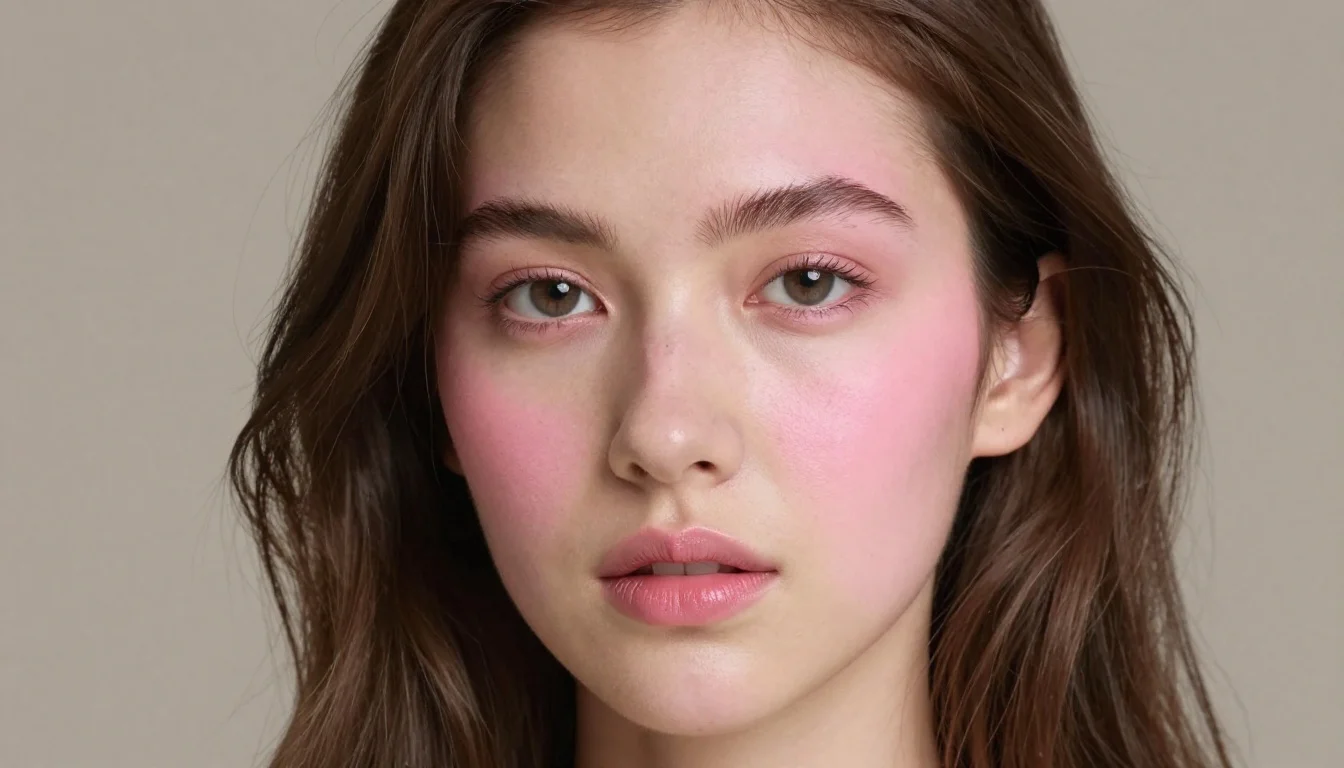
What outfit colors look best on cool undertones?
Cool jewel tones — cobalt blue, cool emerald, deep sapphire, rich berry — are the most flattering statement outfit colors for cool undertones. Deep navy and charcoal grey are ideal neutral foundations. Soft lavender, periwinkle, and cool rose are flattering mid-tones. Vivid fuchsia and classic blue-red are excellent bold choices. The pattern: colors with blue or pink bases consistently outperform orange or amber-based colors on cool-toned skin.
Best Outfit Colors for Cool Undertones
Cool Jewel Tones: Sapphire, Emerald, Berry
Cool jewel tones are the most flattering statement outfit colors for cool undertones. True cobalt — a vivid, slightly cool blue — looks luminous against pink-rosy skin. Cool emerald (leaning slightly blue-green rather than warm yellow-green) creates striking contrast. Deep sapphire and rich berry both sit in the blue-red zone that harmonizes with cool undertones. These colors make outfits look deliberately sophisticated on cool-toned skin rather than just chosen.
Navy & Deep Cool Neutrals
Deep cool neutrals are the backbone of a cool-undertone wardrobe — they function as sophisticated anchors that work with every cool-register color above them. Deep navy is the most universal: cool enough to harmonize with pink-rosy skin, deep enough to create striking contrast at every depth from light to dark cool skin. Cool charcoal grey provides the same function as a neutral without the warmth of brown-charcoal. These are the wardrobe foundations.
Cool Soft Tones: Rose, Lavender, Periwinkle
Cool-undertoned skin has exclusive access to a category of soft cool tones that look delicate and luminous rather than washed out. Soft cool rose resonates with the pink quality in cool skin and looks clean and fresh rather than blending in. Pale lavender and periwinkle create temperature harmony with blue-adjacent cool undertones. These are colors that work best, and sometimes exclusively, on cool-undertone skin — they're the fair-advantage territory in outfit building.
Bold Pops: Fuchsia, Classic Red, Cool Coral
High-saturation bold colors look particularly striking on cool-toned skin when they sit in the cool-adjacent spectrum. Vivid fuchsia — the pink-red that leans cool — creates an extraordinary vivid statement against cool skin. Classic blue-red (true red with a cool cast rather than orange-red) is universally flattering for cool undertones and looks deliberately chosen. Electric cobalt as a bold outfit statement creates the highest vivid impact for cool-toned complexions.

Ready to see cobalt blue & emerald on your face?
Start my color analysisHow to Build Outfits for Cool Undertones
Anchor in navy or charcoal
Deep navy and charcoal grey are the most versatile outfit foundations for cool undertones — they create depth, stay in temperature harmony, and work with every cool-tone accent. Deep navy trousers with a cobalt or berry top. Charcoal grey blazer with a soft rose or periwinkle blouse. Start with a deep cool neutral as the anchor and build upward with cool-temperature color. This formula works at every formality level from weekend casual to boardroom formal.
Use silver as your metallic
Silver, platinum, and cool-grey metallics resonate with cool undertones in the way gold resonates with warm. Silver jewelry, silver-toned buttons, silver bag hardware — each of these maintains the cool temperature through the outfit rather than introducing a warm-gold note. A cool-toned outfit with gold accessories has a slight temperature mismatch that's visible in photos. Silver keeps the whole look in cool-temperature harmony.
Choose the cool version within each color family
Within any color family, choose the version with the cooler base: blue-red rather than orange-red, blue-green emerald rather than yellow-green olive, wine-plum rather than orange-plum, cool fuchsia rather than warm salmon. The distinction within families matters as much as the family itself. When choosing between two similar shades, hold them near your face in natural light — the one that makes your skin look fresher and more luminous is your temperature.
Layer cool tones for depth
Cool-undertone outfits layer beautifully within the cool register. Deep navy blazer over a soft periwinkle shirt. Berry cardigan over a pale lavender top. Cool emerald coat with deep sapphire accessories. Layering within the cool register creates outfit depth and polish without any temperature conflict. Avoid mixing warm and cool layers near the face — the temperature shift reads as accidental rather than deliberate.
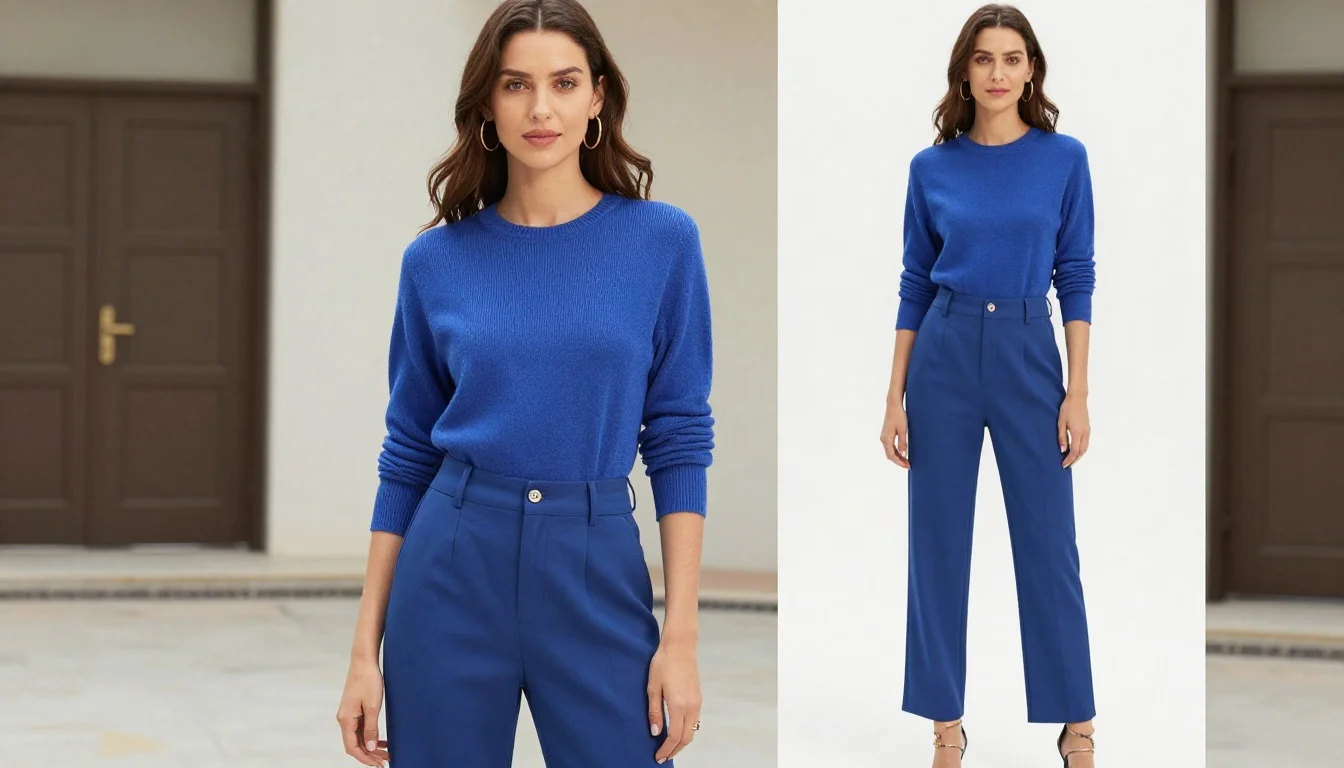
Outfit Colors That Create Temperature Conflict with Cool Undertones
Orange-red and warm coral
Orange-red and warm coral have a strong warm-amber base that creates temperature conflict with pink-cool skin near the face. These colors can make cool-toned complexions look slightly sallow or drained rather than luminous. Classic blue-red and cool coral-pink deliver the red-pink register without the warm-base conflict — the base temperature of the red matters as much as the red itself.
Warm amber and golden yellow
Warm amber and golden yellow introduce the warm temperature register most directly. Against cool-undertoned skin, these colors create a visual contrast in the wrong direction — warm outfit colors making cool skin look cooler by opposition rather than harmonizing with it. Soft yellow with a cool or clear rather than golden base can work; golden-amber yellow consistently fights cool undertones.
Warm camel and sandy beige
Warm camel and sandy beige carry enough amber warmth to conflict with cool-toned skin near the face. As warm-undertone neutrals, they look flattering on golden skin but can look slightly off against pink or rosy skin. Cool-based neutrals — crisp white, soft grey, cool light stone — work better as cool-undertone basics. Black and deep navy function as the sophisticated cool-undertone neutral anchors.
Stop guessing — preview every look on you
See these looks on my photoCool-Undertone Outfit Upgrades
Replace warm defaults with cool-temperature versions that actually work for your skin.
Warm ivory carries golden warmth that conflicts with cool skin. Crisp white and powder blue stay in temperature harmony with pink-rosy undertones.
Warm camel introduces temperature conflict at trouser level. Navy and charcoal function as sophisticated cool neutrals that anchor any cool-tone outfit.
Warm coral and amber fight cool-toned skin near the face. Cobalt and berry amplify the luminous quality of cool undertones rather than draining it.
Warm-temperature blazers create temperature conflict near the face. Cool navy and emerald keep the outfit in cool harmony and look deliberately chosen on cool skin.
Yellow gold carries warm temperature that fights cool undertones. Silver and white gold resonate with cool skin, making jewelry feel integrated rather than jarring.
Warm champagne and golden tones conflict with cool-toned skin in formal settings. Icy silver and cool rose look luminous and deliberate against cool undertones.
Which Seasonal Palette Has Cool Undertones?
Cool undertones appear across several seasonal palettes — your exact season determines whether your outfit sweet spot is deep and vivid, soft and muted, or clear and bright within the cool spectrum.
Cool Winter
Learn moreCool Winter has the most vivid, pure cool undertone — high contrast between features, often with dark hair and light or medium skin with distinct pink-blue coolness. Your outfit sweet spot: true black, brilliant white, cobalt blue, vivid fuchsia, and pure cool emerald. High-contrast, clear colors are your strength. Muted or soft versions of cool colors work less well than vivid, saturated ones.
Cool Summer
Learn moreCool Summer has cool undertones at medium contrast — medium to light skin with distinct pinkness or rosiness, often with softer overall coloring. Your outfit sweet spot: deep navy, soft rose, mauve, cool grey, and dusty periwinkle. You can wear muted cool tones that Cool Winter can't, but bright, vivid colors can overpower Cool Summer's softer coloring.
Light Summer
Learn moreLight Summer has cool undertones at low depth — very fair to light skin with gentle pinkness, low contrast overall. Your outfit sweet spot: soft powder blue, pale lavender, dusty rose, and muted cool tones throughout. Deep, dark anchors can feel heavy — reach for medium-cool depths like dusty blue-navy or deep mauve rather than true black.
Build Your Ideal Cool-Undertone Outfit Palette
Cool undertones span light pink-fair to deep blue-toned complexions — and within that range, your specific seasonal palette tells you which cobalt blues, berries, and grey-neutrals make your version of cool look most luminous. A personalized color analysis identifies your exact season and delivers the precise outfit color palette that works with the cool quality in your skin.
Stop guessing — preview every color on you
Preview Yourself In Your Palette
Get my personalized paletteStop guessing — preview every color on you
Preview Yourself In Your Palette

Related Guides for Outfits for Cool Undertones
Explore more personalized color advice based on your features.
Want to see these colors on you? Skin Undertone Test — free to try.
Frequently Asked Questions About Outfits for Cool Undertones
What outfit colors look best on cool undertones?
Cool jewel tones — cobalt blue, cool emerald, deep sapphire, rich berry — are the most flattering statement outfit colors for cool undertones. Deep navy and charcoal grey are ideal neutral foundations. Soft lavender, periwinkle, and cool rose are flattering mid-tones. Vivid fuchsia and classic blue-red are excellent bold choices. The pattern: colors with blue or pink bases consistently outperform orange or amber-based colors on cool-toned skin.
What outfit colors should cool undertones avoid?
Orange-red, warm coral, golden yellow, warm camel, and amber all create temperature conflict against pink or rosy cool-toned skin. These warm-temperature colors can make cool undertones look slightly sallow or drowned near the face. Blue-based reds, cool coral-pinks, and crisp whites work instead of warm versions of these same hue families.
Can cool undertones wear black outfits?
Yes — black is excellent for cool undertones. True black has a neutral-to-cool quality that harmonizes with pink and rosy skin without the temperature conflict of warm colors. All-black outfits look polished on cool undertones. Black works particularly well for Cool Winter and Cool Summer seasonal palettes. Deep charcoal is a sophisticated alternative that creates similar contrast.
What neutral colors work best for cool-undertone outfits?
Crisp white, deep navy, charcoal grey, and soft cool grey are the best outfit neutrals for cool undertones. Warm camel, sandy beige, and warm ivory all carry enough warm temperature to create subtle conflict. Black and deep navy function as the sophisticated cool-undertone neutral anchors for outfit building — they create depth and contrast without temperature conflict.
Should cool undertones wear silver or gold jewelry with outfits?
Silver, white gold, and platinum consistently look more flattering on cool undertones than yellow gold or bronze. Silver resonates with the cool temperature of pink-rosy skin — it looks integrated and harmonious. Yellow gold introduces warm temperature that creates a subtle but visible contrast against cool skin. Rose gold sits between the two and can work, particularly for lighter cool undertones.