How to WearBlush Pink
Blush pink works as a warm neutral, a romantic accent, and a full statement. Discover how to wear them confidently — matched to your undertone.
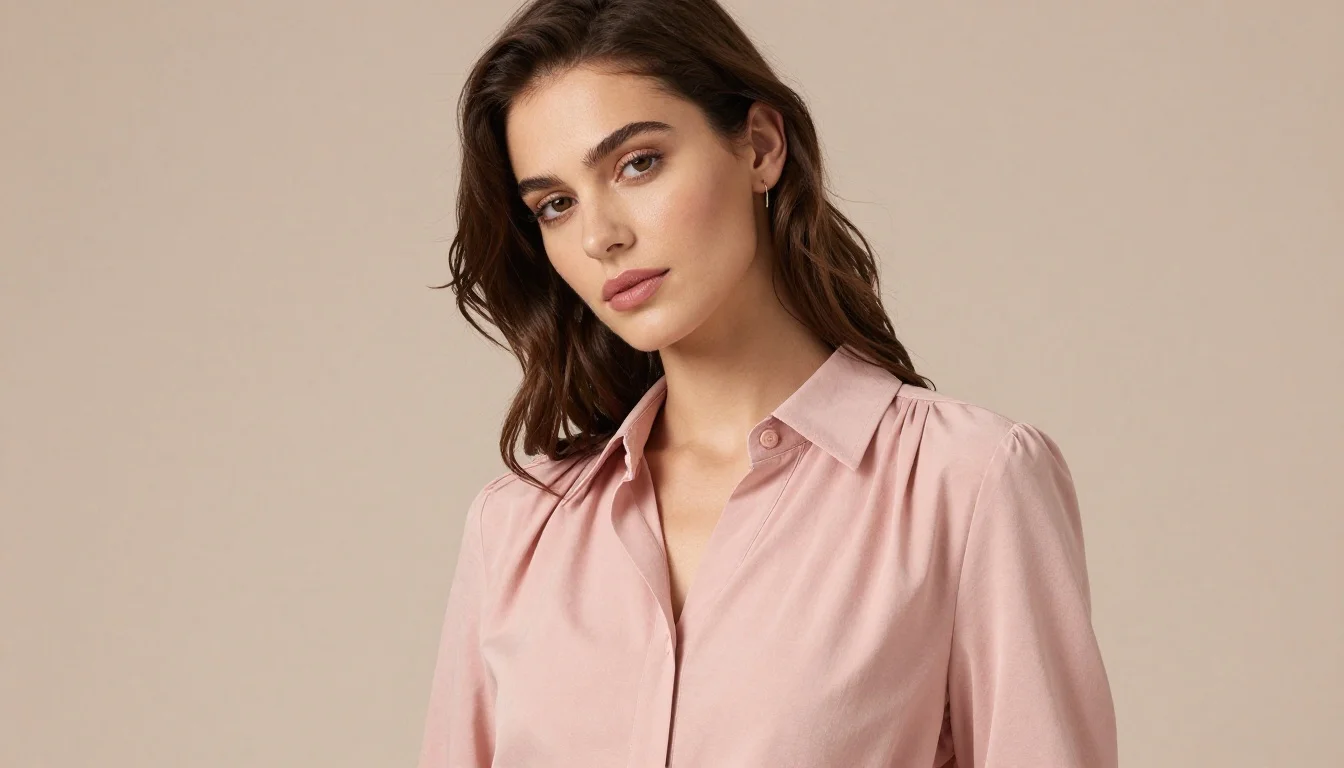
Blush pink is the most wearable version of the pink family — soft enough to function almost as a neutral, warm enough to add genuine color, and versatile enough to work in casual dressing, professional settings, and formal occasions. But 'blush' covers significant variation: from barely-there nude-pink through warm peachy rose to more saturated dusty pink. The shade you choose — and what you pair it with — determines whether blush feels elegant and intentional or disappears entirely.


3,000+
happy clients
Why Blush Is a Special Case in the Pink Family
Blush pink is the most wearable version of the pink family — soft enough to function almost as a neutral, warm enough to add genuine color, and versatile enough to work in casual dressing, professional settings, and formal occasions. But 'blush' covers significant variation: from barely-there nude-pink through warm peachy rose to more saturated dusty pink. The shade you choose — and what you pair it with — determines whether blush feels elegant and intentional or disappears entirely.
Blush pink's unique quality is that it exists at the boundary between pink and neutral. While hot pink, fuchsia, and even dusty rose are clearly 'pink,' blush occupies a zone where the pink is desaturated enough to read as a soft warm tone rather than a statement color. This makes blush remarkably versatile — it pairs with warm colors as a soft complement and with cool colors as a warm contrast, working in both directions without conflict.
The warm undertone in most blush pinks — the peachy-rose quality — reflects warmth toward skin, making it particularly flattering near the face for most skin tones. Unlike cool pinks that can wash out paler complexions or clash with warm complexions, blush has enough warmth to create a universally flattering glow effect. This is partly why blush is such a popular color for women's formalwear — it photographs beautifully and flatters broadly.
The challenge with blush is avoiding the two failure modes: too pale (where it becomes indistinguishable from skin or cream) and too saccharine (where the sweetness overwhelms the outfit). The ideal blush has genuine color without intensity — visible pink without being 'pink.' Finding that precise shade for your undertone is the work that makes blush look effortless rather than accidental.
What colors go with blush pink?
Charcoal grey and navy provide the best contrast with blush — they give depth without competing. Cream, ivory, and warm white work for a soft tonal look. Dusty rose and mauve alongside blush create a sophisticated tonal pink palette. Avoid bright or vivid colors alongside blush — they overwhelm it.
Shades of Blush Pink That Work Best
Classic Rose Blush
Classic rose blush is the most versatile and recognizable version — a warm, medium-soft pink with visible rose warmth. It's pale enough to read as a near-neutral and warm enough to have genuine color. This is the blush of a silk blouse, a cashmere knit, or a slip dress — pieces where the softness of the color creates elegance rather than sweetness. Most flattering for warm and neutral undertones.
Peach-Toned Blush
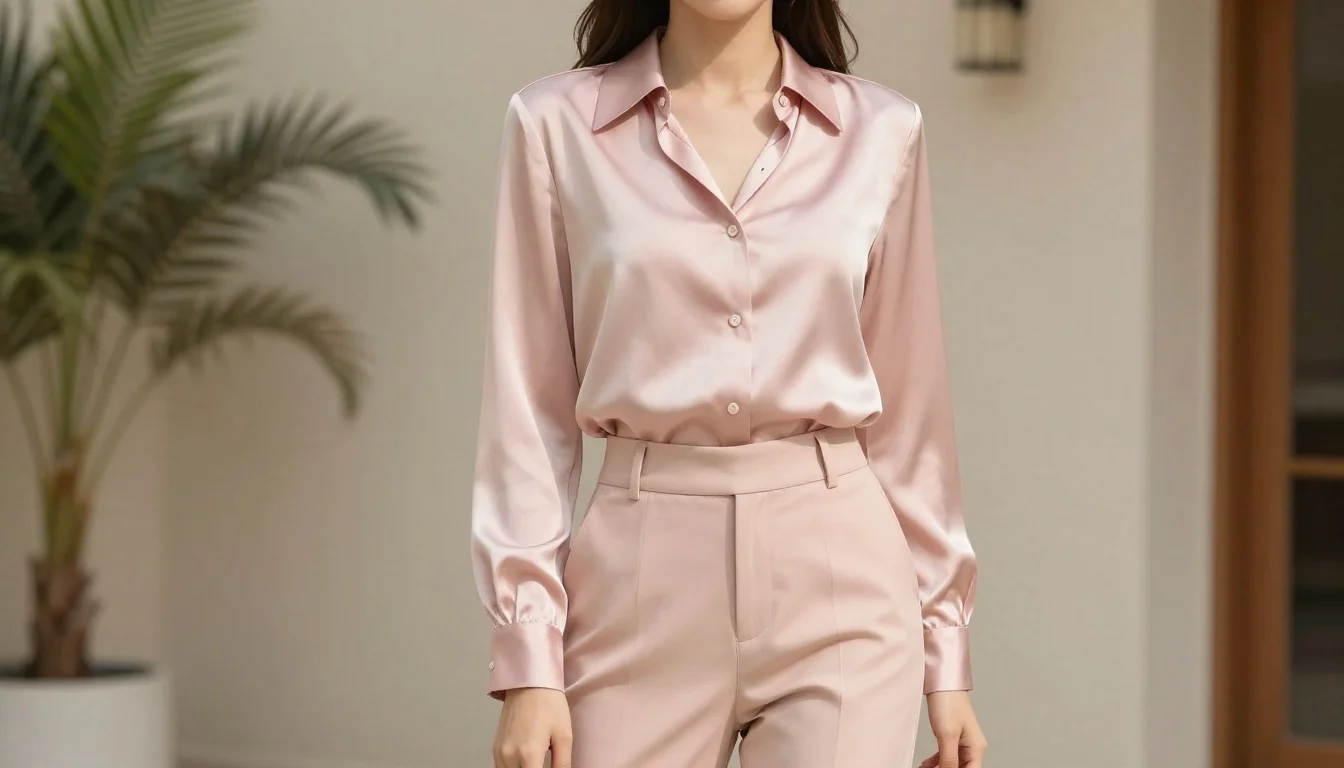
Peach blush pushes toward the warm, golden end of the family — it has an orange undertone that makes it particularly flattering for warm skin tones. This version creates a glow effect against warm and olive complexions and works beautifully in silk and satin. It's the most summery shade of blush and pairs exceptionally well with navy, white, and terracotta.
Dusty Mauve-Blush
Dusty blush has been desaturated with grey — creating a sophisticated, vintage-feeling pink that behaves almost entirely as a neutral. This is the most forgiving blush for cool undertones and the most versatile for layering and styling. A dusty blush blazer or wide-leg trousers pairs with charcoal, cream, and burgundy in ways that rosier blush cannot. This shade is timeless rather than trendy.
Cool-Pink Blush
Cool-toned blush has a slight lilac or blue quality — it reads as pink but with cooler temperature. This version is most flattering for cool undertones where it harmonizes with the skin's cool quality. It pairs beautifully with charcoal, navy, and white. Less forgiving for warm undertones where the cool pink can create a slight clash.

Ready to see blush & rose on your face?
Start my color analysisHow to Incorporate Blush Pink in Real Outfits
Blush as a work color
A dusty blush or classic rose blush blouse with charcoal or navy tailored trousers is one of the most sophisticated professional looks. The blush adds warmth and femininity while the dark trouser provides the authority. Add nude or soft tan shoes, simple gold jewelry, and a structured bag. This is an outfit that looks polished without effort.
Blush with deep neutrals for evening
Blush with deep, rich neutrals — charcoal, deep navy, chocolate brown — creates a romantic but sophisticated evening look. A blush silk slip dress with a tailored charcoal blazer, or a peach-blush camisole tucked into navy wide-leg trousers. The contrast between the softness of blush and the depth of the neutral creates visual interest without clash.
Tonal blush dressing
Wearing blush with other soft pinks, peachy tones, and warm nudes creates a tonal look that reads as quietly confident rather than overworked. Key: vary the depth. Deeper dusty rose top, classic blush trousers, nude-pink shoes. The tonal palette works because everything is harmonious but nothing exactly matches. One contrast element — a warm cream bag, a gold necklace — prevents the look from disappearing.
Casual blush: the knit formula
A blush knit in classic or peach-toned blush with mid-wash denim and white trainers is one of the most reliably fresh casual outfits. The blush adds warmth without drama; the denim grounds it without formality. This works for every season — blush is as appropriate in July as in December. Keep hair and makeup simple to let the warmth of the color do the work.
What Makes Blush Look Wrong
Blush too close to skin tone
When blush is so pale it matches or nearly matches your skin tone, the result is an underdressed, 'barely wearing a color' effect that reads as a styling mistake rather than a choice. Ensure your blush has enough color to be clearly visible against your skin. If in doubt, choose a slightly more saturated or deeper shade.
Overly sweet head-to-toe blush without contrast
Wearing blush in every element of an outfit — blush top, blush trousers, blush shoes — can create a one-dimensional, confectionery effect. If you love head-to-toe blush, vary the shades (deeper blush coat over lighter blush dress) or add one strong contrast element: a charcoal bag, a gold belt, a black heel.
Bright colors alongside blush
Vivid colors — bright red, electric blue, vivid orange — overwhelm blush and make it look washed out in comparison. Blush works best with other soft or neutral colors, or with very dark neutrals that provide contrast without competing. The palette alongside blush should either be equally soft or dramatically darker.
Stop guessing — preview every look on you
See these looks on my photoBlush Pink Swaps That Add Warmth and Softness
Replacing predictable choices with blush — and getting more elegance without more effort.
Blush is equally professional to white but adds warmth and personality — it's the more interesting version of the same piece.
Blush knit has all the softness of cream with actual color — it photographs beautifully and works with denim as well as tailored trousers.
Blush in an evening cut is romantic and striking in a way black rarely achieves — it reads as a considered choice rather than a default.
Blush wide-legs have the airy quality of cream trousers but with genuine color — they work with the same tops but photograph more interestingly.
A blush blazer is the most statement-neutral blazer available — soft enough to feel approachable, interesting enough to be a genuine wardrobe personality.
A blush bag adds warmth and color to any neutral outfit without competing with it — it's the most elegant form of accessory color.
Which Seasons Wear Blush Best
Blush pink appears in multiple seasonal palettes, but the specific shade varies considerably. Your season determines the version of blush that makes you look effortlessly luminous.
Light Spring
Learn moreLight Spring wears the warmest, most peachy blush tones — apricot-pink, warm rose-peach, and pale golden blush. The freshness and warmth of this season makes warm blush a primary color rather than an accent.
Soft Summer
Learn moreSoft Summer wears the dusty, muted blush tones — dusty rose, antique mauve-blush, smoky pink. The softness of this season means vivid or peachy blush can be too warm; the greyish, muted versions are perfect.
Cool Summer
Learn moreCool Summer wears cool-pink blush — the versions with a slight lilac or blue quality. These harmonize with the season's cool, elegant palette. Warm or peach-toned blush is too warm here.
Find Your Blush
The right blush shade creates luminosity. The wrong one disappears or reads as an error. A personal color analysis identifies the exact pink temperature and depth that makes blush look deliberately beautiful on your specific coloring.
Stop guessing — preview every color on you
Preview Yourself In Your Palette
Get my personalized paletteStop guessing — preview every color on you
Preview Yourself In Your Palette

Related Guides for How to Wear Blush Pink
Explore more personalized color advice based on your features.
Want to see these colors on you? What Colors Look Good on Me — free to try.
Frequently Asked Questions About How to Wear Blush Pink
What colors go with blush pink?
Charcoal grey and navy provide the best contrast with blush — they give depth without competing. Cream, ivory, and warm white work for a soft tonal look. Dusty rose and mauve alongside blush create a sophisticated tonal pink palette. Avoid bright or vivid colors alongside blush — they overwhelm it.
Is blush a professional color?
Absolutely. Dusty blush and muted rose blush are among the most professional soft tones available. Pair with charcoal or navy tailored pieces. The key is choosing a blush that reads as color rather than 'barely dressed' — if it's too close to skin tone, it can look like a nude, not a deliberate choice.
Does blush suit warm undertones?
Yes — peach-toned and classic rose blush are very flattering for warm undertones. They echo the warmth of the skin without overwhelming it. Avoid very cool, icy, or blue-tinted blush for warm undertones — those shades can create an undertone conflict.
What to wear with a blush dress?
A blush dress pairs best with gold jewelry, nude or blush shoes, and a simple bag in tan, camel, or cream. For evening, add a tailored charcoal or navy blazer. For a more romantic look, keep everything in the warm-neutral and blush family. Avoid bright or vivid accessories that will overwhelm the delicacy of the color.