Build a Business Wardrobefor Deep Autumn
Deep Autumn coloring brings warmth and depth to any professional setting. Discover how to build looks with shades that actually flatter you.
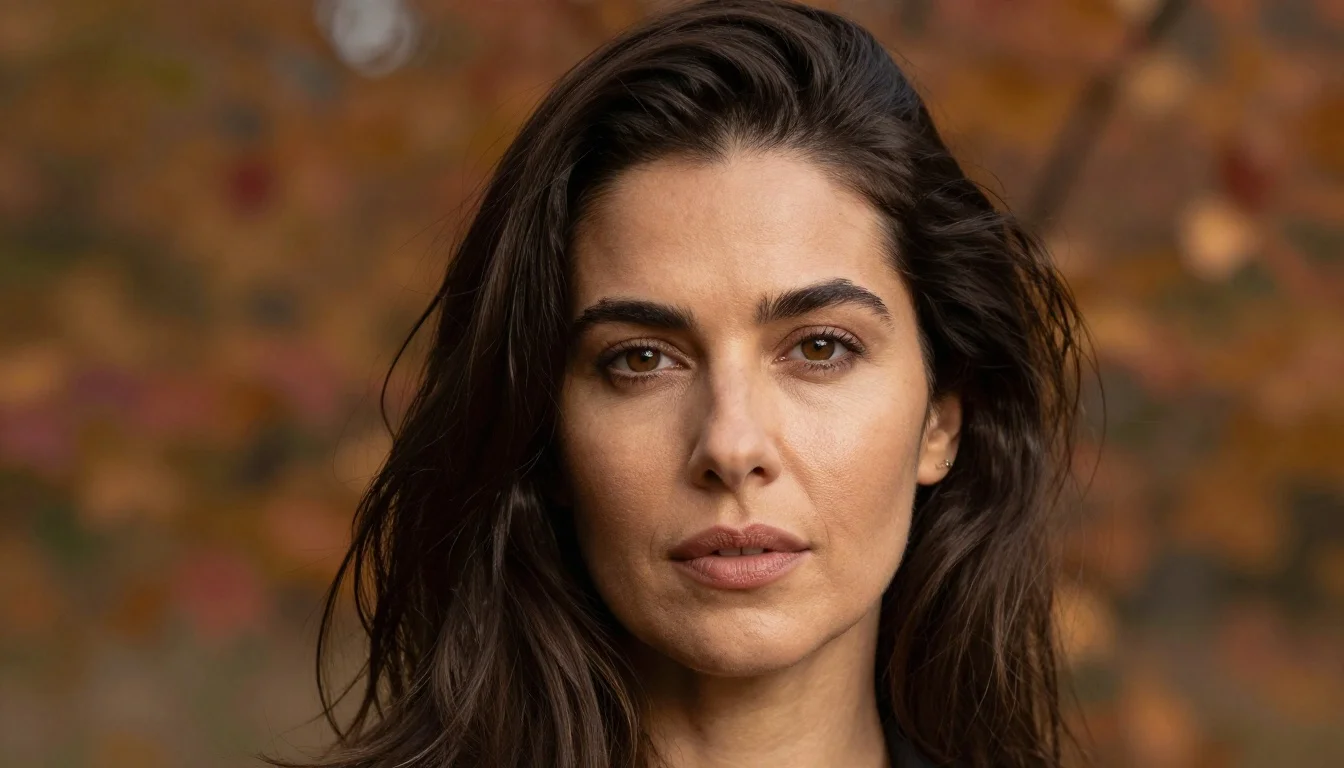
Deep Autumn coloring — rich skin tones, dark warm hair, and deep eyes — has a natural gravitas that translates beautifully to professional environments. The challenge is channeling that depth into a wardrobe that reads as both powerful and polished. Too many Deep Autumns either play it safe with black and grey (which fight the warm undertone of the palette) or wear colors so casual that the richness of their coloring is lost. This guide identifies the exact professional shades that activate Deep Autumn warmth and depth while meeting the standards of any serious workplace.


3,000+
happy clients
Why Deep Autumn Coloring Suits Professional Life
Deep Autumn coloring — rich skin tones, dark warm hair, and deep eyes — has a natural gravitas that translates beautifully to professional environments. The challenge is channeling that depth into a wardrobe that reads as both powerful and polished. Too many Deep Autumns either play it safe with black and grey (which fight the warm undertone of the palette) or wear colors so casual that the richness of their coloring is lost. This guide identifies the exact professional shades that activate Deep Autumn warmth and depth while meeting the standards of any serious workplace.
Deep Autumn is characterized by warm undertones, deep pigmentation in skin and hair, and rich rather than clear features. In professional contexts, this combination creates a natural warmth and approachability that can be equally powerful to the starkness of Cool Winter — it is simply a different kind of authority. Deep, warm, earthy professionalism reads as reliable, experienced, and grounded.
The common mistake for Deep Autumns in the workplace is defaulting to standard corporate neutrals — navy, grey, black — which are all too cool for this palette. True black drains warmth from Deep Autumn skin and creates an uneasy, slightly off-quality. Standard navy is similarly cool. Deep Autumns need their own version of the professional neutral: dark chocolate, deep khaki, rich forest green, and warm charcoal.
Deep Autumn also benefits from the full richness of the autumn jewel palette in professional contexts. A deep teal blouse under a chocolate blazer, or a burgundy dress with cognac accessories, creates a wardrobe signature that is distinctly Deep Autumn — elegant, warm, and visually rich. The goal is not to look corporate in the conventional cool-toned sense, but to look polished in a way that is specifically aligned with your natural coloring.
Should Deep Autumn wear black to work?
Ideally not as a first choice. True black fights the warm undertone of Deep Autumn skin, draining richness from the complexion. Dark chocolate brown, warm charcoal, and very dark olive are all warmer alternatives that provide the same professional depth while actually flattering Deep Autumn coloring. If you own black pieces, wearing them away from the face — as trousers or shoes rather than blazers and shirts — minimizes the conflict.
Your Best Professional Colors
Warm Dark Neutrals
These are the Deep Autumn professional anchors — the equivalent of Cool Winter's black and charcoal, but warm. Dark chocolate brown in a structured blazer or trousers is as authoritative as black but completely harmonious with Deep Autumn skin and hair. Warm charcoal (a brown-grey rather than blue-grey) works where standard charcoal does not. Deep khaki and rich olive are surprisingly effective in business casual and creative professional contexts.
Autumn Jewel Tones
Deep Autumn can use rich, warm jewel tones professionally that no other seasonal type can match. Burgundy is the perfect Deep Autumn professional accent — it is vivid enough to be noticed but warm enough to harmonize completely with Deep Autumn coloring. Deep teal sits at the warm-cool boundary but works for Deep Autumn when it has enough depth. Forest green is a signature Deep Autumn color that looks distinguished and unhackneyed in professional settings.
Rich Mid-Tones
Deep Autumn coloring uniquely supports warm mid-tones in professional settings. Terracotta in a structured blazer or turtleneck reads as sophisticated and distinctive — it is a color that stands out in a sea of navy and grey precisely because it fits Deep Autumn coloring so well. Warm rust works similarly. These are not loud or casual colors on Deep Autumn; they have a richness that reads as considered and confident.
Professional Neutrals with Warmth
Warm ivory and camel are the shirt and blouse colors that do for Deep Autumn what pure white does for Cool Winter — they create a clean, professional contrast that is harmonious rather than jarring. A camel silk blouse under a chocolate blazer is a signature Deep Autumn professional look. Warm stone and dark bronze work in accessories and second layers. Avoid pure stark white, which looks cold and disconnected from Deep Autumn skin.

Ready to see chocolate brown & charcoal on your face?
Start my color analysisHow to Dress for Business as a Deep Autumn
The Deep Autumn power look
A dark chocolate blazer with a warm ivory or camel blouse and deep teal or burgundy in a pocket square or accessories is the Deep Autumn equivalent of the black-and-white Cool Winter power look. The combination demonstrates command of your palette and creates a distinct, memorable professional presentation. This combination works in any business formal or business casual environment.
Building your professional wardrobe
Start with three anchor blazers: dark chocolate, warm charcoal, and a rich forest green or burgundy. Add four to five warm base colors — camel, warm ivory, deep olive, dark khaki — in shirts, trousers, and skirts. Then layer in three to four jewel tone accents: burgundy, teal, warm plum. This system of 12-15 pieces creates a complete Deep Autumn professional wardrobe where every combination works together.
Business formal vs. business casual
In formal environments, lead with the dark warm neutrals — chocolate suiting, warm charcoal, dark olive — and keep jewel tones as accents in shirts and ties. In business casual, you have more room for color: a rich terracotta blazer with dark olive trousers, or a forest green dress with cognac accessories. Business casual is where Deep Autumn can show more of the range of its exceptional palette.
Accessories and finishing
Gold is your metal — warm gold rather than silver or white gold reinforces the warm undertone of Deep Autumn coloring. Warm brown leather, cognac, and dark chocolate leather for bags and shoes. Deep copper and bronze for metallic accessories. The leather and metal tones are as important as the clothing colors — a cognac leather bag against a dark chocolate blazer is a signature Deep Autumn professional detail.

Colors That Work Against Deep Autumn at Work
True black
True black is the most counterintuitive avoid for Deep Autumn. It is the universal corporate default, but it fights the warm undertone of Deep Autumn skin, draining richness from the complexion. Many Deep Autumns wear it constantly without realizing they look better without it. Dark chocolate, warm charcoal, or very dark navy are all warmer alternatives that serve the professional context better.
Cool grey and slate
Standard corporate grey — blue-grey, cool slate, medium grey — introduces a cool quality that conflicts with Deep Autumn warm undertones. On a Deep Autumn, these greys create an unflattering pallor. Warm charcoal (a grey with brown rather than blue undertone) is the correct grey-family color for this palette.
Standard navy
Classic navy is another standard corporate color that is too cool for Deep Autumn. The blue quality fights the warm golden-brown undertone of Deep Autumn skin. If you want a blue in your professional wardrobe, deep teal (which has warmth) or a very dark denim-navy with warmth in it works better than standard royal or corporate navy.
Pastel or light colors
Any light, high-value color — pale pink, light blue, soft mint, lavender — dissipates the natural depth of Deep Autumn coloring. In a professional context, these create a look that is at odds with the richness that Deep Autumn has naturally. The palette is built on depth, not lightness.
Stop guessing — preview every look on you
See these looks on my photoProfessional Color Swaps for Deep Autumn
Replacing the conventional corporate colors with ones that actually suit your palette.
Black fights Deep Autumn warm undertones. Dark chocolate and warm charcoal provide the same professional depth with undertone harmony.
Cool white creates a harsh contrast with Deep Autumn skin. Warm ivory and camel create a harmonious, flattering base that looks clean without clashing.
Navy's cool undertone fights Deep Autumn warmth. Chocolate and olive trousers are equally professional but completely harmonious with the palette.
Cool reds and cobalt have no warmth for Deep Autumn to connect with. Burgundy and warm rust have the depth and warmth that makes them look natural and powerful on Deep Autumn coloring.
Black accessories read as disconnected from Deep Autumn warm clothing tones. Chocolate and cognac leather anchors the warm professional palette and creates a cohesive, polished look.
Silver is too cool for Deep Autumn — it sits at odds with the warm undertone in skin and hair. Warm gold reinforces the natural warmth of the palette and looks cohesive.
Is Deep Autumn Your Season?
Deep Autumn sits at the intersection of deep, rich coloring and warm undertones. It is distinct from both Warm Autumn (which is lighter) and Deep Winter (which is cooler).
Deep Autumn
Learn moreYou have warm undertones, dark or deeply pigmented hair, and rich, deep eyes. True black looks harsh on you. Warm, earthy dark colors look more natural than corporate cool neutrals. Autumn jewel tones are your professional power colors.
Warm Autumn
Learn moreIf your coloring is warm but slightly lighter or less intense — medium-to-dark hair, warm golden or olive skin, hazel or warm brown eyes — Warm Autumn may be closer. Warm Autumn uses a similar earthy palette but with slightly less intensity and slightly lighter overall value.
Deep Winter
Learn moreIf you have very deep coloring but your undertone feels more cool or neutral rather than distinctly warm — very dark hair, deep cool or neutral skin — Deep Winter may be a better fit. Deep Winter shares the depth of Deep Autumn but uses cooler, darker colors.
Get Your Deep Autumn Professional Palette
Deep Autumn coloring creates a naturally rich, grounded professional presence that is distinct from the high-contrast cool authority of Winter types or the soft approachability of Summer types. Your palette — warm, deep, and earthy — is one of the most distinctive in professional settings. A color analysis identifies your exact Deep Autumn shades and gives you the specific dark chocolate, burgundy, and teal tones that make your professional wardrobe as powerful as your natural coloring.
Stop guessing — preview every color on you
Preview Yourself In Your Palette
Get my personalized paletteStop guessing — preview every color on you
Preview Yourself In Your Palette

Related Guides for Business Wardrobe for Deep Autumn
Explore more personalized color advice based on your features.
Want to see these colors on you? What Colors Look Good on Me — free to try.
Frequently Asked Questions About Business Wardrobe for Deep Autumn
Should Deep Autumn wear black to work?
Ideally not as a first choice. True black fights the warm undertone of Deep Autumn skin, draining richness from the complexion. Dark chocolate brown, warm charcoal, and very dark olive are all warmer alternatives that provide the same professional depth while actually flattering Deep Autumn coloring. If you own black pieces, wearing them away from the face — as trousers or shoes rather than blazers and shirts — minimizes the conflict.
What is the best neutral for Deep Autumn business attire?
Dark chocolate brown is the quintessential Deep Autumn professional neutral — it is as versatile as black but completely harmonious with Deep Autumn warm undertones. Warm charcoal (a brown-grey rather than blue-grey) is equally useful. Deep khaki and rich olive work in business casual environments. These warm darks are the foundation of a Deep Autumn professional wardrobe.
Can Deep Autumn wear burgundy to a professional setting?
Absolutely — burgundy is one of the best professional colors for Deep Autumn. It has the richness and depth expected of professional attire while being warm enough to harmonize with Deep Autumn skin tones. A burgundy blazer, a burgundy dress, or a burgundy silk blouse under a chocolate blazer all work well. It is an unhackneyed alternative to standard professional colors that creates a distinctive, polished look.
What metal jewelry is best for Deep Autumn at work?
Warm gold is the definitive choice — yellow gold, brushed gold, and antique gold all reinforce the warm undertone of Deep Autumn coloring. Silver introduces cool tones that work against the palette. For professional settings, classic warm gold in modest proportions — simple hoop earrings, a delicate chain, a structured bangle — provides the right finishing note.
Is white too harsh for Deep Autumn in professional settings?
Pure stark white can create a somewhat jarring contrast against Deep Autumn warm skin tones. Warm ivory, cream, and warm off-white are better alternatives — they provide a clean, professional base color while harmonizing with Deep Autumn undertones. If you want to wear white, choose one that has warmth in it rather than a cool, blue-white.
What color dress is most professional for Deep Autumn?
A dark chocolate, burgundy, or forest green dress in a structured silhouette is a signature Deep Autumn professional look. Deep teal and warm plum are also excellent. For occasions when you want color, a terracotta or warm rust dress in a clean cut reads as sophisticated and distinctive rather than casual. All of these work with warm gold jewelry and dark chocolate or cognac leather shoes.