Bridesmaid Dress Colorsfor Cool Undertones
Cool-undertoned skin looks its most luminous in specific bridesmaid dress shades. Discover which shades flatter you most — and which to skip.
Cool undertones — the pink, blue, or rosy quality beneath the skin — are genuinely flattered by one of the most popular wedding palettes: cool jewel tones, dusty blues, lavender, and true reds. If you have cool undertones, many mainstream bridesmaid colors are already in your favor. But understanding exactly which shades work and which ones still clash is what separates looking 'fine' from looking radiant in wedding photos.


3,000+
happy clients
Why Cool Undertones Respond Differently to Bridesmaid Colors
Cool undertones — the pink, blue, or rosy quality beneath the skin — are genuinely flattered by one of the most popular wedding palettes: cool jewel tones, dusty blues, lavender, and true reds. If you have cool undertones, many mainstream bridesmaid colors are already in your favor. But understanding exactly which shades work and which ones still clash is what separates looking 'fine' from looking radiant in wedding photos.
Cool undertones — characterized by pink, blue, or rosy hues beneath the skin's surface — are the fixed color temperature of your complexion. Unlike the surface tone, which shifts with sun exposure and health, undertone stays consistent. In a bridesmaid dress context, this matters because the dress creates a sustained, close relationship with your complexion under consistent lighting — and the temperature match between dress and skin undertone is the single biggest factor in whether you look luminous or flat.
Cool-undertoned skin is flattered by colors that share its cool temperature: icy pastels, jewel tones with cool depth, true blues, and pinks with blue-rose rather than peachy undertones. It is typically challenged by warm colors — terracotta, golden yellow, warm orange, and warm earthy greens — which create a temperature clash that makes cool-undertoned skin look slightly pink or sallow by contrast.
The practical advantage for cool-undertoned bridesmaids is that many highly desirable wedding palettes — dusty blue, lavender, blush rose, sapphire, and cool sage — are naturally in their favor. If you have cool undertones, you may be the one encouraging the bride toward palettes that already work for you. The guide below helps you identify the most flattering options and understand why they work.
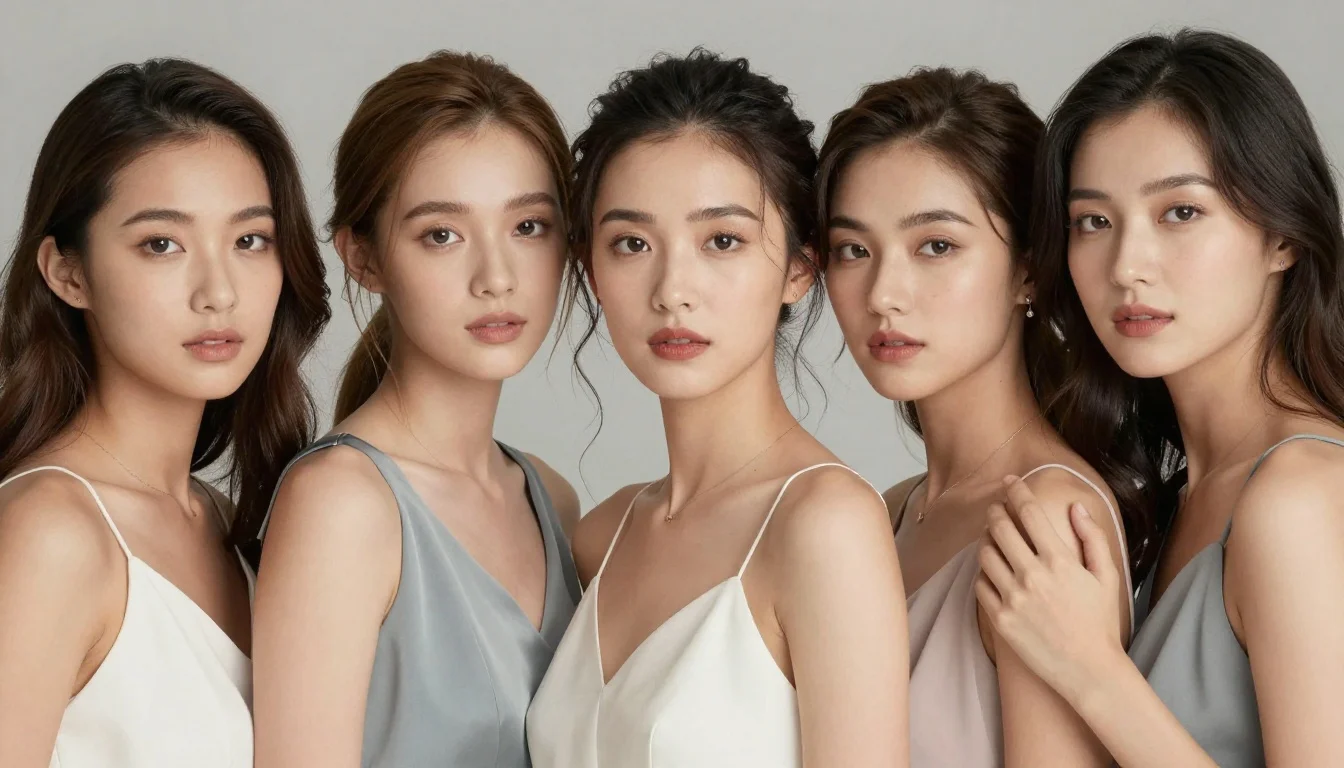
What bridesmaid dress colors are best for cool undertones?
Deep jewel tones — sapphire, navy, amethyst — are universally flattering for cool undertones. Cool pastels — dusty blue, lavender, cool sage — work particularly well. True reds with a blue base and cool berry shades are also excellent. Avoid warm terracotta, orange-red, golden yellow, and warm olive, which create temperature conflicts with cool complexions.
Bridesmaid Dress Colors That Flatter Cool Undertones
Deep Jewel Tones
Deep, cool jewel tones are among the most powerful colors for cool undertones in a bridesmaid context. Sapphire and midnight navy create vivid, cool contrast that makes pink-undertoned skin look porcelain-clear. Deep amethyst creates a beautiful resonance with the rose quality in cool complexions. Rich emerald — particularly with blue-cool undertone — provides depth and complementary contrast. These colors look stunning under flash photography and hold their depth under warm reception lighting.
Cool Pastel Family
Cool pastels are the primary wedding palette direction that naturally suits cool undertones. Dusty blue, soft lavender, and cool sage all share the same cool temperature as pink-undertoned skin, creating harmony rather than conflict. The key is choosing pastels with genuine coolness — blue-grey lavender rather than purple-warm lavender, blue-tinted sage rather than yellow-green sage. When the cool quality is authentic, these shades make cool-undertoned skin look soft, elegant, and luminous.
True Reds and Cool Berry
True reds with a blue undertone — rather than orange-warm reds — are classic choices for cool-undertoned skin. The blue quality in the red resonates with the cool undertone in the complexion, creating a striking, complementary pairing. Raspberry and cool berry tones extend this into more bridesmaid-appropriate territory — dramatic but wearable. These are particularly stunning for cool-undertoned skin at any depth from fair to deep.
Soft Neutrals with Cool Base
Cool neutrals with a pink, lavender, or grey base work for cool-undertoned bridesmaids by maintaining the cool temperature at a lower saturation. Cool ivory and soft dove grey create elegant, minimal looks that don't fight the complexion's temperature. Cool blush (lavender-pink base) is the most flattering blush direction for cool undertones — avoid warm blush which reads as peach and conflicts with pink undertones.

Ready to see sapphire blue & midnight navy on your face?
Start my color analysisLooking Your Best as a Cool-Undertoned Bridesmaid
Identifying cool vs warm pastel shades
In a bridal party context, pastels are common and the undertone of each pastel matters significantly. When evaluating swatch options, look at the fabric against your inner wrist: does it make your skin look clear and rosy, or slightly yellow? Cool-toned pastels (lavender with grey-blue, pink with lavender, sage with grey-blue) will make your complexion look clear. Warm-toned pastels (lavender with pink-warm, sage with yellow, pink with peach) will conflict. Trust the in-person test over labels.
If a warm color is already decided
Cool-undertoned bridesmaids in a warm palette can compensate with careful makeup. A cool-toned primer under foundation creates a veil between the warm dress color and the complexion. Keep cheek color in cool rose rather than peach or warm. Choose a lip in cool berry, cool rose, or true red rather than warm coral or orange-red. These choices signal cool-undertoned choices even against a warm dress.
Jewelry and accessories
Silver jewelry consistently flatters cool undertones more than gold, and bridesmaid accessories are often an area where you have some input. Silver or white gold jewelry reinforces the cool quality of your complexion. If the dress has a warm tone, silver accessories create a cooling visual counterpoint. Rose gold is a versatile middle ground that works with both cool and neutral undertones.
Mixed-undertone bridal parties
In parties with both warm and cool undertones, the most universally flattering colors tend to be neutrally deep — midnight navy, deep burgundy, rich forest green — rather than clearly warm or cool. These provide strong contrast for all skin tones and their depth minimizes the undertone clash that lighter, more temperature-specific colors create.
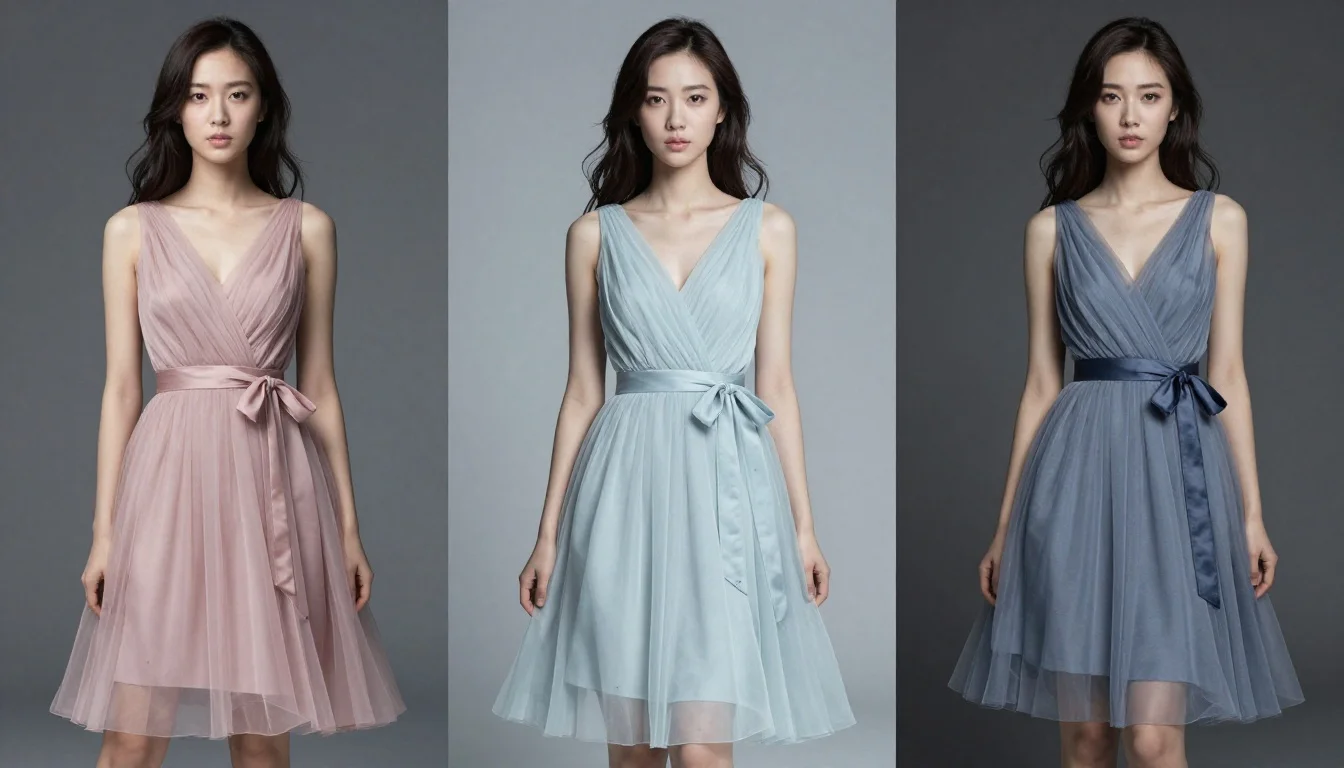
From group chat chaos to one gallery
Coordinating dress colors is step one — coordinating everyone's photos is the after-party problem. A QR-code photo album for the wedding gathers the whole party's shots automatically.
Dress Colors That Fight Cool Undertones
Warm terracotta and orange-red
Terracotta and warm orange-red shades create the most obvious clash with cool undertones. The warm, orange quality of these colors conflicts with the pink-blue quality of cool undertones, making the complexion look pinker and slightly flushed by contrast — which reads as blotchy rather than rosy in photos. These are particularly problematic for fair cool-undertoned skin.
Golden yellow and warm mustard
Yellow tones with warm, golden quality pull the cool, pink quality of cool undertones into sharp relief, creating a warm-cool temperature clash. Cool-undertoned skin next to warm yellow reads as distinctly pink and cool — which can look reddened. The color conflict is most noticeable in professional wedding photography.
Warm camel and earthy beige
Camel and warm beige have a yellow-golden undertone that conflicts with the cool, pink quality of cool-undertoned skin. In a bridesmaid context, warm beige is a particularly risky choice: it's neutral in temperature but creates enough contrast to highlight the pink in cool complexions without any complementary harmony. Cool ivory or dove grey are significantly safer neutral options.
Warm olive and yellow-green
Olive and yellow-green tones share the warm, golden-yellow quality that generally clashes with cool undertones. These create a colour temperature conflict that makes cool-undertoned skin look more pink and uneven. Cool-tinted greens — blue-green teal, cool emerald, blue-sage — work significantly better for cool undertones in the green family.
Stop guessing — preview every look on you
See these looks on my photoBridesmaid Color Swaps for Cool Undertones
Moving from shades that clash with cool skin to ones that harmonize with it.
Terracotta creates a warm-cool temperature clash; sapphire and dusty blue share the cool temperature of the complexion and create harmony.
Warm camel conflicts with pink undertones; dove grey and lavender maintain cool temperature without adding warmth.
Warm mustard creates the most jarring warm-cool clash; cool lemon retains brightness while cool-leaning, or navy provides depth without temperature conflict.
Olive's yellow-green quality clashes with cool undertones; cool sage and emerald share cool temperature with the complexion.
Peachy pink adds warmth that clashes with pink undertones; cool blush and lavender-rose harmonize with cool complexions.
Orange-red's warm quality conflicts with cool undertones; blue-based red and raspberry share the cool temperature that makes cool complexions look clear.
Which Cool Season Are You?
Cool undertones appear in Cool Summer, Cool Winter, and sometimes Light Summer palettes. Your depth and contrast level determine your exact season.
Cool Summer
Learn moreIf you have cool undertones in fair-to-medium skin with soft, medium contrast and you feel most beautiful in muted, soft, cool tones, Cool Summer is your most likely season. Bridesmaid sweet spot: dusty blue, soft lavender, muted rose, cool sage, dove grey.
Cool Winter
Learn moreIf you have cool undertones with high contrast — vivid eyes against fair or deep skin — and vivid, clear colors look most striking on you, Cool Winter may be your season. Bridesmaid power colors: midnight navy, true red, deep amethyst, icy jewel tones, cool emerald.
Light Summer
Learn moreIf you have cool undertones in very fair, delicate skin with low contrast and light overall coloring, Light Summer may be your season. Bridesmaid sweet spot: soft cool lavender, light dusty rose, pale sage, cool ivory — always the muted, soft version of cool tones.
Identify Your Best Bridesmaid Colors
Cool-undertoned skin in the right bridesmaid dress looks clear, luminous, and striking in photographs. Your specific sweet spot depends on whether you're in the soft-cool Summer family or the vivid-cool Winter family, which determines how saturated or muted your best bridesmaid colors should be. A personalized color analysis identifies your exact cool season and gives you the palette that makes your complexion look its most radiant.
Stop guessing — preview every color on you
Preview Yourself In Your Palette
Get my personalized paletteStop guessing — preview every color on you
Preview Yourself In Your Palette

Related Guides for Bridesmaid Dress Colors for Cool Undertones
Explore more personalized color advice based on your features.
Want to see these colors on you? Skin Undertone Test — free to try.
Frequently Asked Questions About Bridesmaid Dress Colors for Cool Undertones
What bridesmaid dress colors are best for cool undertones?
Deep jewel tones — sapphire, navy, amethyst — are universally flattering for cool undertones. Cool pastels — dusty blue, lavender, cool sage — work particularly well. True reds with a blue base and cool berry shades are also excellent. Avoid warm terracotta, orange-red, golden yellow, and warm olive, which create temperature conflicts with cool complexions.
Can cool-undertoned bridesmaids wear blush?
Yes — but the specific blush tone matters significantly. Cool blush with a lavender or rose-pink (not peachy-orange) base is beautiful for cool undertones. Warm blush with a peachy or golden base will fight the cool undertone. Ask to see the actual fabric: cool blush should have a subtle grey-pink or lavender-pink quality, not a warm, peachy glow.
Is navy a good bridesmaid color for cool undertones?
Navy is one of the best bridesmaid colors for cool undertones. The deep, cool blue creates strong contrast that makes cool-undertoned skin look clear and luminous. It works for all levels of fair-to-deep cool-undertoned skin, photographs well under any lighting, and reads as polished in all wedding aesthetics.
What about lavender bridesmaid dresses for cool undertones?
Lavender is a natural fit for cool undertones — the purple-blue quality shares the same cool temperature as pink-undertoned skin, creating harmony. The key is choosing a lavender that reads genuinely cool (blue-purple, grey-purple) rather than warm (pink-purple, lavender with red). A cool-toned lavender is among the most flattering bridesmaid options for cool-undertoned skin.
How do I tell if a sage green bridesmaid dress suits my cool undertones?
Hold the fabric swatch against your inner wrist in natural light. If the sage reads as grey-green or blue-green and makes your skin look clear, it's cool-toned sage and will flatter cool undertones. If it reads as yellow-green or olive and makes your skin look pink, it's warm-toned sage and will create a clash. Cool sage is distinctly different from warm sage — the former has a grey or blue quality, the latter has a yellow or olive quality.