Best Wool Colorsfor Pale Skin
Pale skin and wool is a powerful combination when the colors are right. Discover which shades flatter you most — and which to skip.
Pale skin and wool make a powerful combination when the color is right. Wool's matte, textured surface creates richness and depth in color that thin fabrics don't achieve — meaning a deep jewel-tone wool sweater against pale, fair skin looks deliberately rich and striking rather than merely acceptable. The challenge for pale skin in knitwear is avoiding the washed-out problem: certain wool shades merge with pale skin rather than contrasting it, leaving the complexion with no visual definition.


3,000+
happy clients
Why Depth and Contrast Matter in Wool for Pale Skin
Pale skin and wool make a powerful combination when the color is right. Wool's matte, textured surface creates richness and depth in color that thin fabrics don't achieve — meaning a deep jewel-tone wool sweater against pale, fair skin looks deliberately rich and striking rather than merely acceptable. The challenge for pale skin in knitwear is avoiding the washed-out problem: certain wool shades merge with pale skin rather than contrasting it, leaving the complexion with no visual definition.
Pale skin is high-reflectivity, low-melanin skin that picks up color temperature from nearby fabric very readily. This makes knitwear choice particularly impactful for fair complexions. Wool's matte texture — which absorbs rather than reflects light — means the color impact of a wool garment near pale skin is strong and sustained. A rich, deep jewel tone in wool next to pale skin creates a vivid, graphic contrast that looks striking and deliberate.
The risk for pale skin in knitwear is the washed-out effect. Very pale, chalky, or desaturated wool shades — pale grey, dusty pastels, off-white — merge with pale complexions rather than contrasting them. The result is a look with no focal point and no definition, where the face and the sweater read as the same undifferentiated pale.
The most flattering approach for pale skin in wool is to lead with depth: rich, saturated, or dark wool shades that create real contrast against fair complexions. The specific depth and temperature depends on undertone (cool pale skin benefits from different wool colors than warm pale skin), but the principle is consistent: pale skin needs more from its knitwear, not less.
What wool colors look best on pale skin?
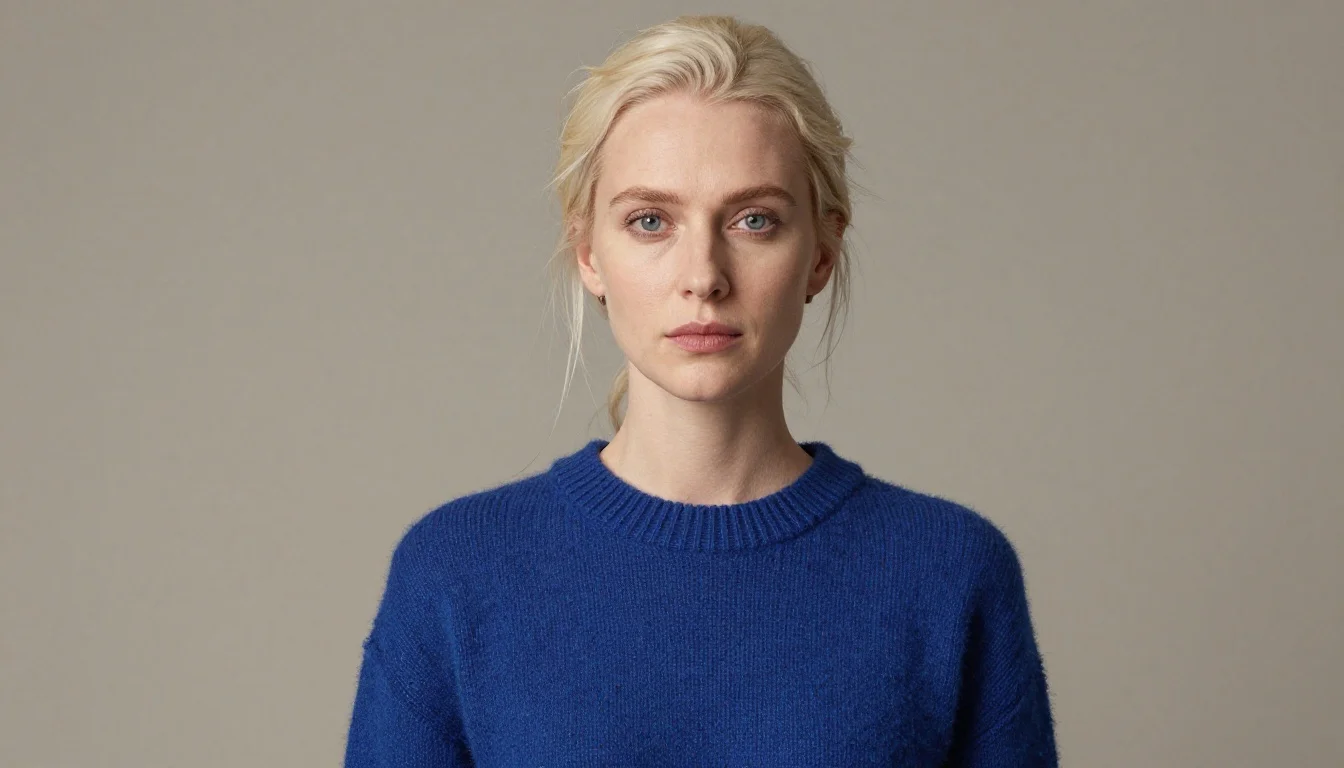
Deep jewel tones (sapphire, emerald, plum), rich burgundy and berry, deep charcoal and black, and clear warm tones for warm pale skin are the most flattering wool shades for pale skin. These colors create real contrast against fair complexions. Chalky pastels, pale grey, and muddy mid-tones blend into pale skin and should be avoided.
Best Wool Colors for Pale Skin
Deep Jewel Tones
Deep jewel-tone wools create the most striking contrast against pale skin — rich, vivid, and deliberate. A sapphire blue merino sweater against pale, fair skin is one of the most flattering combinations in knitwear: the contrast is complete, the color is vivid, and the matte depth of wool makes the jewel tone look opulent rather than synthetic. These are pale skin's most powerful wool colors.
Rich Berry and Deep Red
Rich reds and berries are universally flattering against pale skin — the contrast is strong and the warm-cool quality works for both warm and cool pale complexions. Deep burgundy wool against pale skin creates a classic, elegant combination that photographs beautifully and looks striking in person. Berry tones add life and color to pale complexions without overwhelming them.
Deep Charcoal and Black
For pale skin, dark grey and black wool create the maximum tonal contrast — making fair complexions look porcelain-clear and deliberately high-fashion. Charcoal and black wool is a particularly effective choice for cool pale skin (Cool Winter types) who can carry the highest contrast. For all pale skin, dark neutrals in wool provide definition without requiring color.
Clear Warm Tones (for Warm Pale)
For pale skin with warm (golden or peachy) undertones, rich warm wool tones add warmth to fair complexions rather than creating a cold, washed-out effect. A warm burgundy or rich camel wool next to warm pale skin creates a sun-kissed glow rather than the cool flatness that blue-toned wools can create. This option is most effective for warm pale complexions specifically.
Ready to see sapphire blue & emerald green on your face?
Start my color analysisWearing Wool with Pale Skin
The jewel tone principle
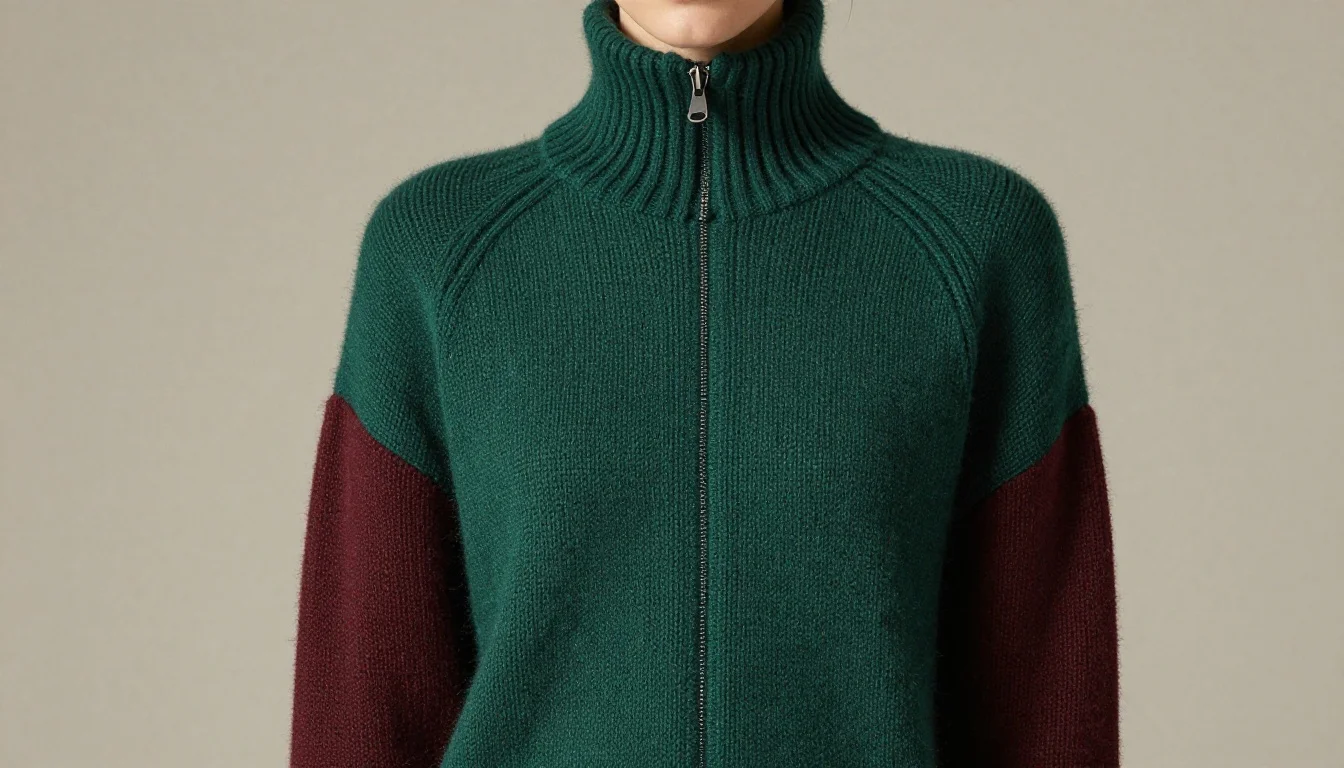
Pale skin's most reliable knitwear principle: always have at least one deep jewel-tone wool near the face. A sapphire blue turtleneck, a deep emerald crewneck, or a rich plum V-neck near pale skin creates the contrast and vibrancy that pale complexions need to look defined and striking rather than washed out. This single piece of advice — lead with depth at the neckline — transforms pale skin's relationship with knitwear.
Cool pale skin in winter
For cool pale skin (Cool Summer, Cool Winter types), the winter knitwear palette is deep navy, charcoal, cool berry, vivid cobalt, and cool emerald. These cool-temperature wools harmonize with pink-rose skin while providing the depth pale complexions need. A charcoal or deep navy wool coat over a cool berry sweater is a consistently excellent cool-pale winter look.
Warm pale skin in autumn
For warm pale skin (Light Spring, Warm Spring types), the knitwear palette leans toward clear warm colors — camel, warm burgundy, rich rust, golden ochre. These warm tones add a sun-kissed warmth to pale complexions rather than the cold flatness that cool wools can create. A warm burgundy merino with dark warm denim is a polished autumn look for warm pale skin.
Texture and contrast
For pale skin, the contrast between the texture of chunky or cable-knit wool and the smooth quality of fair skin creates visual interest beyond color alone. Heavy, textured knits in deep tones look particularly striking against pale skin — the combination of visual richness (texture plus depth of color) next to the delicate quality of pale skin is deliberately dramatic and beautiful.
Wool Colors That Flatten Pale Skin
Chalky pale grey wool
Pale, desaturated grey wool blends into pale skin rather than contrasting it. The result is a look where the sweater and the face read as the same undifferentiated pale with no definition or visual interest. Deep charcoal is fine — it creates contrast. Chalky pale grey is the problem.
Dusty or chalky pastels
Very pale, chalky pastels — dusty lavender, faded mint, chalky blush — have no visual weight to create contrast against pale skin. They create a flat, faded look where everything reads as uniformly light and colorless. Clear, saturated pastels or true jewel tones are both better than chalky desaturated versions.
Warm golden wash tones (for cool pale)
For pale skin with cool (pink, rose) undertones, warm golden camel or amber wool creates a temperature conflict — the warm fabric against cool skin looks harsh or clashing. Cool pale skin benefits from blue, grey, and jewel tones rather than warm golden wools.
Muddy or unclear mid-tone neutrals
Beige, greige, and unclear mid-tone neutrals in wool — neither clearly warm nor clearly cool, neither pale nor deep — are the worst knitwear choice for pale skin. They create a grey, undefined look with no contrast or warmth. Pale skin needs decisive color choices in wool: real depth or real warmth, not indeterminate mid-tones.
Stop guessing — preview every look on you
See these looks on my photoWool Swaps for Pale Skin
Trading knitwear that disappears against pale skin for shades that create definition.
Pale grey blends into pale skin. Deep charcoal creates strong contrast that gives pale complexions definition and polish.
Dusty pastels vanish against pale skin. Jewel tones in wool are rich enough to create the contrast pale skin needs.
Muddy neutrals create grey flatness against pale skin. Rich burgundy adds warmth and contrast; cognac adds warm definition.
Warm camel conflicts with cool pale skin's pink undertone. Navy and plum harmonize with cool skin while providing the depth pale skin needs.
Pale Skin Across the Seasons
Pale skin appears in Cool Summer, Cool Winter, Light Spring, Soft Summer, and other cool and light seasonal palettes. Your seasonal type determines which depths and temperatures work best within the flattering range.
Cool Summer
Learn moreSoft, muted, cool pale. Your best wool is dusty rose, muted berry, heather grey, and soft navy. Very vivid or very dark wool can feel heavy — aim for cool with medium depth.
Cool Winter
Learn moreHigh-contrast, crisp cool pale. Your best wool is stark black, vivid cobalt, rich emerald, and deep cool plum. You carry the most dramatic contrasts in wool beautifully.
Light Spring
Learn moreClear, warm, delicate pale. Your best wool is warm peach, clear coral, golden yellow, and warm aqua. Keep wool light and warm — the heaviest jewel tones may feel too strong for Spring lightness.
Find Your Exact Wool Colors
Pale skin in the right wool shades looks intentionally striking — rich jewel tones, deep neutrals, and vivid colors create a deliberate, beautiful contrast against fair complexions that's the opposite of the washed-out risk. Getting the depth and temperature right depends on whether your pale skin is warm-toned or cool-toned, and your natural contrast level. A personalised color analysis identifies your exact seasonal palette and gives you precise knitwear guidance — the specific wool colors that make pale skin look luminous and defined.
Stop guessing — preview every color on you
Preview Yourself In Your Palette
Get my personalized paletteStop guessing — preview every color on you
Preview Yourself In Your Palette

Related Guides for Best Wool Colors for Pale Skin
Explore more personalized color advice based on your features.
Want to see these colors on you? What Colors Look Good on Me — free to try.
Frequently Asked Questions About Best Wool Colors for Pale Skin
What wool colors look best on pale skin?
Deep jewel tones (sapphire, emerald, plum), rich burgundy and berry, deep charcoal and black, and clear warm tones for warm pale skin are the most flattering wool shades for pale skin. These colors create real contrast against fair complexions. Chalky pastels, pale grey, and muddy mid-tones blend into pale skin and should be avoided.
Why do pale pastels look bad on pale skin in knitwear?
Very pale, chalky pastels blend into pale skin rather than contrasting it — both the pastel wool and the pale face are low-contrast and light, so there's no visual definition. Wool's matte texture also makes desaturated colors look even flatter. If you love pastels, choose clear, saturated versions rather than chalky faded ones — they have enough visual energy to work against pale skin.
Can pale skin wear black wool?
Yes — black wool creates the maximum contrast against pale skin and can look very striking, particularly for cool-toned pale complexions. Cool Winter types with very fair, high-contrast coloring carry black wool particularly well. Pair with vivid accessories or a colorful scarf if the all-black-near-face feel is too stark.
What is the best neutral wool for pale skin?
For cool pale skin, deep charcoal or heather grey wool is the best neutral — it creates contrast without color and harmonizes with cool undertones. For warm pale skin, camel or warm ivory is the better neutral, adding warmth to fair complexions. Both are far better neutral choices than pale grey or beige, which blend into pale skin with no definition.