The Best Autumn Colors forPale Skin
Not all autumn colors work equally well on pale skin. Discover which shades flatter you most — and which to skip.
Autumn's palette of rust, burnt orange, deep burgundy, and forest green is everywhere in fall. For pale skin, many of these colors are genuinely stunning — creating the kind of luminous contrast that makes fair complexions look radiant. But a few of autumn's warmest, most orange-heavy shades can tip into muddy territory on very fair skin. This guide tells you exactly which autumn colors to reach for, which to skip, and why the distinction matters.


3,000+
happy clients
Why Pale Skin Has a Unique Relationship With Autumn Colors
Autumn's palette of rust, burnt orange, deep burgundy, and forest green is everywhere in fall. For pale skin, many of these colors are genuinely stunning — creating the kind of luminous contrast that makes fair complexions look radiant. But a few of autumn's warmest, most orange-heavy shades can tip into muddy territory on very fair skin. This guide tells you exactly which autumn colors to reach for, which to skip, and why the distinction matters.
Pale and fair skin tends to be high-contrast by nature. Clothing sits visually apart from a light complexion, which means colors have a strong effect — both positive and negative. Autumn's rich, saturated palette can look extraordinary against fair skin because the depth of the color creates dramatic contrast. A deep burgundy dress on pale skin is striking in a way it simply isn't on darker skin tones.
The challenge comes with autumn's warmest, most orange-dominant shades. Pale skin often has pink or cool undertones — and sometimes even pale skin with neutral or peachy undertones can be overpowered by very warm, orange-heavy colors. These shades can reflect orange onto the face, making fair skin look ruddy or tired. The fix is not to avoid autumn entirely — it's to favor depth over brightness, and richness over orange-intensity.
When you choose the right autumn shades for pale skin, the season becomes one of your strongest fashion seasons. Deep jewel tones, rich earthy neutrals, muted forest greens, and warm-but-dark berry shades all create beautiful contrast against a fair complexion. The key principle: go deep and rich rather than bright and orange.
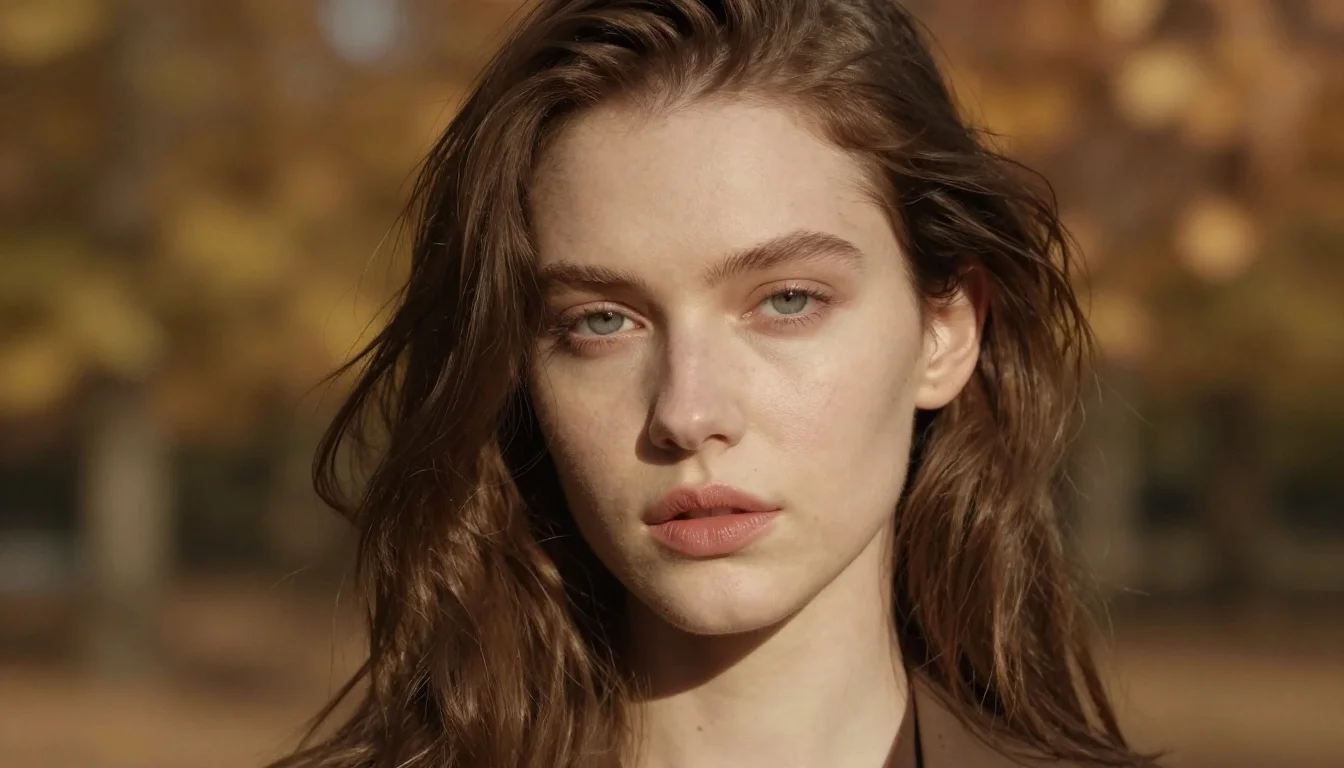
Do autumn colors suit pale skin?
Yes — many autumn colors are particularly flattering on pale skin because they create strong, striking contrast against a fair complexion. Deep burgundy, forest green, rich camel, and warm plum all look excellent on pale skin. The shades to be more selective about are very bright, vivid orange tones, which can reflect warm light onto fair skin in an unflattering way. Go for rich depth over orange brightness.
Autumn Colors That Flatter Pale Skin
Deep Berry and Burgundy
Deep berry and burgundy shades are among the most flattering autumn colors for pale skin. They have the warmth of the autumn palette without relying on orange. Against fair skin, deep burgundy creates immediate, striking contrast — it makes pale skin look porcelain-luminous rather than washed out. Warm plum and dark cranberry add richness. These shades work at every contrast level and for both cool-undertone and neutral-undertone pale skin.
Forest and Mossy Greens
Rich greens are a cornerstone of autumn dressing for pale skin. Forest green is particularly effective: it has warm undertones (yellow-green rather than blue-green) that complement autumn's earthy character, and its depth creates strong contrast against fair skin. Deep olive adds an earthy sophistication. Hunter green is more versatile for daytime. Green works by complementing the cool or neutral undertone in pale skin without fighting it — creating balance rather than competition.
Warm Earthy Neutrals
Warm earthy neutrals provide the foundation of an autumn wardrobe for pale skin. Deep camel and warm cognac work because their warmth is golden rather than orange — they add warmth without reflecting unflattering orange tones onto fair skin. Rich chocolate brown creates beautiful contrast against pale skin while grounding the look with autumn earthiness. These neutrals work as separates, outerwear, and layering pieces throughout the season.
Muted and Earthy Rust
Rust and terracotta tones work for pale skin when they stay on the earthy, muted side rather than the vivid, bright-orange side. Terracotta is particularly good — its red-brown warmth is flattering without the overwhelming intensity of bright orange. Burnt sienna and warm brick similarly bring autumn warmth in a wearable, balanced way. The distinction is between muted, earthy rust (flattering) and vivid pumpkin orange (risky for pale skin).

Ready to see burgundy & plum on your face?
Start my color analysisHow to Wear Autumn Colors With Pale Skin
Lead with depth, not brightness
When shopping autumn colors for pale skin, choose the deeper version of every shade. Deep cranberry rather than bright red-orange. Rich forest green rather than lime-inflected green. Dark camel rather than pale camel. Depth creates contrast against your fair complexion. Brightness — particularly warm brightness — creates a warm-on-pale conflict. A simple rule: if the autumn color looks vivid and orange-warm, look for its darker, richer sibling.
Use jewel tones as your statement pieces
Deep jewel tones — rich burgundy, deep plum, forest green, warm teal — are your strongest autumn statement pieces. They combine autumn richness with strong contrast against pale skin. A deep burgundy coat, a forest green wool dress, or a warm plum blouse all create exactly the kind of striking, luminous contrast that makes pale skin look its best. Jewel tones are where autumn dressing for pale skin reaches its highest expression.
Ground warm pieces with a cool or neutral anchor
If you want to wear warmer autumn shades — terracotta, mustard, cognac — balance them with a cooler or neutral anchor piece. Pair a terracotta blouse with dark denim or charcoal trousers. Wear a cognac jacket over a white or cream shirt. Mixing a warm autumn piece with a cooler, neutral anchor prevents the overall look from tipping into orange-heavy territory and keeps the warmth flattering rather than overwhelming.
Use autumn colors near the face carefully
Colors near your face have the strongest effect on how your skin looks. Near-face colors for pale skin: deep burgundy, forest green, warm camel, and rich plum all work well. Vivid orange, bright mustard, and flat medium brown should stay away from the face — move them to trousers, skirts, shoes, or bags where they add autumn character without affecting your complexion. A vivid orange belt reads very differently from a vivid orange turtleneck.
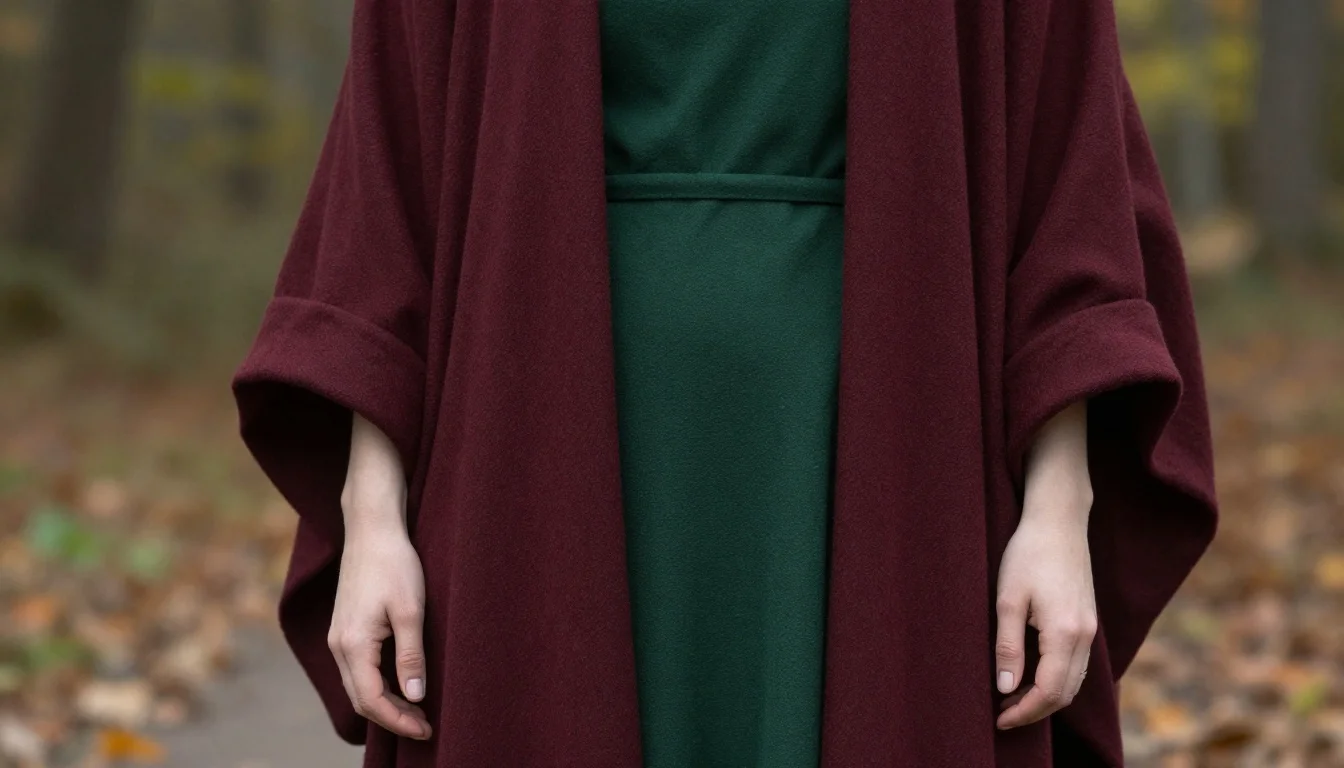
Autumn Colors That Can Overwhelm Pale Skin
Vivid pumpkin and bright orange
Bright, vivid orange is the trickiest autumn color for pale skin. Highly saturated orange reflects warm, orange-toned light onto a fair complexion, which can make pink-undertone skin look ruddy and neutral-undertone skin look sallow. Swap vivid pumpkin for muted terracotta or rust — they carry autumn's warmth without the color-cast problem.
Flat, warm medium brown
Medium brown that sits close to the value of pale skin — not dark enough to contrast, not light enough to create a clear tonal difference — creates a blended, flat effect on fair complexions. It makes the outfit and skin merge into one undifferentiated zone. Go darker (rich chocolate, espresso) or lighter (warm camel, tan) to create clear contrast.
Very pale, desaturated autumn tones
Washed-out versions of autumn colors — dusty pale peach, faded terracotta, greyed-out mustard — don't provide enough contrast against pale skin to create a defined look. They read as indistinct and can make fair skin look dull. Autumn colors need saturation and depth to work against pale skin. If you want a soft palette, move toward Light Spring or Light Summer shades instead.
Heavy warm yellow (mustard) as a dominant color
Full-saturation mustard or bright golden yellow as a dominant piece can overwhelm pale skin, particularly if your undertone is cool or neutral. Mustard reflects strongly warm yellow light, which clashes with the natural coolness of much pale skin. Small doses work — a mustard scarf or bag. As a full outfit or large piece, it risks making fair skin look jaundiced.
Stop guessing — preview every look on you
See these looks on my photoAutumn Color Swaps for Pale Skin
Replacing autumn shades that overwhelm fair complexions with ones that make them luminous.
Vivid orange near the face reflects warm tones onto pale skin. Deep burgundy and rich camel give autumn warmth and richness without the orange color-cast.
Medium brown blends with pale skin and creates no contrast. Rich chocolate and cognac go darker, creating clear definition against fair complexions.
Bright mustard can wash out pale, cool-undertone skin. Deep olive and dark camel carry autumn warmth with more flattering depth and contrast.
Pale, desaturated autumn shades lack contrast against fair skin and look indistinct. Rich terracotta brings autumn color with the saturation needed to stand out.
Bright orange overwhelms pale skin and can make it look ruddy. Forest green and warm plum provide strong autumn character with contrast that flatters fair complexions.
Light tan has too little contrast against pale skin. Cognac and dark camel are warm enough to feel autumnal and dark enough to provide clear definition.
Which Palette Might Be Yours?
Pale skin appears in several seasonal palettes. If you have fair skin and are wondering which seasonal color type fits you best, your undertone and contrast level are the key deciding factors.
Light Spring
Learn moreIf your pale skin has warm, peachy, or golden undertones — and your overall look feels warm and fresh rather than cool or earthy — you may be a Light Spring. Your palette includes warm pastels, peach, light coral, warm ivory, and golden yellow. You suit the lighter end of autumn's warm colors (warm camel, peach-cream, light golden shades) but will find the deep autumn shades too heavy.
Light Summer
Learn moreIf your pale skin has distinctly cool or pink undertones and your overall impression is soft and delicate, Light Summer may be your palette. Your colors are muted, cool-leaning, and soft: dusty rose, soft lavender, muted blue, rose-beige. You'll find autumn's richest, warmest shades overwhelming — leaning instead toward the cool, muted edge of each color.
Cool Winter
Learn moreIf your pale skin is very cool — almost porcelain or blue-white — with high contrast between your skin, hair, and eyes, you may be a Cool Winter. Your palette includes bright, crisp, and cool colors: true red, royal blue, pure white, emerald green. You can wear some of autumn's deep jewel tones (deep burgundy, rich forest green) but the warmth of the core autumn palette won't suit you as well as clear, cool darks.
Find Your Exact Autumn Palette for Pale Skin
Pale skin and autumn colors work beautifully together when you choose the right shades — deep, rich, and jewel-toned rather than orange-bright. The specific shades that make your fair complexion luminous depend on whether your undertone runs cool, warm, or neutral. A personalised color analysis identifies your exact seasonal type and gives you a precise palette of autumn (and year-round) colors, so you stop guessing and start dressing with confidence.
Stop guessing — preview every color on you
Preview Yourself In Your Palette
Get my personalized paletteStop guessing — preview every color on you
Preview Yourself In Your Palette

Related Guides for Autumn Colors for Pale Skin
Explore more personalized color advice based on your features.
Want to see these colors on you? What Colors Look Good on Me — free to try.
Frequently Asked Questions About Autumn Colors for Pale Skin
Do autumn colors suit pale skin?
Yes — many autumn colors are particularly flattering on pale skin because they create strong, striking contrast against a fair complexion. Deep burgundy, forest green, rich camel, and warm plum all look excellent on pale skin. The shades to be more selective about are very bright, vivid orange tones, which can reflect warm light onto fair skin in an unflattering way. Go for rich depth over orange brightness.
Can pale skin wear rust and terracotta?
Yes, when these shades stay on the earthy, muted side. Terracotta, burnt sienna, and muted rust all work well for pale skin — their red-brown warmth is flattering without the overwhelming intensity of vivid pumpkin orange. The distinction to remember: muted, earthy rust is flattering on fair skin; vivid, saturated bright orange is the one to approach with caution.
What is the best autumn color for pale skin?
Deep burgundy is one of the best single autumn colors for pale skin. It creates dramatic, beautiful contrast against fair complexions, carries the warmth of the autumn palette without relying on orange, and works for both cool and neutral-undertone pale skin. Forest green and warm camel are close runners-up — both flattering across a wide range of fair skin tones.
Can pale skin wear mustard yellow in autumn?
In small doses, yes — mustard can work as an accent (a scarf, bag, or shoes). As a dominant outfit color or large statement piece, vivid mustard can be challenging for cool or neutral-undertone pale skin because it reflects a strongly warm yellow light that clashes with fair complexions. If you want yellow tones in autumn, deep olive green carries a similar warmth with much more flattering depth.
Should pale skin avoid orange completely in autumn?
Not completely — but you should avoid vivid, saturated orange specifically. Muted and earthy versions of orange, like terracotta, rust, and burnt sienna, are genuinely flattering on pale skin. The issue is specifically with bright, highly saturated orange (think vivid pumpkin). Moving to the earthy, muted register of the orange family gives you access to autumn's warmth without the color-cast problem.
What autumn colors should pale skin avoid near the face?
Keep vivid orange, bright mustard, and flat medium brown away from the face — meaning no turtlenecks, high-neck tops, or scarves in these colors. Near the face, these shades reflect unflattering tones onto pale skin. Instead, wear deep burgundy, forest green, rich camel, or warm plum near the face — they create flattering contrast. Save the trickier autumn shades for trousers, skirts, shoes, or accessories where they add character without affecting how your complexion looks.