Who Looks Good inAll White?
All-white outfits require the right contrast and undertone match. Discover how to find your perfect shade — and skip the ones that wash you out.
An all-white outfit is one of the most striking looks in fashion — when it works. On the right person, it looks fresh, expensive, and effortless. On the wrong person, it looks washed out, clinical, or overwhelming. The key is whether your coloring provides enough contrast and whether the white shade matches your undertone. Not everyone needs to avoid all-white — but everyone needs the right approach.


3,000+
happy clients
Why All-White Is Harder Than It Looks
An all-white outfit is one of the most striking looks in fashion — when it works. On the right person, it looks fresh, expensive, and effortless. On the wrong person, it looks washed out, clinical, or overwhelming. The key is whether your coloring provides enough contrast and whether the white shade matches your undertone. Not everyone needs to avoid all-white — but everyone needs the right approach.
A single white top is one thing. Head-to-toe white is another challenge entirely. When every piece is white, there's no color contrast in the outfit itself — which means all the contrast comes from your face, hair, and skin against the white. If your personal contrast is high — dark hair, bright eyes, defined features — you provide the visual interest that the monochrome outfit lacks. The outfit becomes a backdrop, and you become the focal point.
If your personal contrast is low — blonde hair, fair skin, soft features — all-white can make you disappear into the outfit. The boundary between you and the clothes blurs. Everything looks the same value, and the effect is flat rather than fresh. This doesn't mean you can't wear all-white, but you need to approach it differently: mixing white shades, adding texture, or using accessories to create contrast.
Temperature still applies in all-white. An outfit mixing bright white and warm cream creates a subtle clash — the two whites fight each other. For a cohesive all-white look, every piece should be the same temperature of white. Bright white with bright white. Ivory with cream. Off-white with ecru. The consistency is what makes the look intentional rather than mismatched.
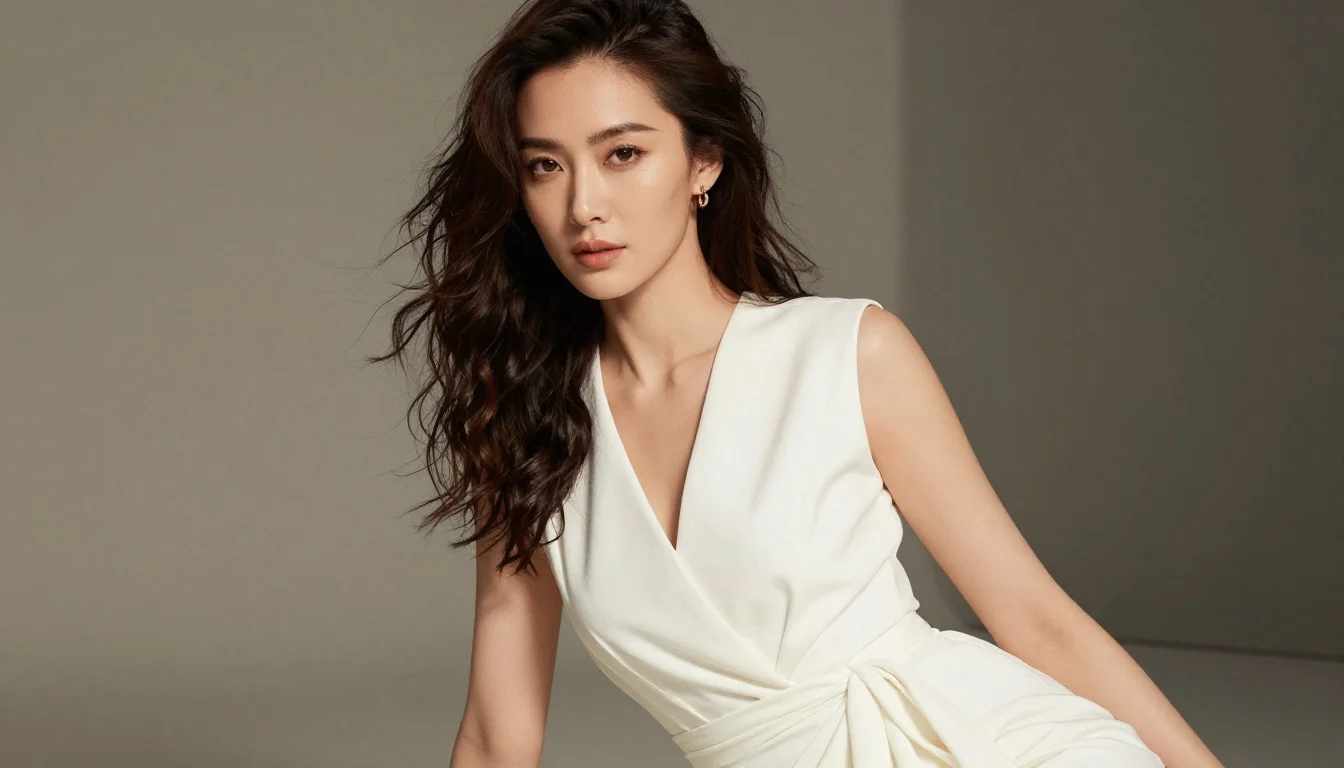
Who looks good in all white?
High-contrast coloring — Bright Winter, Bright Spring, and people with deep skin — look best in all-white because their features provide the contrast the outfit needs. Light coloring can do all-white in softer shades (off-white, ivory). Muted coloring should use off-white with contrast accessories. The approach varies, but a version of all-white is available to everyone.
All-White Approaches for Every Coloring
High-Contrast Cool: Bright White Monochrome
Bright Winter and Cool Winter can do head-to-toe bright white because their dark hair and vivid features provide all the contrast the outfit needs. The white becomes a clean, striking canvas. Your features pop against it. This is the classic 'all-white and looks incredible' combination — cool coloring, high contrast, pure white. No mixing, no softening needed.
Bright Warm: Clean White with Warm Glow
Bright Spring has the clarity and vibrancy to carry near-white monochrome. Your coloring is vivid enough to stand out against white. A slightly warm clean white — not stark cool white, but not heavy cream either — is your sweet spot. The warmth in the white echoes your undertone while your clear features provide the contrast.
Light Coloring: Off-White Monochrome
Light Summer and Light Spring have delicate, low-contrast coloring. Stark white is too intense for a full outfit. But off-white, soft white, and ivory create a gentler monochrome that harmonizes with light features. The slightly muted quality of off-white means the contrast between you and the outfit is softer and more flattering. Add a touch of gold or silver jewelry to define the face.
Deep Coloring: White as High-Contrast Statement
Deep skin tones can carry all-white beautifully because the contrast between deep skin and white is inherently striking. The outfit creates a dramatic, intentional look. Match the temperature to your undertone: bright white for cool deep skin, warm ivory and rich cream for warm deep skin. Your skin provides all the visual interest the outfit needs.

Not sure yet? See it on your face
Start my color analysisHow to Pull Off an All-White Outfit
Match every white piece to the same temperature
Before assembling an all-white outfit, compare each piece side by side. Hold the shirt next to the trousers in natural light. If one looks blue-white and the other looks yellow-white, they'll clash when worn together. Every piece should read as the same shade — or at least the same temperature — for the monochrome to look cohesive.
Mix textures to create visual depth
Monochrome white relies on texture for dimension. A chunky knit sweater with tailored linen trousers. A silk blouse with cotton wide-legs. A matte blazer with a subtly textured skirt. The fabric variation gives your eye something to travel across, preventing the outfit from looking flat or one-dimensional.
Add contrast helpers if your coloring is soft or light
A leather belt in tan or black. Gold or silver jewelry. A structured bag in a complementary neutral. Defined brows and a slightly stronger lip. These contrast elements separate your features from the white and create visual landmarks. Think of them as punctuation — without them, the look is one long run-on sentence.
Fit matters more in monochrome
In a monochrome outfit, the silhouette is everything. There are no color blocks to create shape — only cut and drape. Ensure each piece fits well and creates intentional proportions. A structured shoulder, a defined waist, or a deliberate wide-leg gives the all-white look architecture that prevents it from looking shapeless.

All-White Mistakes to Avoid
Mixing warm and cool whites
A bright white shirt with cream trousers creates a subtle but visible discord. The cool white looks blue next to the warm cream, and the cream looks yellowed next to the bright white. For monochrome white, keep every piece the same temperature. All bright white or all ivory — never mixed.
All stark white on muted coloring
Soft Autumn and Soft Summer in head-to-toe bright white look overwhelmed. The brightness of the white overpowers the muted quality of the features. Off-white or ecru monochrome is the better path — or break up the white with a muted-toned belt, bag, or layer.
All white without texture variation
Even when the shade is right, all-white in the same fabric looks flat. A white cotton tee with white cotton trousers has no visual dimension. Mix textures: linen with cotton, knit with woven, matte with subtle sheen. The texture creates the visual interest that color normally provides.
All white with no contrast anchor on low-contrast coloring
If your hair, skin, and eyes are all similar lightness, you need at least one contrast element to prevent disappearing into the outfit. A bold belt, statement sunglasses, defined brows, or a strong lip color creates the definition that your natural coloring doesn't provide against all white.
Stop guessing — discover your exact palette
See myself in my colorsMake All-White Work for You
If all-white has never felt right, one of these adjustments will change that.
Low-contrast coloring disappears in stark white. Off-white softens the intensity, and jewelry plus makeup create the contrast your features need.
Cool white reflects cold light that makes warm skin sallow. Warm whites create a cohesive glow that harmonizes with golden undertones.
Cream's yellow warmth looks dingy on cool skin. Clean bright white reflects cool light that makes pink or blue-toned skin look fresh.
Muted coloring needs muted whites. Ecru and stone white have the gentle quality that matches soft seasons without overpowering.
Deep skin provides beautiful natural contrast against white. Lean into it with bold accessories and sharp tailoring to make the look editorial.
Your Season, Your All-White
The feasibility and approach of an all-white outfit changes dramatically by season. Some seasons do it naturally; others need strategic support.
Bright Winter
Learn moreBright Winter was made for all-white. Your high-contrast cool coloring — dark hair, clear eyes, crisp features — provides the dramatic focal point that a white canvas needs. Stark, pure white in a sharp silhouette is your version. No softening, no off-white. Let the brightness of the white and the intensity of your features create the impact.
Bright Spring
Learn moreBright Spring carries all-white with vibrant energy. Your clear, warm coloring is vivid enough to command attention against white. A clean, slightly warm white — not icy, not creamy — is your ideal. Your warm, bright features provide the contrast. Add gold jewelry to enhance the warmth.
Light Summer
Learn moreLight Summer can do all-white when the shade is right. Soft white, off-white, and cool ivory suit your delicate, cool coloring. Stark white is too intense — it competes with your softness. A muted, cool white monochrome with silver jewelry and soft makeup creates an ethereal, elegant look that plays to your natural lightness rather than fighting it.
Own Your All-White Look
All-white is not about being brave — it's about being strategic. The right shade of white, the right texture mix, and the right accessories turn all-white from risky to refined. Your seasonal palette tells you the exact shade and approach that makes monochrome white look like it was designed for you.
Stop guessing — preview every color on you
Preview Yourself In Your Palette
Get my personalized analysisStop guessing — preview every color on you
Preview Yourself In Your Palette

Related Guides for Who Looks Good in All White?
Explore more personalized color advice based on your features.
Want to see these colors on you? What Colors Look Good on Me — free to try.
Frequently Asked Questions About Who Looks Good in All White?
Who looks good in all white?
High-contrast coloring — Bright Winter, Bright Spring, and people with deep skin — look best in all-white because their features provide the contrast the outfit needs. Light coloring can do all-white in softer shades (off-white, ivory). Muted coloring should use off-white with contrast accessories. The approach varies, but a version of all-white is available to everyone.
How do you wear all white without looking washed out?
Three strategies. First, match the white temperature to your undertone (warm skin = ivory, cool skin = bright white). Second, add contrast helpers — jewelry, a bold lip, defined brows — if your coloring is low-contrast. Third, mix textures (linen + knit + silk) to create visual depth. Washed-out always means the shade, contrast, or texture needs adjustment.
Can you mix different shades of white?
Yes, but they must be the same temperature. Bright white with cream creates a visible clash. Off-white with ivory (both warm) or soft white with icy white (both cool) creates intentional tonal variation. Mixing warm and cool whites always looks accidental rather than styled.
What accessories go with an all-white outfit?
Gold jewelry for warm whites, silver for cool whites. A tan leather belt or bag adds warmth. Black sunglasses or a black bag add sharp contrast. Nude or metallic shoes keep the clean look. The accessories should either blend seamlessly or create one intentional contrast point — not multiple competing accents.
Can dark skin wear all white?
Absolutely — and it's one of the most striking combinations in fashion. Deep skin against white creates inherently beautiful contrast. Match the white temperature to your undertone: bright white for cool deep skin (Deep Winter), warm ivory and cream for warm deep skin (Deep Autumn). The natural contrast between deep skin and white makes accessories almost optional — your skin is the statement.