Colors That Make You LookTaller
Certain colors and dressing strategies create a genuine elongating illusion. Discover which shades flatter you most — and which to skip.
The eye can be directed upward or laterally depending on how you use color. Elongating your silhouette visually isn't about tricks — it's about understanding how the eye reads unbroken lines, vertical movement, and color contrast. The right color strategy adds perceived inches without a single heel.


3,000+
happy clients
How Color Creates Visual Height
The eye can be directed upward or laterally depending on how you use color. Elongating your silhouette visually isn't about tricks — it's about understanding how the eye reads unbroken lines, vertical movement, and color contrast. The right color strategy adds perceived inches without a single heel.
The eye follows lines. When those lines run vertically — unbroken from shoulder to floor — the brain reads height. When lines run horizontally or when strong color contrasts cut across the body, the eye reads width rather than height. Color is one of the most powerful tools for controlling the direction of that visual movement.
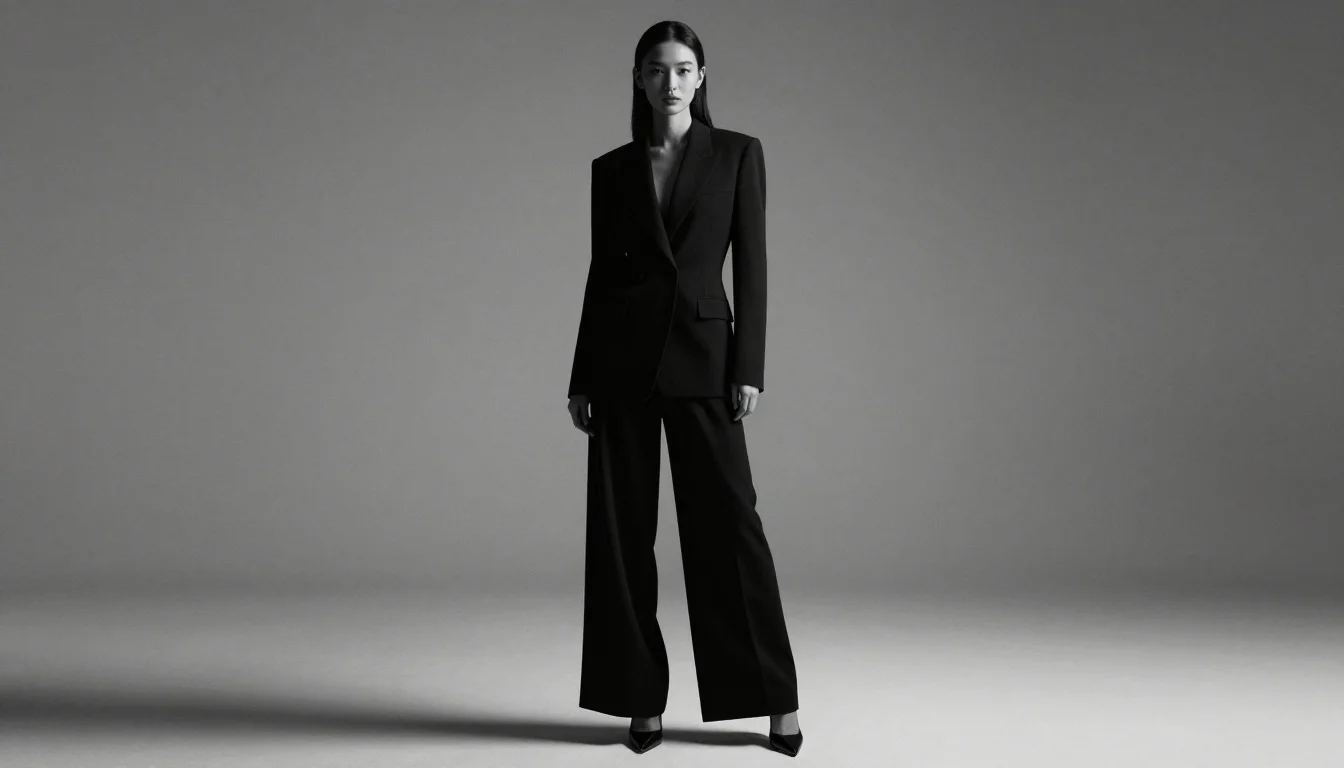
Monochromatic dressing is the single most effective height-creating strategy. When you wear the same color or closely related tones from head to toe, you eliminate any horizontal color break that could interrupt the vertical line. The eye travels upward continuously and the brain perceives the figure as taller than it actually is.
Beyond monochromatic dressing, strategic contrast placement matters enormously. A dark color on the bottom with a very different light color on top creates a strong horizontal cut at the waist — drawing the eye sideways. Keeping contrast low (similar tones throughout) maintains the vertical movement. When you do introduce contrast, placing it near the face (a bright neckline, a statement collar) draws the eye upward — which reads as height.
What color makes you look taller?
Monochromatic outfits — wearing one color or closely related tones from head to toe — create the most powerful height illusion because they eliminate horizontal color breaks that divide the body. Dark, receding colors like deep navy, charcoal, or forest green on the lower body also elongate by making the legs appear to merge with the background.
Colors That Elongate the Figure
Single-Color Head-to-Toe Looks
Monochromatic outfits — regardless of the specific color — create an unbroken vertical line from shoulder to hem. All-navy, all-camel, all-grey, all-ivory: the specific color matters less than the continuity. This is the most powerful elongating technique because it removes every horizontal interruption that shortens the perceived figure.
Deep, Receding Colors (Dark Bottoms)
Dark colors appear to recede, meaning they 'disappear' the lower body into the background. Dark trousers or a dark skirt with a slightly lighter but tonal top creates both a receding-color effect and minimal contrast — a double elongation strategy. The legs read as longer because the dark fabric seems to melt into the shadow rather than standing out.
Vertical Color Elements
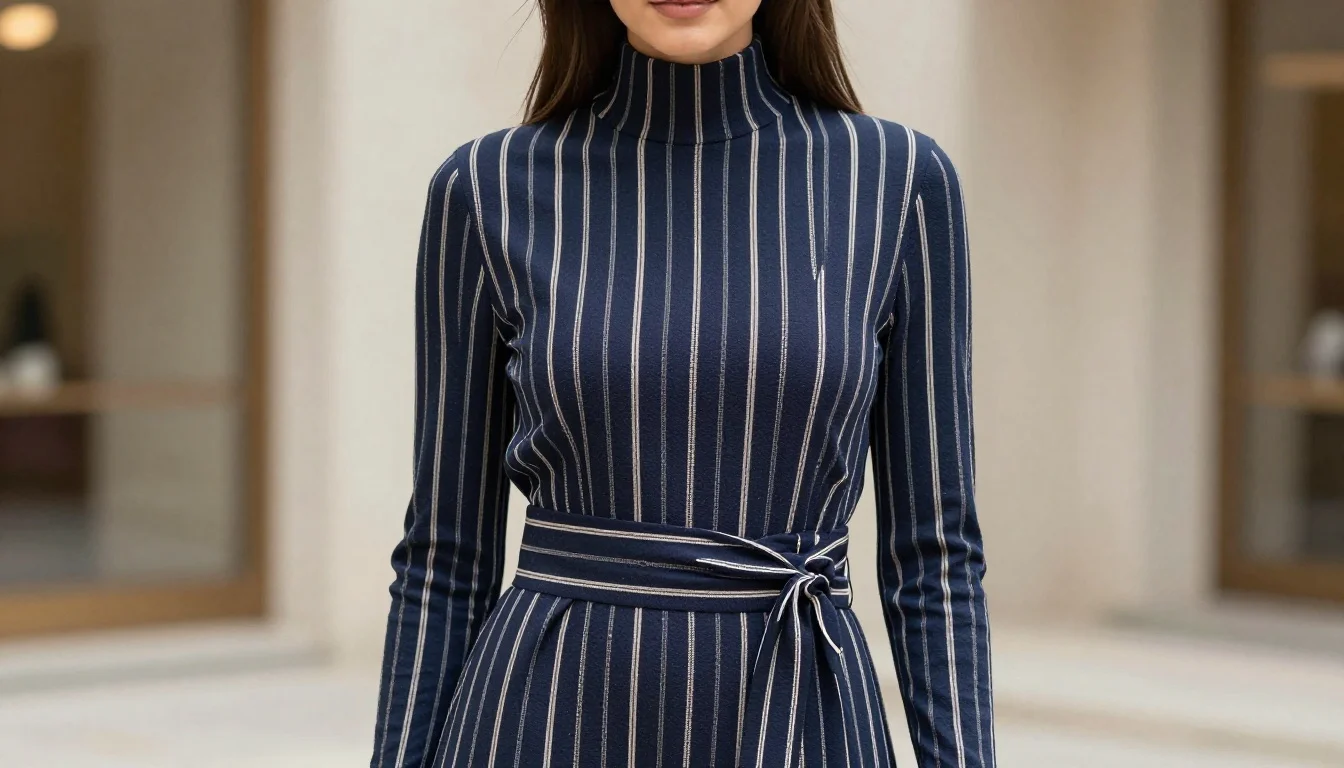
Vertical stripes, seams, and color panels guide the eye upward along their length. A narrow pinstripe in navy or charcoal — where the stripe tone is close to the base color — creates a subtle but continuous vertical pull. Wide, high-contrast stripes can widen instead, so the key is narrow stripes with low contrast between the stripe and base color.
Upward-Drawing Colors Near the Face
Placing your most vivid or contrasting color near the face and neckline pulls the eye upward — which reads as height. A jewel-toned top, a bright scarf, or a bold collar with neutral everything else below draws attention upward, making the figure seem to extend toward that elevated point of interest.
Not sure yet? See it on your face
Start my color analysisHeight-Creating Color Strategies in Practice
The most effective elongating formula
Wear one color from top to toe. You can create interest within the monochromatic look through texture (matte top, slightly shiny trouser) or value shift (slightly darker bottom than top) — but keep the hue in the same family. For maximum effect, choose a deep or mid-tone color rather than white or very pale shades, which advance and make the figure more visible rather than letting it elongate seamlessly into the background.
Strategic use of shoes
Shoes are the most underestimated element in creating visual height. Nude or skin-tone shoes extend the leg line without interruption. Shoes in the same color as your trousers or skirt continue the monochromatic line to the floor. Contrasting shoes in a very different color (white trainers with dark trousers) cut the leg line and subtract height. Even a moderate heel in the same color family adds significant perceived height.
Contrast only near the face
If you want to wear contrasting colors, concentrate the contrast near the neckline and face. A bright or contrasting top with matching-tonal trousers and shoes directs the eye upward. The opposite — neutral top, bright bottom — grounds the eye at the floor. For maximum height, your visual focal point should be as high on the body as possible.
The V-neck strategy
A V-neckline creates a vertical color line that points directly downward from the chin — a natural elongating element. The V of skin against fabric creates a pointing arrow that guides the eye down the body length. When the V is in a top that matches the bottom in color or tone, the elongating effect is doubled. Avoid wide, horizontal necklines that extend the eye sideways.
Colors That Visually Shorten the Figure
High-contrast color breaks at the waist or hip
A stark contrast between top and bottom — white shirt with dark jeans, bright colored top with white trousers — creates a strong horizontal line that cuts the body in two. The eye reads that cut as the full height of your torso, not as a tall continuous figure. The more contrasting the colors, the more it shortens.
Wide horizontal stripes across the widest point of the body
Broad horizontal stripes guide the eye sideways rather than up, and if they fall at the hip or chest, they emphasize width at those points. Narrow, low-contrast horizontal stripes are less damaging but the principle stands: horizontal movement on the body reads as width.
Very bright or saturated colors on the lower body only
A very bright skirt or trousers with a neutral top draws attention downward to the brightest area. This reverse of the face-upward strategy anchors the eye at the bottom of the outfit, making the figure read shorter. Keep your brightest, most eye-catching colors in the upper half.
Clashing-undertone color combinations that fragment the silhouette
Colors that fight each other (a warm orange top with cool blue trousers) create multiple competing focal points that make the eye jump between them horizontally rather than travel vertically. Harmonious color combinations — whether monochromatic or analogous — maintain the smooth vertical reading.
Stop guessing — discover your exact palette
See myself in my colorsHeight-Creating Color Swaps
Replace silhouette-shortening choices with elongating alternatives.
The high-contrast black-and-white cut divides the body in two. Tonal low-contrast combinations maintain the vertical line.
Bright on the bottom draws the eye downward, shortening. Bright near the face draws the eye upward, elongating.
Contrasting shoes cut the leg line. Matching shoes extend the vertical monochromatic column to the floor.
Wide horizontal stripes guide the eye sideways. Narrow vertical stripes guide it upward.
A monochromatic suit creates an unbroken vertical column — the most elongating professional formula.
Color blocking creates strong horizontal cuts. Tonal dressing removes them, letting the eye travel vertically.
Which Palette Might Be Yours?
Every seasonal palette has elongating color families — the key is finding which version works with your specific undertone and contrast level.
Deep Winter
Learn moreYour palette's deep, high-contrast colors create excellent monochromatic elongating looks. All-black, all-navy, and deep jewel-tone monochromatics are your most powerful height strategies.
Deep Autumn
Learn moreYour rich, warm earth tones make exceptional monochromatic outfits. All-camel, all-chocolate, or all-rust looks create a warm continuous column that's deeply elongating and flattering to your undertone.
Soft Summer
Learn moreYour muted, low-contrast palette is naturally elongating because the soft tones don't create sharp horizontal breaks. Tonal soft-rose or dusty-blue looks travel the eye smoothly from head to toe.
Find Your Most Elongating Colors
Creating visual height isn't just about going monochromatic — it's about knowing which specific colors in your seasonal palette create the most harmonious, unbroken vertical lines for your natural coloring. A personalized color analysis identifies your season and gives you the exact shades that work with your undertone, contrast level, and hair color, so you can build elongating outfits that also make you look radiant.
Stop guessing — preview every color on you
Preview Yourself In Your Palette
Get my personalized analysisStop guessing — preview every color on you
Preview Yourself In Your Palette
Related Guides for Colors That Make You Look Taller
Explore more personalized color advice based on your features.
Want to see these colors on you? What Colors Look Good on Me — free to try.
Frequently Asked Questions About Colors That Make You Look Taller
What color makes you look taller?
Monochromatic outfits — wearing one color or closely related tones from head to toe — create the most powerful height illusion because they eliminate horizontal color breaks that divide the body. Dark, receding colors like deep navy, charcoal, or forest green on the lower body also elongate by making the legs appear to merge with the background.
Does wearing all black make you look taller?
Yes — all-black is one of the most elongating outfits because it combines the receding-color principle (dark colors appear to take up less space) with the monochromatic effect (no horizontal break interrupts the vertical line). All-navy or all-charcoal works equally well and may be more flattering for warm undertones.
Do vertical stripes make you look taller?
Yes, but stripe type matters significantly. Narrow vertical stripes in a tone close to the base color (a navy pinstripe on navy) are elongating. Wide, high-contrast vertical stripes can actually draw attention to width. And horizontal stripes — regardless of width — guide the eye sideways rather than upward.
What outfit mistake makes you look shorter?
The most common height-shortening mistake is high-contrast color blocking — a stark white top with dark trousers, or a bright top with very different-colored bottoms. This creates a strong horizontal line that visually cuts the body in half, making both halves appear shorter than they are.
Do nude shoes really make you look taller?
Yes, significantly. Nude shoes that match your skin tone extend the visual leg line without interruption. Even flat nude shoes can create more visual height than heels in a contrasting color, because the unbroken leg-to-foot line is more elongating than the extra inch of height interrupted by a contrasting shoe color.