Colors to Avoid forDark Skin
Dark skin flatters the vast majority of colors — but a few specific shades can wash you out or look garish. Discover what to wear instead — and why it works better.
Let's start with the truth that matters most: dark skin is one of the most versatile canvases in color theory. The depth and richness of deep skin tones mean that most colors — including many that wash out lighter complexions — look stunning against dark skin. Bold jewel tones, bright whites, vivid yellows, electric blues: all of these look incredible. But there are a few specific color situations that don't serve dark skin well, and knowing them saves you from the occasional 'something feels off' outfit. These aren't limitations — they're refinements.


3,000+
happy clients
Why Most Colors Work — And a Few Don't
Let's start with the truth that matters most: dark skin is one of the most versatile canvases in color theory. The depth and richness of deep skin tones mean that most colors — including many that wash out lighter complexions — look stunning against dark skin. Bold jewel tones, bright whites, vivid yellows, electric blues: all of these look incredible. But there are a few specific color situations that don't serve dark skin well, and knowing them saves you from the occasional 'something feels off' outfit. These aren't limitations — they're refinements.
Dark skin has high melanin content, which creates a rich, deep base that provides excellent contrast with most colors. This is why bright colors, jewel tones, and even pastels often look more striking on dark skin than on lighter complexions — the contrast ratio is naturally higher, making colors pop. The depth of dark skin acts as a backdrop that elevates rather than competes with most color families.
The few colors that don't work well on dark skin fall into specific categories: colors that are too close to the skin's own depth and value (creating a muddy, undefined look), colors that are so muted and washed out that they disappear against rich skin, and certain neon or harsh synthetic colors that can look garish rather than vibrant against deep melanin. The issue is never about what dark skin 'can't handle' — it's about specific color-value interactions.
Undertone still matters for dark skin, just as it does for any skin depth. Warm-undertone dark skin (golden, copper, caramel base) and cool-undertone dark skin (blue, red, mahogany base) have slightly different avoid lists. A color that looks incredible on cool-toned dark skin might look slightly off on warm-toned dark skin, and vice versa. The general avoid list below applies broadly, but undertone refinement makes it precise.
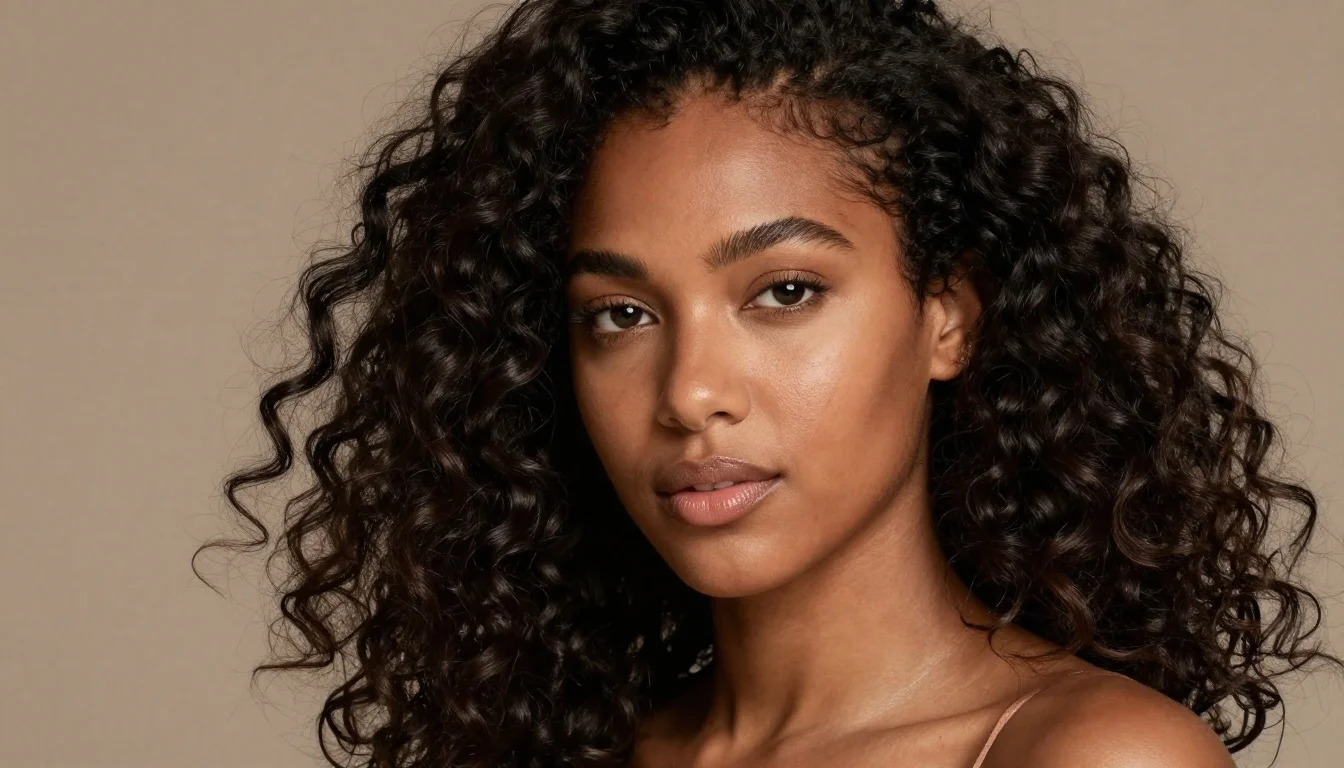
What colors look bad on dark skin?
Very few colors genuinely look bad on dark skin. The main ones to be cautious with are: washed-out, ultra-muted pastels that disappear against deep skin; muddy mid-range browns too close to your skin's value; harsh synthetic neons; and sometimes very dark colors (near-black navy, dark charcoal) that don't provide enough contrast. Most colors — especially bold, saturated ones — look exceptional on dark skin.
Colors That Look Spectacular on Dark Skin
Bold Jewel Tones
Jewel tones are the power colors for dark skin. The high saturation and medium-to-deep value of emerald, sapphire, ruby, and amethyst create stunning contrast against deep melanin without overwhelming it. These colors look richer and more vibrant against dark skin than they do against lighter complexions — the depth of your skin amplifies them.
Bright White and True White
White against dark skin creates one of the highest-contrast, most striking color combinations possible. Where white can sometimes wash out lighter skin, it creates a clean, powerful pop against dark skin. This is one of dark skin's superpowers — bright white looks intentional and elevated rather than stark.
Warm Brights: Yellow, Orange, and Coral
Bright warm colors that would overwhelm lighter skin look incredible against dark skin. Bright yellow, warm orange, vibrant coral, and marigold all pop beautifully against deep melanin. These colors bring energy and warmth without ever looking garish — the depth of dark skin grounds them perfectly.
Rich Metallics: Gold, Copper, and Bronze
Metallic and warm metallic tones complement the natural richness and warmth in dark skin beautifully. Gold, copper, and bronze catch light against deep skin in a way that looks luxurious and elevated. These colors enhance the natural luminosity that melanin-rich skin carries.

Ready to see emerald & sapphire blue on your face?
Start my color analysisHow to Maximize Dark Skin's Color Advantage
Embracing contrast as a superpower
Dark skin naturally creates more contrast with most clothing colors than lighter skin does. Lean into this: bright white, vivid yellow, rich cobalt blue, and hot pink all pop with a clean, intentional energy against deep melanin. Where lighter-skinned people might shy away from these bold choices, your skin depth grounds them and makes them look sophisticated rather than overwhelming.
Making pastels work
The pastel rule for dark skin isn't 'avoid pastels' — it's 'choose saturated pastels over muted ones.' Bright lavender, clear mint, vivid peach, and rich lilac all look stunning because they have enough color saturation to register against deep skin. It's the dusty, barely-there pastels that disappear. Think of it as the difference between a pastel that's whispering and one that's speaking — you want the one that speaks.
Working with earth tones
Earth tones work on dark skin when there's enough contrast between the clothing color and your skin value. Very rich, warm earth tones — burnt sienna, deep terracotta, warm amber — create beautiful warmth. Muddy, mid-value browns that are too close to your skin tone create the undefined look. When choosing earth tones, look for either lighter or richer shades than your natural skin depth.
Metallics and shimmer
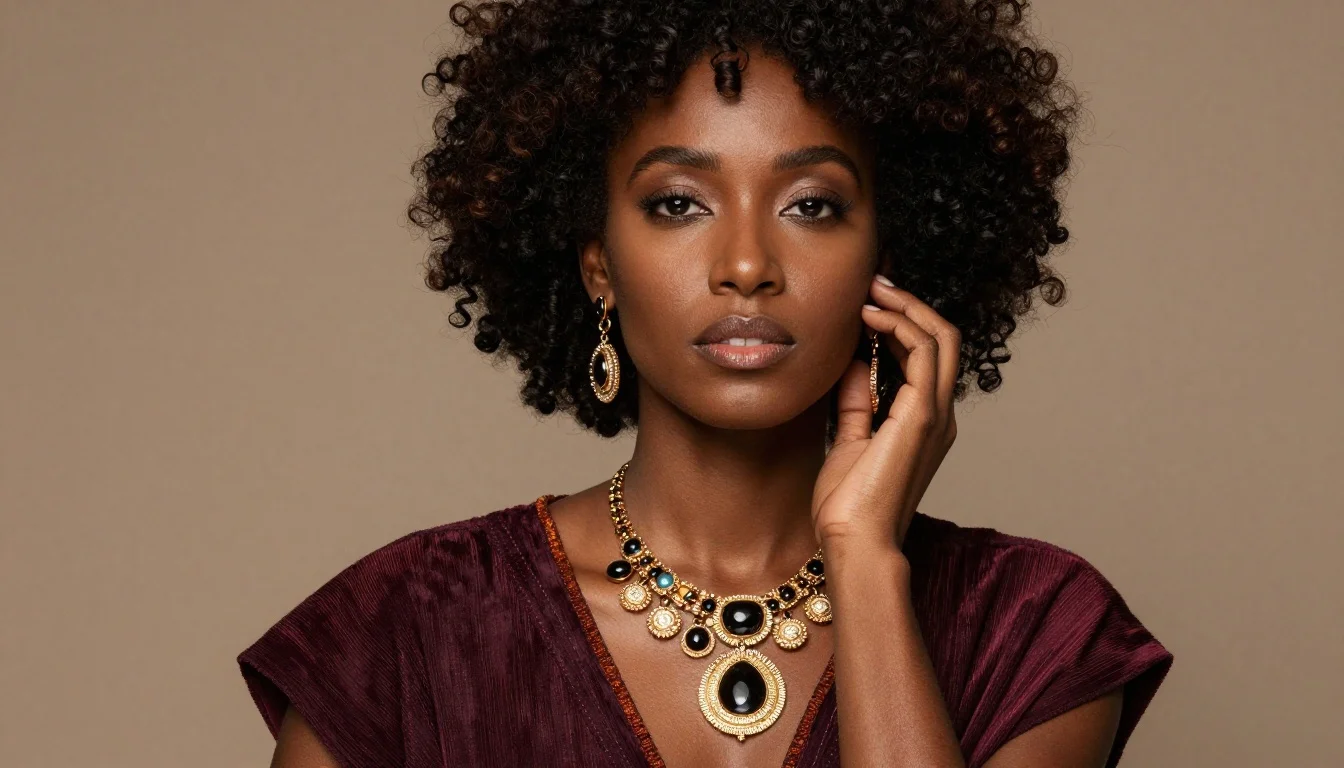
Dark skin has a natural affinity with metallics that lighter skin often doesn't share. Gold, copper, bronze, and even bold silver all catch light against deep melanin in a way that looks luxurious. Metallic fabrics, gold jewelry, and shimmering textures are some of your most powerful style tools — they enhance the natural luminosity in melanin-rich skin.
The Few Colors That Don't Serve Dark Skin
Washed-out pastels too close to nothing
Very light, very muted pastels — the barely-there whisper colors like dusty mauve, pale grey-pink, and faded lilac — can disappear against dark skin rather than complementing it. The issue isn't that pastels are off-limits (saturated pastels like bright lavender and clear mint work beautifully) — it's that ultra-muted, desaturated pastels lack the visual presence to register against rich deep skin. They look undefined rather than soft.
Muddy, dull browns too close to skin value
When a brown is very close to the same value and saturation as your skin tone, it creates an undefined, muddy look where clothing and skin blend together without contrast. This applies to mid-range, low-saturation browns that sit in the same tonal range as your complexion. Very dark (espresso, near-black) or warm bright (cognac, amber) browns create enough contrast to work; it's the muddy middle that doesn't serve you.
Harsh, cheap-looking neons
While bright colors generally look amazing on dark skin, there's a line between vibrant and garish. Ultra-synthetic neons — particularly neon green, neon yellow, and neon orange in cheap fabrics — can look plastic and harsh rather than vibrant against deep melanin. The distinction is between true bright colors (which are rich and saturated) and synthetic neons (which are fluorescent and flat). Rich bright colors: yes. Flat neons: skip.
Very dark navy or charcoal too close to black
For very deep skin tones, extremely dark colors like near-black navy or dark charcoal can sometimes create an effect where there's not enough contrast between clothing and skin, making the overall look feel dark and undifferentiated. This is a subtle issue — it doesn't look bad, it just doesn't leverage the striking contrast potential of dark skin. Brighter or more saturated versions of the same hue will always look more intentional.
Stop guessing — preview every shade on you
See myself in my colorsSwaps That Leverage Dark Skin's Strength
Trading muted invisibility for striking presence.
Muted lilac disappears against dark skin. Rich lavender has enough saturation to create a beautiful, deliberate contrast that reads as elegant.
Muddy mid-browns blend into dark skin without contrast. Espresso (much darker) and cognac (much warmer) both create definition and intentionality.
Synthetic neon looks flat and garish. Rich, saturated yellow in quality fabric looks vibrant and intentional — a major difference for dark skin.
Very dark clothing on very dark skin can feel undifferentiated. One bright accent — a cobalt scarf, a white collar — creates the contrast that makes the whole outfit pop.
Faded pink lacks the visual presence for dark skin. Coral and peach have enough warmth and saturation to create a flattering, noticeable complement.
Muted grey-beige has no presence against dark skin. White creates maximum contrast; cobalt creates maximum color impact — both look sharp and intentional in professional settings.
Seasonal Palettes for Deep Skin Tones
Dark skin spans multiple seasonal palettes depending on undertone and the specific warmth or coolness of your melanin. Warm-undertone dark skin typically falls into Deep Autumn; cool-undertone dark skin typically falls into Deep Winter; and dark skin with clear, bright coloring often falls into Bright Winter. Each palette has its own optimized avoid list beyond the general guidance above.
Deep Winter
Learn moreDeep winters with dark skin have cool undertones and benefit most from high-contrast, jewel-toned colors: emerald, sapphire, ruby, bright white, and true black. Your avoid list emphasizes warm muddy tones, muted pastels, and anything that doesn't provide strong contrast against your depth.
Deep Autumn
Learn moreDeep autumns with dark skin have warm, golden undertones and look best in rich warm tones: deep terracotta, warm bronze, olive, burnt sienna, and warm chocolate. Your avoid list emphasizes cool muted pastels, icy tones, and muddy mid-range colors too close to your skin value.
Bright Winter
Learn moreBright winters with dark skin have clear, high-contrast coloring that demands vivid, saturated colors: electric blue, hot pink, bright emerald, true red, and bold purple. Your avoid list emphasizes anything muted, dusty, or low-contrast — these colors fall flat against your naturally vivid coloring.
Find Your Specific Power Palette
Dark skin suits more colors than almost any other skin depth — but knowing your exact undertone and seasonal palette transforms general guidance into precise, personal color strategy. A personalized color analysis identifies whether your specific dark skin tone is best served by warm jewel tones, cool brights, or rich earth tones — and gives you the exact shades that make your complexion look its most luminous.
Stop guessing — preview every color on you
Preview Yourself In Your Palette
Get my personalized paletteStop guessing — preview every color on you
Preview Yourself In Your Palette

Related Guides for Colors to Avoid for Dark Skin
Explore more personalized color advice based on your features.
Want to see these colors on you? What Colors Look Good on Me — free to try.
Frequently Asked Questions About Colors to Avoid for Dark Skin
What colors look bad on dark skin?
Very few colors genuinely look bad on dark skin. The main ones to be cautious with are: washed-out, ultra-muted pastels that disappear against deep skin; muddy mid-range browns too close to your skin's value; harsh synthetic neons; and sometimes very dark colors (near-black navy, dark charcoal) that don't provide enough contrast. Most colors — especially bold, saturated ones — look exceptional on dark skin.
Can dark skin wear pastels?
Yes — choose saturated pastels over muted ones. Bright lavender, clear mint, vivid peach, and rich lilac all look stunning on dark skin because they have enough saturation to create visible contrast. It's the barely-there, washed-out pastels (dusty mauve, faded lilac) that lack the presence to register against deep melanin.
Why do bright colors look so good on dark skin?
The depth and richness of dark skin creates a high-contrast backdrop that makes bright colors pop with clean, striking energy. Bright yellow, cobalt blue, hot pink, and emerald green all look more vivid and intentional against dark skin than they do against lighter complexions — the melanin-rich background amplifies and grounds the brightness.
What neutrals are best for dark skin?
Crisp white, rich cream, deep espresso, navy, and warm cognac are excellent neutrals for dark skin. Avoid muddy, mid-range neutrals that blend into your skin without contrast. The key is choosing neutrals that are either significantly lighter or significantly darker than your natural skin tone, creating definition and intentionality.
Does undertone matter for dark skin?
Yes — just as much as for any skin depth. Warm-undertone dark skin (golden, copper base) is best served by warm, rich colors: terracotta, gold, warm olive. Cool-undertone dark skin (blue, red, mahogany base) shines in cool jewel tones: sapphire, emerald, fuchsia. Knowing your undertone refines the general 'dark skin' guidance into precise, personalized recommendations.