Best Colors forHoney Blonde Hair
Honey blonde is the warmest, most golden of the blonde family. Discover which shades complement your coloring — and which to avoid.
Honey blonde has a warm, golden richness that separates it from cooler blondes. The amber and golden tones in honey blonde create a warm baseline that responds to specific colors with real luminosity. The key is understanding that warmth — and choosing colors that echo it, contrast it cleanly, or create vivid harmony with it.


3,000+
happy clients
The Warm-Gold Logic of Honey Blonde
Honey blonde has a warm, golden richness that separates it from cooler blondes. The amber and golden tones in honey blonde create a warm baseline that responds to specific colors with real luminosity. The key is understanding that warmth — and choosing colors that echo it, contrast it cleanly, or create vivid harmony with it.
Honey blonde sits at the warmest end of the blonde spectrum. Where ash blonde reads cool and platinum reads icy, honey blonde carries golden-amber warmth — the kind of natural color that suggests warmth, sunshine, and a warm skin undertone. Most people with naturally occurring honey blonde have warm or warm-neutral skin undertones to match.
That golden quality creates a clear color logic. Colors with warm resonance — terracottas, warm corals, amber, forest green — amplify the natural gold in honey blonde. Cool, clear colors create a striking temperature contrast. The combinations that fail are the ambiguous ones: cool grey and icy blue create a temperature clash with warm golden hair, making the hair look more yellow rather than golden. The distinction between 'golden' and 'yellow' is largely a matter of what's sitting near the hair.
The biggest misconception about honey blonde is that warm colors compete with it. Warm colors near warm hair don't clash — they resonate, which is different. A warm terracotta top near honey blonde creates a glowing, cohesive warmth. What actually competes is bright neon yellow, which sits in the same register without adding richness. The rule is warmth with depth and richness, not warmth that's too flat or too saturated.
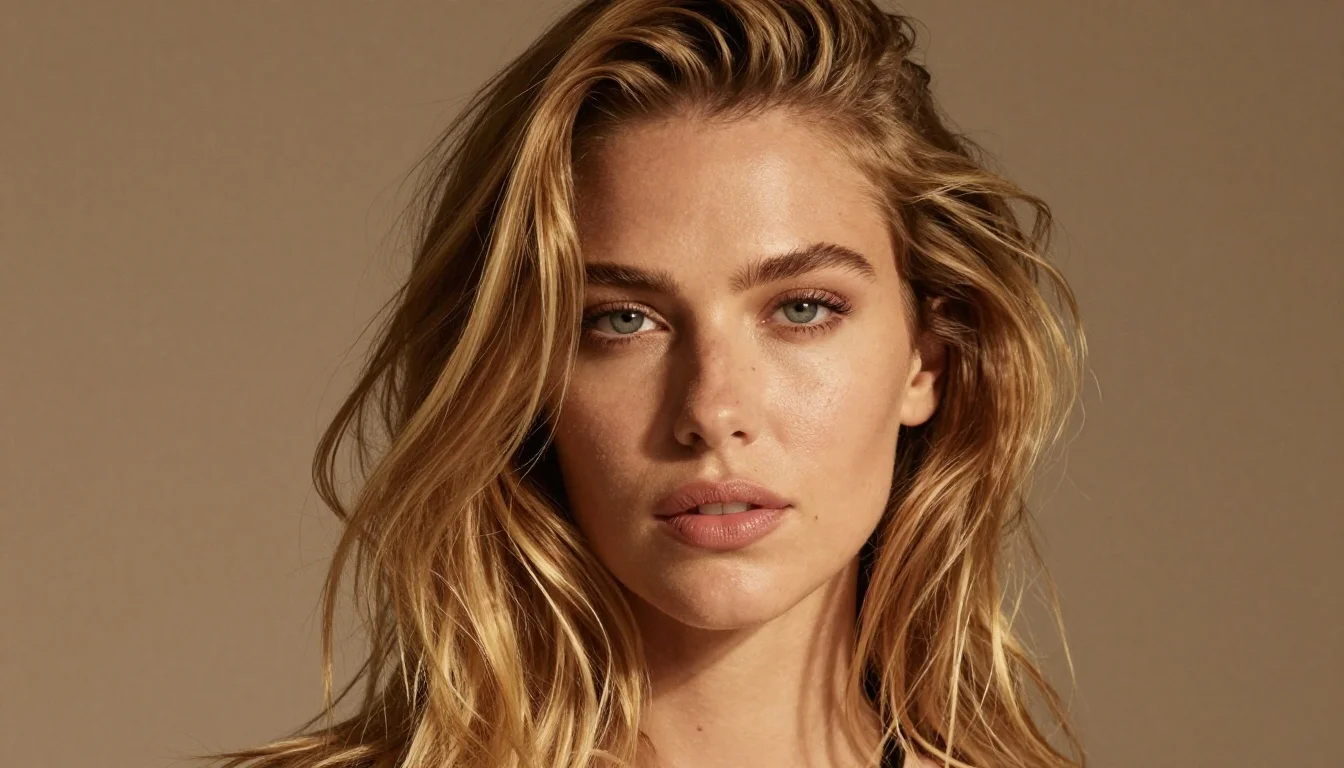
What colors look best with honey blonde hair?
Warm terracotta, burnt coral, and forest green are the strongest performers with honey blonde. Terracotta and coral create warm resonance with the golden tones; forest green creates vivid contrast. Warm camel and cognac are your best neutral tones. Dusty rose and warm mauve offer a softer warm option. The key is warmth with depth — not cool tones, not flat mid-tones.
Your Most Flattering Color Families
Warm Terracotta & Coral
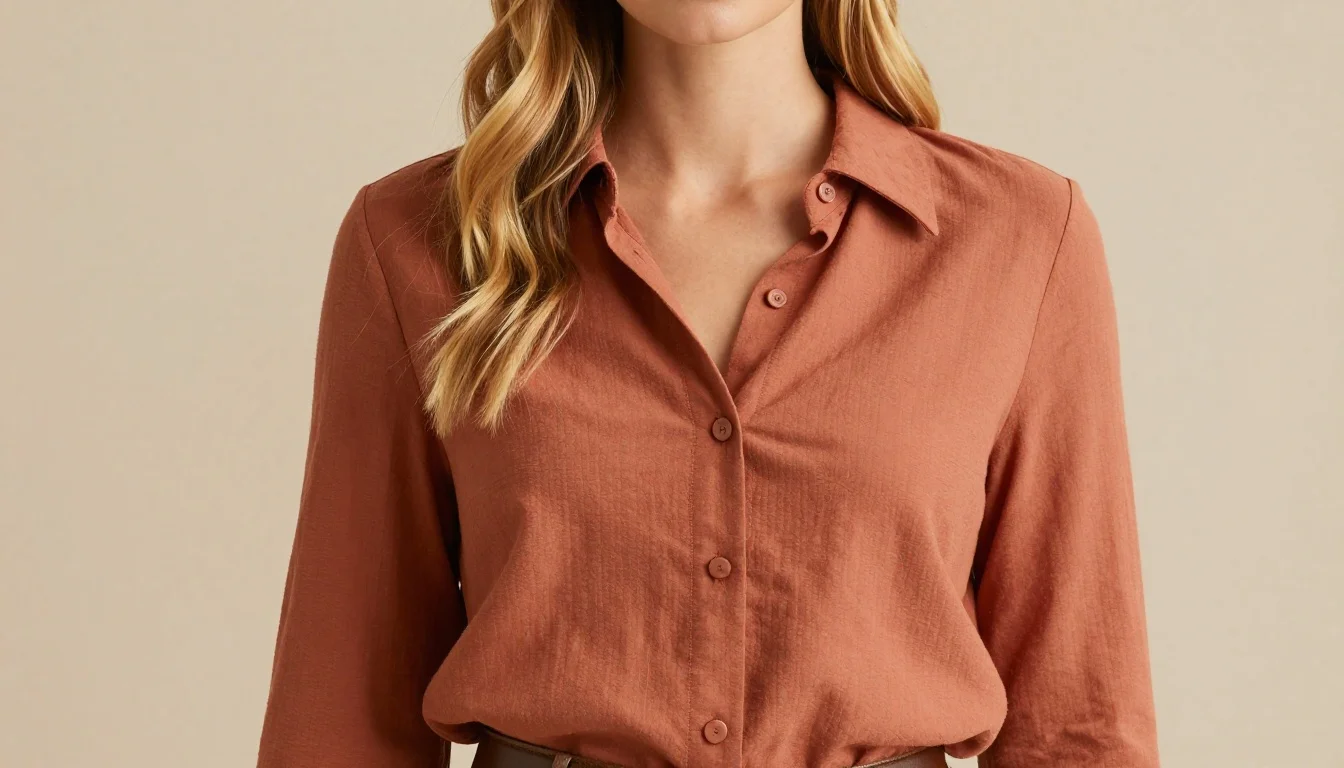
Warm terracotta and coral sit in the same golden-warm register as honey blonde and create a rich, cohesive warmth rather than competing. Terracotta amplifies the amber depth in honey blonde, making hair look more vivid and golden. Burnt coral has the same resonance with a slightly more vivid quality. This is the most harmonious family for honey blonde — warm tones that echo rather than fight.
Forest Green & Warm Teal
Rich greens create the most striking contrast with honey blonde. Forest green has a warm-green quality that resonates with golden hair while creating clear contrast against its lightness. Deep teal adds a cooler, more jewel-like quality while still having enough warmth to avoid temperature conflict. Against honey blonde, these greens create the kind of look that makes the hair appear more vivid rather than just present.
Warm Amber & Cognac Neutrals
Warm neutrals in the amber-caramel register create tonal harmony with honey blonde rather than washing it out. Warm camel is particularly effective — it's close to the hair's own register but has enough depth to avoid blending. Cognac adds richness. These neutrals create a warm, intentional aesthetic without needing bold color contrast. They're honey blonde's natural territory.
Dusty Rose & Warm Mauve
The rosy family works well with honey blonde through complementary warmth — dusty rose and peachy pink have a warm-rosy quality that resonates with the golden-amber tones in honey blonde without fighting them. Warm berry creates more contrast with a slightly cooler rose. These are the most feminine and warm-romantic colors for honey blonde, offering a softer alternative to the terracotta family.
Ready to see terracotta & coral on your face?
Start my color analysisHow to Wear These Colors in Real Life
Everyday golden warmth
A warm terracotta or dusty rose linen top near honey blonde hair is your lowest-effort, highest-reward daily formula. The warm tones create immediate cohesion — the hair and clothing look like they were chosen together, even when you just reached for a comfortable favorite. Pair with caramel or warm tan trousers for a cohesive warm look, or dark denim for clean contrast.
Professional settings
Forest green is your professional power color with honey blonde. A forest green blazer or teal silk blouse creates clear contrast that reads as intentional and polished — the green has enough depth and contrast with light golden hair to look striking rather than just present. Warm cognac is equally effective as a professional neutral: a cognac leather bag or camel blazer creates a warm, sophisticated professional look.
Evening occasions
For evenings, deep warm teal or forest green against honey blonde is genuinely luminous — the depth of the color makes golden hair glow. An alternative evening formula: deep amber or cognac fabric that honors the golden warmth fully and creates a golden, sun-warmed aesthetic. Avoid pure black as an automatic evening choice — it creates a flat, cool contrast that doesn't play to honey blonde's strengths. Deep burgundy or warm plum work better.
Leaning into warm tonal dressing
Honey blonde is one of the few hair colors that supports full warm-tonal outfits with beautiful results. Terracotta top, warm camel trousers, cognac accessories — the entire outfit can operate in the warm amber register and look richly intentional rather than monochromatic. The golden quality of honey blonde anchors the look. This full-warmth approach is very difficult to achieve with cooler coloring but works naturally here.
Colors That Dull Honey Blonde
Stark white and icy cool tones
Cool white and icy pastels create a temperature clash with honey blonde that makes the golden tones look more yellow than golden. The contrast between cool white and warm yellow-gold is harsh rather than complementary. Warm ivory is the white that works for honey blonde — it has just enough warmth to let golden hair look golden rather than yellowed.
Bright yellow and yellow-green
Bright yellow and neon yellow-green sit in the same warm-light register as honey blonde without adding depth or contrast. The result is a monochromatic overload of similar warm tones where hair and clothing merge rather than contrast. Golden amber or warm olive work because they have the depth that pure bright yellow lacks.
Cool grey and ash tones
Cool grey creates a temperature conflict with warm honey blonde — the coolness of the grey fights the golden warmth in the hair and can make honey blonde look brassier or more yellow by comparison. Warm charcoal and warm greige can work; cool silvery grey consistently doesn't.
Medium khaki and dusty beige
Mid-tone khaki and dusty beige sit in a similar depth range to honey blonde without adding either warm resonance or clear contrast. The effect is a flat, underpowered look where both the hair and the clothing disappear. Go richer and deeper within the warm family (cognac, terracotta) or go lighter and crisper (warm ivory) — the muddy middle underperforms.
Stop guessing — preview every shade on you
See myself in my colorsYour Wardrobe, Upgraded
Swapping the cool and flat choices for warm, rich colors that let honey blonde's golden quality shine.
Stark white creates a cold contrast with warm golden hair. Ivory echoes the warmth; terracotta creates warm tonal resonance.
Cool grey fights the warmth in honey blonde. Forest green creates striking contrast; camel creates warm tonal harmony.
Khaki blends with honey blonde at a similar depth. Cognac adds rich warm depth; forest green adds vivid contrast.
Bright yellow is too similar in register to golden hair — no contrast. Teal creates vivid contrast; amber adds warm richness.
Black creates flat, cool contrast against warm golden hair. Plum and burgundy provide warm-rich depth that makes honey blonde glow.
Cool charcoal fights the warmth in honey blonde. Camel and cognac create a warm, cohesive look that makes golden hair look more vivid.
Which Palette Might Be Yours?
Honey blonde most often appears in the Spring seasonal family — particularly Warm Spring or Light Spring. The golden warmth in honey blonde aligns naturally with Spring's warm, clear quality.
Warm Spring
Learn moreIf your honey blonde is distinctly warm and golden — not just light, but visibly amber and sun-kissed — and your skin has warm undertones, Warm Spring is a strong match. Your palette is warm, clear, and vivid: warm coral, turquoise, golden ivory, warm jade, and peachy pinks. Your coloring has a fresh, sun-warmed quality that works beautifully in warm, saturated tones.
Light Spring
Learn moreIf your honey blonde is lighter and more delicate — golden but also quite light and fresh rather than deeply warm — Light Spring may fit better. Your palette is warm but light and clear: soft peach, warm ivory, golden yellow-green, warm aqua, and light coral. Your coloring is warm and gentle rather than deeply vivid.
Warm Autumn
Learn moreIf your honey blonde has more depth — closer to dark honey, golden-amber, or warm caramel blonde — and your skin is distinctly warm, Warm Autumn may be yours. Your palette shifts to earthy richness: terracotta, cognac, warm rust, deep forest green, and rich caramel. Your coloring has warmth and golden depth rather than spring freshness.
Find Your Exact Colors
Honey blonde's golden warmth has its own precise color logic — one that rewards understanding whether your specific honey tends toward amber depth, golden lightness, or warm caramel richness. A personalized colour analysis maps the exact version of this warmth to the precise shades that make honey blonde look most luminous and intentional.
Stop guessing — preview every color on you
Preview Yourself In Your Palette
Get my personalized paletteStop guessing — preview every color on you
Preview Yourself In Your Palette

Related Guides for Best Colors for Honey Blonde Hair
Explore more personalized color advice based on your features.
Want to see these colors on you? Virtual Hair Color Try-On — free to try.
Frequently Asked Questions About Best Colors for Honey Blonde Hair
What colors look best with honey blonde hair?
Warm terracotta, burnt coral, and forest green are the strongest performers with honey blonde. Terracotta and coral create warm resonance with the golden tones; forest green creates vivid contrast. Warm camel and cognac are your best neutral tones. Dusty rose and warm mauve offer a softer warm option. The key is warmth with depth — not cool tones, not flat mid-tones.
What colors should honey blonde hair avoid?
Cool grey, icy blue, and stark white create a temperature clash that makes honey blonde look more yellow than golden. Bright neon yellow is too close in register without adding depth. Medium khaki and dusty beige blend with honey blonde without creating contrast or resonance. The rule: avoid cool tones and flat mid-tones that sit in the same register as golden hair.
Does honey blonde hair suit warm or cool colors?
Honey blonde primarily suits warm colors — the golden amber tones in honey blonde resonate beautifully with terracotta, coral, forest green, and warm teal. Clear, warm contrasts also work well. Cool colors create a temperature conflict that makes the golden warmth look brassy or yellow. Some cool-leaning colors work when they have enough depth (deep teal, forest green), but temperature-neutral or warm shades consistently perform best.
What season is honey blonde hair?
Honey blonde most commonly falls in the Warm Spring or Light Spring seasonal family. The golden warmth aligns with Spring's characteristic warm, clear quality. Some deeper honey blondes with distinctly warm, earthy skin undertones may land in Warm Autumn. The exact season depends on how light or deep your honey blonde is and whether your skin undertone is distinctly warm or more neutral.
Is honey blonde hair warm or cool?
Honey blonde is definitively warm. It gets its distinctive golden-amber quality from warm pigments — it's the warmest of the common natural blonde shades, warmer than ash blonde (cool) or platinum (icy cool). This warmth is what makes terracotta, coral, and forest green look so effective near honey blonde hair.
What jewelry suits honey blonde hair?
Gold is the natural jewelry choice for honey blonde — it mirrors the golden quality of the hair and creates a warm, cohesive look. Rose gold also works beautifully. Silver can look cold against warm golden hair and creates the same temperature conflict as cool grey clothing. Warm stone jewelry — amber, topaz, citrine, tortoiseshell — all complement honey blonde's golden warmth.