The Right Bronzer forPale Skin
Pale skin turns orange with the wrong bronzer. Discover how to find the colors that actually flatter your coloring.
Pale skin and bronzer have a complicated relationship. The wrong bronzer shade turns fair skin orange and muddy — the opposite of sun-kissed. The right bronzer adds a subtle, believable warmth that looks like natural color rather than applied product. The difference is almost entirely in the undertone and depth of the bronzer you choose.


3,000+
happy clients
Why Pale Skin Needs a Specific Bronzer Strategy
Pale skin and bronzer have a complicated relationship. The wrong bronzer shade turns fair skin orange and muddy — the opposite of sun-kissed. The right bronzer adds a subtle, believable warmth that looks like natural color rather than applied product. The difference is almost entirely in the undertone and depth of the bronzer you choose.
Pale skin has a high lightness value with minimal natural warmth or color. This means any bronzer you apply sits on top of a light, often cool or neutral base — and the color contrast is immediately visible. A bronzer designed for medium or dark skin contains deep orange and warm pigments that look mud-colored on pale skin. The depth and saturation are wrong for the contrast range.
The right bronzer for pale skin is lighter, more sheer, and leans more toward peachy-warm than orange-warm. The goal is to mimic what sun does to fair skin — which isn't orange, it's a soft golden-peach warmth that adds life and dimension. A bronzer that looks 'too light' in the pan is often exactly the right depth for pale skin.
Application matters as much as shade for pale skin. Too much product in one place creates an obvious line of demarcation. A light hand and a very fluffy brush — applying bronzer in sweeping motions rather than concentrated pressure — is what makes the difference between a natural sun-kissed look and the orange mask that pale skin is vulnerable to. Less bronzer applied skillfully always outperforms more bronzer applied casually.
What bronzer looks best on pale skin?
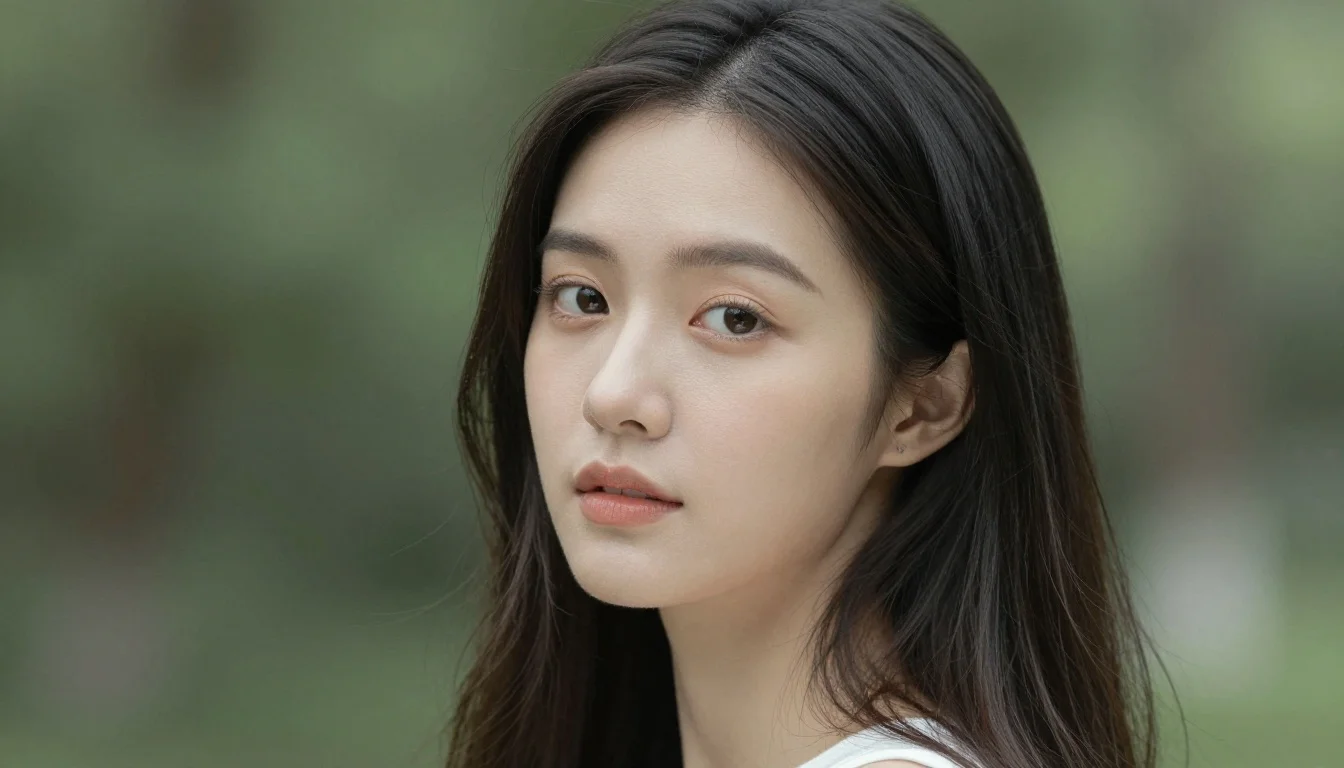
A light, peachy-warm bronzer with a sheer or buildable formula looks most natural on pale skin. Look for shades described as 'light,' 'peachy,' or 'neutral warm' — avoid shades labeled 'deep,' 'tan,' or heavy warm-orange. The bronzer should be at most one visible shade warmer than your natural skin and should have a peachy or golden undertone rather than an orange one.
Best Bronzer Shades for Pale Skin
Light Peachy-Warm Bronze
A light peachy-warm bronzer is the safest, most universally flattering bronzer for pale skin. The peach undertone adds warmth without the orange-muddy quality that pure warm or orange bronzers create on fair complexions. It mimics what actual sun does to pale skin — a soft golden-peach warmth rather than a deep tan. Sheer peachy shimmer versions create luminosity that makes pale skin look healthy and glowing rather than made up.
Neutral-Warm Light Bronze
A neutral-warm light bronze is the most versatile bronzer for cool or neutral pale skin — it doesn't have the orange pull of warm bronzers, but it has enough warmth to create definition and dimension. Matte golden sand (a very light matte bronzer) creates the most believable natural warmth on pale skin — it sits on the skin like actual sun exposure. Light warm beige-bronze is the cool-undertone version: enough warmth to define without the orange or yellow conflict.
Sheer Formulas Over Pigment-Dense
For pale skin, the formula matters as much as the color. Sheer, buildable bronzers allow you to start with barely-there color and add only as much as needed — which for pale skin is typically one or two very light passes. Gel and liquid bronzers are particularly easy to control on fair skin: a small amount blended with fingers creates a natural, skin-like warmth. Highly pigmented, full-coverage bronzers designed for deeper skin tones have too much color concentration for pale skin and are hard to blend without streaking.
Rose-Gold & Satin Finish for Cool Pale Skin
For pale skin with distinctly cool undertones, a rose-gold or pink-warm bronzer sits better than pure warm or orange-toned bronze. The pink component resonates with cool skin's undertone while the gold adds warmth. A rose-gold bronzer on cool pale skin looks like a healthy flush rather than the muddy orange that pure warm bronzers create. This is the bronzer-blush hybrid that works uniquely well on cool-toned fair skin.

Ready to see yourself in peach bronze & golden?
Start my color analysisHow to Apply Bronzer on Pale Skin
Brush choice and technique
A very large, fluffy powder brush is essential for bronzer on pale skin. The bigger the brush, the more diffuse the application — and diffuse is exactly what pale skin needs to avoid the mask effect. Tap off excess product before applying. Use a sweeping figure-three motion: across the forehead, down the cheek, across the chin. Never press; always sweep. For the first application, use a lighter touch than feels necessary — you can always add more, but removing excess bronzer requires starting over.
Placement for believable warmth
Apply bronzer only where sun would naturally hit: the temples, top of the cheekbones, nose bridge, and chin. Avoid the inner cheek (near the nose) and the neck — bronzer on the neck creates a strong line against the chest and looks theatrical. The sun-hit areas should be slightly warmer than the rest of the face; the inner face remains your natural pale skin tone. This creates natural-looking dimension. Common mistake: applying bronzer too close to the nose, which creates a muddy shadow rather than a sun-kissed effect.
Light versus no-bronzer approach
For the palest skin — Fitzpatrick type I and II — the question is whether bronzer is right at all, or whether a warm blush does the job better. A warm peach blush on pale skin creates natural color and life without the warmth-versus-depth challenge of bronzer. If you want bronzer: use a single pass of the lightest shade available, applied with the largest brush you own, concentrated at the temples and top of cheekbones only. If that one pass looks right, you're done.
Setting and lasting
Bronzer applied over a thin layer of face powder or setting powder lasts longer and blends more smoothly on pale skin. The powder creates a buffer between the skin and the bronzer, making it easier to blend out mistakes and preventing the bronzer from sinking into pores and appearing patchy. For a more natural, skin-like bronzed effect, try applying a cream or gel bronzer first, blend with fingers, then set with a light dusting of translucent powder — this is more buildable and natural-looking than powder bronzer alone on pale skin.
Bronzer Shades That Turn Pale Skin Orange
Orange-toned or overly warm bronzer
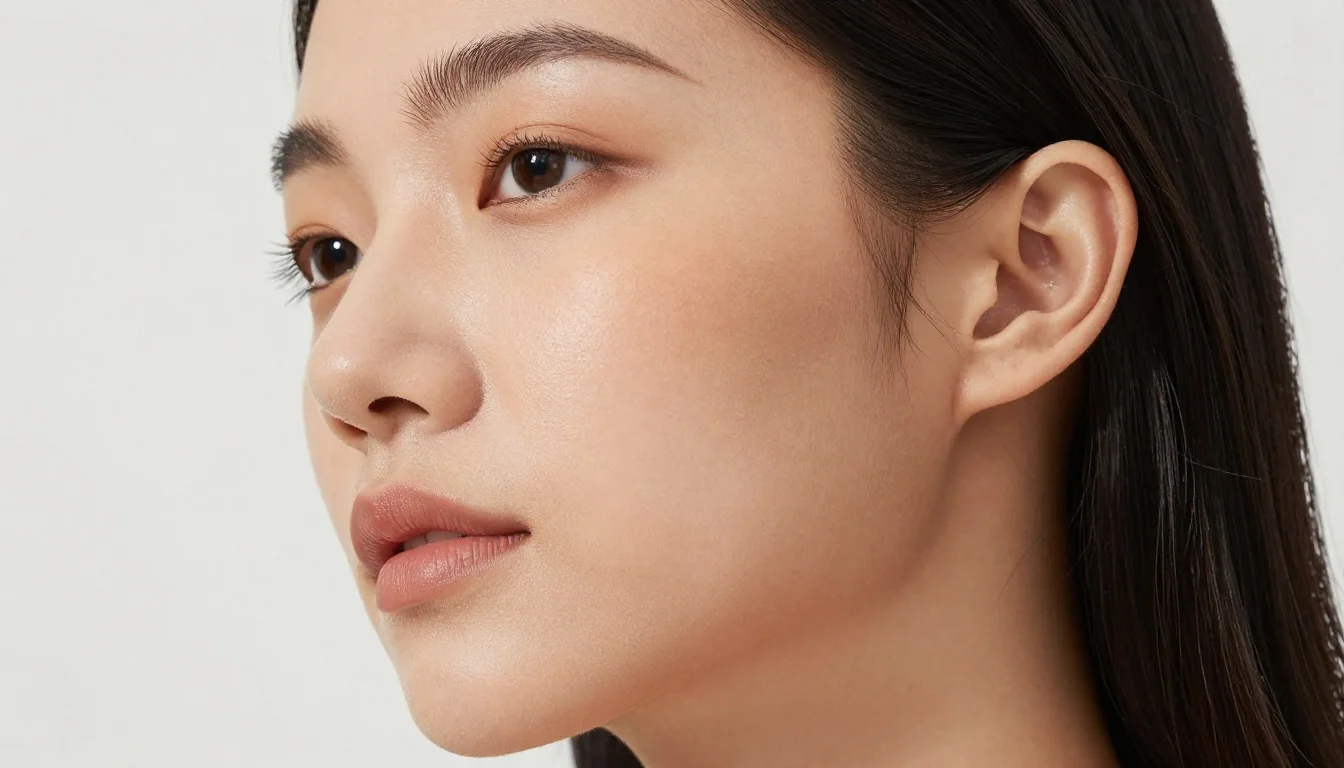
The most common bronzer mistake on pale skin is choosing a shade that's too orange-warm. Bronzers designed for medium and tan skin contain orange pigments that read as 'tan' on those depths but 'orange mask' on pale skin. The warm-orange sits on pale cool or neutral skin with no undertone to absorb it and looks like spray tan rather than sun. Look for bronzers described as 'peachy,' 'neutral warm,' or 'light' — not 'deep,' 'rich warm,' or 'sunkissed tan.'
Very dark or deeply pigmented bronzer
A bronzer that's two or more shades deeper than pale skin creates a muddy, mask-like line of demarcation rather than a natural gradient. Even a beautifully warm shade looks wrong if there's too much contrast between the bronzed areas and the skin. On pale skin, the bronzer should be at most one visible shade warmer — light enough that it reads as warmth at arm's length rather than 'bronzer' up close.
Shimmery bronzer with a blue or silver sheen
Bronzers with a cool silver shimmer base create a grey, frosty quality on pale skin — especially on cool-toned pale skin — rather than a warm glow. The cold shimmer against pale skin looks ashy. Choose a bronze shimmer with a warm golden or peachy base, where the shimmer amplifies warmth rather than adding coolness.
Stop guessing — preview every shade on you
See myself in my shadesBronzer Upgrades for Pale Skin
Swap the shades that turn pale skin orange for ones that add believable warmth.
Medium warm bronzer reads as orange on pale skin. Light peachy-warm stays in the believable warmth range for fair complexions.
Silver shimmer looks ashy on pale skin. Warm golden or peachy shimmer creates luminosity that reads as a healthy glow.
Pure warm bronzer fights cool pale skin's undertone. Rose-gold adds warmth through the pink-gold register that harmonizes with cool undertones.
Dense pigment is hard to control on pale skin and creates muddy patches. Sheer or gel formulas allow precise, natural-looking application.
Small brushes concentrate color on pale skin and create obvious lines. Large fluffy brushes diffuse product and create the soft gradient that looks natural.
Using warm bronzer as contour on pale skin creates orange shadows. True contour needs a cool-grey or taupe shade; bronzer should only go on sun-hit areas.
Which Seasonal Palette Fits Pale Skin?
Pale skin spans several light and cool seasonal palettes. Your season determines whether peachy-warm or rose-gold bronzer sits best, and how much warmth to add.
Light Spring
Learn moreIf your pale skin has warm-neutral undertones and you look best in warm, clear colors, Light Spring fits. Your best bronzer is a light warm peachy-sand — the warmth harmonizes with your undertone. You can handle slightly more bronzer than cooler seasonal types.
Light Summer
Learn moreIf your pale skin has cool undertones and your coloring is soft and low-contrast, Light Summer fits. Your best bronzer is a very sheer peachy-neutral or rose-gold — minimal warmth, very diffuse application. Less is always more for Light Summer.
Cool Winter
Learn moreIf your pale skin is porcelain-clear with high contrast features (vivid hair or eye color), Cool Winter may fit. Your bronzer is optional — the high contrast of your natural coloring does the work. If you use bronzer, choose a very sheer rose-gold or pink-warm shimmer in a single light pass.
Find Your Exact Shade and Application
Bronzer on pale skin works when the shade is light, the undertone is peachy or rose-warm rather than orange, and the application is whisper-light with a large brush. Your specific seasonal palette identifies the exact depth and warmth of bronzer that adds life to pale skin without looking applied — whether you need barely-there peachy warmth or a slightly deeper rose-gold.

Related Guides for Bronzer for Pale Skin
Explore more personalized color advice based on your features.
Want to see these colors on you? What Colors Look Good on Me — free to try.
Frequently Asked Questions About Bronzer for Pale Skin
What bronzer looks best on pale skin?
A light, peachy-warm bronzer with a sheer or buildable formula looks most natural on pale skin. Look for shades described as 'light,' 'peachy,' or 'neutral warm' — avoid shades labeled 'deep,' 'tan,' or heavy warm-orange. The bronzer should be at most one visible shade warmer than your natural skin and should have a peachy or golden undertone rather than an orange one.
Why does bronzer look orange on pale skin?
Most bronzers are formulated with orange-warm pigments designed to look like a tan on medium or deeper skin tones. On pale skin, these pigments sit on a light background with no undertone warmth to absorb them — the result is visible orange color rather than believable warmth. The fix is choosing a lighter, sheerer bronzer with a peachy or rose-gold undertone rather than orange-warm.
Should pale skin use bronzer or blush?
For very pale skin (Fitzpatrick I-II), a warm peach blush often creates a more natural result than bronzer — it adds color and life without the warmth-depth challenge. If you want bronzer, use a single very light pass of a sheer peachy-warm shade at the temples and top of cheekbones. Many people with pale skin get better results from warm blush alone than from bronzer.
How do I apply bronzer on pale skin without looking muddy?
Use the largest, fluffiest powder brush you own. Tap off all excess product before touching the face. Apply in a sweeping figure-three motion across forehead, cheekbones, and chin. Use one or two light passes maximum. Keep bronzer off the inner cheek and neck. The rule: pale skin needs less bronzer than you think, applied more diffusely than feels necessary.
What season is bronzer for pale skin?
Light Spring pale skin suits light peachy-warm bronzer applied moderately. Light Summer suits very sheer peachy-neutral or rose-gold with minimal coverage. Cool Winter suits a very sheer rose-gold shimmer or may skip bronzer entirely. The lightest, most sheer bronzers are always the right direction for pale skin regardless of season.
Can pale skin wear shimmer bronzer?
Yes — sheer shimmer bronzer is one of the best options for pale skin. It adds luminosity and warmth simultaneously without the concentrated pigment that turns pale skin orange. Look for shimmer bronzers with a warm golden or peachy base — not silver or icy shimmer, which looks ashy. Apply with a light hand at the high points of the face where light naturally hits.