Bridal Makeupfor Warm Undertones
Bridal makeup for warm undertones should look golden, glowing, and temperature-matched. Discover which tones look natural on you — and which to skip.
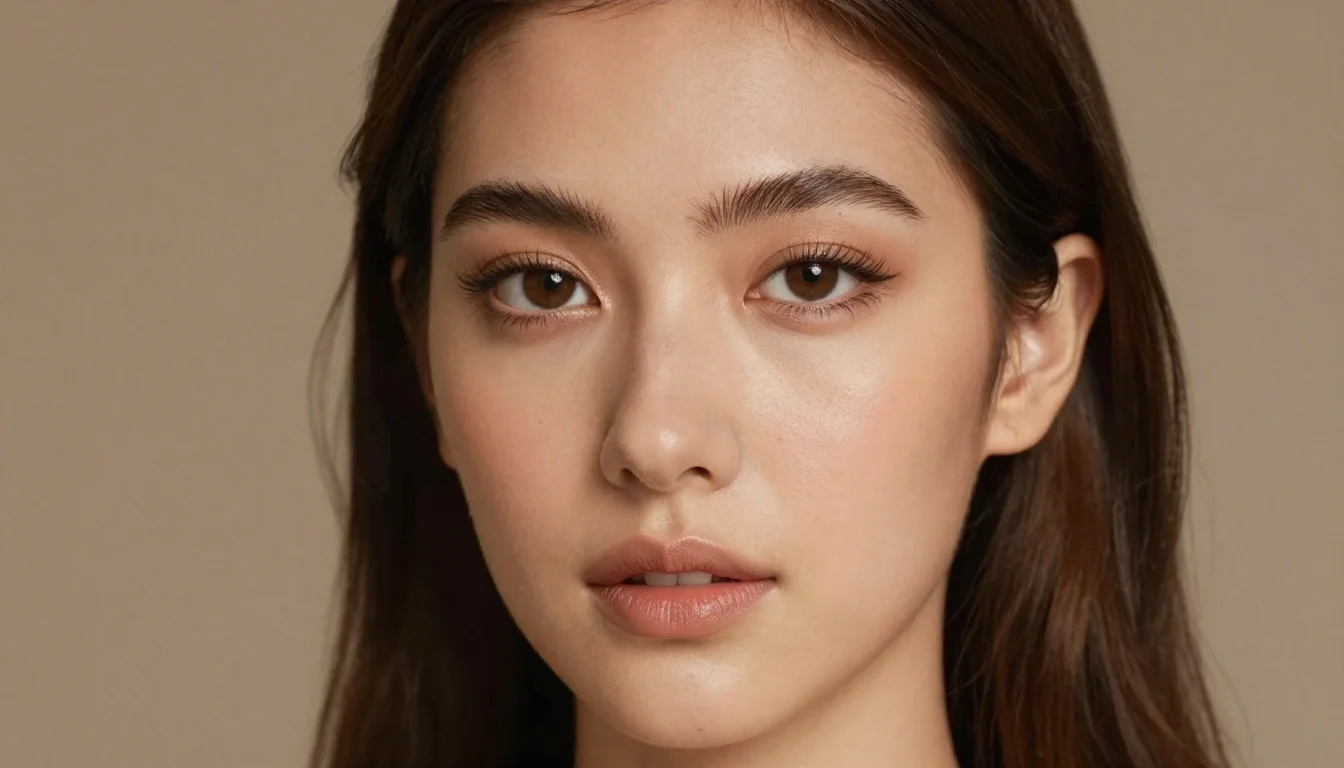
Warm undertones — the golden, peachy, or amber quality in your skin — need makeup calibrated to that warmth. A bridal look built on cool-pink tones can make warm skin look slightly grey or washed out in photographs, while warm-calibrated shades make the same skin look luminous and golden. The goal is a coherent warm palette from foundation to lip: peachy-warm blush, champagne-gold highlight, warm nude-rose lip, and eyes that amplify the warmth without muddying it.


3,000+
happy clients
Why Warm Undertones Need Temperature-Matched Bridal Makeup
Warm undertones — the golden, peachy, or amber quality in your skin — need makeup calibrated to that warmth. A bridal look built on cool-pink tones can make warm skin look slightly grey or washed out in photographs, while warm-calibrated shades make the same skin look luminous and golden. The goal is a coherent warm palette from foundation to lip: peachy-warm blush, champagne-gold highlight, warm nude-rose lip, and eyes that amplify the warmth without muddying it.
Warm undertones have yellow, peach, or golden quality in the skin. When makeup is applied in cool-pink tones — cool-rose blush, pink-based lip, silver highlight — it introduces a temperature that competes with the skin's natural warmth rather than amplifying it. The result is a subtle mismatch that reads as slightly flat or off in person and more noticeably in photographs. Warm-calibrated makeup works with the skin's natural warmth, creating a coherent, glowing look.
Bridal photography is the highest-stakes makeup context: it's shot across many hours, in varied lighting (outdoor natural, golden-hour, indoor flash), and you'll look at these photographs for decades. Warm skin tones look their most luminous in warm and golden light — which is the dominant light at most weddings. Warm-calibrated makeup amplifies that luminosity. Cool makeup can create a flat effect particularly visible under flash photography.
The specific warm shades that work best depend on whether your undertone is light warm-peach, medium warm-golden, or deep warm-amber — and on the depth and warmth of your eye color and hair. But across all warm skin tones, the principle is the same: choose products described as 'warm,' 'peach,' 'golden,' 'coral,' or 'bronze' rather than 'cool,' 'rose,' 'pink,' or 'mauve' when in doubt.
What bridal makeup looks best on warm undertones?
Warm-calibrated bridal makeup works best: warm peach or apricot blush, warm champagne or golden highlight, warm bronze or copper eyeshadow, and a warm nude-rose or warm berry-rose lip. Foundation should be matched to a warm or neutral-warm undertone in satin or luminous finish. Avoid cool-pink blush, silver highlight, mauve lips, and cool taupe eyeshadow — all introduce temperature conflict that appears flat or slightly grey on warm skin in photographs.
Your Best Bridal Makeup Shades
Foundation & Complexion
Foundation for warm undertones should be matched to warm, golden, or peachy descriptors rather than pink or cool. Look for shades labeled 'warm,' 'golden,' 'neutral-warm,' or 'peach.' The undertone match matters as much as the depth match — a foundation that's the right depth but the wrong undertone will look grey or chalky by midday. Many bridal MUAs recommend going one shade deeper than usual for wedding day longevity, then using powder and setting spray rather than building up cooler shades.
Blush
Warm peach and apricot blush are the most universally flattering for warm undertones across all skin depths. Peach blush on warm skin photographs as a natural, sun-kissed warmth rather than a painted-on pink circle. For lighter warm skin, apricot and warm peach work beautifully. For medium-to-deep warm skin, warm coral-peach and even a light dusting of soft terracotta adds depth and warmth without looking too strong. Avoid cool-rose and cool-pink blushes — they create temperature mismatch visible in photographs.
Eye Makeup
Eyes for warm undertones should stay in the warm register: champagne gold as the base, warm bronze or soft copper in the crease, and rich warm taupe as a defining shade. This palette amplifies warm undertones and warm-colored eyes (brown, hazel, golden) simultaneously. For warm brown eyes specifically, a warm copper or bronze in the crease creates complementary warmth that makes eyes look vivid. Avoid cool silver, icy grey, or purple eyeshadow, which introduce cool temperature conflict.
Lip
The ideal bridal lip for warm undertones sits in the warm nude-to-rose range: warm enough to harmonize with golden skin, with enough color to read as intentional in photographs. Warm nude-rose — a beige with warm pink — is the most reliable bridal lip for warm undertones. It photographs as natural and flushed rather than bare. Warm peach-nude reads lighter and more delicate. For drama, a warm berry-rose or deep warm coral creates richness without introducing cool temperature conflict.

Ready to see yourself in beige & golden neutral?
Start my color analysisBuilding Your Warm Undertone Bridal Look
Build the base with warm foundation
Start with a satin or luminous-finish foundation matched to your warm undertone. Test the shade in natural light (not store lighting) — it should disappear into your neck and jawline rather than leaving a line. If between shades, mix to create the perfect warm match rather than compromising. Set with a warm-toned translucent powder — avoid pure white setting powders, which can mute warm skin's luminosity. Warm peach-toned setting powder is ideal.
Layer warm blush and highlight together
The most glowing warm bridal look builds warmth in layers: warm peach blush on the apples and upper cheekbones, warm champagne highlight on the highest points (cheekbone, cupid's bow, inner corners), and a touch of warm bronzer at the temples and jaw for warmth and dimension. These three layers create a sun-kissed, dimensional warmth that photographs as natural luminosity. Apply the highlight last so it sits on top of the blush and reads as genuine skin glow.
Keep eyes warm and consistent
For a warm bridal eye, base the lid with warm champagne or gold, deepen the crease with warm bronze or copper, and line with warm brown rather than black for a softer, more natural look. A warm chocolate brown liner at the waterline opens warm-colored eyes and adds definition without the starkness of black. If using false lashes, natural flare lashes in a warm-brown shade blend more harmoniously than stark black cluster lashes for a daytime warm bridal look.
Test your lip in wedding lighting
Bridal lip color looks different in outdoor noon sun, golden-hour light, and indoor flash photography. Before the wedding, test your chosen lip color photographed in all three lighting conditions. Warm nude-rose lips can look darker or more vivid in flash. Make sure your lip color photographs at the depth and warmth you intend — many brides find they need to go slightly warmer or deeper than they think to achieve the look they want in photographs.
After the look, capture the day
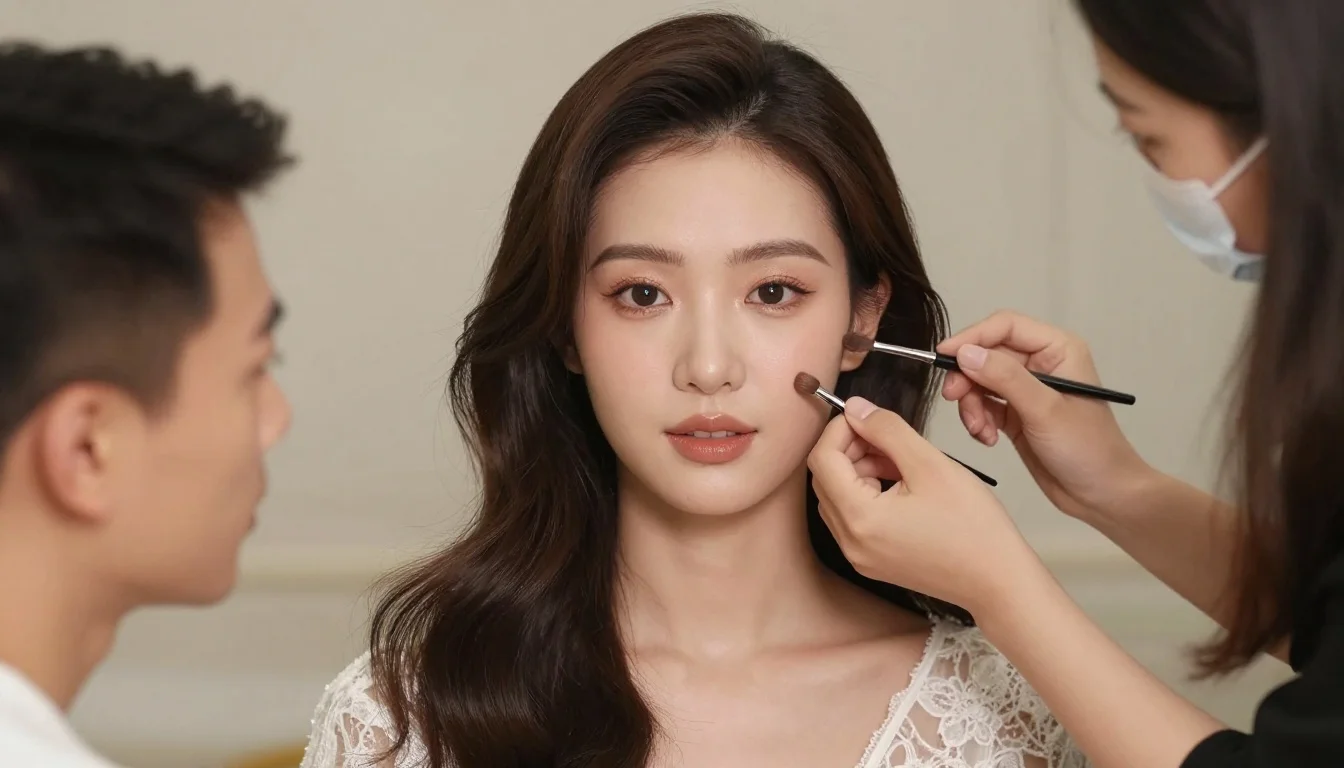
With your warm-toned bridal makeup planned, think about how all those close-up, glowing moments get collected. Couples use a QR-code photo gallery for the whole wedding so guest photos land in one shared album automatically.
Makeup Shades to Avoid for Warm Undertone Brides
Cool-pink or rose blush
Cool-pink blush creates a temperature mismatch against warm golden skin — it reads as painted-on and slightly grey-adjacent rather than natural warmth. Under flash photography, this conflict becomes more visible. Warm peach and apricot deliver the same flush effect with temperature harmony.
Silver and icy highlighter
Silver-toned highlighter introduces a cool metallic sheen that fights the warmth of golden skin rather than amplifying it. On warm undertones, silver highlight can look slightly ashy or grey at high-intensity. Warm champagne, golden, and bronze highlighters amplify the skin's natural warmth and photograph as luminous rather than metallic.
Mauve and cool-rose lip
Mauve and cool-rose lipsticks have a blue-pink base that clashes with warm skin's golden quality. On warm undertones, these shades can make teeth look slightly yellow by comparison and make the skin look slightly grey around the mouth. Warm nude-rose and warm berry-rose deliver the same rose register with warm temperature harmony.
Heavy matte full-coverage foundation
Very matte, full-coverage foundations tend to flatten warm skin's natural luminosity on a wedding day — the same glow that makes warm undertones look beautiful in photographs gets suppressed under heavy matte product. A satin or luminous-finish foundation (even a buildable luminous formula) captures warm skin's natural glow far better than flat matte coverage.
Stop guessing — preview every shade on you
See myself in my shadesYour Bridal Makeup, Upgraded
Swap cool-toned shades for warm ones that photograph beautifully on warm skin.
Pink-toned foundation creates a cool cast against warm skin that appears flat in photographs. A warm or neutral-warm match makes the skin look natural — the foundation disappears into the skin rather than sitting on top of it.
Cool-rose blush creates temperature mismatch against warm skin. Warm peach and apricot deliver the same natural flush with temperature harmony — they look like warmth from within rather than product applied on top.
Silver highlight introduces cool metallic that fights warm skin's glow. Warm champagne and golden highlighters amplify the skin's natural luminosity — the same light, the right temperature.
Cool taupe and silver introduce temperature conflict on warm undertones. Warm champagne and bronze stay in the skin's own register — the eye makeup looks like it belongs on that face.
Mauve and cool-rose have a blue-pink base that clashes with warm skin. Warm nude-rose has the same rose register with warmth — it reads as natural color rather than painted lipstick.
White setting powder mutes warm skin's golden quality. Warm-toned translucent powder locks makeup in while preserving the warmth that makes warm undertones look luminous.
Which Palette Might Be Yours?
Warm undertones appear in multiple seasonal palettes. Your exact season tells you the specific warmth, depth, and clarity of your optimal bridal makeup palette.
Warm Autumn
Learn moreIf your warm skin is medium to deep with golden-amber eyes and warm medium-to-dark hair, Warm Autumn is likely your season. Your bridal makeup palette is rich and warm: deep terracotta blush, warm cognac eye, golden highlight, and a warm berry-rose lip. The richness of Warm Autumn colors suits this combination beautifully.
Warm Spring
Learn moreIf your warm skin is lighter and clearer — peachy-golden rather than earthy — with clear warm eyes and light-to-medium warm hair, Warm Spring suits you. Your bridal makeup palette is warm and fresh: peach-coral blush, warm champagne eye, golden highlight, and a warm peach-nude lip. The freshness of Warm Spring avoids the heaviness that can read as muddy on lighter warm coloring.
Deep Autumn
Learn moreIf your warm skin is deep golden-brown with dark warm hair and rich amber-brown eyes, Deep Autumn is worth exploring. Your bridal makeup palette is the richest warm: copper-terracotta blush, deep warm bronze eye, rich golden highlight, and a deep warm wine or berry-rose lip. Deep Autumn can carry the most saturated warm bridal looks.
Find Your Exact Bridal Colors
Warm undertones span a wide spectrum from light peachy-gold to deep rich amber. Your exact season identifies the specific blush depth, lip shade, and eye color that makes your version of warm undertones look most radiant on your wedding day. A personalized color analysis gives you a precise bridal palette — not just warm undertones generally, but your exact shade map for foundation, blush, lip, and eye.

Related Guides for Bridal Makeup for Warm Undertones
Explore more personalized color advice based on your features.
Want to see these colors on you? Skin Undertone Test — free to try.
Frequently Asked Questions About Bridal Makeup for Warm Undertones
What bridal makeup looks best on warm undertones?
Warm-calibrated bridal makeup works best: warm peach or apricot blush, warm champagne or golden highlight, warm bronze or copper eyeshadow, and a warm nude-rose or warm berry-rose lip. Foundation should be matched to a warm or neutral-warm undertone in satin or luminous finish. Avoid cool-pink blush, silver highlight, mauve lips, and cool taupe eyeshadow — all introduce temperature conflict that appears flat or slightly grey on warm skin in photographs.
What blush color is best for warm undertones on a wedding day?
Warm peach and apricot are the most flattering bridal blushes for warm undertones — they deliver a natural-looking flush that reads as warmth from within rather than product applied on top. Warm coral-peach works for medium-to-deep warm skin with more intensity. Avoid cool-pink and rose blushes, which create a temperature mismatch visible in photographs.
What lip color is best for warm undertone brides?
Warm nude-rose — a beige-pink with warm quality — is the most reliable bridal lip for warm undertones. It photographs as natural but intentional, with more warmth than a bare lip. Warm peach-nude reads lighter and more delicate for a softer look. For drama, warm berry-rose or deep warm coral add richness without temperature conflict. Avoid mauve and cool-rose, which have a blue-pink base that clashes with warm golden skin.
What highlighter looks best on warm undertones for a wedding?
Warm champagne and golden highlighters are far more flattering than silver or icy highlighters for warm undertones. They amplify the skin's natural warmth and luminosity rather than introducing a cool metallic sheen. Rose gold highlighter is a softer alternative. Apply on the highest points of the cheekbones, cupid's bow, and inner eye corners for a sun-kissed, naturally glowing effect.
Should warm undertone brides use matte or dewy foundation?
Satin or luminous-finish foundation generally flatters warm undertones better than very matte formulas on a wedding day. Warm skin's natural luminosity is an asset — heavy matte coverage suppresses it, creating a flat effect in photographs. A buildable satin foundation captures the warmth and glow that makes warm undertones look beautiful. Set with warm-toned translucent powder to control shine while preserving luminosity.
What eyeshadow is flattering for warm undertones at a wedding?
Warm champagne or gold as the lid base, warm bronze or soft copper in the crease, and warm taupe or warm brown as a defining shade create the most harmonious bridal eye for warm undertones. Warm chocolate brown liner is more flattering than black for a natural daytime look. Avoid cool silver, icy grey, and purple shadows, which introduce temperature conflict against warm golden skin.