Best Blush forFair Skin
Fair skin shows blush visibly — the wrong shade looks applied, not natural. Discover which tones look natural on you — and which to skip.
Fair skin is the most reactive canvas for blush — a small amount of pigment shows clearly, which makes it easy to go from fresh-faced to overdone without noticing. But the same visibility that makes blush tricky on fair skin makes it genuinely transformative when you get it right. The right blush on pale skin looks like you've just come in from fresh air, not like you've applied a product.


3,000+
happy clients
Why Fair Skin Needs Its Own Blush Strategy
Fair skin is the most reactive canvas for blush — a small amount of pigment shows clearly, which makes it easy to go from fresh-faced to overdone without noticing. But the same visibility that makes blush tricky on fair skin makes it genuinely transformative when you get it right. The right blush on pale skin looks like you've just come in from fresh air, not like you've applied a product.
Fair skin has low melanin, which means less natural pigment to absorb and diffuse color. A blush that creates a soft, natural-looking flush on medium or deep skin shows up clearly and vividly on pale skin. This high reactivity is what makes blush application on fair skin require a lighter touch — you're working with a canvas that amplifies whatever you put on it.
The undertone of your fair skin dramatically affects which blush shades look natural versus painted. Cool-undertone fair skin (pink, porcelain, or rose-tinted) suits cool blush — dusty rose, soft mauve, and cool pink. Warm-undertone fair skin (peachy, ivory, or golden-light) suits warm blush — soft peach, apricot, and warm coral. When the blush temperature matches your skin's undertone, it reads as a natural flush. When it doesn't, it sits on the surface as a visible application.
The formula matters as much as the color on fair skin. Highly pigmented powder blushes can be difficult to control — a slightly heavy hand creates obvious circles of color. Sheer, buildable powder blushes, cream blushes, and liquid blushes give better control. They allow you to start with a whisper of color and build gradually rather than fighting to blend out an overapplication. This formula flexibility is especially important if you're new to blush or applying in a hurry.
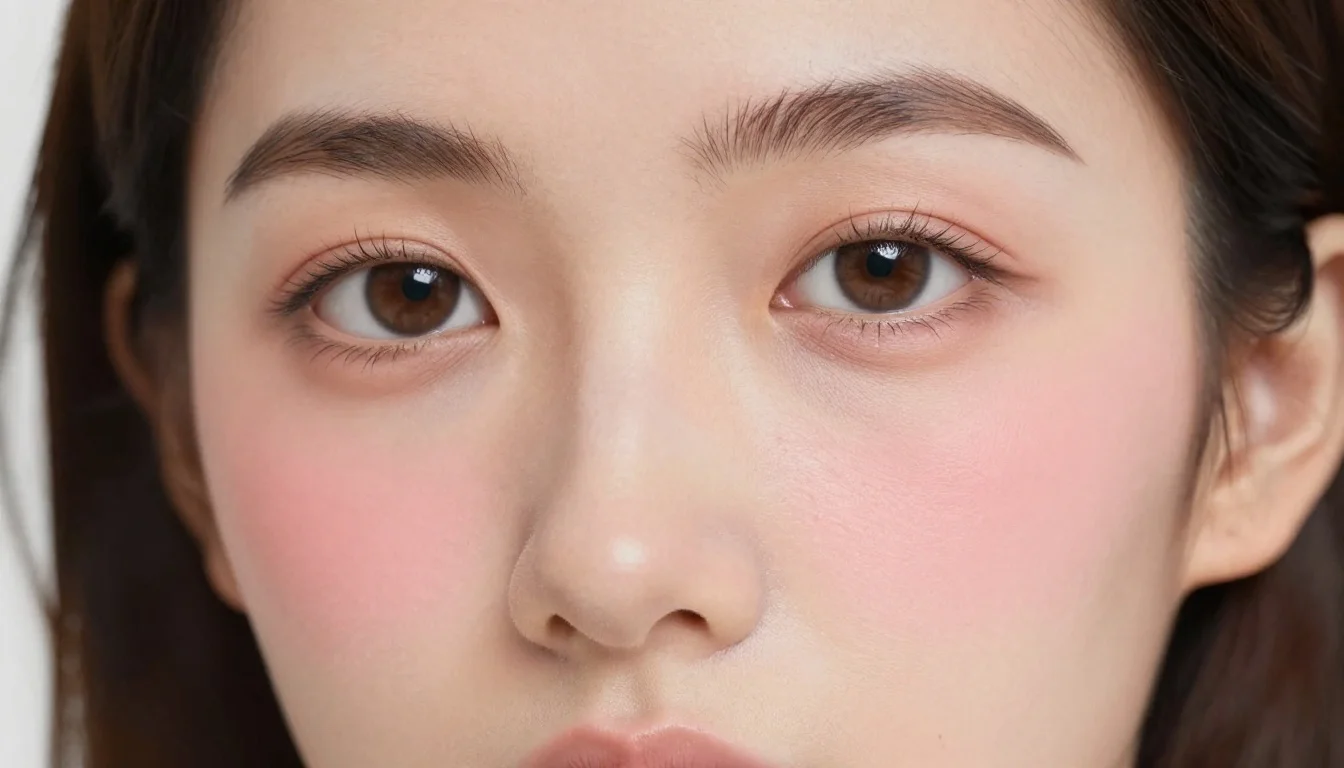
What blush color looks best on fair skin?
Soft peachy-pink, dusty rose, and sheer warm peach are the most universally flattering blush shades for fair skin. For cool-undertone fair skin, dusty rose and soft mauve look most natural. For warm-undertone fair skin, soft peach and warm coral look most natural. Avoid highly saturated pinks and heavy bronzers, which show too visibly on pale skin.
Your Best Blush Shades
Soft Peachy-Pink (Universal)
Soft peachy-pink blush is the most universally flattering shade for fair skin — it sits in the overlapping territory between warm and cool, creating a natural-looking flush that works across undertones. Warm peach has just enough golden quality to look fresh without conflicting with cool undertones. Baby pink with a warm note reads as a natural blush color rather than a paint. These are your safe-bet shades for any occasion when you want your blush to be undetectable as a product.
Dusty Rose & Cool Mauve (Cool Undertones)
For fair skin with cool undertones — pink, porcelain, or rosy-tinted — dusty rose and cool mauve blush creates the most natural flush. The cool undertone in these shades aligns with the coolness in the skin, making the color look like it's coming from within rather than applied on top. Dusty rose is the quintessential fair-skin cool blush — not too blue, not too pink, with a soft vintage quality. Sheer berry-pink adds a little more color energy for evenings.
Warm Peach & Coral (Warm Undertones)
For fair skin with warm undertones — peachy, ivory, or golden-light — warm peach and coral blush creates the most natural warmth. The golden-peachy quality echoes your skin's undertone and creates a sun-kissed look that reads as healthy warmth rather than applied color. True peach is the best starting point: enough color to show clearly on fair skin, warm enough to align with golden undertones, gentle enough not to overwhelm pale skin. Warm coral steps up the vibrancy for summer or when you want more presence.
Sheer Berry & Stained Rose (Evening)
For evenings or occasions where you want more drama, sheer berry and stained rose shades create a deliberate, flushed look that still reads as natural on fair skin. The key is "sheer" — a highly pigmented berry looks painted, but a sheer wash of berry color creates the effect of a deep, healthy flush. These work best as cream or liquid formulas, which naturally sheers out the pigment and creates a skin-stain effect rather than a powder layer. Translucent plum is particularly beautiful on cool fair skin for formal occasions.

Ready to see yourself in peach & baby pink?
Start my color analysisHow to Apply Blush on Fair Skin
Start with less than you think you need
The cardinal rule for fair skin blush: apply far less pigment than your instinct suggests, check in natural light, and build if needed. Tap off excess product before touching brush to face. Apply with a light hand in a sweeping motion across the apple of the cheeks and back toward the temples. Check the result in natural daylight — indoor lighting is always more forgiving and can mask overapplication. It's much easier to add more blush than to blend out too much.
Choose formula strategically
Cream and liquid blushes are generally more forgiving for fair skin than highly pigmented powder blushes. Cream formulas blend into skin and create a natural, skin-from-within effect. Dot a tiny amount on the apple of the cheeks and blend with fingers or a damp sponge — the warmth of fingers helps it melt in. Sheer powder blushes work well if you dust off excess first. Avoid pressing powder blush directly from the brush — always tap off, then apply.
Placement for fair skin
For the most natural look on fair skin, place blush slightly higher than you might think — on the tops of the cheekbones and back toward the temples rather than just on the apple of the cheeks. This placement looks more anatomically natural (like real flushing) and creates lift rather than roundness. For a doe-eyed, youthful look, apply a tiny amount to the tops of the eyelids as well. For a contoured look, apply blush in a diagonal line from cheek to temple.
Coordinate with your lip choice
Blush and lip color should be in the same temperature family on fair skin — this creates cohesion rather than competing focal points. If you're wearing a warm coral lip, use warm peachy blush. If you're wearing a cool berry lip, use dusty rose or cool mauve blush. On days with no lip color (just gloss or balm), blush can have more presence and color. On bold lip days, reduce blush to a barely-there flush — the lip is the statement.
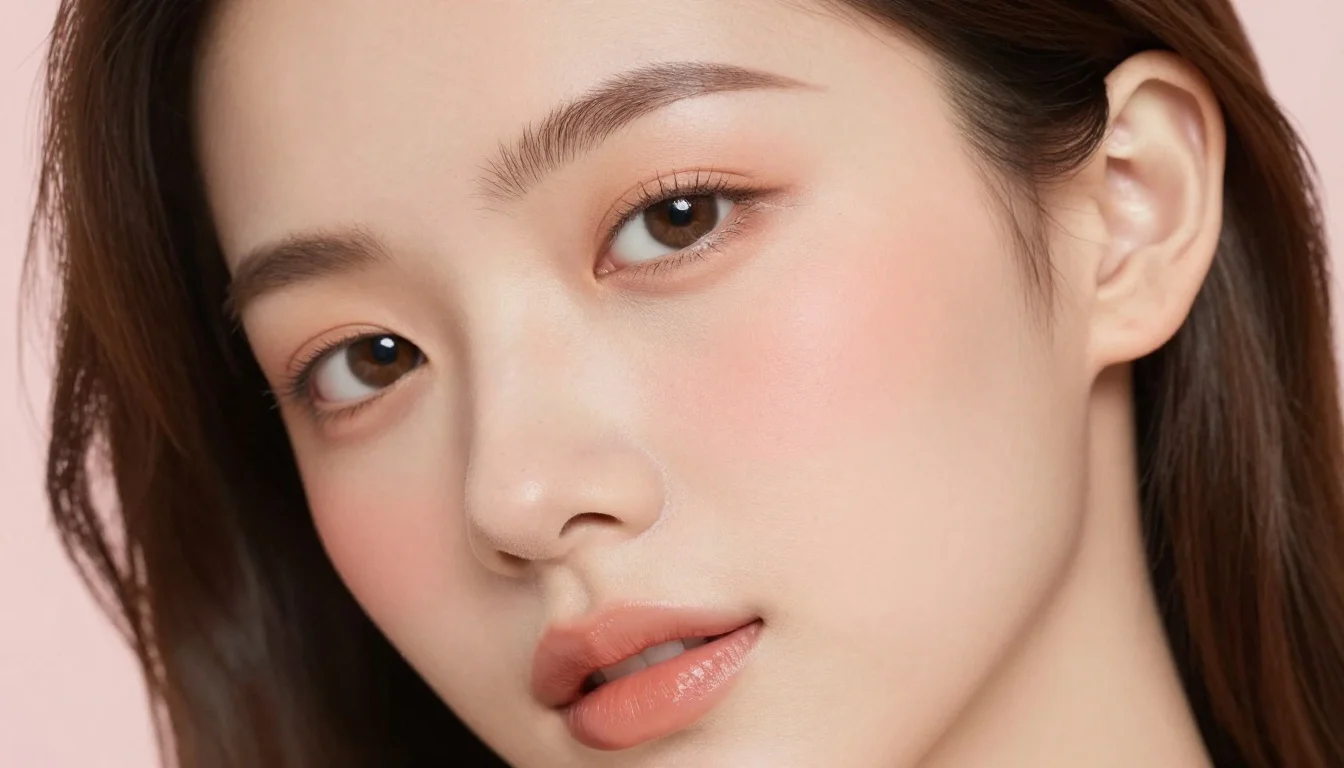
Blush Shades That Look Applied on Fair Skin
Vivid, highly saturated pink
Bright, highly saturated pink blush — the kind that looks vivid in the pan — overwhelms fair skin and reads as clearly applied color circles rather than a flush. The intensity sits on top of pale skin without blending into the complexion. The fix is always a sheerer, dustier version of the same shade. Dusty pink works; hot pink does not. If you love pink, use a powder with no shimmer and a very light hand.
Heavy bronzer used as blush substitute
Orange-warm bronzer used heavily where blush would go creates an unnatural stripe of warmth on fair skin — the contrast between the orange-warm bronzer and pale skin reads as fake tan rather than warmth. Fair skin can use bronzer, but in the most muted, golden (not orange) formulas applied with a very light, diffused touch. If you want warmth and color in one product, choose a warm peach-toned blush rather than a heavy bronzer.
Very warm, orange-toned blush on cool fair skin
Strongly warm-toned blush — apricot or coral that leans orange — on fair skin with cool undertones creates a temperature mismatch that reads as clearly applied rather than natural. The warm orange sits on top of the cool-pink skin without integrating. Cool-undertone fair skin can use warm blush, but it should stay in the pink-warm range (peachy-pink) rather than orange-warm (true coral or apricot).
Shimmer-heavy blush on dry or mature fair skin
Highly shimmery blush on fair skin with dry texture or visible pores can catch in skin texture and look uneven. Fine shimmer works on smooth skin, but larger shimmer particles or intense frost creates a sparkly, uneven effect that reads as unflattering rather than luminous. Matte or satin-finish blushes are more universally wearable for fair skin. If you want glow, apply a separate highlighter to the tops of cheekbones rather than relying on shimmer in the blush.
Stop guessing — preview every shade on you
See myself in my shadesBlush Upgrades for Fair Skin
Swapping the shades and formulas that overpower fair skin for ones that create a natural flush.
Bright pink sits on fair skin as visible circles of color. Dusty rose and sheer peachy-pink blend into pale skin and look like a natural flush.
Warm coral on cool fair skin creates a temperature mismatch. Dusty rose aligns with cool undertones and looks like your skin's own color, amplified.
Cool pink on warm fair skin looks slightly artificial. Warm peach echoes the peachy undertone of warm fair skin and reads as natural warmth.
Heavy matte powder blush creates visible application on fair skin. Sheer cream blush melts into skin and creates a stained, natural-looking flush.
Orange bronzer on fair skin looks fake-tan rather than warm. A sheer warm coral blush creates genuine warmth without the contrast mismatch.
Pigmented powder blush is unforgiving on fair skin. Sheer buildable formulas let you start soft and add to exactly the flush you want.
Which Palette Fits Your Fair Skin?
The best blush for fair skin depends on whether your undertone is cool, neutral, or warm — which corresponds to your seasonal type.
Light Summer
Learn moreCool or neutral fair skin with soft, muted overall coloring — ash-blonde or cool light brown hair, grey-blue or gentle green eyes. Your blush palette is cool and muted: dusty rose, soft mauve, cool rose, and sheer berry-pink. Everything should feel soft and sophisticated, not vivid.
Light Spring
Learn morePeachy or warm-ivory fair skin with clear, warm overall coloring — golden or warm blonde hair, bright blue, hazel, or warm brown eyes. Your blush palette is warm and fresh: soft peach, warm apricot, peachy-coral, and light warm rose. The register is clear and warm, not muted.
Cool Summer
Learn moreCool, rosy fair skin with slightly more vivid coloring than Light Summer — cool-ash brown hair, more vivid blue or grey-green eyes. Your blush palette has more color energy: cool rose, soft raspberry-pink, and rose-berry. Still cool-based, but with a bit more saturation than Light Summer.
Find Your Perfect Blush Match
Fair skin reacts to blush more visibly than any other skin tone — which makes finding your exact shade transformative rather than just helpful. Whether your pale skin runs cool, neutral, or warm determines which blush temperature looks like your skin from within rather than like a product applied to it. A personalized color analysis identifies your seasonal palette and the exact blush register that makes fair skin look luminous and naturally healthy.

Related Guides for Best Blush for Fair Skin
Explore more personalized color advice based on your features.
Want to see these colors on you? What Colors Look Good on Me — free to try.
Frequently Asked Questions About Best Blush for Fair Skin
What blush color looks best on fair skin?
Soft peachy-pink, dusty rose, and sheer warm peach are the most universally flattering blush shades for fair skin. For cool-undertone fair skin, dusty rose and soft mauve look most natural. For warm-undertone fair skin, soft peach and warm coral look most natural. Avoid highly saturated pinks and heavy bronzers, which show too visibly on pale skin.
How do you apply blush on fair skin without it looking overdone?
Apply far less blush than you think you need — tap off excess from the brush before touching it to your face. Use a light sweeping motion across the cheekbones toward the temples. Always check in natural daylight, which shows blush application more truthfully than indoor lighting. Sheer, buildable formulas (cream or liquid blush) give more control than highly pigmented powder. Build up in layers rather than applying all at once.
Can fair skin wear pink blush?
Yes — but the intensity and temperature matter. Highly saturated bright pink reads as paint on fair skin. Choose dusty, muted, or sheer versions of pink for fair skin. Cool-undertone fair skin suits dusty rose and cool pink. Warm-undertone fair skin is better served by peachy-pink than pure cool pink. The softer and sheerer the pink, the more natural it looks on pale skin.
What formula of blush works best for fair skin?
Sheer, buildable formulas work best — liquid blush, cream blush, or sheer powder blush rather than highly pigmented powder formulas. Liquid and cream blushes blend into skin and create a natural flush effect. Sheer powder blushes allow control when you tap off excess first. Avoid pressing highly pigmented powder blush directly onto fair skin, as the intensity can be difficult to diffuse.
Should fair skin use bronzer or blush?
Blush is generally more flattering than heavy bronzer for fair skin. Bronzer on very fair skin can create an obvious contrast between the bronzed areas and the pale skin elsewhere, which reads as unnatural. If you want warmth, use a very pale golden bronzer with a light hand. Blush adds the color and life that fair skin needs more efficiently than bronzer and looks more natural on pale complexions.