Best Highlights forPale Skin
Pale skin and highlights need careful coordination to avoid the washed-out look. Discover how to find the colors that actually flatter your coloring.
Highlights on pale skin create a unique challenge: go too light and the hair blends into the complexion with no contrast; go too warm and brassiness against pink or neutral undertones looks unflattering. The best highlights for pale skin create genuine luminosity — brightness that comes from contrast and dimension rather than from simply making everything uniformly light.


3,000+
happy clients
Why Pale Skin Changes the Highlight Equation
Highlights on pale skin create a unique challenge: go too light and the hair blends into the complexion with no contrast; go too warm and brassiness against pink or neutral undertones looks unflattering. The best highlights for pale skin create genuine luminosity — brightness that comes from contrast and dimension rather than from simply making everything uniformly light.
Pale skin is high-reflectivity skin — it picks up color temperature from nearby fabric and hair more readily than medium or dark complexions. When hair and skin are both very light, the lack of contrast means highlights can disappear rather than create dimension. Conversely, pale skin with cool pink undertones is sensitive to warm highlight tones that can create an unflattering contrast between warm hair and cool skin.
The undertone of pale skin is the critical variable. Pale skin with cool, pink, or blue undertones responds best to cool or neutral highlight tones — ashy, champagne, or platinum blondes that harmonize with the skin's cool quality. Pale skin with warm, peachy, or neutral undertones can handle warm highlights like honey and golden blonde without clashing. Getting this distinction right is the difference between highlights that look like they grew that way and highlights that look like a salon error.
Pale skin also benefits from dimensional highlighting rather than uniform single-tone highlights. When highlights are placed in varying shades and concentrations, the result has depth and movement that creates visual contrast against fair skin. Flat, uniform highlights on pale skin can look stark or one-dimensional — the hair appears light but without the natural-looking variation that makes color look alive.
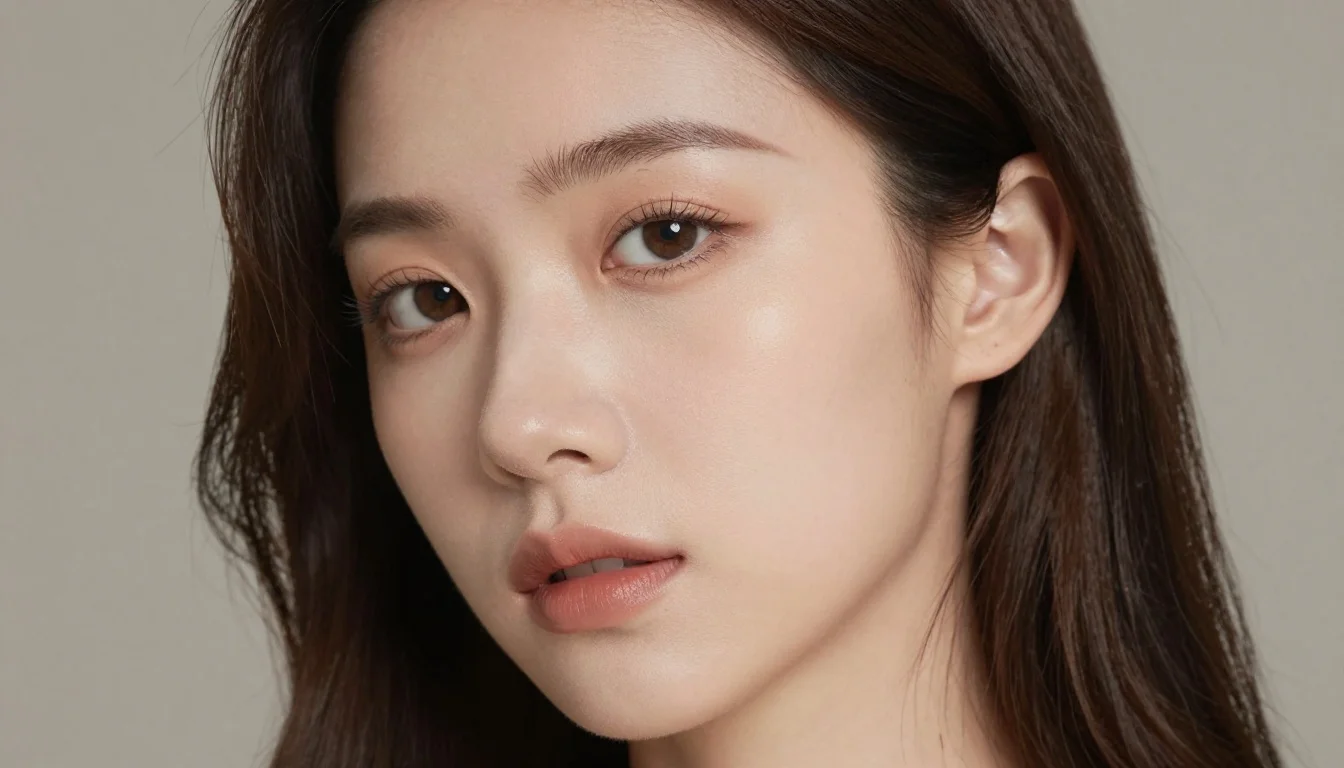
What highlights look best on pale skin?
Champagne, pearl, and soft golden highlights look best on most pale skin tones. For pale skin with cool pink undertones, ash and platinum highlights are also flattering. For pale skin with peachy undertones, warm honey and butter blonde work beautifully. The key is matching the warmth of your highlights to the undertone of your skin.
Your Best Highlight Shades
Champagne and Pearl Blonde
Champagne and pearl tones are the most universally flattering highlights for pale skin because they sit between warm and cool — warm enough to create luminosity, cool enough not to clash with pink undertones. These shades brighten pale skin and create dimension without the harshness of stark platinum or the warmth conflict of golden honey. They photograph beautifully against fair complexions.
Cool Ash and Platinum
For pale skin with cool pink or blue undertones, ash and platinum highlights are a natural match — the cool temperature of these shades harmonizes with the cool quality of the skin, creating a cohesive, ethereal look. These work especially well when placed as face-framing pieces or when the natural base is already light, where they create bright, luminous dimension without color clash.
Soft Golden Blonde
For pale skin with warm peachy or neutral undertones, soft golden highlights create the warm luminosity that makes fair complexions glow. The key is keeping the gold soft rather than intense — butter blonde and sandy blonde rather than vivid amber. These shades work beautifully on pale skin that tans slightly, where they enhance the warmth of the complexion rather than clashing with a pink base.
Dimensional Caramel on Light Base
Using slightly deeper warm tones as dimensional highlights on a pale base creates the contrast that purely light highlights lack. Light caramel and warm beige pieces among lighter strands give pale skin a sun-kissed depth that looks natural and prevents the washed-out effect of all-over light highlights. These are often more flattering than going all-the-way blonde.

Ready to see yourself in champagne blonde & pearl blonde?
Start my color analysisHow to Style and Maintain Highlights on Pale Skin
Undertone-matching toner
The most important step after highlighting pale skin is choosing the right toner. If your pale skin has pink undertones, opt for a neutral or slightly cool toner — pearl or champagne tones. If your pale skin is peachy or neutral, a soft golden toner will enhance the warmth. This single choice determines whether your highlights look natural or artificial.
Balayage vs. foiling for pale skin
Balayage techniques create soft, graduated highlights that blend naturally into pale skin. Foiling creates more precise, high-contrast highlights. For most pale complexions, a mixture of both — balayage for face-framing softness and foils for selective brightness — creates the best dimensional effect. If you want bright highlights without harsh lines, balayage alone is the better choice.
Purple shampoo use
If your highlights are in the cool blonde range, purple shampoo is appropriate for pale skin to prevent brassiness. Use it once or twice a week rather than at every wash — overuse can create a lavender tint on very light hair. For warm-toned highlights on peachy pale skin, skip the purple shampoo to preserve your warmth.
Maintenance frequency
Highlights on pale skin often have less visible regrowth than highlights on darker hair, but they can fade faster because there's less natural pigment contrast. Glosses every 6-8 weeks keep highlights vibrant and refresh the tone without full re-highlighting. This is more economical and keeps highlights looking salon-fresh between appointments.
Highlight Shades That Wash Out Pale Skin
Brassy or orange-yellow highlights
Brassy highlights create a harsh warm-cool conflict against pale skin with pink undertones, making skin look red or ruddy and highlights look like a bad dye job. Pale skin with pink undertones particularly struggles with intense yellow-orange warmth.
Very uniform, all-over platinum
When highlights are uniformly platinum with no dimension, pale skin can look washed out — there's no contrast or depth in the overall picture. Platinum works better as a technique with variation in shade and placement rather than as a flat, single-tone all-over treatment.
Stark red or vivid copper highlights
Vivid red or copper highlights on pale skin can create a high-contrast, unnatural-looking result — the warmth of the highlight against the coolness of fair complexions reads as jarring rather than flattering. Softer auburn-brown or strawberry tones integrate more naturally.
Very dark lowlights without warm highlights
Dark lowlights alone on pale skin can create a harsh contrast that makes complexion look stark. If using dark dimension, balance it with warm highlights to prevent the look from becoming too heavy against fair skin.
Stop guessing — preview every shade on you
See myself in my shadesHighlight Swaps for Pale Skin
Replacing highlight choices that wash out pale skin for ones that illuminate it.
Golden yellow highlights conflict with cool pink undertones in pale skin. Champagne sits in the warm-cool middle ground that works for most pale complexions.
Uniform platinum removes contrast against pale skin. Adding pearl or champagne dimension creates the depth that makes pale complexions look luminous.
Ash toner can read grey or muddy against pink-undertoned pale skin. A pearl tone is cool enough to prevent brassiness without turning grey.
Dark framing against pale skin can look stark. Light, bright face-framing creates a natural halo effect that lifts the complexion.
Daily purple shampoo over-tones very light hair, creating lavender casts. A gloss every few weeks is a more balanced approach for maintaining highlights on pale skin.
Very warm highlights in summer can conflict with pale skin's cool quality. Sandy and butter tones create a sun-kissed effect without the orange-warmth clash.
Which Color Season Fits Pale Skin?
Pale skin spans several seasonal palettes — the season depends on whether your complexion is cool or warm, the depth of your natural hair color, and your eye color.
Cool Summer
Learn morePale skin with soft pink or neutral-cool undertones and medium natural hair often sits in Cool Summer. Your best highlights are cool, muted tones — soft ash, dusty champagne, or cool beige blonde — rather than vivid or warm shades.
Light Summer
Learn moreVery fair, pink-toned skin with light natural hair often falls in Light Summer. Your highlights should be delicate and cool — platinum, pearl, or pale ash blonde — keeping everything light and harmonious rather than creating dramatic contrast.
Light Spring
Learn morePale skin with warm peach undertones and naturally light blonde or golden hair fits Light Spring. Your highlights should be warm and light — butter blonde, golden champagne, or soft honey. Warmth is your friend; cool highlights will look disconnected.
Find Your Perfect Highlight Match
The best highlights for pale skin depend on the specific undertone of your complexion — pink, peachy, neutral — as well as your natural hair color and how much contrast you want. A personalized color analysis identifies exactly where your pale skin sits and which highlight families will create the most natural, luminous result for your unique coloring.

Related Guides for Best Highlights for Pale Skin
Explore more personalized color advice based on your features.
Want to see these colors on you? What Colors Look Good on Me — free to try.
Frequently Asked Questions About Best Highlights for Pale Skin
What highlights look best on pale skin?
Champagne, pearl, and soft golden highlights look best on most pale skin tones. For pale skin with cool pink undertones, ash and platinum highlights are also flattering. For pale skin with peachy undertones, warm honey and butter blonde work beautifully. The key is matching the warmth of your highlights to the undertone of your skin.
Can pale skin have dark highlights?
Yes, but with care. Dark lowlights on pale skin create contrast and depth, but should be balanced with lighter highlights to prevent a harsh overall effect. All-dark without lighter pieces can make pale skin look washed out by contrast rather than luminous. A mix of dark and light dimension is more flattering than all-dark.
Do highlights wash out pale skin?
They can, if the highlights are too uniformly light without dimension or contrast. The fix is adding some variation — slightly deeper pieces alongside the brightest highlights — so the overall effect has movement and depth. Highlights that are all one tone and all very light can leave pale skin with no visual contrast.
Should pale skin use purple shampoo on highlights?
Depends on the tone. Cool blonde highlights on pale skin benefit from weekly purple shampoo to maintain the cool tone. Warm golden highlights on pale skin with peachy undertones should skip purple shampoo — it will neutralize the warmth that makes your complexion glow. Use purple shampoo selectively based on your highlight tone.
How do I make my highlights look natural on pale skin?
Natural-looking highlights on pale skin come from dimensional placement — varying placement and shade rather than uniform foiling — and the right toner. Ask your colorist for balayage or babylights rather than classic foils, and request a toner that matches your skin's undertone (cool pearl for pink undertones, warm honey for peachy undertones).