Minimalist Wardrobefor Deep Autumn
Build a minimal, intentional wardrobe from your Deep Autumn palette. Discover how to build looks with shades that actually flatter you.
You already know your palette. Deep Autumn means your best colors are rich, warm, and saturated — dark chocolates, burnt oranges, deep teals, and warm olive greens. A minimalist wardrobe built on these colors is more coherent than any neutral-only capsule, because your palette already functions as its own coordinating system. Everything works with everything, because it's all pulled from the same warm, deep harmony.


3,000+
happy clients
Why Deep Autumn Makes Minimalism Easy
You already know your palette. Deep Autumn means your best colors are rich, warm, and saturated — dark chocolates, burnt oranges, deep teals, and warm olive greens. A minimalist wardrobe built on these colors is more coherent than any neutral-only capsule, because your palette already functions as its own coordinating system. Everything works with everything, because it's all pulled from the same warm, deep harmony.
Deep Autumn is one of the most naturally capsule-ready palettes. Your colors are rich enough to read as intentional without effort — a deep teal sweater, dark chocolate trousers, and a cognac belt look curated automatically. The warmth threading through every shade creates effortless harmony. You don't need to plan outfits carefully because the palette does that work for you.
The other advantage: Deep Autumn colors are substantial. They have visual weight. That means fewer pieces create more impact. A wardrobe of twelve rich, warm pieces looks like a complete, considered wardrobe. The same twelve pieces in pale neutrals would look like a starting point. Your palette rewards minimalism in a way that lighter, softer seasons cannot.
The trap to avoid is over-relying on black. Black is not a Deep Autumn neutral — it cools and flattens your warm coloring. Your true neutrals are warm and earthy: deep brown, dark chocolate, warm charcoal, and forest green. Build your minimalist base on these and every piece you own will coordinate without effort.
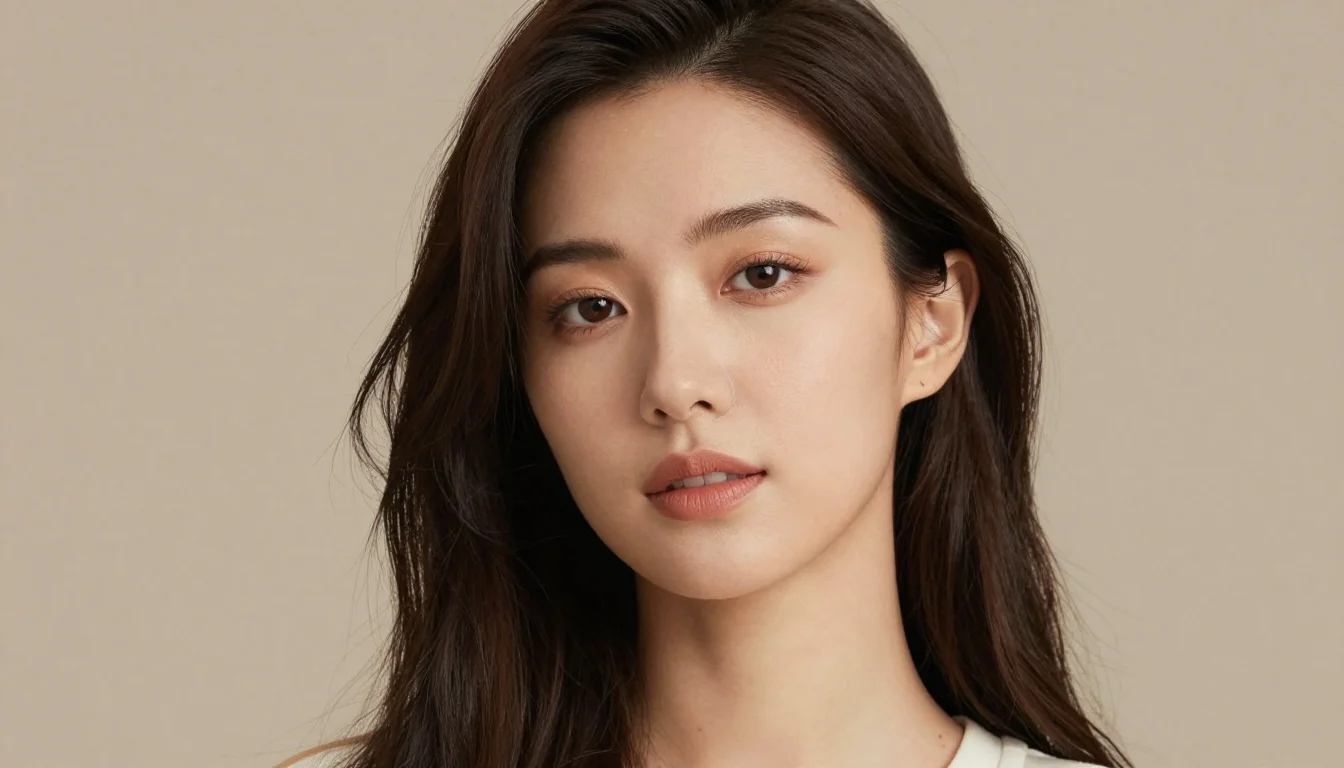
What are the core neutrals for a Deep Autumn minimalist wardrobe?
Dark chocolate brown, espresso, warm charcoal, and deep olive are the primary neutrals for Deep Autumn. These replace the black and grey that most minimalist guides recommend. At depth, forest green also functions as a neutral. All of these share the warm temperature that harmonizes with Deep Autumn coloring.
Your Minimalist Color Foundation
Deep Neutrals (Your Base)
These are the anchoring pieces in your minimalist wardrobe — the trousers, blazers, and coats that go with everything. Dark chocolate and espresso replace the black that most capsule guides recommend. They're equally versatile but work with Deep Autumn coloring instead of against it. Warm charcoal gives you a cooler neutral option without losing the warmth. Forest green functions as a neutral at this depth.
Rich Accent Colors
These are the statement pieces that make a minimalist wardrobe feel complete rather than sparse. A burnt orange cashmere knit, a deep teal structured blouse, a rust coat — these are the colors that make people ask 'where is that from?' because the color is doing so much work. In a Deep Autumn minimalist wardrobe, one rich accent piece per outfit is the entire formula.
Warm Mid-Tones (Transition Pieces)
These colors bridge your deep neutrals and rich accents. A caramel leather jacket works between dark chocolate trousers and a burnt orange top. Ochre and deep mustard function as lighter accents that still stay within the warm, golden quality of your season. These mid-tones prevent your wardrobe from feeling heavy in winter and give you warm-weather options that still feel authentically Deep Autumn.
Statement Darks
Deep Autumn can wear very dark colors with authority — your coloring has the depth to carry them. Dark forest green is particularly strong: it reads as a neutral at depth while remaining distinctly warm. Deep burgundy works as both a neutral and an accent depending on the context. These dark shades work beautifully as outerwear, blazers, and occasion pieces.

Ready to see chocolate brown & espresso on your face?
Start my color analysisBuilding Your Deep Autumn Minimalist Wardrobe
The 10-piece core
Start with ten pieces: two pairs of trousers (dark chocolate and warm charcoal), two knits (burnt orange and deep teal), two blouses (ivory and caramel), one blazer (dark olive or warm charcoal), one coat (rust or deep brown), one dress (warm burgundy), and one casual layer (forest green). These ten pieces create over thirty outfits. Every item shares the same warm, deep temperature, so everything coordinates without thought.
Fabric and texture
Deep Autumn colors look best in substantial fabrics: wool, cashmere, leather, suede, heavy cotton. The richness of your palette is matched by material weight and texture. A burnt orange in thin polyester loses the depth that makes it powerful. The same color in boiled wool or cashmere looks intentional and expensive. Minimalism works best when each piece is high quality — fewer, better items.
The one-rich-color rule
In a minimalist Deep Autumn wardrobe, the simplest formula is one rich color + one or two deep neutrals. Burnt orange top with dark chocolate trousers. Deep teal blouse with warm charcoal trousers. Rust coat over cream and espresso. The rich color does the work; the neutrals frame it. You never need more than this because each piece is already high-impact.
Seasonal rotation
Your palette doesn't change seasonally, which makes it ideal for a true minimalist wardrobe. Swap fabric weights rather than colors. Summer: caramel linen trousers, rust cotton top, olive blazer. Winter: the same palette in cashmere, wool, and suede. The colors stay constant; the textures shift. This is genuine minimalism — one palette, year-round.
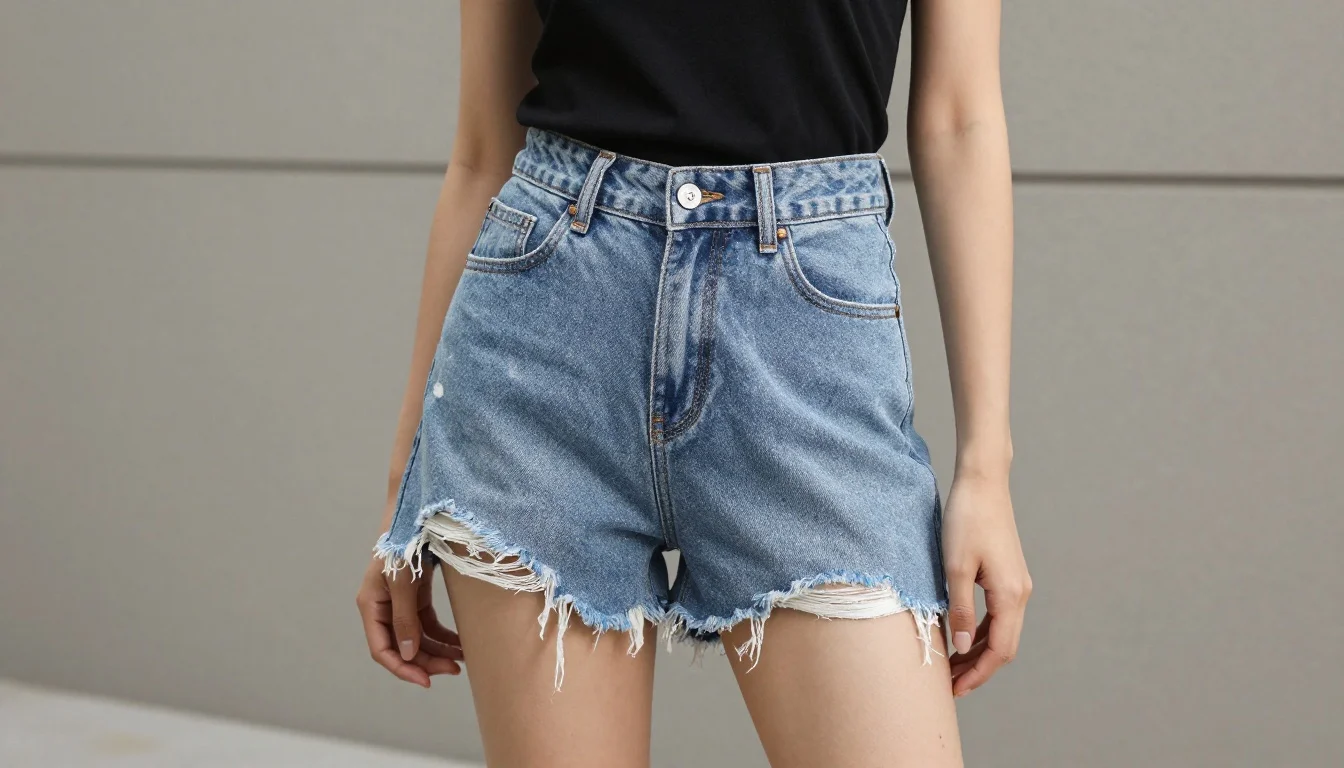
Colors That Dilute a Deep Autumn Minimalist Wardrobe
True black
Black is the most common minimalist wardrobe recommendation and the most damaging one for Deep Autumn. It cools your warm coloring, creating a disconnect between your natural palette and your clothes. Dark chocolate, espresso, and warm charcoal do everything black does while actually harmonizing with your coloring.
Bright white and stark white
Stark white sits outside your palette's temperature range. It creates a cool, harsh contrast that fights your warm coloring. For light tones, choose warm ivory, cream, or warm off-white — these read as 'white' in the context of an outfit but stay within Deep Autumn's warm range.
Cool pastels and powder shades
Pastel blue, lavender, powder pink, and mint are cool and light — the opposite of Deep Autumn's warm, rich depth. In a minimalist wardrobe, every piece should earn its place by working well on you. These colors don't.
Bright cool primaries
Cobalt blue, cool red, and clear yellow are too bright and too cool for Deep Autumn's palette. They create a jarring disconnect rather than harmonizing with your other pieces. If you want blue, choose deep teal or warm navy. If you want red, choose rust or warm burgundy.
Stop guessing — preview every look on you
See these looks on my photoSwaps That Make Your Capsule More Deep Autumn
Trading generic minimalist choices for ones that actually flatter your season.
Black fights Deep Autumn warmth. Dark chocolate does the same work while harmonizing with your whole palette.
Grey is neutral but tepid on Deep Autumn. A rich palette color makes the same single piece look complete and intentional.
Stark white cools your warm coloring. Warm ivory reads as white in context but stays within your palette's temperature.
Cool navy and black sit outside your warmth. Warm charcoal gives you the same versatility while staying in your palette.
Standard camel is slightly too cool and light for Deep Autumn. Rust and cognac are the same warmth at the right depth.
Cool, bright primaries are outside your palette. Deep teal and warm burgundy deliver the same color confidence in your actual season.
You're a Deep Autumn. Here's How That Shapes Everything.
Deep Autumn is the richest and most saturated autumn sub-season. Your palette has the warmth of autumn with added depth and intensity. If you're building a minimalist wardrobe and you already know you're Deep Autumn, the color choices above are your starting point. The related seasons below show you where you sit in the broader color analysis picture.
Deep Autumn
Learn moreYour season. Rich, warm, and saturated. You carry natural depth in your coloring — dark hair, deep eyes, warm or olive skin. Your palette rewards richness and weight. Minimalism works beautifully here because each piece you own is already doing significant color work.
Warm Autumn
Learn moreThe warmest autumn sub-season, with more orange and golden emphasis. If you sometimes find Deep Autumn colors slightly heavy, Warm Autumn softens them while maintaining the warmth. The minimalist wardrobe structure is similar, with lighter accent choices.
Deep Winter
Learn moreThe shared 'deep' quality makes these seasons neighbors. If you find Deep Autumn colors warm enough but want slightly more dramatic contrast, Deep Winter adds more intensity. The minimalist wardrobe shifts from earthy warmth toward jewel-dark depth.
Your Palette Makes Minimalism Work
A minimalist wardrobe for Deep Autumn isn't about owning fewer colors — it's about owning the right ones. When every piece in your wardrobe lives within your warm, rich, deep palette, getting dressed becomes automatic. Everything coordinates. Every combination looks intentional. The work isn't in the daily outfit decision — it's in the one-time curation of the right colors. If you're not certain which Deep Autumn shades are most flattering for your specific coloring, a personal color analysis identifies the exact range within your season that works best for you.
Stop guessing — preview every color on you
Preview Yourself In Your Palette
Get my personalized paletteStop guessing — preview every color on you
Preview Yourself In Your Palette

Related Guides for Minimalist Wardrobe for Deep Autumn
Explore more personalized color advice based on your features.
Want to see these colors on you? What Colors Look Good on Me — free to try.
Frequently Asked Questions About Minimalist Wardrobe for Deep Autumn
What are the core neutrals for a Deep Autumn minimalist wardrobe?
Dark chocolate brown, espresso, warm charcoal, and deep olive are the primary neutrals for Deep Autumn. These replace the black and grey that most minimalist guides recommend. At depth, forest green also functions as a neutral. All of these share the warm temperature that harmonizes with Deep Autumn coloring.
How many pieces does a Deep Autumn minimalist wardrobe need?
Ten to fifteen well-chosen pieces create a fully functional Deep Autumn minimalist wardrobe. The palette's coherence does the coordination work — because everything shares the same warm, deep quality, you don't need many pieces to create many outfits. Start with ten and add intentionally.
Can Deep Autumn wear black in a minimalist wardrobe?
Black sits outside the Deep Autumn palette and is best avoided in a minimalist wardrobe, where every piece needs to work on you. Dark chocolate, espresso, and warm charcoal are equally versatile and actually coordinate with your warm coloring. If you already own significant black pieces, warm chocolate accessories can bridge the gap.
What accent colors work in a Deep Autumn capsule?
Burnt orange, deep teal, rust, warm burgundy, and ochre are the strongest accent colors for a Deep Autumn minimalist wardrobe. They're rich enough to make a single piece look complete and warm enough to coordinate with your deep neutral base without effort.
Does a Deep Autumn minimalist wardrobe work year-round?
Yes. Deep Autumn's palette doesn't change seasonally — the colors remain the same while the fabrics shift. Summer uses the same burnt orange, teal, and chocolate in cotton and linen. Winter moves to cashmere, wool, and suede. This seasonal-fabric approach is ideal for genuine minimalism.