Color Analysis forWhite People
Pinpoint undertones across fair, porcelain, and olive complexions so your palette feels intentional instead of generic.
Get Your Color AnalysisFind your colors. Try on your next look.



3,000+ color analyses completed
At a glance
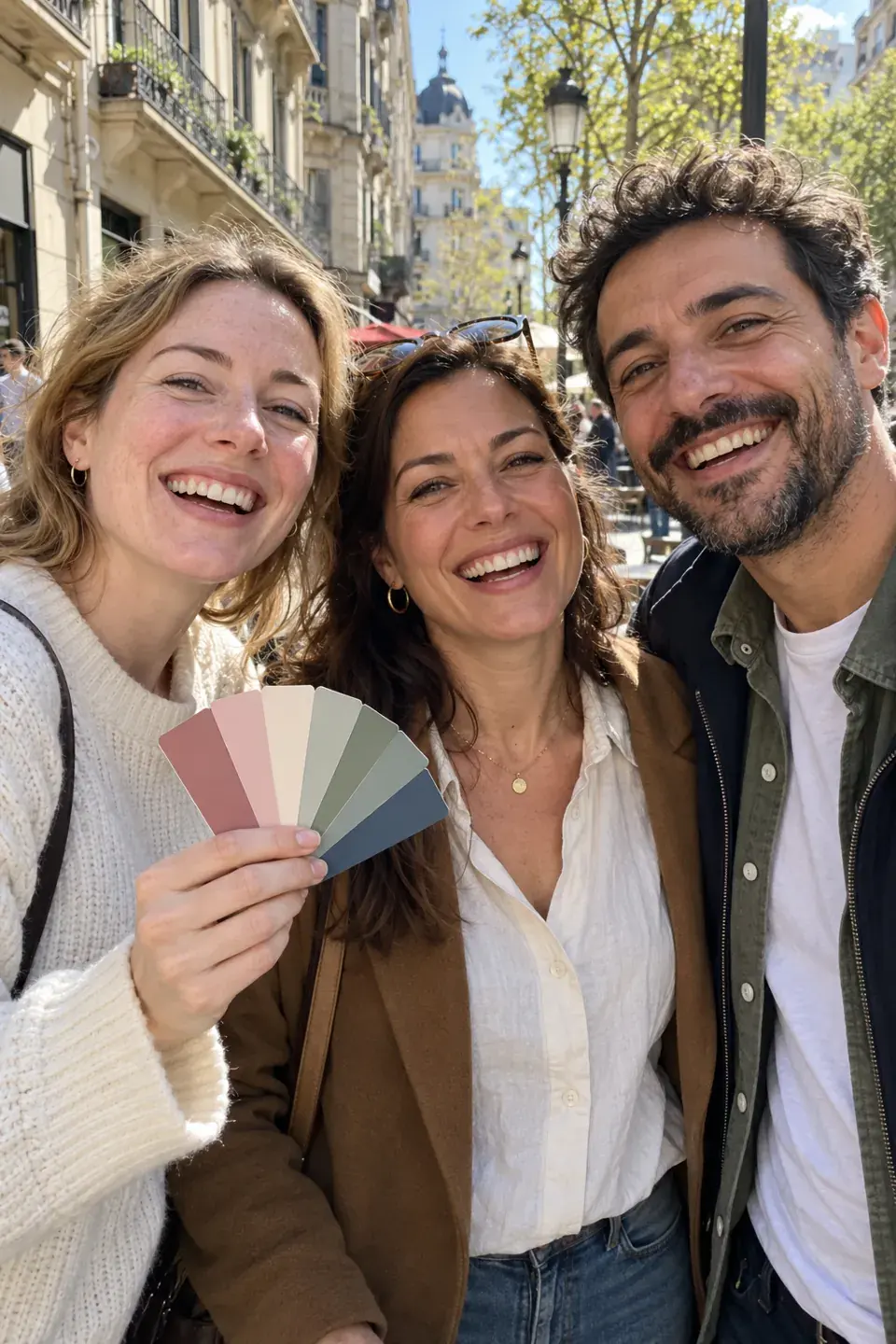
Our color analysis for White clients celebrates the full spectrum of light skin tones—from alabaster to olive beiges—and maps them to vibrant seasonal palettes that help skin look radiant rather than washed out.
- 1Spot the difference between cool rosy undertones and olive beige skin that needs softer contrast.
- 2Balance freckles, redness, and sun exposure with palettes that refine texture instead of amplifying it.
- 3Use contrast mapping so light eyes pop without overwhelming delicate features.
Guided Color Playbook
Expert Guidelines for White People
Use these undertone markers and wardrobe tips to dial in palettes that bring luminosity to lighter complexions.
- 1
Undertone Checkpoints
Look beyond surface redness—test the jawline, ear, and neck to catch olive or neutral undertones hiding under pink cheeks.
- If veins appear blue-violet and skin burns before tanning, start with a Summer or Winter palette test.
- Olive or peachy beige undertones show up when gold jewelry looks soft rather than brassy; explore Soft Autumn or Spring variants.
- Freckles and high redness often benefit from muted palettes that de-emphasize contrast—try Soft Summer or Soft Autumn first.
- 2
Palette Direction
Match chroma and contrast to eye depth, hair level, and brow definition.
- Ash blonde and icy eyes thrive in cool, high-clarity palettes like True Summer or True Winter.
- Golden blondes or strawberry tones often glow in Light Spring palettes with buttercream, coral, and mint.
- Medium ash brunettes gain polish with Soft Summer palettes that lean into dusty mauves, slate, and misty teal.
- 3
Wardrobe Strategy
Reduce visual noise while keeping outfits dimensional.
- Anchor outfits with soft neutrals (stone, mushroom, vanilla) and add two accent colors max.
- Swap stark black for espresso, deep navy, or softened charcoal to keep features from disappearing.
- Use texture—knits, boucle, brushed finishes—to create depth when palettes stay light or muted.
Get Your Palette in Under 3 Minutes
Receive a personalized color report tailored to white people undertones—complete with wardrobe, makeup, and accessory recommendations.
Start My Color AnalysisHow Each Season Looks on White People
The same season expresses differently across skin tones. Here's how each seasonal family typically manifests.

Spring
Fair skin with golden or peachy warmth, strawberry or honey hair, and bright eyes. Light Spring and True Spring are the most common Spring sub-seasons for lighter complexions.

Summer
Cool pink or neutral undertones with ash-toned hair and soft eyes. True Summer and Soft Summer dominate, especially for those who burn easily and have muted coloring.

Autumn
Warm ivory to medium beige skin with golden, auburn, or chestnut hair. Soft Autumn is prevalent among those with olive-neutral undertones hiding under surface pinkness.

Winter
High-contrast features — very dark hair against porcelain or cool beige skin. True Winter and Deep Winter suit those with striking eye-to-skin contrast.
Common Misconceptions
Clearing up myths about color analysis for white people.
Fair skin automatically means Summer — many fair-skinned people are actually Springs or Winters depending on undertone warmth and contrast level.
All blondes are Springs — ash blondes are often Summers, while platinum blondes can be Winters. Hair color alone does not determine season.
Black clothing suits everyone — for many light complexions, especially Soft Summers and Light Springs, black can drain color from the face and deepen under-eye shadows.
Celebrity Color Examples
See how seasonal color analysis plays out on well-known faces.
More Communities
Explore Additional Undertone Guides
Keep researching palettes for friends, family, or clients with these curated walkthroughs.
Color Analysis for White People: Common Questions
Answers to the questions people most often ask about undertones and palettes for white people.
How do I find my undertone if I have fair skin?
Test areas protected from the sun, such as the inner wrist or jawline, in natural daylight. Blue-violet veins and skin that burns before tanning point toward a cool undertone, while a soft golden or peachy cast that pairs well with gold jewelry suggests warmth. Many fair complexions also carry a neutral or olive undertone hiding beneath surface pinkness.
Are all fair-skinned people Summers?
No. Fair skin can belong to any of the four seasonal families. Undertone warmth and the level of contrast between hair, eyes, and skin matter far more than depth, so fair-skinned people are frequently Springs or Winters rather than Summers.
What colors suit blonde hair?
It depends on the type of blonde and your undertone, not the hair color alone. Ash blondes with cool eyes often suit cool, high-clarity palettes like True Summer or True Winter, while golden and strawberry blondes tend to glow in warmer Light Spring shades such as buttercream, coral, and mint.
Why does black clothing wash me out?
For many lighter complexions, especially Soft Summers and Light Springs, pure black is too heavy and can drain color from the face while deepening under-eye shadows. Softer dark neutrals like espresso, deep navy, or charcoal usually keep features looking defined and rested.
Loading...