True Spring Hair Color: Best Shades, Dyes & Styling Ideas

Discover the most flattering hair colors for True Spring coloring—from warm golden blondes to rich coppers and chocolate browns that make your natural warmth radiate.
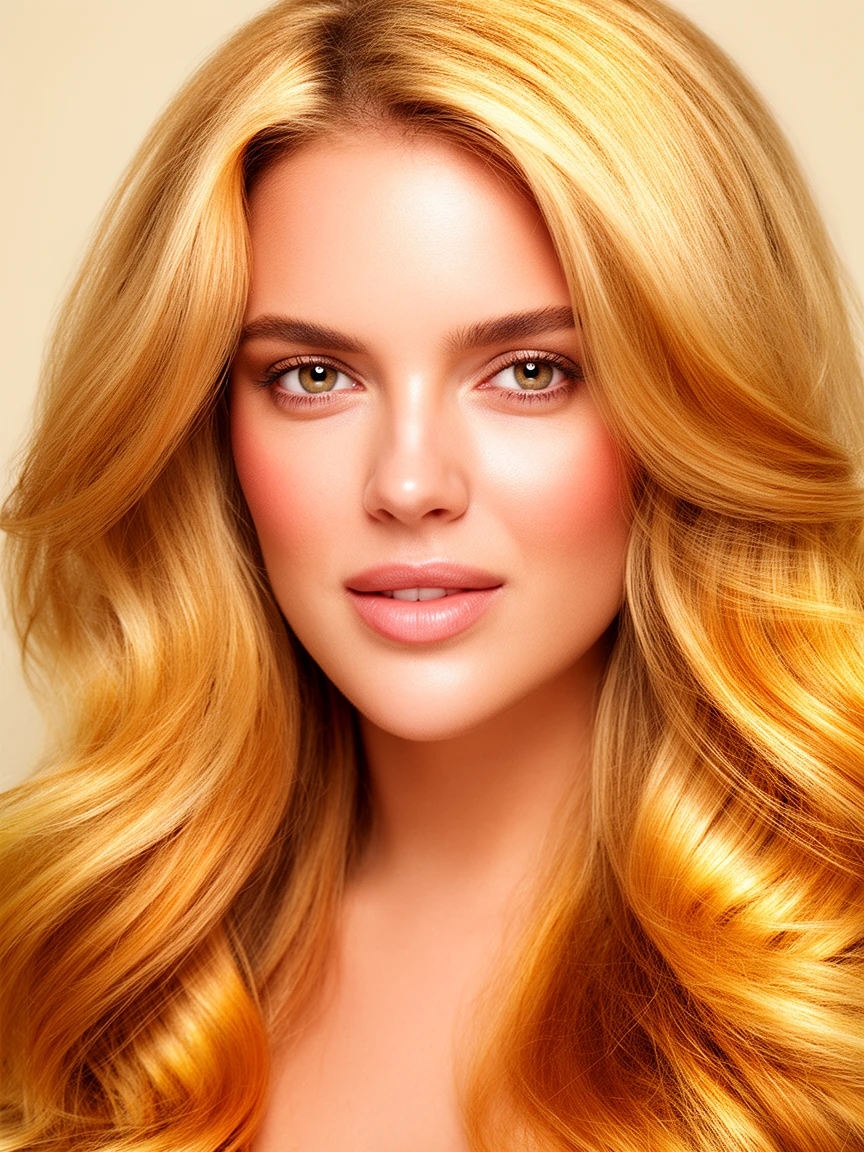
If you're a True Spring, you have warm, peachy skin with golden undertones, bright clear eyes (often green, warm blue, or light brown), and hair that naturally leans warm. Your coloring is characterized by warmth, clarity, and medium intensity. The right hair color can enhance your natural glow, brighten your complexion, and make your eyes pop—while the wrong shades can wash you out or make you appear dull.
This comprehensive guide focuses exclusively on hair color for True Spring. For a complete overview of your seasonal colors including wardrobe and makeup, check out our True Spring Color Palette Guide.
TRUE SPRING HAIR COLOR PALETTE
Flattering hair shades that enhance warm, clear undertones
GOLDEN BLONDES
WARM BROWNS
COPPER & RED TONES
AVOID THESE
Best Natural-Looking Hair Colors for True Spring
These shades look like you were born with them—warm, clear, and perfectly harmonious with your True Spring coloring:
Level 7-8 Golden Blonde
Shade names: "7G Golden Blonde", "8N Natural Blonde with Gold", "Honey Blonde"
A warm, medium blonde with visible golden tones. Not too light (which can look brassy) but bright enough to enhance your warmth. This is the quintessential True Spring blonde.
Level 6 Warm Golden Brown
Shade names: "6WG Warm Golden Brown", "Light Golden Brown", "Caramel Brown"
A rich, warm brown with golden undertones. This shade adds depth without being too dark, and the warmth keeps your complexion glowing.
Level 5-6 Chestnut Brown
Shade names: "5WR Warm Red Brown", "Chestnut", "Auburn Brown"
A warm brown with subtle red undertones. This shade is deeper than golden brown but still maintains warmth—perfect if you want richness without going too dark.
Level 7-8 Strawberry Blonde
Shade names: "8RG Strawberry Blonde", "Rose Gold Blonde", "Peachy Blonde"
A blonde with warm peachy-pink tones. This unique shade is incredibly flattering on True Springs with peachy skin and adds a soft, romantic warmth.
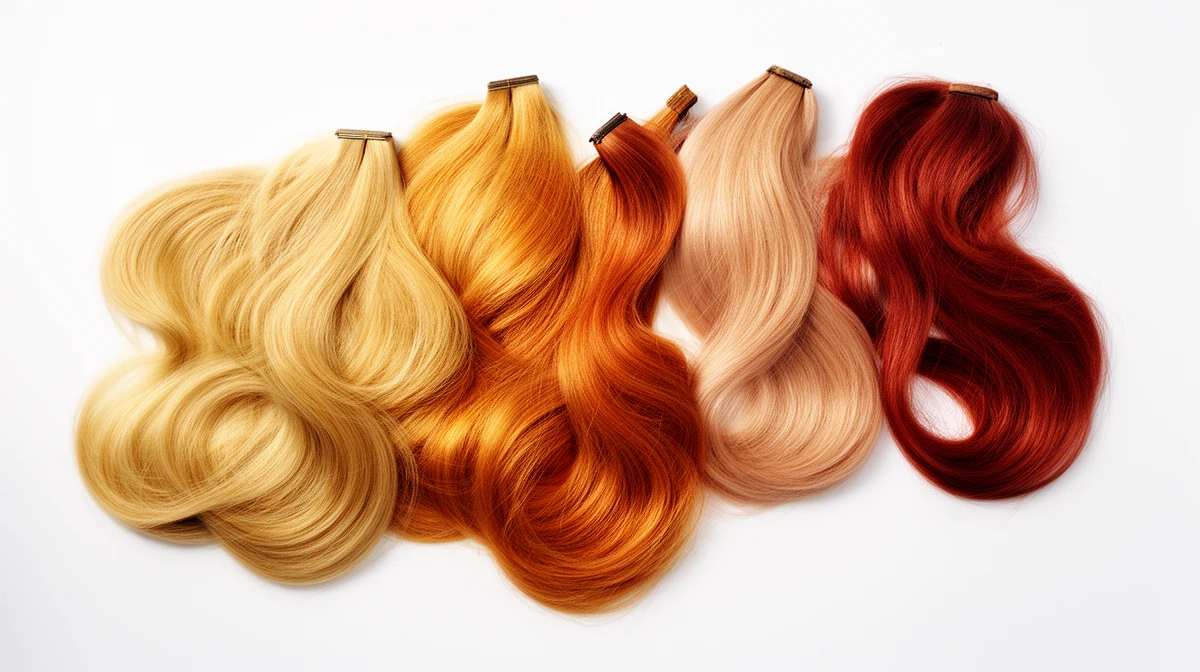
Best Blonde Shades for True Spring
True Spring can absolutely rock blonde—but it needs to be the right kind of blonde. The key is warmth and clarity.
Warm Blondes vs Cool Blondes
✓ DO: Warm Blondes
- Honey Blonde (Level 7-8) – Golden, warm, like natural honey
- Golden Blonde (Level 8-9) – Bright, sunny, with clear golden tones
- Caramel Blonde (Level 6-7) – Deeper, richer, warm and sweet
- Butter Blonde (Level 9) – Soft, warm, creamy yellow undertones
- Strawberry Blonde (Level 7-8) – Peachy-pink warmth, unique and flattering
✗ AVOID: Cool Blondes
- Ash Blonde – Too cool, muddy, will dull your glow
- Platinum – Icy, stark, clashes with warm skin
- Beige Blonde – Neutral-cool, lacks warmth
- Sandy Ash – Cool-neutral, not vibrant enough
- Mushroom Blonde – Too muted and cool
Highlight Placement Tips
If you're going blonde via highlights rather than all-over color, placement is key:
- •Face-framing highlights – Brighten around the face for a sun-kissed glow
- •Full balayage – Hand-painted highlights throughout for natural dimension
- •Money piece – Bold, chunky highlights framing the face (very flattering on True Spring)
- •Babylights – Fine, delicate highlights mimicking natural sun lightening
Can True Spring Pull Off Platinum?
Short answer: Not recommended. Platinum blonde is icy, cool-toned, and high-maintenance. It clashes with True Spring's warm undertones and can make your skin look sallow or tired. Stick to warm, golden blondes that enhance your natural glow. If you want to go very light, butter blonde (level 9 with warm undertones) is your best bet—not platinum.
Best Brunette Shades for True Spring
Brunette True Springs shine in warm, golden-toned browns. The key is to avoid anything too dark or cool, which can overwhelm your natural brightness.
Light to Dark Options
Light Golden Brown (Level 6-7)
Best for: True Springs who want a natural, not-too-dark look
Dye recommendations: Look for "6G", "7WG", "Light Golden Brown", "Caramel Brown"
This is the most universally flattering brown for True Spring. It's warm, bright, and not too heavy. Gorgeous for everyday wear.
Warm Chocolate Brown (Level 5)
Best for: True Springs who want depth and richness
Dye recommendations: "5WB Warm Brown", "Milk Chocolate", "Warm Chestnut"
A medium-dark brown with warm, golden undertones. Deeper than golden brown but still maintains warmth. Great for adding drama without going too dark.
Chestnut Brown (Level 5-6)
Best for: True Springs who want a hint of red
Dye recommendations: "5WR", "6RB", "Chestnut", "Auburn Brown"
A warm brown with subtle red undertones. This shade adds dimension and warmth without being overtly "red." Perfect for those who want richness with a touch of spice.
Toffee Brown (Level 6)
Best for: True Springs who want a sweet, warm medium brown
Dye recommendations: "6WG", "Toffee", "Caramel Brown"
A warm, golden-brown with caramel tones. This shade is sweet, flattering, and perfect for a natural "sun-warmed" look.
Warm vs Cool Browns
✓ Warm Browns for True Spring: Golden brown, caramel, toffee, warm chocolate, chestnut, cinnamon
✗ Cool Browns to Avoid: Ash brown, cool chocolate, espresso, mushroom brown, mocha (unless it has warmth)
If you're unsure, look at the shade name or number. Warm browns have "W", "G" (gold), or "R" (red) in the code. Cool browns have "A" (ash), "N" (neutral), or "C" (cool).
Balayage and Dimension Ideas
If you want dimension, here are flattering balayage ideas for brunette True Springs:
- •Golden honey highlights on warm brown base – Classic, sun-kissed dimension
- •Caramel ribbons on chestnut base – Rich, warm, multi-dimensional
- •Copper lowlights on golden brown base – Adds depth with warmth
- •Toffee face-framing on chocolate base – Brightens the face without going too light
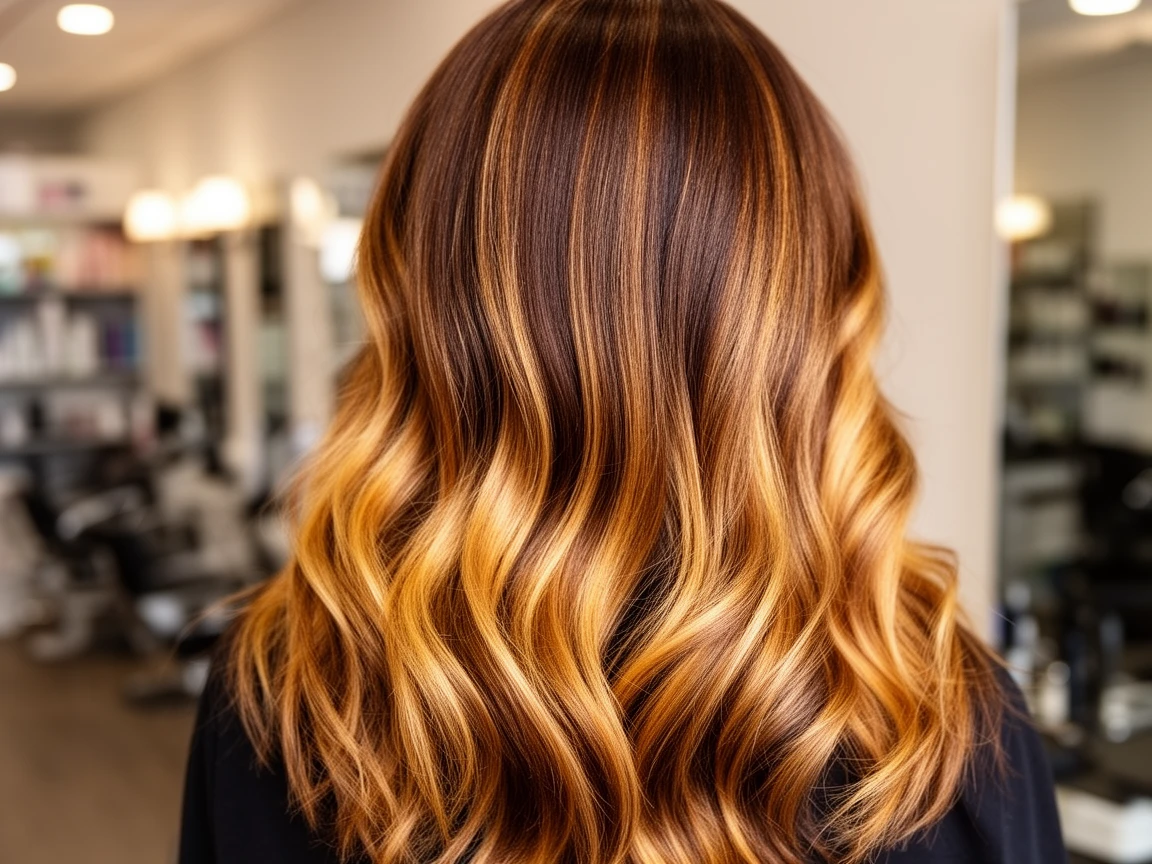
Best Red & Auburn Shades for True Spring
True Spring can absolutely wear red hair—in fact, warm reds and coppers are some of the most stunning choices for this season. The key is to choose warm, clear reds (not cool burgundies or violet-reds).
For comprehensive guides on specific red shades, see our Copper Hair Color Guide and Auburn Hair Color Guide.
Light Copper (Level 7-8)
Shade names: "7RC Light Copper", "Light Auburn", "Copper Blonde"
A bright, warm copper with golden undertones. This is a lighter, more delicate red—perfect if you want warmth without too much intensity. Incredibly flattering on True Spring.
True Copper (Level 6-7)
Shade names: "6RC Copper", "7RG Golden Copper", "Copper Penny"
A vibrant, warm orange-red with golden tones. This is the quintessential "copper" shade—bold, warm, and stunning on True Spring. Makes peachy skin glow.
Auburn (Level 5-6)
Shade names: "5WR Auburn", "6RB Warm Auburn", "Chestnut Red"
A warm reddish-brown with clear warmth. Auburn is deeper than copper but still maintains vibrant warmth. Great if you want red with more depth.
Ginger (Level 7)
Shade names: "7RG Ginger", "Strawberry Copper", "Light Auburn"
A warm, peachy-orange red. Ginger is lighter and more golden than true copper. It's playful, warm, and very flattering on True Spring's peachy skin.
Strawberry Red (Level 7-8)
Shade names: "7RR Strawberry", "8RG Rose Gold Red"
A soft, peachy-pink red. This is a romantic, warm red that leans pink-peach rather than orange. Gorgeous on True Springs with peachy skin.
Bronze (Level 6)
Shade names: "6RG Bronze", "Warm Bronze Brown"
A warm brown with reddish-golden tones. Bronze is less "red" and more "warm rich brown with a hint of copper." Subtle and sophisticated.
Which Reds Work, Which Clash
✓ DO: Warm Reds
- Light copper
- True copper
- Auburn
- Ginger
- Strawberry red
- Bronze
These are all warm-toned reds with golden, peachy, or orange undertones. They enhance True Spring's warmth.
✗ AVOID: Cool Reds
- Burgundy (too cool)
- Wine red (too cool, too deep)
- Violet-red (purple undertones clash)
- Cherry red (can be too cool)
- Mahogany (too cool and dark)
- Plum (cool, muted)
These reds have cool, blue, or purple undertones that clash with True Spring's warm coloring.
True Spring Balayage & Highlights Guide
Balayage and highlights are a fantastic way to add dimension, warmth, and sun-kissed vibrancy to your hair. Here's how to get it right for True Spring.
Best Highlight Colors
On Blonde Base
- • Butter blonde highlights on honey blonde base
- • Golden blonde highlights on caramel blonde base
- • Champagne highlights on strawberry blonde base
On Brown Base
- • Golden honey highlights on warm brown base
- • Caramel ribbons on chocolate base
- • Copper lowlights on chestnut base
On Red/Copper Base
- • Golden blonde highlights on copper base
- • Strawberry highlights on auburn base
- • Bronze lowlights on ginger base
Multi-Tonal Ideas
- • Honey + caramel + golden blonde (3-tone blonde)
- • Copper + auburn + golden brown (warm rich dimension)
- • Toffee + caramel + warm chocolate (brunette depth)
Placement: Face-Framing, Money Piece, Full
Face-Framing Highlights
What it is: Highlights concentrated around the face, framing your features
Best for: Brightening your complexion, drawing attention to your eyes and cheekbones
True Spring rec: Golden honey or caramel highlights around the face on a warm brown base
Money Piece
What it is: Bold, chunky highlights framing the face (usually 1-2 inches wide on each side)
Best for: Making a statement, adding major brightness
True Spring rec: Butter blonde money piece on golden brown base, or golden blonde on copper base
Full Balayage
What it is: Hand-painted highlights throughout the hair for all-over dimension
Best for: Natural, sun-kissed look with maximum dimension
True Spring rec: Golden honey + caramel balayage on warm brown base, or multi-tonal blonde balayage
Balayage vs Traditional Highlights
Balayage
Hand-painted highlights for a natural, lived-in look
Pros:
- • More natural, sun-kissed effect
- • Grows out gracefully (low maintenance)
- • Customizable placement
Cons:
- • Can be more expensive
- • Requires skilled colorist
Traditional Foil Highlights
Uniform highlights using foils for even lightening
Pros:
- • More uniform, predictable result
- • Can go lighter faster
- • Great for all-over blonde
Cons:
- • Can look more "done" (less natural)
- • Grows out with visible lines
For True Spring: Balayage is often the best choice for a natural, warm, sun-kissed look. If you want very light blonde, traditional highlights may be more effective.
Hair Colors True Spring Should Avoid
Just as important as knowing what works is understanding what doesn't. These shades clash with True Spring's warm, clear coloring and can make you look washed out, tired, or sallow.
Ash Blonde
Why it's bad: Cool, grayish tones dull your natural warmth and make you look tired or washed out. Ash blonde is the opposite of what True Spring needs.
Cool Brown / Espresso
Why it's bad: Cool-toned browns (with no golden warmth) clash with your peachy skin. Espresso and cool chocolate are too dark and cool for True Spring.
Blue-Black
Why it's bad: Jet black with blue undertones is way too dark and cool for True Spring. It creates harsh contrast and overwhelms your natural brightness.
Platinum / Icy Blonde
Why it's bad: Platinum is stark, icy, and cool-toned. It clashes with your warm skin and can make you look pale or sickly. Stick to warm blondes.
Burgundy / Wine Red
Why it's bad: These are cool-toned reds with blue or purple undertones. They clash with True Spring's warm coloring. Stick to warm coppers and auburns.
Violet-Red / Plum
Why it's bad: Purple or violet undertones in red hair clash with True Spring's golden undertones. These shades are too cool and muted.
Common Mistakes True Springs Make
- ✗Going too dark – True Spring is a bright, warm season. Very dark hair (level 3 or darker) overwhelms your natural brightness.
- ✗Trying to "tone down" warmth – Some True Springs try ash tones to look "cooler" or "more sophisticated." This backfires—embrace your warmth!
- ✗Using the wrong toner – If you go blonde, use a golden or honey toner, NOT purple or silver toner (which adds cool ash tones).
- ✗Copying cool-season hair trends – Mushroom brown, ash blonde, platinum, and icy highlights are trendy but not for you. Stick to warm tones.
At-Home vs Salon: Dyeing Tips for True Spring
Whether you're dyeing at home or going to a salon, here's how to get the best True Spring hair color results.
Box Dye Recommendations (At-Home)
If you're dyeing at home, here are the best box dye brands and shade numbers for True Spring:
For Warm Blondes:
- • L'Oréal Paris Superior Preference: 8G "Golden Blonde", 7G "Dark Golden Blonde"
- • Clairol Natural Instincts: 8G "Toasted Almond", 7G "Caramel Crème"
- • Garnier Nutrisse: 80 "Medium Natural Blonde", 73 "Honey Blonde"
- • Revlon ColorSilk: 74 "Medium Blonde", 60 "Dark Blonde"
For Warm Browns:
- • L'Oréal Paris Superior Preference: 6WG "Light Warm Golden Brown", 5WG "Medium Warm Golden Brown"
- • Clairol Nice'n Easy: 6W "Light Caramel Brown", 5W "Medium Warm Brown"
- • Garnier Nutrisse: 60 "Light Natural Brown", 51 "Cool Tea"
- • Revlon ColorSilk: 51 "Light Brown", 43 "Medium Golden Brown"
For Copper/Auburn:
- • L'Oréal Paris Superior Preference: 7RC "Copper Blonde", 6RC "Light Auburn"
- • Clairol Natural Instincts: 6RC "Light Auburn", 5RC "Medium Auburn"
- • Garnier Nutrisse: 64 "Spiced Honey", 74 "Lightest Intense Copper"
- • Revlon ColorSilk: 54 "Light Golden Brown", 55 "Light Reddish Brown"
Pro tip: Look for shade numbers with "G" (gold), "W" (warm), or "R" (red). Avoid "A" (ash), "N" (neutral), or "C" (cool).
When to Go to a Professional
Go to a salon if you want to:
- •Go significantly lighter (more than 2 shades) – Requires bleaching, which is best done professionally to avoid damage
- •Get balayage or highlights – Hand-painting requires skill and artistry
- •Correct a color mistake – Stripping or color correction is tricky and risky at home
- •Achieve multi-dimensional color – Multiple shades woven together is a pro job
- •Transition from dark to light – Gradual lightening over multiple sessions prevents damage
DIY at home if you're: Refreshing existing color, going darker, touching up roots on a single-process color, or doing all-over color 1-2 shades lighter or darker.
Developer Volume Guide
If you're mixing dye at home or asking your stylist about developer volume, here's what each does:
Deposit only, no lift
Use for toning, refreshing color, or going darker. Minimal damage.
1-2 levels of lift
Most common for at-home color. Can lighten slightly and deposit color. Standard for True Spring hair dyeing.
2-3 levels of lift
More lightening power. Use cautiously at home—can cause damage if misused. Best for professionals.
Maximum lift (3-4 levels)
Professional use only. High risk of damage. Used for major lightening or bleaching.
What to Tell Your Stylist
Bring reference photos and use this script to communicate clearly with your colorist:
"I have True Spring coloring, which means I have warm, peachy skin with golden undertones. I want a [blonde/brunette/copper] shade that's warm and clear, not cool or ashy."
"I'm looking for [specific shade: golden honey blonde / warm golden brown / true copper]. I want it to look sun-kissed and natural, not flat or one-dimensional."
"Please avoid ash tones, cool browns, or platinum—those wash me out. I need warmth and brightness."
"If we're doing highlights, I want [golden honey / caramel / copper] tones with [face-framing placement / full balayage / money piece]."
Bring photos: Show your stylist pictures of True Spring celebrities (Amy Adams, Emma Stone, Scarlett Johansson) and say "I want this warmth and tone."
Maintaining True Spring Hair Color
Once you've achieved your perfect True Spring hair color, proper maintenance is crucial to keep it vibrant, warm, and healthy.
Color-Safe Shampoo Recommendations
For Warm Blondes
- • Use golden toning shampoo (NOT purple) to maintain warmth
- • Pureology Gold Shampoo – Neutralizes brassiness while keeping warmth
- • Redken Color Extend Blondage – For golden/warm blondes
- • Avoid purple shampoo – It adds cool ash tones
For Warm Browns
- • Pureology Strength Cure – Color-safe, sulfate-free
- • Redken Color Extend Magnetics – Locks in color
- • Moroccanoil Color Care – Preserves warmth and shine
For Copper/Auburn
- • Joico Color Infuse Copper – Deposits copper tones
- • Overtone Ginger for Brown Hair – Maintains red warmth
- • Redken Color Extend Sun – For warm reds and coppers
General Rules
- • Always use sulfate-free shampoo (sulfates strip color)
- • Wash hair 2-3x/week max (overwashing fades color faster)
- • Use lukewarm or cool water (hot water opens cuticle and releases color)
How Often to Touch Up
All-Over Color (Single Process)
Touch up roots every 4-6 weeks. If going darker, you can stretch to 6-8 weeks.
Highlights / Balayage
Refresh every 8-12 weeks. Balayage grows out more gracefully than traditional highlights.
Copper / Red Hair
Refresh every 4-5 weeks. Red fades fastest, so more frequent touch-ups are needed. Use color-depositing shampoo between sessions.
Blonde (Lightened)
Tone every 4-6 weeks to prevent brassiness. Full root touch-up every 6-8 weeks.
Preventing Brassiness or Dullness
For Blondes: Preventing Brassiness
"Brassiness" is when blonde hair turns overly yellow-orange. To prevent it:
- • Use a golden (NOT purple) toning shampoo weekly
- • Avoid chlorine (wear a swim cap in pools)
- • Use a UV-protectant spray (sun fades color)
- • Get a golden toner gloss every 6-8 weeks at the salon
IMPORTANT: Purple shampoo is for cool-toned blondes. As a True Spring, use golden or honey toning shampoo to maintain warmth.
For Brunettes & Reds: Preventing Dullness
Warm browns and reds can fade and look dull. To keep them vibrant:
- • Use color-depositing shampoo (adds pigment back)
- • Deep condition weekly to maintain shine
- • Limit heat styling (use heat protectant always)
- • Get a gloss treatment every 6-8 weeks for shine and depth
Pro tip: For copper/auburn, use Overtone ginger or copper conditioner weekly to refresh warmth between salon visits.
Glossing Treatments
A gloss treatment is a semi-permanent shine boost that adds dimension and vibrancy without permanent color commitment.
What it does:
- • Adds incredible shine and gloss
- • Enhances existing color and depth
- • Tones down brassiness (for blondes)
- • Refreshes faded color (for reds/browns)
How often:
Every 6-8 weeks, or between full color appointments
At-home options:
- • dpHUE Gloss+ – Color-depositing gloss
- • Redken Shades EQ Gloss – Available at salons
- • Kristin Ess Signature Gloss – Temporary at-home gloss
FAQ: True Spring Hair Color Questions
Can True Spring wear dark hair?
True Spring can wear darker hair, but it shouldn't be too dark. Stick to levels 5-6 (medium-dark brown) rather than levels 3-4 (very dark brown/black). And crucially, the brown must have warm undertones—think warm chocolate, chestnut, or auburn brown. Avoid cool espresso or blue-black, which are too dark and cool for True Spring.
What if I naturally have ash-toned hair?
If your natural hair is ash-toned but you're a True Spring, your hair is likely neutral-warm rather than cool. Adding golden highlights or a warm gloss can enhance your natural warmth and make your coloring more harmonious. Many True Springs find that warming up their natural ash hair makes their skin and eyes look brighter and more vibrant.
Can I mix warm and cool tones for dimension?
No. For True Spring, all tones should lean warm. You can create dimension by using different warm shades—for example, honey blonde + caramel + golden blonde, or warm chocolate + toffee + copper. But adding cool ash tones or platinum will clash with your warm coloring and look discordant.
What's the difference between True Spring and Light Spring hair colors?
Both are warm, but Light Spring is lighter and more delicate. Light Springs look best in lighter shades (level 7-9 blondes, light golden browns) while True Spring can handle more depth and intensity (level 5-8, including richer coppers and chestnut browns). True Spring has more contrast and can "carry" richer, more saturated colors.
How do I know if I'm True Spring or Bright Spring?
True Spring has warmth as the dominant trait, with clarity as secondary. Bright Spring has clarity/brightness as dominant, with warmth as secondary. In terms of hair: True Spring looks best in warm, golden shades (honey blonde, copper, golden brown). Bright Spring can handle slightly brighter, more vivid warm shades (clear golden blonde, vibrant copper, rich warm chocolate). If you're unsure, take our free color analysis quiz.
Related Articles
True Spring Color Palette Guide
Complete guide to True Spring colors including wardrobe, makeup, and styling tips.
Copper Hair Color Guide
Everything you need to know about copper hair: shades, maintenance, and styling.
Auburn Hair Color Guide
Discover the best auburn shades, dyeing tips, and maintenance for warm red-brown hair.
Free Color Analysis Quiz
Not sure you're a True Spring? Take our AI-powered quiz to discover your season.