Natural Makeup forPale Skin
Find the exact shades for a flawless natural look on pale skin. Discover which tones look natural on you — and which to skip.
Natural makeup on pale skin is one of the trickiest balancing acts in beauty. Too much pigment and you look theatrical. Too little and you disappear. The goal is to find the precise shades that add just enough color, warmth, and definition to make your skin look healthy and radiant — without ever looking like you tried.


3,000+
happy clients
Why Pale Skin Needs a Precise Natural Palette
Natural makeup on pale skin is one of the trickiest balancing acts in beauty. Too much pigment and you look theatrical. Too little and you disappear. The goal is to find the precise shades that add just enough color, warmth, and definition to make your skin look healthy and radiant — without ever looking like you tried.
Pale skin has very little natural melanin to absorb or soften pigment. This means even a slightly-too-dark blush or a fraction-too-cool foundation can look dramatic instead of natural. Every product you apply is highly visible against a light background.
The other challenge: pale skin often comes with visible redness, veining, or uneven tone that needs evening — but heavy coverage destroys the natural finish. You need sheer, buildable products in very specific tones to even things out without adding a mask.
Your undertone is the biggest deciding factor. Pale skin with pink undertones needs different shades than pale skin with peach, golden, or cool blue-pink undertones. Getting that right is the difference between looking fresh and looking washed out.
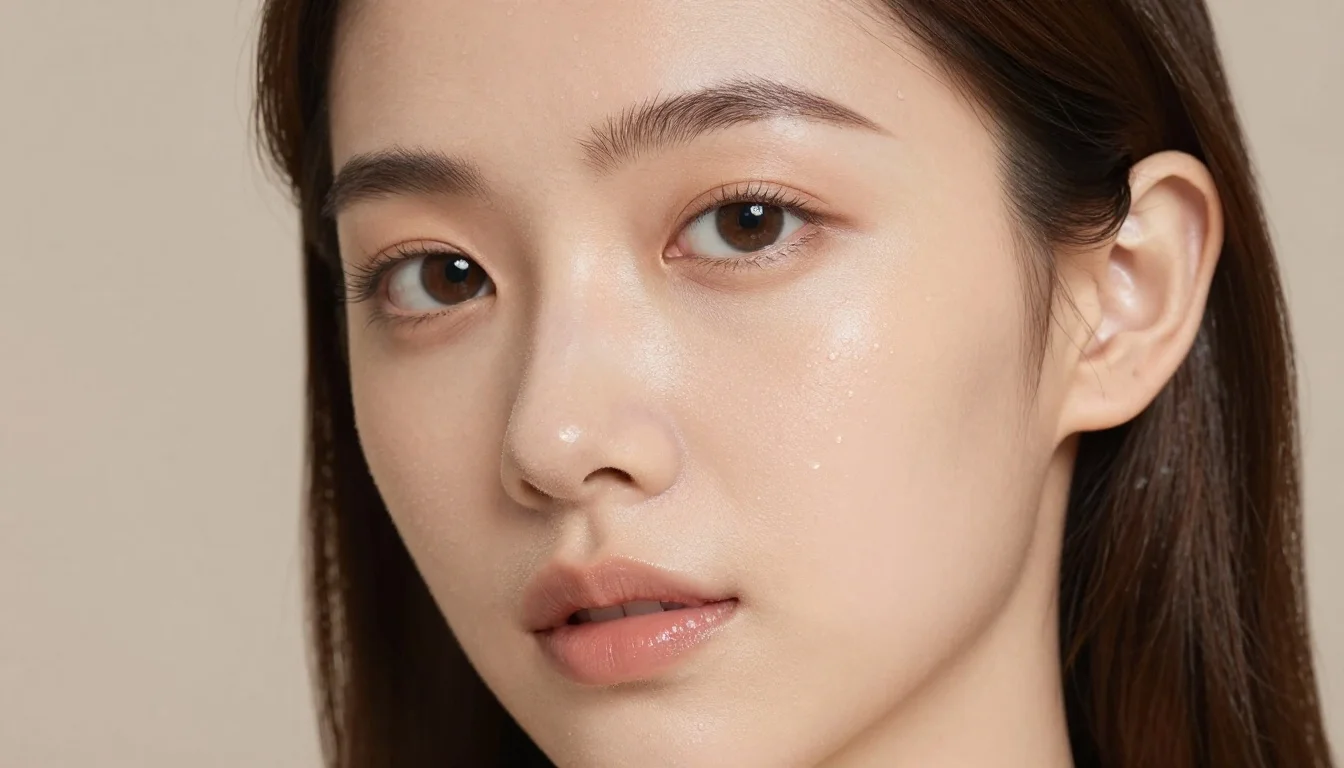
What is the best foundation shade for pale skin that does not look like a mask?
The best approach is a sheer tinted moisturizer or skin tint that exactly matches your undertone — not the lightest shade in a line, which is often too pink or too yellow. Test on your inner forearm in daylight. If it disappears, it is the right shade. Apply only where needed and blend outward to avoid harsh edges.
Your Natural Makeup Shade Families
Skin-Matching Foundations & Tints
The lightest shades in foundation lines often skew pink or yellow. Find yours by testing on your inner forearm in natural light. A skin tint that matches your undertone exactly — whether that is cool pink, warm ivory, or peachy-neutral — will be invisible when blended, which is exactly what natural makeup should be.
Soft Blushes
Pale skin needs the lightest hand with blush. Sheer cream formulas in baby pink or soft peach give the most natural flush — they warm the skin without sitting on top of it. Apply with fingers or a damp sponge and blend until it looks like your cheeks when you step out of a warm shower.
Neutral & Earth-Tone Eyeshadows
Light neutral shadows in warm taupe, soft mauve, or pale beige-pink define without darkening. A champagne shimmer on the lid brightens the eye area. Avoid heavy kohl — instead, use a soft brown or warm grey liner for a defined-but-not-dramatic eye.
Sheer & Glossy Lip Colors
Pale lips need just a touch of color to look healthy rather than washed out. A sheer "your lips but better" tinted balm or gloss adds life without reading as lipstick. For cooler complexions, soft rose. For warmer, a sheer peachy-coral. Avoid heavy mattes, which flatten pale skin.

Ready to see yourself in porcelain ivory & petal beige?
Start my color analysisHow to Build Your Natural Look
Skin Prep
Start with a lightweight hydrating moisturizer and a skin-toned or tinted SPF primer. For pale skin with redness, a green color corrector applied only to red areas before foundation creates an even base without heavy coverage. Well-moisturized skin reflects light beautifully and needs less product overall.
Coverage Strategy
Apply a sheer tinted moisturizer or skin tint all over, then use a peach or yellow-toned concealer only on problem areas. Build coverage in thin layers rather than applying one heavy layer — thin layers look like skin, heavy layers look like makeup. For natural makeup, stop when you have just enough coverage, not perfect coverage.
Where to Skip Product
Leave your eyelids bare or with just a skin-toned shimmer. Skip heavy liner — instead, tightline the upper waterline with a brown pencil only. Use the lightest possible touch with blush and apply it only on the apples of the cheeks, blending upward. The less product pale skin wears, the more luminous it looks.
Longevity Without Heaviness
Set with the barest dusting of a finely-milled translucent powder or a rosy-toned setting powder that matches your undertone. A heavy powder application on pale skin looks chalky. Use a setting spray to melt everything together and restore the skin-like finish that a powder layer can dull.
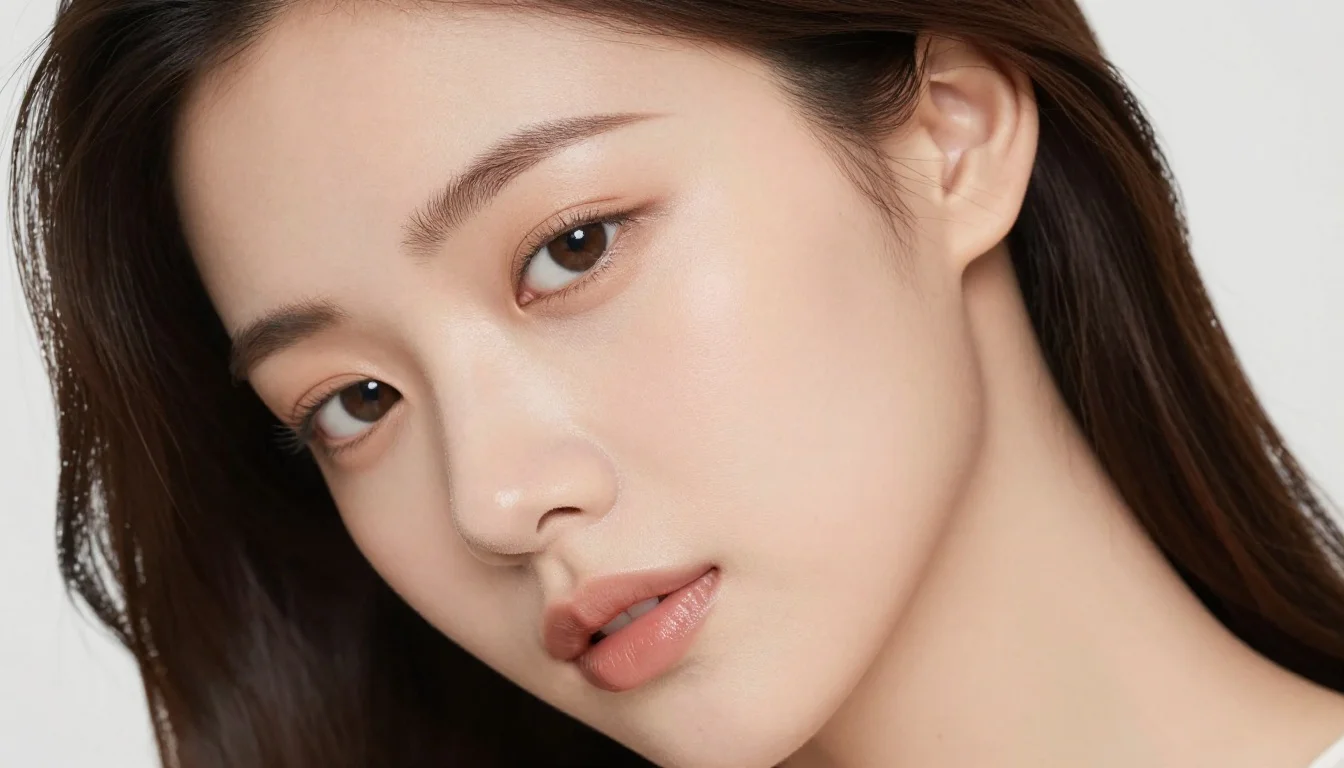
Shades That Work Against Pale Skin
Heavy orange bronzer
Orange bronzer on pale skin has no warmth to blend into — it sits on top and reads as fake tan. If you want warmth, use a skin-toned matte bronzer only one shade deeper than your skin.
Dark or heavily pigmented blush
A highly pigmented blush that would look subtle on medium skin will look like two painted circles on pale skin. Always use the most translucent, sheer formula you can find and build very slowly.
Cool grey or ashy eyeshadow
Grey tones emphasize any cool redness or veining in pale skin and make the eye area look bruised. Use warm taupes and mauves instead.
True brown or dark nude lip
Deep nude-brown lips on pale skin create a stark, unnatural contrast that reads as heavy rather than natural. Stay within one or two shades of your natural lip color.
Stop guessing — preview every shade on you
See myself in my shadesNatural Makeup Swaps for Pale Skin
Swap your usual products for these pale-skin-friendly alternatives.
Allows your natural skin texture and light-reflecting quality to show through instead of creating a mask effect.
Blends into the skin for a real flush rather than sitting on top as a visible layer of color.
Adds subtle depth and warmth without the orange-on-pale-skin contrast.
Defines the eye without the dramatic contrast that makes black liner look harsh on pale skin.
Adds just enough color to look healthy without reading as lipstick at all.
Avoids the chalky, flat finish that white powder creates on pale skin in photos and natural light.
Which Palette Might Be Yours?
Pale skin appears across many seasonal palettes. Your undertone and hair-and-eye contrast determine which one fits you best. Here are the most common matches for pale complexions:
Light Summer
Learn moreThe most common palette for pale skin with cool or neutral-cool undertones, soft ash blonde or light brown hair, and light eyes. Your natural makeup shades will be soft, muted, and cool-leaning — think dusty pinks and soft taupes.
Light Spring
Learn morePale skin with a warm or peachy undertone, golden or strawberry blonde hair, and light eyes often belongs to Light Spring. Your naturals will be warmer and clearer — peachy nudes and warm champagnes.
Cool Winter
Learn morePale skin with a strong blue-pink undertone, dark hair, and icy or dark eyes may be Cool Winter. Your natural look sits at the edge of cool and dramatic — soft grey-taupes and icy highlighters look most natural.
Find Your Exact Colors
Pale skin varies enormously in undertone, depth, and contrast level. The natural makeup shades that work for cool pale skin are completely different from those that suit warm pale skin. Palette Hunt analyzes your exact coloring to recommend your specific natural makeup palette — not just a pale-skin approximation.

Related Guides for Natural Makeup for Pale Skin
Explore more personalized color advice based on your features.
Want to see these colors on you? What Colors Look Good on Me — free to try.
Frequently Asked Questions About Natural Makeup for Pale Skin
What is the best foundation shade for pale skin that does not look like a mask?
The best approach is a sheer tinted moisturizer or skin tint that exactly matches your undertone — not the lightest shade in a line, which is often too pink or too yellow. Test on your inner forearm in daylight. If it disappears, it is the right shade. Apply only where needed and blend outward to avoid harsh edges.
How do I add warmth to pale skin without looking orange?
Use a matte bronzer that is only one shade deeper than your skin and has a beige or pink base rather than an orange one. Apply it in a "3" shape from the forehead hairline down the sides of the face and along the jaw. A warm-toned blush on the cheeks also adds life without the fake-tan orange effect.
Why does blush always look too intense on my pale skin?
Most blushes are formulated for medium skin tones where the pigment needs to punch through more melanin. On pale skin, the same pigment has nothing to diffuse into and sits visibly on top. Switch to a cream blush — it sheers out more naturally. Apply with your fingertips and blend until it looks like a flush, not a stripe.
What nude lip color actually looks good on pale skin?
True nudes on pale skin often disappear or look grey. Instead, find a shade that is one or two tones deeper than your natural lip color with a pink or peach cast. Sheer formulas — gloss, lip oil, or tinted balm — always look more natural than matte formulas, which can flatten pale skin.
How do I cover redness on pale skin without heavy makeup?
Apply a green color corrector only to the red areas — cheeks, nose, around the mouth — and let it dry before blending your tinted moisturizer over the top. Use a beauty blender with a pressing motion rather than wiping. This neutralizes redness with minimal product so you do not need heavy coverage to get an even finish.
Does setting powder make pale skin look chalky?
Yes, if you use too much or use a white translucent powder. Switch to a rosy-tinted or skin-matched setting powder and apply only to the T-zone with a light hand. Finish with a setting spray to melt the powder into the skin so it does not sit on top. If you photograph often, use a powder without SPF to avoid flashback.