Eyeshadow forBlue Eyes
The best eyeshadow shades for blue eyes — warm copper, bronze, terracotta. Discover which tones look natural on you — and which to skip.
Blue eyes have a built-in advantage: they sit on the cool end of the color wheel, which means warm-toned eyeshadow creates natural complementary contrast. Copper, bronze, terracotta, and warm gold all work on the opposite side of the color wheel from blue — and that opposition is what makes blue eyes look intensely vivid rather than flat. The golden rule is simple: go warm to make blue eyes pop.


3,000+
happy clients
Why Warm Tones Create the Most Striking Contrast with Blue Eyes
Blue eyes have a built-in advantage: they sit on the cool end of the color wheel, which means warm-toned eyeshadow creates natural complementary contrast. Copper, bronze, terracotta, and warm gold all work on the opposite side of the color wheel from blue — and that opposition is what makes blue eyes look intensely vivid rather than flat. The golden rule is simple: go warm to make blue eyes pop.
Color contrast is the engine behind effective eye makeup. Blue sits opposite orange on the color wheel — and warm copper, bronze, and terracotta are all in the orange family. When you place a warm-toned shadow beside a cool blue iris, the colors intensify each other. Blue looks bluer. The shadow looks richer. The effect is a level of eye brightness that cool-toned shadows simply cannot achieve on blue eyes.
Warm browns and taupes work similarly but more subtly. They carry enough of the orange-amber register to create soft complementary contrast without the boldness of full copper or terracotta. This makes them ideal for everyday wear — enough contrast to define and lift the eye without the statement-making drama of metallic copper.
The mistake most people with blue eyes make is reaching for blue or grey eyeshadow. The logic seems sound — matching your eye color. But monochromatic eye looks muddy the iris rather than intensifying it. A soft grey or navy on blue eyes flattens the eye color rather than creating the contrast that makes blue pop. The warm family — copper through terracotta through warm gold — is almost always the superior choice.
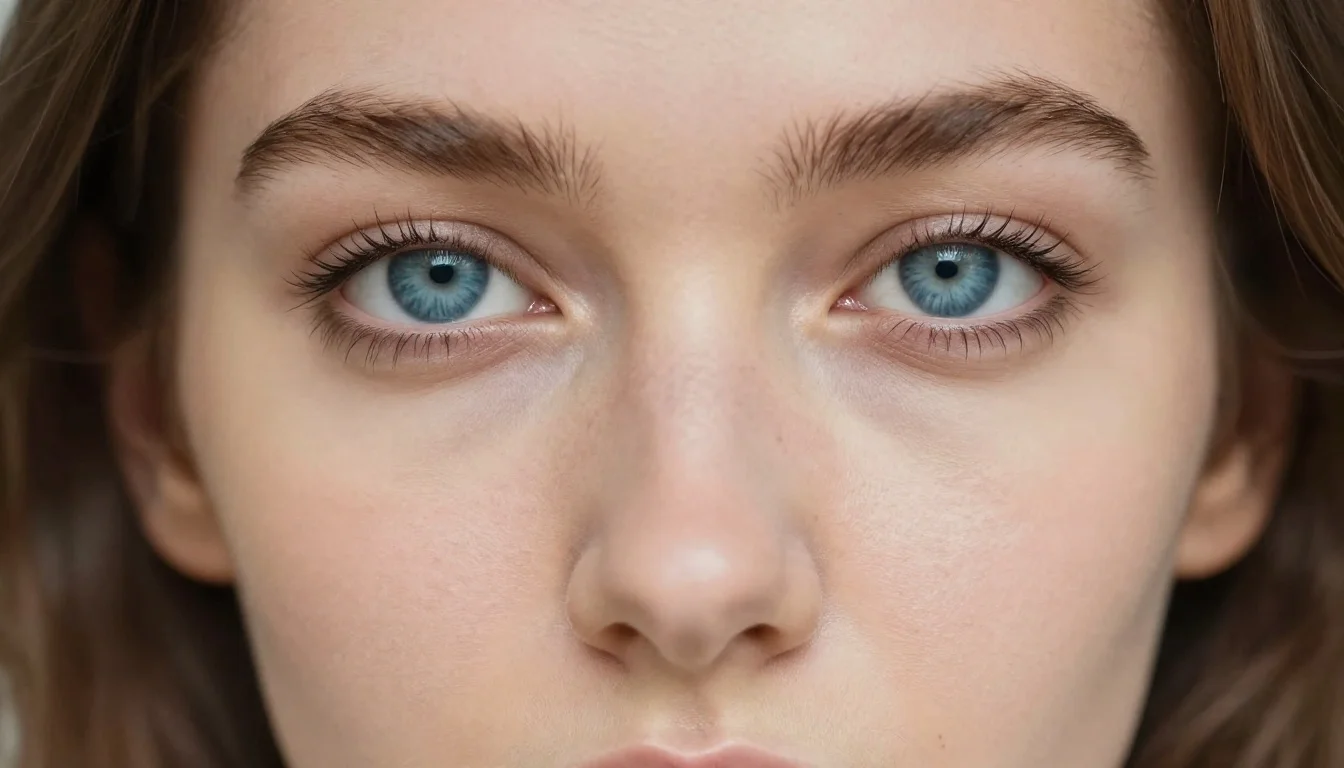
What is the best eyeshadow color for blue eyes?
Copper and warm bronze are the most effective eyeshadow shades for blue eyes. They sit in the complementary-contrast zone — warm orange against cool blue — and make blue irises look more vivid and intense. Terracotta and warm gold are close seconds. All of these work because they create chromatic opposition with blue rather than blending into it.
Your Best Eyeshadow Shades for Blue Eyes
Copper and Bronze: The Power Combination
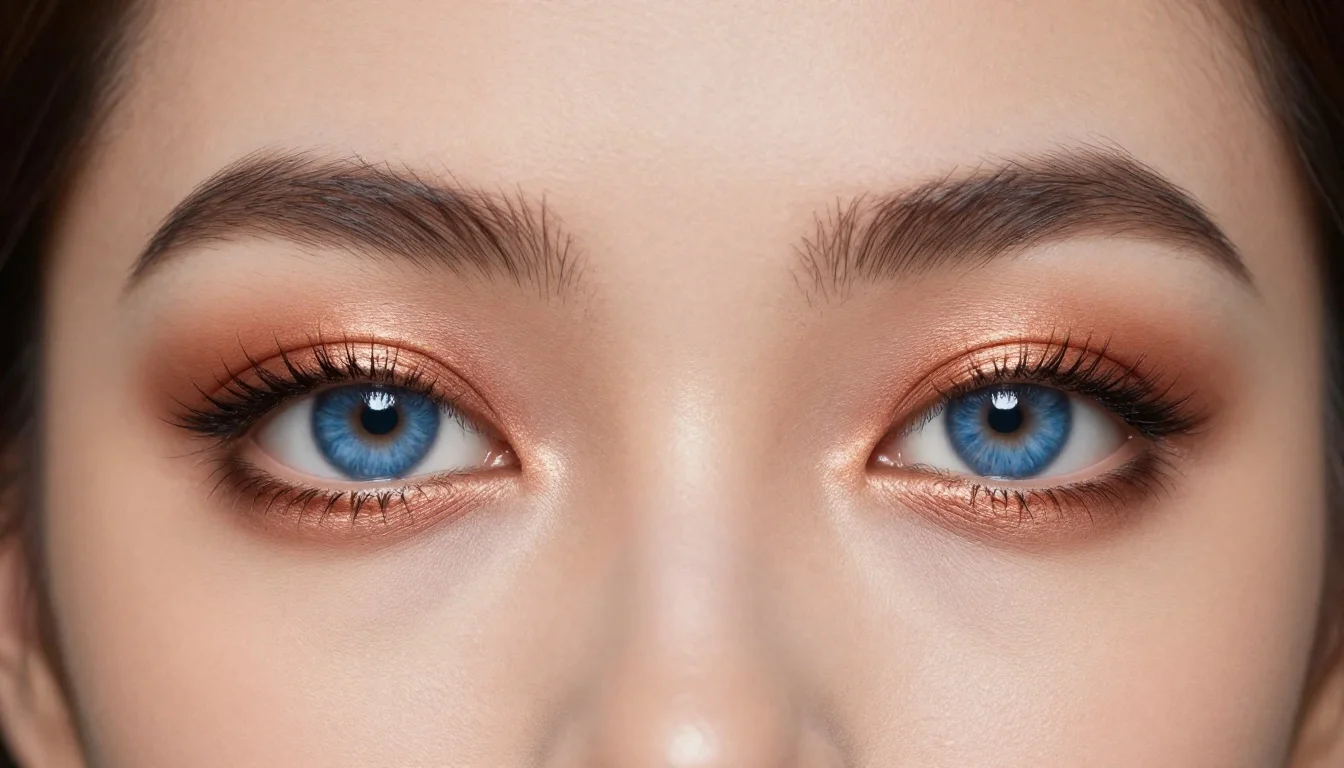
Copper is the single most effective eyeshadow shade for blue eyes. It sits directly in the complementary-contrast zone — warm orange-red against cool blue — and the metallic quality adds reflective depth that makes the iris look luminous. Bronze softens this slightly, creating a sophisticated warm-toned look without the full intensity of copper. Apply copper to the lid and deep bronze to the outer corner and crease for a graduated warm effect that frames blue eyes with maximum impact.
Terracotta: Earthy Warmth
Terracotta and rust are matte warm shades in the orange-brown family that create excellent contrast with blue eyes without the shimmer of copper or bronze. Terracotta in the crease adds depth and definition — the warmth of the color pulls blue irises forward visually. This is an excellent everyday option for blue-eyed people who prefer matte textures. It reads as polished and intentional rather than casual, especially when blended carefully at the edges.
Warm Gold and Amber
Warm gold — gold with a yellow or orange base rather than a white or silver base — creates brilliant complementary contrast with blue eyes. The yellow-amber register of warm gold sits in the orange family chromatically and intensifies blue through opposition. Apply warm gold to the center of the lid for a foiled, lit-from-within effect. Amber shadow in the crease bridges copper and warm gold for a seamlessly graduated warm-eye look.
Taupe Neutrals with a Warm Bias
Warm-biased taupes and neutral browns are the everyday workhorses for blue eyes. They carry enough warmth to provide contrast with blue without overpowering daytime looks. A warm caramel taupe in the crease and a sheer warm highlight on the brow bone creates clean eye definition that works in professional settings. Choose taupes that lean toward the beige-caramel end rather than the grey end — grey-taupe is too cool to create effective contrast with blue eyes.

Ready to see yourself in copper & bronze?
Start my color analysisHow to Apply Eyeshadow to Make Blue Eyes Stand Out
The warm copper everyday look
Apply a sheer warm taupe to the entire lid as a base. Build burnt copper or warm bronze on the outer two-thirds of the lid. Blend a matte terracotta into the crease for depth. Set with a champagne shimmer on the inner corner and brow bone. This creates graduated warmth that provides maximum contrast with blue eyes — subtle in the transition zone, rich at the outer corner where it matters most for eye shape.
Warm bronze for daytime
For daytime wear, a single warm bronze shadow applied to the lid with a fluffy blending brush — kept to the mobile lid only — is one of the most effective eye looks for blue eyes. The metallic quality catches light and the warm tone contrasts with blue. Use a clean blending brush to diffuse the edges. Add a warm pencil liner or smudged shadow along the lower lash line in the same bronze tone. The whole look takes under five minutes and noticeably intensifies blue eye color.
Blending warm tones for drama
For evening looks, layer copper, deep bronze, and a touch of burgundy-brown at the outer corner to create a warm smoky eye. The key on blue eyes is staying within the warm family throughout — if you reach for black or grey to deepen, you lose the complementary contrast. Use a very deep warm brown or a red-brown at the outermost corner and lower lash line instead. The warmth at maximum depth still provides contrast, whereas cool-dark shadows neutralize the effect.
Lining strategy for blue eyes
Warm brown liner (rather than black or grey) on the upper lash line reinforces the warm-contrast strategy without the harshness that black liner can create on lighter blue eyes. On the waterline, a warm copper or bronze kajal liner creates a circle of warm color directly adjacent to the iris for maximum contrast impact. Avoid navy or grey waterline liner — it brings cool tones too close to the iris and reduces the pop effect.
Eyeshadow Shades That Flatten Blue Eyes
Blue eyeshadow — any shade
Blue eyeshadow on blue eyes creates a monochromatic effect that muddies the iris rather than intensifying it. Matching your eye color in shadow is a widespread makeup mistake — the absence of contrast makes both the eye color and the makeup look flat. Navy, cobalt, sky blue, and icy blue all reduce the visual impact of blue irises. The contrast that warm tones create is what makes blue eyes stand out; blue shadow eliminates that contrast entirely.
Cool grey and silver
Grey and silver are cool-toned neutrals that sit in the same color temperature as blue eyes. The result is a cool-on-cool combination that can look washed out rather than striking — particularly on lighter, icy blue eyes. If you want a neutral look, a warm taupe will always create more definition than a cool grey on blue eyes. Silver shimmer as a highlight on the inner corner is fine, but cool grey as a primary lid color reduces eye impact.
Very cool-toned lavender and ice blue
Pastel lavender and icy blue-pink shadows are popular but create the same cool-on-cool flatness as blue and grey. They work better on brown and hazel eyes where they provide contrast. On blue eyes, cool lavender competes with the iris rather than framing it. Deep, warm-toned purple is a different story — the depth and warmth in it creates contrast that cool lavender cannot.
Stop guessing — preview every shade on you
See myself in my shadesEyeshadow Swaps for Blue Eyes
Replacing cool-toned defaults with warm alternatives that create complementary contrast.
Grey-taupe is cool-toned and provides no contrast with blue eyes. Warm taupe carries enough orange register to create gentle complementary contrast and lift the eye color.
Blue on blue is monochromatic and muddying. Copper creates direct complementary contrast that makes blue irises look more vivid and intense.
Cool crease colors sit in the same temperature zone as blue eyes. Terracotta in the crease adds depth through color contrast rather than just value contrast.
Silver shimmer is cool-toned. Warm champagne maintains the overall warm strategy and brightens the inner corner without introducing a conflicting cool element.
Black and grey are cool-toned and shift the focus toward darkness rather than contrast. Warm brown liner frames blue eyes while staying within the warm-contrast strategy.
Cool smoky eyes neutralize the complementary contrast on blue eyes. A warm-toned smoky base maintains the orange-blue opposition at every depth level.
Which Seasonal Palette Often Has Blue Eyes?
Blue eyes appear across multiple seasonal palettes. The specific season depends on your overall depth, skin undertone, and whether your blue is icy or soft.
Light Summer
Learn moreLight Summer often features soft, muted blue or blue-grey eyes with fair, cool-undertone skin and soft overall coloring. The eyeshadow sweet spot: light warm taupe, very soft bronze, and gentle rose-tinted neutrals. Heavy copper may overpower Light Summer's delicate coloring — keep the warmth light-handed.
Cool Summer
Learn moreCool Summer can have medium-blue or blue-grey eyes with a clear cool undertone. Warm copper and terracotta still apply as contrast shades, but the most flattering intensity is medium rather than maximum — soft bronze and warm taupe more than full-intensity metallic copper.
Cool Winter
Learn moreCool Winter can have vivid, icy, or deep blue eyes with high contrast between eye, skin, and hair. This is the season where full-intensity metallic copper or rich terracotta creates the most striking effect — Cool Winter's high contrast coloring can support maximum complementary contrast in eyeshadow.
Find Your Exact Eye Color Strategy
Eye color is one input — your full seasonal palette determines which specific shades of copper, bronze, and terracotta flatter your coloring most precisely. A personalized color analysis identifies your season and gives you specific shade directions for eyeshadow, liner, and highlight that work with your blue eyes and your exact skin undertone and depth.

Related Guides for Eyeshadow for Blue Eyes
Explore more personalized color advice based on your features.
Want to see these colors on you? What Colors Look Good on Me — free to try.
Frequently Asked Questions About Eyeshadow for Blue Eyes
What is the best eyeshadow color for blue eyes?
Copper and warm bronze are the most effective eyeshadow shades for blue eyes. They sit in the complementary-contrast zone — warm orange against cool blue — and make blue irises look more vivid and intense. Terracotta and warm gold are close seconds. All of these work because they create chromatic opposition with blue rather than blending into it.
Should blue eyes wear blue eyeshadow?
Generally, no. Blue eyeshadow on blue eyes creates a monochromatic, muddying effect — the absence of contrast makes the eye color look flat rather than vivid. The exception is a very deep navy or indigo used as a liner rather than a lid color, where the depth creates value contrast even without chromatic contrast. For maximum impact, stay in the warm family.
Can blue eyes wear dark eyeshadow?
Yes, but choose deep warm-toned darks rather than cool darks. Deep warm brown, burgundy-brown, or red-brown at the outer corner and lower lash line creates intense definition while maintaining the warm-contrast strategy. Avoid deep grey, charcoal, and black as primary shadow colors — they shift the look toward cool territory and reduce the complementary contrast with blue eyes.
What color eyeshadow makes light blue eyes pop?
Light or icy blue eyes respond well to warm copper and soft terracotta — the contrast is most striking when the warmth of the shadow is balanced against the softness of icy blue. Very intense deep copper can overpower very light blue eyes; warm taupe and light warm bronze are proportionally softer options that still create effective contrast. Warm gold on the center of the lid adds brilliance.
Is warm brown good for blue eyes?
Yes. Warm brown — as opposed to cool grey-brown or neutral brown — is an excellent everyday eyeshadow for blue eyes. The warmth in warm brown creates gentle complementary contrast with blue. This is why classic warm brown and bronze palettes consistently photograph well on blue-eyed subjects. Choose warm browns with caramel or amber undertones over cool ash-brown neutrals.