Your Perfect Bridal Lookfor Pale Skin
Find your perfect bridal makeup palette as a pale-skinned bride. Discover which tones look natural on you — and which to skip.
Pale skin is one of the most photogenic complexions in bridal photography — the light surface reflects beautifully in natural light and creates striking contrast with rich color. But fair-skinned brides face a specific challenge: the same high contrast that makes your complexion luminous also means the wrong foundation shade, a blush that's too warm, or a lip color that fights your undertone can read instantly in photos. This guide gives you the exact foundation ranges, blush tones, lip shades, and eyeshadow families that photograph true-to-life on pale skin — no ashiness, no washed-out warmth, no flashback.


3,000+
happy clients
Why Pale Skin Requires a Different Bridal Approach
Pale skin is one of the most photogenic complexions in bridal photography — the light surface reflects beautifully in natural light and creates striking contrast with rich color. But fair-skinned brides face a specific challenge: the same high contrast that makes your complexion luminous also means the wrong foundation shade, a blush that's too warm, or a lip color that fights your undertone can read instantly in photos. This guide gives you the exact foundation ranges, blush tones, lip shades, and eyeshadow families that photograph true-to-life on pale skin — no ashiness, no washed-out warmth, no flashback.
Pale skin interacts with light — both natural wedding light and camera flash — in a way that medium and dark complexions do not. Flash photography on very pale skin can amplify any SPF-containing products into a ghostly white cast (flashback), making SPF-free or micronized-SPF formulas essential for your photographer's shots. Similarly, pale skin reflects light so clearly that color reads more strongly than it would on deeper complexions: a blush that looks subtle in the bathroom mirror can look vivid in photography.
Your undertone as a pale bride determines everything about which shades work. Cool-pale skin — rosy, pink-based, or blue-undertoned fair skin — suits cool and neutral makeup families: pink-rose blush, cool-toned or neutral foundations, berry and rose lip shades, and dusty mauve or cool champagne eye looks. Warm-pale skin — peachy, ivory, or golden fair skin — responds to warm families: peach-pink blush, warm ivory or peachy foundations, warm nude and peachy-coral lip colors, and rose-gold or warm champagne eye looks. Getting this distinction right is the single most important makeup decision you'll make as a pale bride.
Pale skin also benefits from strategic layering on your wedding day. A lightweight illuminating primer under your foundation adds a glow that reads as luminous rather than oily in photos. Powder in the T-zone only — not all over — prevents the matte, flat look that all-over powder can create on pale complexions in photography. These small technical choices make the difference between bridal photos that look stunning and ones that look slightly off without anyone being able to say why.
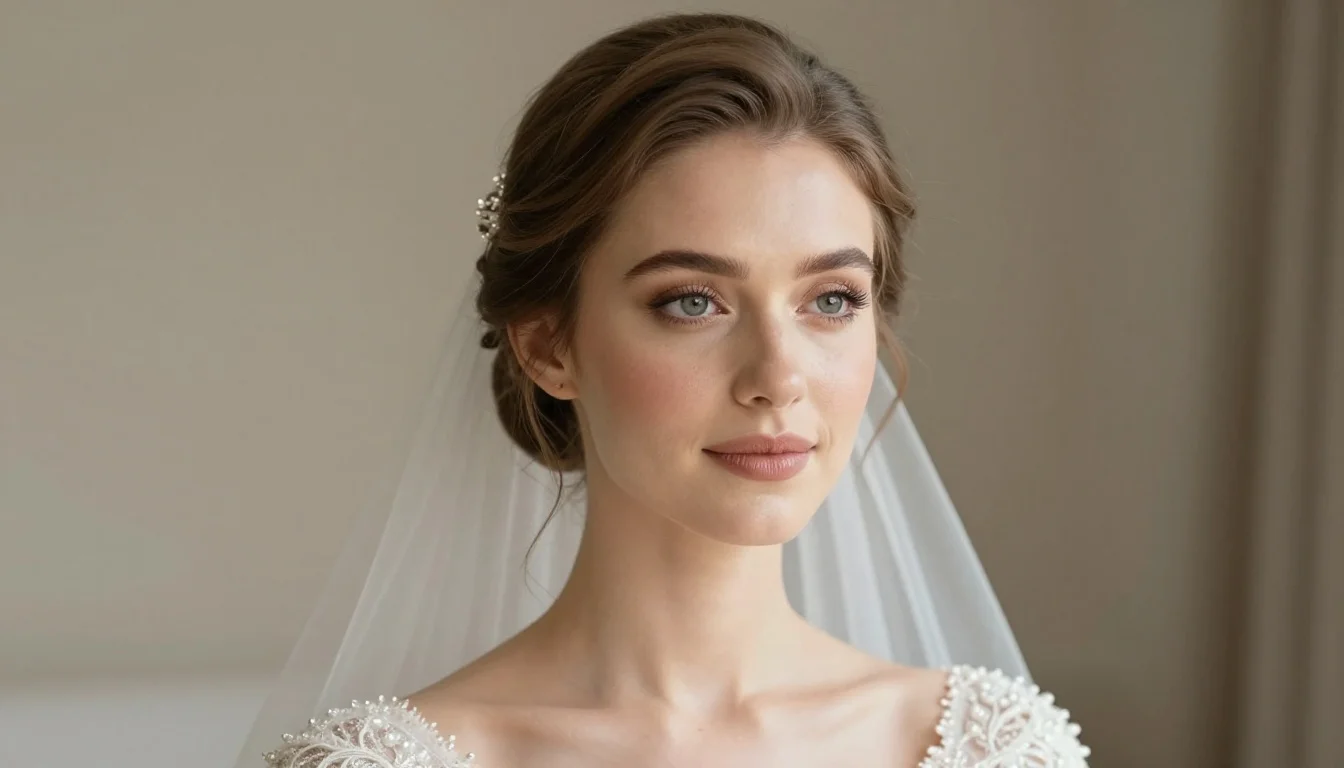
What makeup looks best for a pale bride?
The most flattering bridal makeup for pale skin centers on matching your foundation exactly to your undertone (avoiding warm-yellow or orange-toned shades), using a sheer cool-pink or peach-rose blush applied with a light hand, choosing a lip shade that's at least slightly deeper than your natural lip (a sheer pink-rose or dusty rose is the classic pale-bride choice), and layering rose gold or champagne eyeshadow with dusty mauve in the crease. The key is that everything reads as enhanced natural coloring rather than added color — pale skin shows makeup clearly, so the goal is luminous and polished rather than heavy.
Your Bridal Makeup Palette
Foundation Shades: Pale to Fair with the Right Undertone
Your foundation needs to match your skin exactly — pale brides are the most commonly mis-matched in cosmetic counters because many lines run out of truly pale shades. Look for descriptors like Porcelain, Shell, Ivory, or Fair. If your undertone is cool, choose a pink- or neutral-based pale shade and avoid yellow-based foundations, which make cool-pale skin look sallow. If your undertone is warm, a warm ivory or peachy fair shade will blend seamlessly. For wedding day longevity, use a long-wear formula that's SPF-free or uses micronized SPF to prevent camera flashback.
Blush Colors: Soft Pink, Peach-Rose & Sheer Berry
Blush on pale skin reads more intensely than on medium or deep complexions, so sheerness is your best friend. Soft baby pink blush on pale cool-undertoned skin looks like a natural flush — it enhances the rosy quality already in your complexion. Sheer peach-rose is the most forgiving shade for pale brides with neutral or slightly warm undertones: it reads as a healthy glow rather than added color. Cool rose pink deepens the look for evening receptions without looking costumey. Apply blush with a very light hand and build — it is far easier to add than to remove on your wedding day.
Lip Shades: Nude Pink, Soft Rose & Classic Berry
Lip color on pale skin needs to have enough pigment to show up in photos without washing out your complexion. A true nude on pale skin often disappears in photography — your lip shade needs at least a touch of pink or rose to register. A your-lips-but-better nude-pink (think a sheer stain two shades deeper than your natural lip) is the most timeless bridal choice and photographs beautifully at all stages of the day. Soft dusty rose is the classic pale-bride lip: romantic, photogenic, and timeless. Cool berry deepens the look dramatically for evening receptions on cool-undertoned pale brides. For warm-pale brides, a peachy nude or warm rose reads as fresh and modern.
Eyeshadow: Rose Gold, Cool Champagne & Dusty Mauve
Eyeshadow on pale skin shows up clearly due to the high contrast between lid and skin — use this to your advantage. Warm champagne across the entire lid is the most universally flattering bridal base for pale skin: it adds warmth and glow without drama. Rose gold shimmer concentrated at the center of the lid photographs luminously. Dusty mauve in the crease adds depth and definition without the harsh look that very dark brown creates against pale skin. Build depth gradually — start lighter than you think you need and photograph your look before committing to more depth.

Ready to see yourself in porcelain pink & ivory neutral?
Start my color analysisBridal Makeup Application Tips for Pale Skin
Longevity on your wedding day
Pale skin shows makeup wear — fading blush, patchy foundation, and faded lip color — more visibly than most complexions because of the high contrast between product and skin. Build longevity into your routine: use a long-wear primer under your foundation, set your undereye and T-zone with a translucent powder (not all-over, which flattens the look), use a lip liner in your lip shade as a base for your lip color, and carry your lip shade for touch-ups. A light-hold setting spray over your finished look adds hours without a heavy feel.
Photography-ready choices
The camera sees your makeup differently than the mirror does. Test your full bridal look on a trial day and have your partner take photos of you in both indoor light and natural outdoor light. What looks right in the mirror can look too light or too dark in photography. Pale skin typically benefits from slightly more blush than feels comfortable in person — the lens desaturates color slightly, so what looks like too much blush in person reads as the right amount in photos. Check that your foundation has no visible line at the jaw in photography.
Ceremony to evening reception transition
For a reception that runs into the evening, prepare a simple makeup touch-up strategy. Reapply your lip color using the lip liner base you set in the morning — this takes under a minute and refreshes your entire look. Dust a tiny amount of your blush shade onto the apples of your cheeks. If you wore a sheer lid shadow during the ceremony and want to deepen for the reception, add a thin line of soft kohl at the upper lash line and a second coat of mascara. These three steps take five minutes and take your look from day ceremony to evening reception.
Skin preparation the morning of
Pale skin shows texture, dryness, and pores more clearly under makeup than most complexions — foundation clings to dry patches and can crease into pores when skin is not properly prepped. The morning of your wedding, apply a lightweight hydrating serum, allow it to absorb fully for 10 minutes, then a thin layer of moisturizer, and allow another 5 minutes before primer. This layered hydration approach gives your foundation a smooth, even canvas. Avoid anything with immediate peeling, exfoliation, or strong active ingredients — they can leave skin reactive on your wedding day.
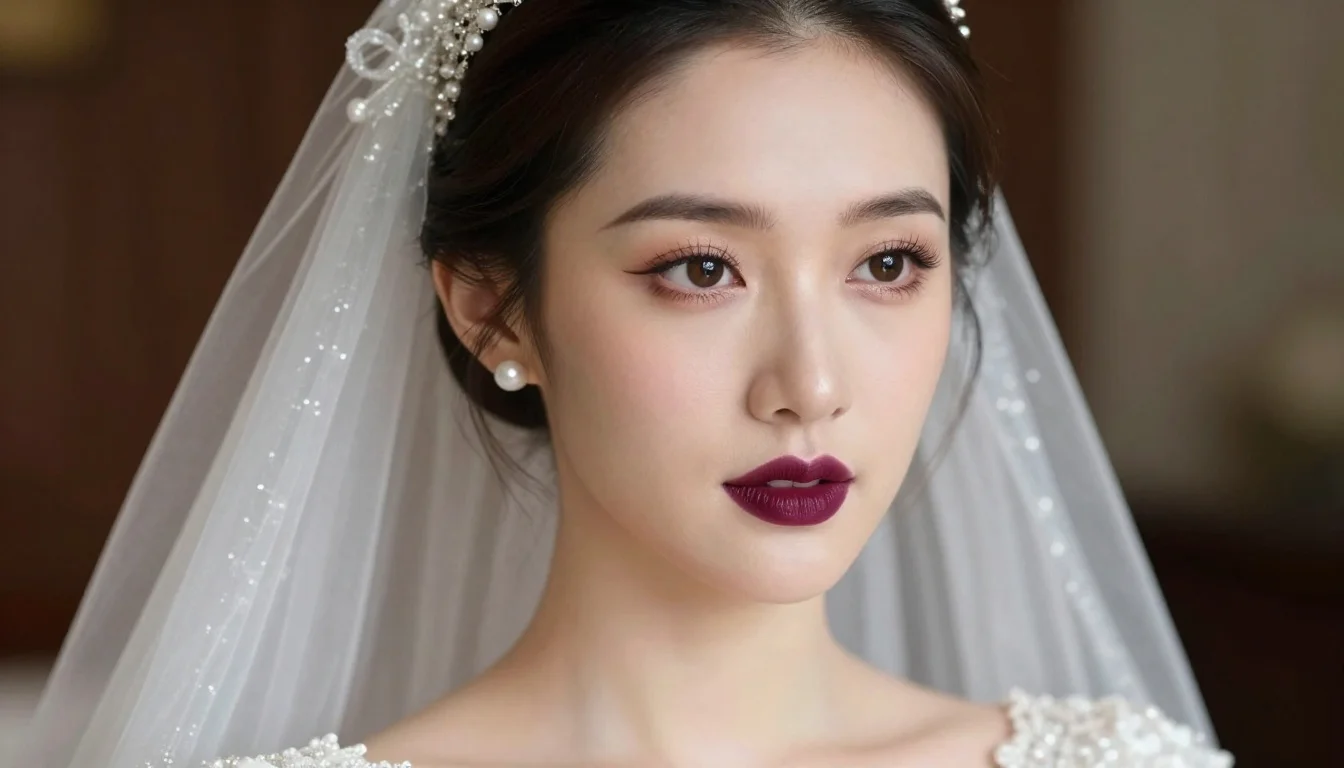
After the look, capture every angle of it
All that planning deserves more than the official album. Couples pair their photographer with a guest photo-sharing QR code so every phone photo of the look reaches them too.
Bridal Makeup Choices That Work Against Pale Skin
Foundations with visible SPF (non-micronized)
SPF in foundations and setting sprays causes flashback in photography — your face appears white and ghostly compared to your natural skin tone in flash photos. This is especially severe on pale skin because the light surface already reflects more. Use SPF-free foundation on your wedding day, or choose formulas that specify 'no flashback' or 'micronized SPF'. Your photographer will thank you.
Very warm or orange-toned foundation
Foundation with too much yellow or orange warmth looks muddy and mismatched on cool-pale skin. The orange undertone fights the pink-cool quality of fair complexions and reads as bronzer rather than skin in photos. If you have warm-pale (ivory/peachy) skin, some warmth is correct — but it should read as your skin color, not a shade darker with orange depth.
True nude lip on very pale skin
A lip color exactly matching your pale skin tone disappears in photographs and can make your face look unfinished. On pale skin specifically, a true nude reads as bare in photos rather than polished. You need at least a sheer pink-rose tint to register in photos. If you love the nude look, choose a 'your lips but better' shade that's slightly deeper and pinker than your natural lip.
Heavy contour in warm brown tones
Warm brown contour on pale skin looks muddy and unnatural in photos rather than sculpted. Pale skin reads contour differently than medium skin — the contrast is too stark. If you want to define your features, use a cool-toned taupe contour powder very lightly, or skip contour entirely and rely on a luminous foundation, sheer blush, and softly defined brows to structure your face.
Stop guessing — preview every shade on you
See myself in my shadesBridal Makeup Swaps for Pale Skin
Swap the standard recommendations for choices that actually work on fair complexions in bridal photography.
SPF causes white flashback in flash photography. SPF-free formulas photograph true to your skin color.
Warm peachy-brown blush can read as muddy contour on pale skin. Sheer pink or peach-rose reads as a natural flush and photographs as healthy glow.
True nude disappears in bridal photography on pale skin. A slightly deeper pink-rose registers as polished and romantic without looking overdone.
Dark brown applied without a warm base looks bruised on pale skin in photos. Building from champagne to mauve creates depth that looks sculpted, not harsh.
All-over powder flattens pale skin in photos, creating a matte, flat look. T-zone powder controls shine where needed while leaving cheeks and forehead glowing.
Warm brown contour looks muddy and unnatural on pale skin in photography. Cool taupe is barely visible up close but reads as natural shadow in photos.
Which Palette Might Be Yours?
Pale skin appears across several seasonal palettes — your specific season tells you exactly which undertone range and color intensity suits you best for your bridal makeup.
Light Summer
Learn moreIf your pale skin is cool or neutral-cool undertoned — rosy, pinkish, or cool ivory — with soft, muted coloring overall (light or ash hair, soft eye color), Light Summer is likely your season. Your bridal makeup is soft and cool: sheer cool-pink blush, muted rose lip, cool champagne or dusty mauve eye looks. Anything too warm or too vivid overwhelms your soft, delicate coloring.
Light Spring
Learn moreIf your pale skin has a warm undertone — peachy, ivory, or warm fair — and your coloring is light and warm (golden or strawberry blonde hair, warm hazel or blue eyes), Light Spring is likely your season. Your bridal makeup is warm and light: peach-rose blush, warm peachy nude or soft coral lip, rose gold or warm champagne eye looks. Deep or cool shades can overwhelm your warmth.
Cool Summer
Learn moreIf your pale skin is cool undertoned with slightly more contrast and depth than Light Summer — sharper features, ash or cool brown hair, cooler blue or grey eyes — Cool Summer may fit better. Your bridal makeup can go slightly deeper: cool rose blush, soft berry or rose lip, dusty mauve with soft cool brown in the crease. The cool, somewhat muted quality still holds.
Find Your Exact Bridal Makeup Palette
The most flattering bridal makeup for pale skin depends specifically on whether your undertone is cool, warm, or neutral — and on the overall contrast level of your coloring. A personalized color analysis identifies your exact seasonal palette and gives you the precise foundation undertone ranges, blush families, lip shades, and eyeshadow tones that will photograph beautifully on your individual fair complexion.
Related Guides for Bridal Makeup for Pale Skin
Explore more personalized color advice based on your features.
Want to see these colors on you? What Colors Look Good on Me — free to try.
Frequently Asked Questions About Bridal Makeup for Pale Skin
What makeup looks best for a pale bride?
The most flattering bridal makeup for pale skin centers on matching your foundation exactly to your undertone (avoiding warm-yellow or orange-toned shades), using a sheer cool-pink or peach-rose blush applied with a light hand, choosing a lip shade that's at least slightly deeper than your natural lip (a sheer pink-rose or dusty rose is the classic pale-bride choice), and layering rose gold or champagne eyeshadow with dusty mauve in the crease. The key is that everything reads as enhanced natural coloring rather than added color — pale skin shows makeup clearly, so the goal is luminous and polished rather than heavy.
How do I prevent flashback in photos with pale skin?
Flashback — the white ghostly cast in flash photos — is caused by SPF in foundations and setting products refracting camera flash. To prevent it: use an SPF-free foundation on your wedding day, choose a setting powder labeled "no flashback" or use a translucent setting powder known to be photography-safe, avoid SPF-containing primers or setting sprays, and use a matte blush rather than a luminous one (shimmer can amplify flash reflection). Do a trial where you take flash photos of your full bridal look to check before your wedding day.
What blush color is best for pale skin brides?
For pale cool-undertoned brides, a sheer cool pink or pink-rose blush applied very lightly is most flattering — it enhances the natural rosy flush in fair skin without looking added. For pale warm-undertoned brides, a sheer peach-rose or soft warm pink blush creates a healthy glow that complements ivory and peachy fair skin. In both cases, go lighter than you think necessary — blush reads more intensely in photos than it looks in the mirror on pale skin. Build slowly and photograph your look before your wedding day trial is finished.
What lip color should a pale bride wear?
The most timeless and photogenic bridal lip for pale skin is a sheer-to-medium dusty rose or pink-rose — deep enough to register in photos, romantic enough for a wedding, and flattering against fair complexions regardless of undertone. For cool-pale brides specifically, a soft berry or cool rose deepens the look for evening. For warm-pale brides, a peachy nude or warm rose works beautifully. The one shade to avoid is a true nude that matches your skin exactly — it disappears in photos on pale skin and makes the face look unfinished.
How do I make my bridal makeup last all day with pale skin?
Long wear on pale skin requires a few specific steps. Start with a long-wear hydrating primer, let it set for five minutes before applying foundation. Use a long-wear foundation formula rather than a skin-tint or lightweight coverage. Set only the T-zone and under-eye with translucent powder — not all over, which creates a flat, matte look on pale skin in photos. Use a lip liner in your lip shade as a base for your lipstick so the color doesn't slide off. Finish with a light-hold setting spray. Carry your lip shade, a clean brush, and a small amount of your blush for the one touch-up most brides need after the cake cut.
Should a pale bride do a bold lip or a natural lip?
Both work on pale skin, but each requires a different approach. A bold lip — deep berry, cool red, or vivid rose — creates a striking, high-contrast bridal look that photographs powerfully. If you choose bold, keep the rest of your face minimal: sheer blush, soft eye, clean skin. A natural lip — sheer pink-rose or your-lips-but-better nude-pink — looks timeless and lets the overall freshness of your look stand out. Avoid going so natural that your lip disappears in photos: even a "natural" bridal lip needs at least a sheer pink tint to register on pale skin. Whatever you choose, wear it for your makeup trial and take photos to see how it reads in different lights.