Best Highlights forFair Skin
Fair skin needs highlights that add warmth and dimension without making your complexion look pale. Discover how to find the colors that actually flatter your coloring.
Fair skin has a delicacy that makes highlight placement and shade selection more critical than for deeper complexions — the wrong tone can make your complexion look sallow, washed out, or paper-white. The right highlights for fair skin add warmth and dimension that makes your whole coloring look luminous, pulling the eye toward your features rather than creating contrast that overwhelms.


3,000+
happy clients
Why Fair Skin Requires Careful Highlight Choices
Fair skin has a delicacy that makes highlight placement and shade selection more critical than for deeper complexions — the wrong tone can make your complexion look sallow, washed out, or paper-white. The right highlights for fair skin add warmth and dimension that makes your whole coloring look luminous, pulling the eye toward your features rather than creating contrast that overwhelms.
Fair skin sits at the lightest end of the complexion spectrum, which means it has less melanin to create natural contrast with hair color. When highlights are placed on fair skin, there is very little 'ground' to absorb or harmonize with the lightened tone — the highlight-to-skin relationship is immediate and visible. This is why the wrong shade reads so dramatically: a cool ash highlight on fair skin with pink undertones can make the face look icy and flat, while an overly warm golden highlight can make fair skin look yellow.
The undertone of your fair skin determines which highlight family will work best. Fair skin comes in cool (pink or blue undertones), warm (peachy or yellow undertones), and neutral varieties. Cool-fair skin tends to look brightest with soft, muted highlights — champagne, pearl, and sandy blonde — that complement the pink without amplifying it. Warm-fair skin handles honey, strawberry, and peach-toned highlights well. Neutral-fair skin has the most flexibility.
One critical consideration for fair skin: going very light too fast. When fair hair is lightened significantly, it can create an even, washed-out plane of color rather than the dimensional effect you want. Dimensional techniques — balayage, babylights, or a mix of highlight thicknesses — prevent this by creating movement and depth even as they brighten.
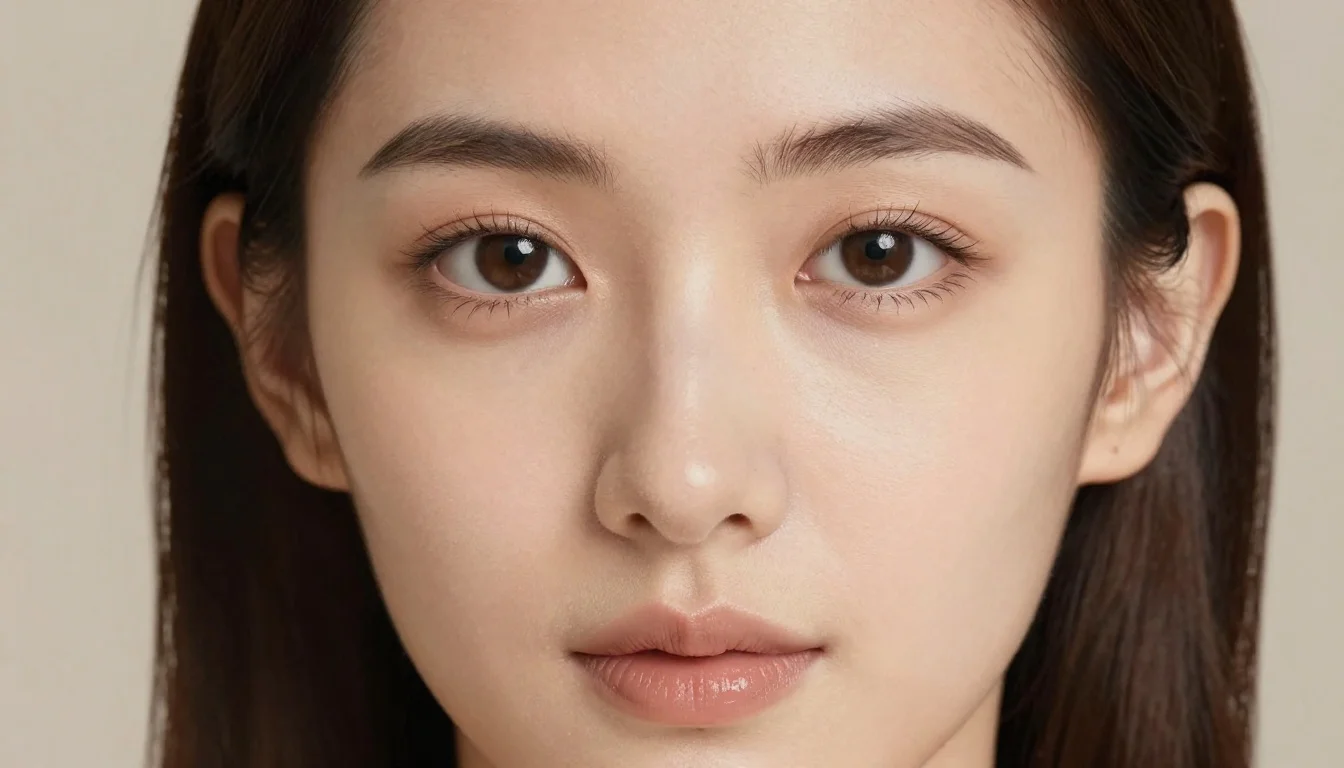
What highlights look best on fair skin?
Champagne, sandy blonde, pearl, and soft honey highlights look best on fair skin. These tones add dimension and warmth without creating harsh contrast or washing the complexion out. The best shade depends on your undertone — cool-fair skin suits champagne and pearl, warm-fair skin suits honey and strawberry blonde.
Your Best Highlight Shades
Champagne and Pearl
Champagne and pearl highlights are perfect for fair skin because they add brightness without adding stark white contrast. These soft, luminous tones reflect light beautifully against pale complexions, creating a glow rather than a bleached effect. They work on both cool and warm fair skin because they sit in the middle of the warm-cool spectrum, leaning soft rather than intensely warm or cool.
Sandy and Beige Blonde
Sandy and beige blonde highlights give fair skin a sun-kissed, lived-in quality that looks completely natural. These tones add dimension without creating the stark contrast that platinum or ash blonde can create against a pale complexion. They're particularly flattering for fair skin with neutral or warm undertones, where they create a seamless, multidimensional finish.
Honey and Strawberry
For fair skin with warm or peachy undertones, honey and strawberry blonde highlights create a glowing, warm dimension that looks natural and radiant. These tones harmonize with the warmth in fair skin rather than contrasting against it. Strawberry blonde in particular is uniquely complementary to fair complexions — it adds color and warmth without the heaviness that deeper copper can create.
Soft Platinum and Cool Blonde
For fair skin with distinctly cool or pink undertones, soft platinum and cool blonde highlights can look stunning — provided they're applied with dimension rather than all-over. Cool blonde highlights on cool-fair skin create a cohesive, high-fashion look. The key is keeping them soft rather than harsh: platinum with a warm root creates depth, while pure white-blonde all over flattens the complexion.

Ready to see yourself in champagne blonde & pearl blonde?
Start my color analysisHow to Style and Maintain Highlights on Fair Skin
Placement for fair complexions
For fair skin, face-framing placement is key — lighter pieces around the hairline warm the complexion and create a glowing effect. Request that your colorist concentrate the lightest highlights around the face and temples, using slightly darker tones further back. This prevents the all-over bleached look and draws light toward your features.
Choosing the right toner
Fair skin benefits from a toner that matches its undertone. For cool-fair skin, a pearl or champagne toner keeps highlights bright without orange. For warm-fair skin, a honey or golden toner keeps things warm without brassy. Avoid heavy purple toners, which can make fair skin look ashy and flat.
Maintaining vibrancy
Fair hair lifts easily but fades quickly. Use a color-protecting shampoo and conditioner to extend the life of your highlights. For cool blonde highlights, a weekly violet shampoo can prevent brassiness — but use it sparingly, as over-toning can make fair skin look grey.
Adding dimension as hair grows
As highlights grow out on fair hair, they can lose dimension and start to look uniform. Ask your colorist about a shadow root — softly darkening the root by 1-2 levels — which adds depth, reduces maintenance frequency, and creates beautiful contrast without looking like neglected regrowth.
Highlight Shades That Work Against Fair Skin
Brassy orange highlights
Orange or heavily brassy highlights create an unpleasant warm-yellow clash against fair skin, especially if it has pink undertones. This combination makes skin look ruddy and highlights look chemically processed. Fair hair often goes orange during lightening if not properly lifted — toning is critical.
Very dark lowlights mixed with highlights
Alternating very light highlights with very dark lowlights on fair skin creates too much contrast — the overall effect looks striped or dated rather than dimensional. If you want depth, keep lowlights only slightly darker than your base rather than going dramatically deep.
Heavy all-over highlights without dimension
When fair hair is highlighted uniformly from root to tip in the same shade, it loses all dimension and the effect looks flat and washed out rather than bright. Always use varied placement, varied thickness of sections, and possibly a darker root for depth.
Vivid colors without proper undertone matching
Vivid pink, red, or fashion colors on fair skin can create an overwhelming contrast that makes the complexion look ghostly by comparison. If you want color highlights, cooler pastels (lavender, ice pink, soft rose) tend to work better than vivid saturated shades against fair skin.
Stop guessing — preview every shade on you
See myself in my shadesHighlight Swaps for Fair Skin
Trading out highlight choices that flatten fair skin for ones that make it glow.
Uniform platinum removes all depth from fair hair, creating a flat, washed-out effect. Dimensional champagne with varied placement creates movement and warmth.
Golden highlights can make fair skin look yellow. Honey and strawberry have enough warmth to add glow without the yellow tinge that clashes with fair complexions.
Untoned highlights on fair hair go brassy and orange, creating an unflattering warm clash. A soft champagne toner refines the tone without going icy.
Uniform highlights to the root look flat on fair skin. A shadow root creates depth that makes highlights pop and reduces how quickly the grow-out becomes noticeable.
Daily purple shampoo on fair hair can turn highlights grey-lavender and make skin look cold. A once-weekly treatment maintains tone without over-correcting.
Dramatic dark lowlights create a striped effect on fair skin. Subtle mid-tone lowlights add dimension while keeping the overall effect soft and harmonious.
Which Palette Might Be Yours?
Fair skin spans multiple seasonal palettes. Your ideal highlights should align with your season for maximum cohesion.
Light Summer
Learn moreIf your fair skin has cool, muted undertones and your features are soft and blended without high contrast, Light Summer may be your season. Your highlights should be soft and cool: champagne, pearl, and muted platinum rather than warm or vivid shades.
Light Spring
Learn moreFair skin with warm, peachy undertones and a bright, clear look often fits Light Spring. Your highlights work best in warm, light tones: golden blonde, honey, and strawberry that add warmth without depth.
Cool Winter
Learn moreSome fair-skinned people have high contrast — very light skin with dark hair or intense eyes. If that's you, Cool Winter may be your palette. Your highlights should stay crisp and contrast-creating: cool platinum or blue-based silver rather than soft warm shades.
Find Your Perfect Highlight Shade
The best highlights for fair skin depend on your specific undertone, your natural hair color, and how much contrast you want to create. A personalized color analysis identifies exactly where your fair skin sits and which highlight family will create the most natural, luminous result for your unique coloring.

Related Guides for Best Highlights for Fair Skin
Explore more personalized color advice based on your features.
Want to see these colors on you? What Colors Look Good on Me — free to try.
Frequently Asked Questions About Best Highlights for Fair Skin
What highlights look best on fair skin?
Champagne, sandy blonde, pearl, and soft honey highlights look best on fair skin. These tones add dimension and warmth without creating harsh contrast or washing the complexion out. The best shade depends on your undertone — cool-fair skin suits champagne and pearl, warm-fair skin suits honey and strawberry blonde.
Can fair skin have dark highlights?
Fair skin can have darker pieces for dimension, but they work best when kept subtle — only 1-2 levels darker than your natural base. Very dark lowlights against fair skin create a stark, striped contrast that looks harsh rather than dimensional. Subtle depth is always more flattering than dramatic contrast on fair complexions.
Should fair skin avoid warm highlights?
Not necessarily — it depends on your undertone. If you have warm-fair or peachy skin, honey and strawberry blonde highlights can look beautiful. If you have cool or pink-toned fair skin, warm highlights might clash. The key is matching the warmth of the highlight to the warmth (or coolness) of your undertone.
How do I prevent highlights from making fair skin look washed out?
Dimensional placement is key — varied highlight thickness, different placements (heavier on top, lighter underneath), and a slightly darker root all prevent the flat, washed-out look. Avoid going all one color all over. Face-framing pieces that warm the complexion near your face also help bring color and life to the overall look.
How often do fair-skinned people need highlight touch-ups?
Fair hair lightens easily but the grow-out can become visible quickly, especially with high-contrast highlights. A shadow root technique extends time between appointments to 12-16 weeks. With traditional foiling close to the root, most fair-haired clients need touch-ups every 8-10 weeks.